
Have you been feeling a little out of sorts lately? Perhaps you’ve noticed changes in your body and mind that you can’t quite put your finger on. If you are navigating the transition of menopause, you’re not alone. This significant life stage comes with a whirlpool of physical and emotional changes, but there are ways to ease the journey. One such method is through Ayurvedic remedies, which have been trusted for centuries.

Understanding Menopause
Menopause is not simply an end; it’s a transition that every woman experiences, usually between the ages of 45 and 55. It marks the end of your menstrual cycles and a time when your body produces significantly less estrogen and progesterone. While this phase is natural, it can often bring with it a range of symptoms including hot flashes, mood swings, sleep disturbances, and fatigue. Recognizing these changes as a part of life can help shift your perspective, but what if you could manage these symptoms in a way that feels more natural?
The Evolution of Menopause Awareness
Understanding how menopause affects your body is the first step toward embracing this part of life. Historically, menopause has been seen through a medical lens, often accompanied by a list of unwanted symptoms and a slew of solutions that don’t necessarily align with every woman’s experience.
Recognizing menopause as a natural phase rather than a condition to be treated can empower you. By such understanding, you might be more open to holistic remedies that resonate with you. One of the most holistic approaches comes from Ayurveda—a traditional system of medicine that originated in India thousands of years ago.
What is Ayurveda?
Ayurveda is a complete system of medicine that emphasizes balance—between the body, mind, and spirit. It is based on the premise that each individual has a unique constitution (or dosha) comprising three energies: Vata, Pitta, and Kapha. Each dosha has its own characteristics, strengths, and vulnerabilities.
The Doshas and Their Role in Menopause
Understanding your dosha can help you tailor your approach to managing menopause symptoms. Here’s a simplified breakdown of the three doshas:
| Dosha | Characteristics | How It Affects Menopause |
|---|---|---|
| Vata | Dry, light, cold | Might experience anxiety, dryness, and irregular sleep patterns. |
| Pitta | Hot, sharp, intense | Could struggle with anger, irritability, and intense hot flashes. |
| Kapha | Heavy, slow, steady | May feel lethargic, experience weight gain, or face mood swings. |
Identifying where you fall on this spectrum can guide you in selecting the right Ayurvedic remedies to smooth your transition through menopause.
Ayurvedic Principles for Managing Menopause
Ayurveda offers a multitude of lifestyle adjustments, dietary changes, and herbal remedies that can help mitigate menopause symptoms. The focus is on restoring balance and harmony within your body.
Diet: Your Foundation for Balance
What you eat has a profound impact on how you feel, especially during menopause. A balanced, nutritious diet can alleviate many common discomforts.
-
Incorporate Cooling Foods: If you identify with the Pitta dosha, cooling foods like cucumber, coconut, and leafy greens can help ease hot flashes.
-
Stay Hydrated: Vata types are prone to dryness, so ensure you’re drinking enough water. Herbal teas with calming properties, like peppermint or chamomile, can also be beneficial.
-
Moderation with Spices: While spices are a vital part of Indian cuisine, those with Pitta might want to moderate spicy foods. On the other hand, warm spices can be beneficial for Kapha types.
-
Fermented Foods: Incorporate foods like yogurt and kimchi to promote gut health, which can be particularly beneficial for all dosha types during this time.
Herbal Remedies: Nature’s Assistance
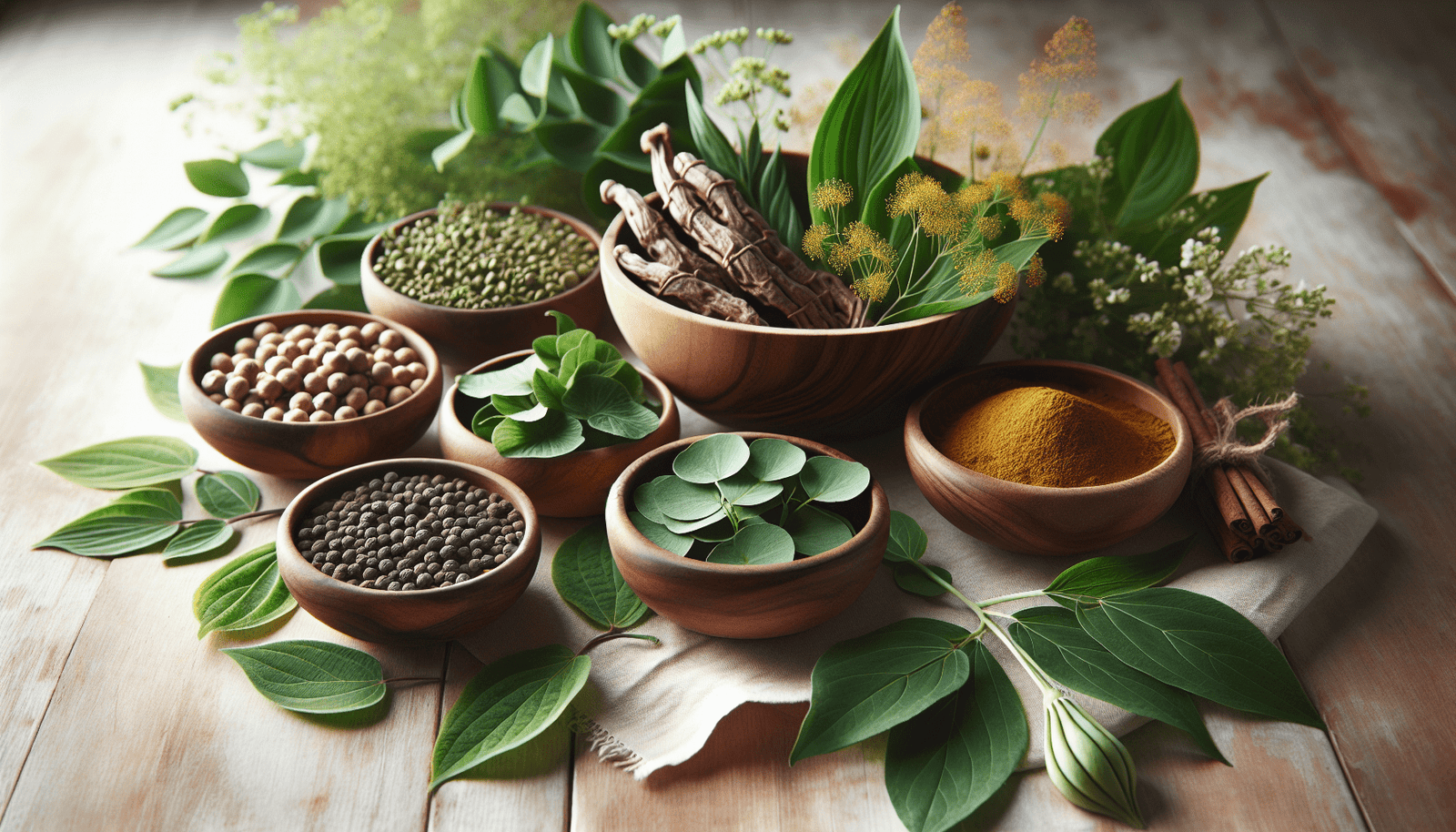
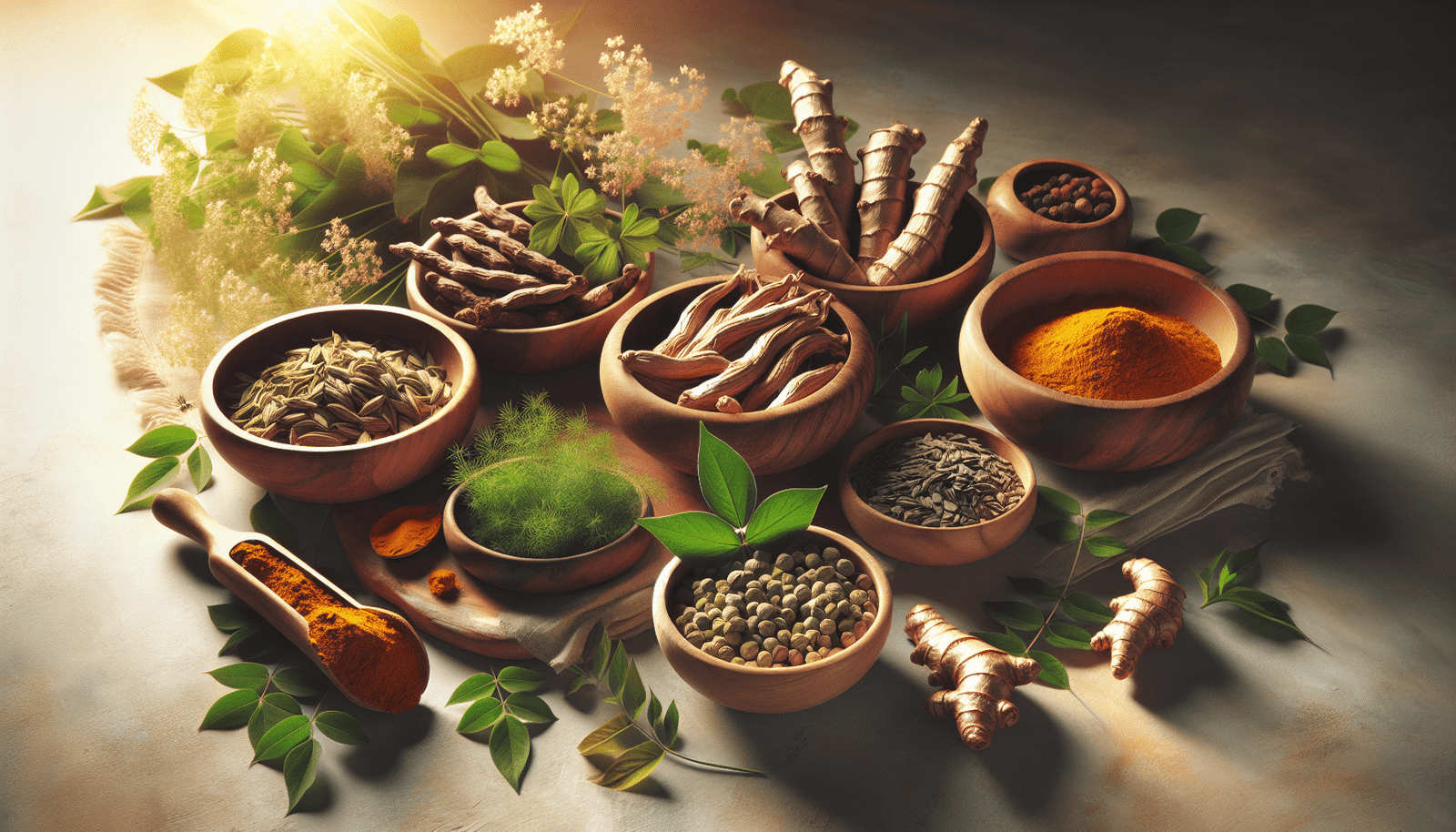
Herbal medicine in Ayurveda is a powerful tool for managing menopause symptoms. Here are some time-tested herbs:
-
Ashwagandha: Known as a powerful adaptogen, ashwagandha helps in reducing stress and anxiety, which can be heightened during this phase.
-
Shatavari: Often considered a women’s tonic, shatavari may help regulate hormonal fluctuations and support reproductive health.
-
Turmeric: It has anti-inflammatory properties and can help alleviate joint pain, which some women experience during menopause.
-
Ginger: Adding ginger to your foods or teas can help manage nausea and improve digestion, making it a wonderful addition to your daily routine.
-
Fenugreek Seeds: These seeds may help in managing hot flashes and can also support hormonal balance.
Lifestyle Changes: Finding Your Peace
In addition to diet and herbal remedies, lifestyle modifications can play a crucial role in easing menopause symptoms.
-
Gentle Exercise: Physical activity is essential not only for maintaining a healthy weight but also for reducing stress. Consider engaging in yoga or tai chi, both of which can help maintain balance and calm the mind.
-
Mindfulness Practices: Meditation and deep-breathing exercises can help you navigate the emotional rollercoaster that menopause may bring. These practices can promote emotional stability and overall well-being.
-
Sleep Hygiene: Sleep disturbances are common during menopause. Creating a relaxing bedtime routine and ensuring your sleeping environment is comfortable and quiet can help improve your sleep quality.
-
Social Connections: Having a support system is vital. Engage with friends, family, or support groups who share similar experiences. Sometimes, just knowing you are not alone can make all the difference.
Practical Tips for Daily Living
Sometimes, the most effective strategies come in simplified forms. Here are some practical tips for daily living post-menopause:
| Tip | Benefit |
|---|---|
| Maintain a Sleep Schedule | Helps regulate your body’s internal clock and improve sleep quality. |
| Limit Alcohol and Caffeine | These can aggravate hot flashes and sleep disturbances. |
| Practice Gratitude Journaling | Aids in maintaining a positive outlook and reduces stress. |
| Experiment with Aromatherapy | Calming scents like lavender and chamomile can soothe the mind. |
When to Seek Professional Guidance
While Ayurveda offers a wealth of natural remedies, every person’s experience during menopause is unique. It’s important to consult with an Ayurvedic practitioner or healthcare provider, especially if you’re considering significant changes to your diet or lifestyle. They can provide personalized guidance based on your dosha and individual symptoms.
Integrating Ayurveda with Conventional Treatment
Are you wondering if you can mix Ayurvedic practices with traditional menopause treatments? The answer is yes! Many women find a blended approach helpful. Before you start, maintaining communication with your healthcare provider ensures that all treatments work harmoniously together.
Emotional Well-Being: A Holistic Approach
Menopause isn’t just about physical changes; your emotional health can play a significant role in your overall experience. Embracing a holistic approach that includes mental wellness is crucial during this time.
Addressing Mood Swings and Anxiety
-
Mind-Body Connection: Engage in activities that foster a sense of harmony, such as yoga or art. Creativity can be a powerful outlet for expression and emotional processing.
-
Journaling: Write about your feelings, thoughts, and experiences. This reflection can provide clarity and promote emotional well-being.
-
Seek Professional Support: Don’t hesitate to reach out to a therapist or counselor who understands menopause. Talking through your feelings can bring so much relief.
The Outlook: Changing Your Perspective
As life transitions into a different phase, remember that menopause can be seen as a new beginning rather than an ending. Embracing this change with an open heart can lead you to new adventures, self-discovery, and empowerment.
The Power of Community
Share your journey with others. Engage with women going through similar experiences; they’ll provide insights that you may not have considered. Communities, whether online or offline, can be invaluable sources of support and knowledge.
Conclusion: Your Menopause Journey
Your journey through menopause is uniquely yours. It’s filled with ups and downs, but with the right perspective, you can navigate it with grace and strength. By integrating Ayurvedic principles into your life, you’re not just finding remedies; you’re investing in a holistic lifestyle change that respects your body’s rhythms.
Take your time in understanding what works best for you. Trust your instincts, be patient with yourself, and embrace this new chapter with curiosity and courage. You’re equipped with tools to make this journey a powerful and positive experience. You are worthy of feeling your best in every phase of life, and you can create a supportive environment that nurtures your well-being.