
Imagine finally being able to see clearly again after years of struggling with blurry vision. Cornea transplant surgery offers hope and a new lease on life for those suffering from various cornea-related conditions. This groundbreaking procedure involves replacing a damaged or diseased cornea with a healthy one, restoring vision and enhancing quality of life. From improving visual acuity to reducing pain and discomfort, there are numerous benefits associated with cornea transplant surgery. Discover how this transformative procedure can help you regain your sight and experience the world in all its vibrant glory once more.

Improved Vision
Cornea transplant surgery offers several benefits for improving your vision. By replacing a damaged or diseased cornea with a healthy one, the procedure can restore clear vision, correct astigmatism, and even treat corneal scars. Whether you suffer from blurred vision, distorted images, or other visual impairments, a cornea transplant can significantly improve the quality of your vision, allowing you to see the world more clearly.
Restoration of Clear Vision
One of the primary goals of cornea transplant surgery is to restore clear vision. If you have been experiencing blurred or hazy vision due to a damaged cornea, a transplant can dramatically improve your eyesight. By replacing the unhealthy cornea with a healthy one, the procedure can eliminate any obstacles that could be preventing light from entering your eye and properly focusing on the retina. As a result, you can experience a significant improvement in the sharpness and clarity of your vision.
Correction of Astigmatism
Astigmatism, a common refractive error that causes distorted or blurry vision, can also be corrected through cornea transplant surgery. By replacing the irregularly shaped cornea that causes astigmatism with a properly shaped one, the procedure can effectively correct the refractive error. This correction allows light to focus accurately on the retina, resulting in clearer, more focused vision. Say goodbye to squinting and struggling to see clearly – a cornea transplant can provide you with improved vision and a better quality of life.
Treatment of Corneal Scars
Corneal scars can cause significant visual impairments, such as blurriness or opacity in the affected area. Cornea transplant surgery can effectively treat corneal scars by replacing the scarred tissue with a healthy cornea. This transplantation allows light to pass through the cornea without obstruction, resulting in a reduction or elimination of the visual disturbances caused by the scar tissue. By opting for a cornea transplant, you can regain clear vision and improve the overall health of your eyes.
Relief from Eye Pain
If you are suffering from chronic eye pain, cornea transplant surgery can provide you with much-needed relief. The procedure offers several benefits in alleviating eye pain and discomfort, including a reduction in sensitivity to light and decreased overall discomfort in the eyes.
Alleviation of Chronic Eye Pain
Chronic eye pain can have a significant impact on your quality of life, making everyday activities challenging and causing constant discomfort. Cornea transplant surgery can help alleviate this pain by addressing the underlying condition causing it. Whether your eye pain is due to corneal damage or disease, a cornea transplant can provide relief by replacing the damaged or diseased cornea with a healthy one, thereby resolving the root cause of the pain.
Reduction of Sensitivity to Light
Excessive sensitivity to light, also known as photophobia, is a common symptom experienced by individuals with certain corneal conditions. Cornea transplant surgery can help reduce this sensitivity by replacing the affected cornea, which may be causing the heightened sensitivity. With a healthy cornea in place, your eyes can better tolerate light, allowing you to engage in daily activities without discomfort or the need for excessive light protection.
Decreased Discomfort in Eyes
Cornea transplant surgery can also significantly reduce overall discomfort in the eyes. Whether you are experiencing a constant itchiness, irritation, or a foreign body sensation, a cornea transplant can address these issues by replacing the damaged or diseased cornea. With a healthy cornea, you can enjoy a noticeable decrease in eye discomfort and improve your overall eye health and comfort.
Prevention of Blindness
Cornea transplant surgery plays a vital role in preventing complete loss of vision and protecting your eyes from further damage. By replacing a damaged or diseased cornea, the procedure can preserve and improve your existing vision, ultimately preventing blindness.
Prevention of Complete Loss of Vision
If left untreated, certain corneal conditions and diseases can lead to complete loss of vision. However, cornea transplant surgery offers a preventive measure by replacing the damaged or diseased cornea with a healthy one. This transplantation can halt the progression of the condition and effectively prevent the complete loss of vision, allowing you to maintain functional eyesight and continue to perform daily activities that rely on clear vision.
Protection from Further Damage
In addition to preventing complete loss of vision, cornea transplant surgery can protect your eyes from further damage. By addressing the underlying cause of the corneal condition, the procedure eliminates the source of potential harm to your eyes. With a healthy cornea in place, you can actively protect your eyes and reduce the risk of complications or additional damage, ultimately preserving your vision and eye health.
Preservation of Existing Vision
For individuals with partial vision impairment, a cornea transplant can offer a significant improvement in visual acuity and preserve their existing vision. By replacing the damaged cornea with a healthy one, the procedure can help restore clarity and sharpness to the vision, allowing you to maintain and enhance your quality of life. With a successful cornea transplant, you can continue to rely on your existing vision and perform daily activities with confidence and ease.
Enhanced Quality of Life
Cornea transplant surgery can have a transformative effect on your quality of life. By improving your vision and alleviating eye pain, the procedure enables you to resume daily activities, enhances social interaction, and increases your independence.
Ability to Resume Daily Activities
Vision problems and eye pain can significantly impact your ability to carry out everyday tasks. However, with an improved vision following a cornea transplant, you can regain the ability to perform daily activities with ease. Whether it’s reading, driving, or participating in hobbies, enhanced vision allows you to resume these activities and enjoy a more fulfilling and active lifestyle.
Improved Social Interaction
Visual impairments and eye pain can also affect your social interactions, making it challenging to communicate and interact with others effectively. By addressing and resolving these issues through cornea transplant surgery, you can enhance your social interactions. Improved vision and reduced eye pain enable you to participate more fully in conversations, enjoy gatherings, and maintain better eye contact, fostering stronger connections and relationships with those around you.
Increased Independence
When your vision is compromised or you experience chronic eye pain, your independence may be limited. Simple tasks, such as navigating unfamiliar environments, can become daunting. Cornea transplant surgery can restore your independence by improving your vision and alleviating eye pain. With better eyesight and reduced discomfort, you can regain the freedom to live your life on your terms, exploring and engaging with the world independently and confidently.

Treatment for Keratoconus
Keratoconus, a condition characterized by the thinning and bulging of the cornea, can significantly impact vision. Cornea transplant surgery offers an effective treatment option for individuals suffering from keratoconus, providing a solution for the irregular corneal shape and improving contact lens tolerance.
Correction of Irregular Corneal Shape
The irregular corneal shape caused by keratoconus can lead to distorted vision and reduced visual acuity. Cornea transplant surgery can correct this irregular shape by replacing the affected cornea with a healthy one. With a properly shaped cornea, your vision can become clearer and sharper, allowing you to see the world around you with improved visual acuity.
Improved Contact Lens Tolerance
Individuals with keratoconus often face difficulties in wearing contact lenses due to the irregular corneal shape. Cornea transplant surgery can significantly improve contact lens tolerance by providing a smoother and more regular corneal surface. With the transplantation of a healthy cornea, you may find it easier to wear contact lenses comfortably, granting you the freedom to choose the vision correction option that suits your lifestyle.
Correction of Cloudy Cornea
A cloudy cornea can severely impact vision and overall eye health. Fortunately, cornea transplant surgery offers a solution for restoring clarity to the cornea, allowing light to pass through unobstructed and enhancing your vision.
Restoration of Clarity to the Cornea
Cloudiness in the cornea can arise due to various factors, such as corneal edema or scarring. Cornea transplant surgery can effectively restore clarity to the cornea by replacing the cloudy cornea with a clear and healthy one. This replacement eliminates any obstructions in the visual pathway, allowing light to pass through unimpeded and significantly improving your vision. With a clear cornea, you can experience increased visual acuity and enjoy the beauty of the world unhindered.

Long-Term Results
Cornea transplant surgery offers long-lasting benefits, providing you with a durable solution and sustained improvement in your vision.
Durable Solution
A cornea transplant is a long-term, durable solution for many corneal conditions. By replacing the damaged or diseased cornea with a healthy one, the procedure addresses the underlying cause of visual impairments, offering a permanent solution to your vision problems. With proper post-operative care and regular follow-ups, a successful cornea transplant can provide you with a lifetime of improved vision and restored eye health.
Long-Lasting Improvement
The improvement in your vision following a cornea transplant is not temporary; it is a long-lasting change. With the transplanted healthy cornea, you can experience sustained improvement in visual acuity and overall eye health. As the transplanted cornea integrates into your eye, its benefits will continue to enhance your quality of life, allowing you to enjoy clear vision and better eye comfort for years to come.
Minimal Risk and High Success Rate
Cornea transplant surgery is a safe and effective procedure, with a low risk of complications and a high success rate. By choosing this surgical option, you can undergo the procedure with confidence, knowing that you are making a well-supported decision for your eye health.
Low Risk of Complications
Cornea transplant surgery is considered a low-risk procedure, with a minimal chance of complications. Advanced surgical techniques and technologies, along with experienced surgeons, ensure the surgical process is safe and efficient. Complications, such as infection, rejection, or graft failure, are rare but can be effectively managed and treated with prompt medical intervention. Rest assured that the benefits of cornea transplant surgery far outweigh the minimal risks associated with the procedure.
High Success Rate of Procedure
Cornea transplant surgery boasts a high success rate, offering patients optimal outcomes and vision improvement. With proper pre-operative evaluations and careful patient selection, surgeons can ensure favorable surgical results. Moreover, advancements in surgical techniques, including full-thickness and partial-thickness transplants, have further improved the success rate of cornea transplant surgery. By opting for this procedure, you can have confidence in the positive and lasting effects it will have on your vision and eye health.

Suitable for Various Corneal Conditions
Cornea transplant surgery is suitable for a wide range of corneal conditions, providing tailored solutions for different individuals and their specific needs. Whether you have advanced corneal disease requiring a full-thickness transplant or specific conditions that can benefit from partial-thickness transplants, this surgical procedure offers options to address your unique circumstances.
Full-Thickness Transplants for Advanced Corneal Disease
For individuals with advanced corneal disease, a full-thickness or penetrating keratoplasty can be performed. This procedure involves transplanting an entire cornea from a donor to replace the damaged or diseased cornea. Full-thickness transplants are suitable for conditions such as corneal scarring, keratoconus, or corneal dystrophies. By replacing the entire cornea, surgeons can effectively address these advanced corneal conditions, providing you with the best chance for visual improvement and overall eye health.
Partial-Thickness Transplants for Specific Conditions
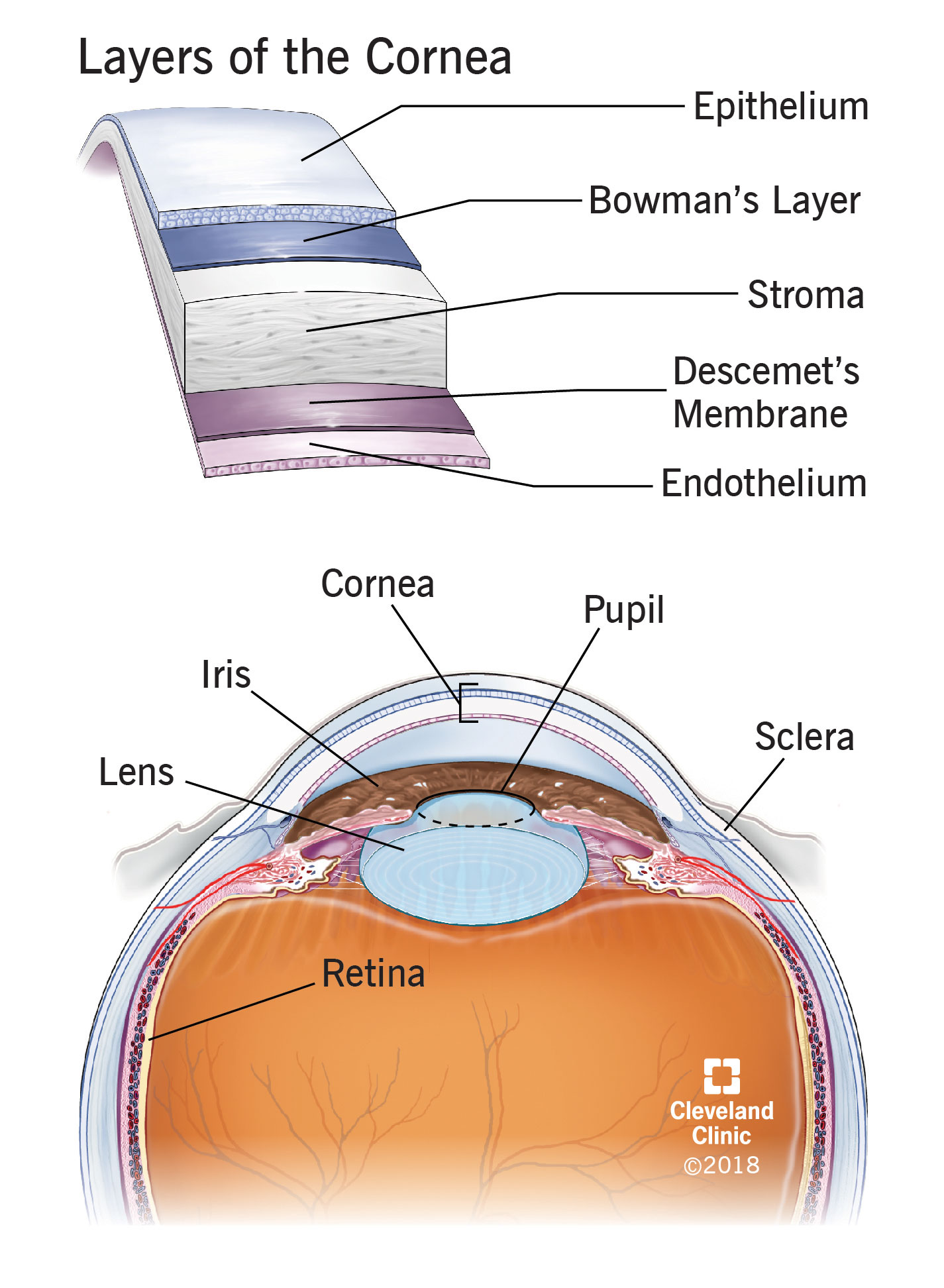
Partial-thickness cornea transplants, also known as endothelial keratoplasty (EK), are suitable for individuals with specific corneal conditions affecting only the innermost layer of the cornea. These conditions include Fuchs’ endothelial dystrophy or certain corneal swelling issues. Partial-thickness transplants offer faster recovery times and reduced risk of complications compared to full-thickness transplants. By targeting and replacing only the damaged or diseased layer, surgeons can efficiently address these conditions, allowing for a quicker visual recovery and improved eye health.
Overcoming Age-Related Vision Issues
As we age, vision problems may become more prevalent due to various factors. Cornea transplant surgery offers a potential solution for age-related vision issues, allowing individuals to maintain and improve their vision as they grow older.
Improvement in Vision for Aging Population
The aging process often brings about changes in vision, such as cataracts or corneal degeneration. Cornea transplant surgery can significantly improve vision for the aging population, providing effective treatments for these age-related vision issues. Whether it’s replacing a cloudy cornea or addressing specific conditions affecting the aging eyes, cornea transplant surgery offers hope for enhanced vision and improved quality of life in your golden years.