
Have you ever wondered how cornea transplantation works? In this informative article, we will take you through the step-by-step process of this remarkable procedure. From the initial evaluation to the surgical transplant and post-operative care, you will gain a better understanding of how cornea transplantation can restore vision and change lives. So, grab a seat and let’s explore the fascinating journey of cornea transplantation together!

Preparation for Cornea Transplantation
Patient Evaluation
Before undergoing a cornea transplant, thorough evaluation is necessary to determine the suitability of the surgery for the patient. During this evaluation, various tests and examinations will be conducted to assess the patient’s overall health, medical history, and eye condition. Factors such as corneal thickness, shape, and clarity will be assessed to create an effective surgical plan tailored to the patient’s specific needs.
Matching Donor Tissue
Finding a suitable donor cornea is a crucial step in the cornea transplantation process. Tissue matching is done to ensure compatibility between the donor and recipient. Factors such as blood type, tissue type, and size of the cornea are all taken into consideration. The cornea transplant team carefully evaluates available donor tissues from eye banks to find the best match for the recipient. This matching process significantly increases the chances of a successful transplantation.
Surgical Team Preparation
A successful cornea transplant requires a skilled surgical team prepared for the procedure. The team usually consists of an experienced ophthalmologist, nurses, and support staff trained in cornea transplantation. Each team member has specific responsibilities during the surgery, ensuring a coordinated and efficient operation. Prior to the surgery, the team prepares all the necessary instruments, sterilizes the surgical area, and reviews the patient’s medical history and surgical plan to ensure a smooth procedure.
Donor Selection and Tissue Retrieval
Donor Evaluation
Donor corneas undergo a thorough evaluation to ensure their suitability for transplantation. Similar to recipient evaluation, the donor evaluation determines the overall quality and health of the corneas. The evaluation includes various tests to assess the donor’s medical history, cause of death, eye health, and any potential risk factors that may affect the success of transplantation. Only corneas that meet strict criteria are selected for transplantation to maximize the chances of a successful outcome.
Tissue Recovery Process
Once a suitable donor is identified, the cornea recovery process begins. After the donor’s eyes are carefully prepared and cleaned, the corneas are retrieved using a specialized surgical technique. The entire process is performed by skilled surgeons adhering to strict sterile techniques to ensure the safety and quality of the recovered tissue. The recovered corneas are then promptly transported to the recipient’s medical facility for immediate transplantation.
Recipient Preparation
Patient Education
Proper patient education is essential to ensure that recipients fully understand the cornea transplantation process, potential risks, benefits, and postoperative care instructions. During this phase, the patient is educated about the surgical procedure itself, expected outcomes, and potential complications. Additionally, recipients are provided with information about the importance of compliance with postoperative care and medication regimen to ensure a successful recovery.
Medical History Assessment
Assessing the recipient’s medical history plays a crucial role in planning for a cornea transplant. This assessment involves a detailed review of the patient’s past and current medical conditions, medications, allergies, and previous eye surgeries. Understanding the patient’s medical history helps identify any potential risk factors that may affect the transplantation process or overall outcomes. The information gathered during this assessment guides the surgical team in tailoring the procedure to the individual recipient.
Preoperative Instructions
Before the cornea transplant surgery, recipients are provided with specific preoperative instructions to follow. These instructions may include guidelines on fasting, medication adjustments, and restrictions on certain activities. By adhering to these instructions, recipients can ensure optimal conditions for the surgery and minimize potential complications. Following preoperative instructions is crucial to achieve the best possible outcomes for cornea transplantation.
General Surgical Procedure
Patient Anesthesia
To ensure a pain-free and comfortable surgical experience, patients undergoing cornea transplantation receive anesthesia prior to the procedure. The type of anesthesia used depends on the patient’s condition and the surgeon’s preference. Local anesthesia, such as eye drops or injections, is commonly used to numb the eye and surrounding tissues. In some cases, general anesthesia may be administered for patients who require additional sedation during the procedure.
Surgical Incision
Once the anesthesia takes effect, the surgeon makes a small incision in the eye to gain access to the cornea. The incision is strategically placed to minimize scarring and optimize the visual outcome. Skilled surgeons carefully perform the incision, taking into account the unique characteristics of each patient’s eye, such as corneal thickness and shape. Precision and attention to detail during this step are crucial for a successful cornea transplant.
Removal of Diseased Cornea
After creating a suitable incision, the surgeon removes the diseased or damaged cornea from the recipient’s eye. This involves delicately detaching the cornea from its surrounding tissues while ensuring minimal trauma to the eye. Specialized surgical instruments and techniques are used to carefully remove the cornea while preserving the recipient’s other eye structures.
Donor Cornea Preparation
Simultaneously, the donor cornea that has been retrieved and transported from the eye bank is meticulously prepared for transplantation. Skilled technicians evaluate the donor cornea for quality and viability, ensuring it meets the necessary criteria for transplantation. Any remaining tissue or debris is cleared, and the cornea is trimmed and shaped to fit the recipient’s eye.
Suturing the Donor Cornea
With both the recipient’s eye prepared and the donor cornea ready, the surgeon gently positions the donor cornea onto the recipient’s eye. Using fine sutures, the cornea is securely attached to the recipient’s eye, allowing for proper healing and integration. Suturing techniques and materials are carefully chosen to maintain corneal alignment and minimize postoperative complications. The sutures will remain in place for a period of time determined by the surgeon.
Closing the Incision
After the donor cornea is securely sutured, the surgeon carefully closes the incision in the patient’s eye. Closure techniques may vary depending on the specific nature of the incision and patient’s condition. The incision is meticulously closed to promote proper wound healing and reduce the risk of infection or other complications. Attention to detail during this step ensures the success of the cornea transplant procedure.

Immediate Postoperative Care
Monitoring Vital Signs
After the cornea transplant surgery, close monitoring of vital signs is essential to ensure the recipient’s well-being. This includes regular measurements of blood pressure, heart rate, respiratory rate, and oxygen levels. Monitoring vital signs allows the medical team to promptly detect and address any potential complications during the immediate postoperative period.
Managing Discomfort
Patients may experience discomfort or mild pain following cornea transplantation. To alleviate these symptoms, appropriate pain management strategies are implemented. This may include the use of oral or topical analgesics, cold compresses, or other non-invasive measures to provide relief. The medical team closely assesses each patient’s pain level and adjusts the pain management plan accordingly to ensure maximum comfort.
Administering Medications
Following cornea transplantation, recipients are prescribed a specific regimen of medications to prevent infection, reduce inflammation, and promote healing. These medications may include antibiotic and steroid eye drops, along with oral medications if necessary. It is crucial for recipients to adhere to the prescribed medication schedule to minimize the risk of complications and promote successful recovery.
Eye Protection
To protect the newly transplanted cornea and facilitate proper healing, eye protection is essential during the immediate postoperative period. This may involve using an eye patch or protective shield to prevent accidental trauma or damage to the eye. Recipients are instructed to wear these protective measures as directed by the medical team and to avoid activities that may pose a risk to the eye until cleared by their ophthalmologist.
Recovery and Follow-up
Hospital Stay
The length of hospital stay following cornea transplantation varies depending on the individual patient’s progress and surgical factors. Some patients may be discharged within a few hours of surgery, while others may require a short overnight stay for close monitoring. Throughout the hospital stay, the medical team closely monitors the recipient’s condition, administers necessary medications, and provides guidance on postoperative care.
Postoperative Instructions
Upon discharge, recipients receive detailed postoperative instructions to follow during the recovery period. These instructions typically include guidelines on proper hygiene, medication administration, and precautions to minimize potential complications. It is crucial for recipients to adhere to these instructions, attend scheduled follow-up appointments, and report any concerning symptoms or changes in their condition.
Medication Regimen
Following cornea transplantation, recipients are typically prescribed a regimen of medications to be taken at specific intervals. These medications may include eye drops, oral medications, or both, depending on the specific needs of the recipient. Adherence to the prescribed medication regimen is crucial for preventing infection, reducing inflammation, and ensuring successful recovery. Recipients should follow their medication schedule as directed and consult their healthcare provider with any questions or concerns.
Monitoring Progress
Regular monitoring of the recipient’s progress is essential to ensure the success of the cornea transplantation. This includes regular follow-up visits to the ophthalmologist, where the surgeon examines the transplanted cornea, assesses its healing, and monitors any potential complications. Diagnostic tests and imaging may be performed to evaluate the function and clarity of the transplanted cornea. Monitoring progress allows the medical team to identify and address any issues that may arise during the recovery process.
Follow-up Appointments
Following cornea transplantation, recipients are typically scheduled for a series of follow-up appointments to monitor their progress and address any concerns. These appointments allow the medical team to assess the overall success of the transplantation, monitor the patient’s healing process, and make any necessary adjustments to the postoperative care plan. Regular follow-up visits are essential for achieving the best possible outcome and maintaining the long-term health of the transplanted cornea.

Potential Complications and Risks
Graft Rejection
Despite careful matching and surgical techniques, there is a risk of graft rejection following cornea transplantation. Graft rejection occurs when the recipient’s immune system recognizes the transplanted cornea as foreign and mounts an immune response against it. Symptoms of graft rejection may include redness, pain, decreased vision, and increased sensitivity to light. Early detection and prompt treatment are crucial to minimize the risk of irreversible damage.
Infection
Infection is a potential complication that can occur after cornea transplantation. The risk of infection is mitigated through proper surgical techniques, appropriate preoperative disinfection, and postoperative antibiotic prophylaxis. However, it is important for recipients to carefully follow hygiene instructions, administer prescribed medications, and promptly report any signs of infection, such as increased redness, swelling, or discharge from the eye.
Intraoperative Complications
During cornea transplantation, there is a slight risk of intraoperative complications. These may include damage to the surrounding structures, bleeding, or difficulty suturing the donor cornea. Skilled surgeons take necessary precautions and utilize their expertise to minimize the occurrence of such complications. However, unforeseen circumstances can arise, highlighting the importance of having experienced surgical teams and proper contingency plans in place to address any complications that may arise.
Postoperative Complications
Following cornea transplantation, various postoperative complications may occur. Some of these complications include corneal graft failure, increased intraocular pressure, astigmatism, or delayed wound healing. Regular monitoring and follow-up appointments allow the medical team to identify and address any complications that may develop. Prompt intervention and appropriate management strategies can often minimize the impact of these complications and optimize the patient’s visual outcome.
Alternative and Complementary Treatments
Corneal Collagen Cross-Linking
Corneal collagen cross-linking is a non-surgical technique designed to strengthen the cornea and stabilize its structural integrity. This treatment is primarily used for certain conditions, such as keratoconus, where the cornea becomes weak and thin. During the procedure, a special UV light and riboflavin eye drops are used to induce the cross-linking of collagen fibers within the cornea, thereby preventing further progression of the condition. Corneal collagen cross-linking can be used as a standalone treatment or in combination with cornea transplantation, depending on the specific needs of the patient.
Limbal Stem Cell Transplantation
In cases where the corneal surface is severely damaged due to ocular surface diseases, limbal stem cell transplantation may be considered. This procedure aims to restore the function of the limbus, a specialized area responsible for generating healthy corneal cells. By transplanting healthy limbal stem cells from a compatible donor or the patient’s own healthy eye, the regrowth of corneal epithelial cells is promoted, leading to improved vision and corneal health.
Artificial Cornea Implantation
In situations where traditional cornea transplantation is not suitable or has failed, artificial cornea implantation may be an alternative treatment option. Also known as keratoprosthesis, this procedure involves the implantation of a synthetic cornea to replace the damaged or diseased natural cornea. Artificial cornea implantation is a complex and highly specialized procedure that requires careful patient selection and expertise in surgical techniques. While it may be a viable option for certain patients, it is considered a last resort due to the technical challenges and potential complications associated with the procedure.

Importance of Cornea Donation
Increasing Global Demand
The demand for cornea transplantation continues to rise worldwide, driven by various factors such as an aging population, increasing prevalence of corneal diseases, and trauma-related injuries. Unfortunately, the supply of corneas for transplantation does not meet this growing demand. It is estimated that millions of individuals worldwide suffer from corneal blindness, highlighting the urgent need for cornea donation and transplantation to restore vision and improve quality of life.
Benefits to Recipients
Cornea transplantation can significantly improve the quality of life for recipients suffering from corneal diseases or injuries. Restoring vision not only enhances the individual’s ability to perform daily activities, but also positively impacts their social interactions, self-confidence, and independence. Cornea transplantation has a high success rate with favorable outcomes, making it a life-changing procedure for recipients who have been living with visual impairment.
How to Become a Donor
Becoming a cornea donor is a selfless act that can provide the gift of sight to others in need. Individuals interested in becoming cornea donors should express their wishes to their loved ones and formally register as an organ donor through their local organ procurement organization. It is important to communicate your donation intentions to ensure that your wishes are upheld and that the opportunity for cornea transplantation is maximized.
Advancements in Cornea Transplantation
Selective Tissue Harvesting
Advancements in cornea transplantation techniques have led to the development of selective tissue harvesting methods. This approach involves selecting specific layers of the donor cornea that are affected by pathological conditions, while leaving healthy portions intact. By selectively utilizing only the affected tissues, surgeons can enhance the chances of successful graft integration, reduce the risk of rejection, and achieve favorable visual outcomes.
Descemet’s Stripping Automatized Endothelial Keratoplasty
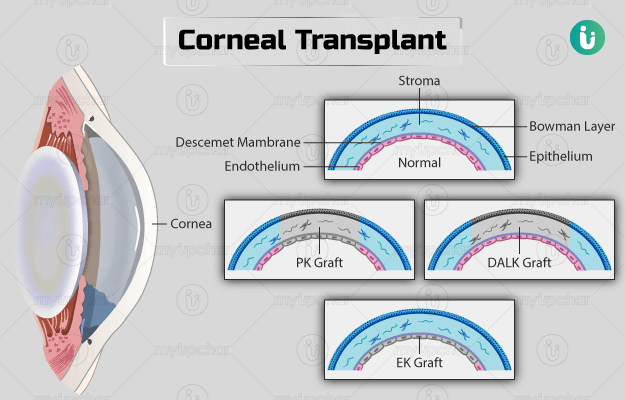
Descemet’s Stripping Automatized Endothelial Keratoplasty (DSAEK) is a modern surgical technique used in cornea transplantation. This procedure involves replacing only the endothelial layer of the cornea with a thin, donor tissue graft. Compared to traditional full-thickness cornea transplantations, DSAEK offers numerous advantages, including faster recovery times, reduced risk of astigmatism, and improved visual outcomes. DSAEK has become a preferred technique for selected patients, allowing them to regain visual function with minimal surgical invasiveness.
DMEK vs. DSAEK Technique Comparison
In recent years, Descemet Membrane Endothelial Keratoplasty (DMEK) has emerged as an alternative to DSAEK for specific cases of corneal endothelial dysfunction. DMEK offers the advantages of a thinner graft, resulting in improved visual outcomes and faster visual recovery compared to DSAEK. However, DMEK is technically challenging to perform and requires a high level of expertise. The decision to use DMEK or DSAEK depends on the individual patient’s condition and the surgeon’s preference, aiming to achieve the best possible results for each recipient.
Cornea transplantation is a remarkable surgical procedure that has the power to restore vision and transform lives. With careful patient evaluation, meticulous donor tissue selection, and skilled surgical techniques, cornea transplantation has become a highly successful procedure with favorable outcomes for recipients. Ongoing advancements in technology and surgical methods continue to refine the process, offering improved visual outcomes and faster recovery times. By raising awareness about the importance of cornea donation and promoting the benefits of transplantation, we can make a significant impact in the lives of those suffering from corneal diseases and injuries.