
You may have experienced the discomfort and irritation that comes with having dry skin. It can be a daily struggle to find the right moisturizer that provides the much-needed hydration without feeling heavy or greasy on your skin. In this article, we will explore some of the best moisturizers specifically formulated to combat dry skin. From lightweight lotions to nourishing creams, we’ve got you covered with a range of options that will leave your skin feeling quenched and supple. Say goodbye to dryness and hello to a radiant, moisturized complexion!
What Causes Dry Skin?
Dry skin occurs when your skin lacks sufficient moisture and oil. There are several factors that can contribute to dry skin, including environmental factors, genetics, aging, and certain medical conditions.
Exposure to harsh weather conditions, such as cold winds and low humidity, can strip the natural oils from your skin, leaving it dry and dehydrated. In addition, hot showers, excessive bathing, and the use of harsh soaps and cleansers can also lead to dry skin.
Certain individuals are more prone to dry skin due to their genetic makeup. If your parents or close relatives have dry skin, there is a higher likelihood that you may also experience this condition.
As we age, our skin tends to produce less oil, resulting in dryness. This is especially common among older individuals. Furthermore, hormonal changes, such as those that occur during menopause, can further exacerbate dry skin.
Certain medical conditions, such as eczema, psoriasis, and hypothyroidism, can also cause dry skin. If you suspect that a medical condition may be contributing to your dry skin, it is important to consult with a healthcare professional for appropriate diagnosis and treatment.
Identifying Dry Skin
Identifying dry skin is relatively easy, as it presents with distinct characteristics. Dry skin often feels tight, rough, and uncomfortable. It may appear dull, flaky, and may even have visible cracks or fine lines.
When you lightly scratch your skin, dry areas may turn white or appear ashy. Additionally, dry skin is more prone to irritation and can be sensitive to certain skincare products.
To determine if you have dry skin, you can perform a simple test known as the “pinch test.” Pinch a small area of skin and hold it for a few seconds. If the skin takes longer to return to its normal position or if it stays elevated, it is a sign of dry skin.
Importance of Moisturizing
Moisturizing is essential for maintaining healthy, hydrated skin. It helps to restore and lock in moisture, preventing dryness and improving the overall texture and appearance of your skin.
When you moisturize, you create a barrier on the surface of your skin that traps moisture and prevents water loss. This barrier also helps to protect your skin from environmental aggressors, such as pollution and harsh weather conditions.
Regular moisturizing can help soothe dry, itchy skin and reduce the risk of developing more severe skin conditions, such as eczema or dermatitis. It also plays a crucial role in preventing premature aging by keeping your skin plump and supple.
Choosing the Right Moisturizer
With numerous moisturizers available on the market, choosing the right one for your dry skin can be overwhelming. Here are some key factors to consider when selecting a moisturizer:
1. Understanding Different Types of Moisturizers
There are several types of moisturizers available, each with its own unique properties and textures. Understanding the differences can help you choose the best product for your specific needs.
Creams:
Creams are a popular choice for individuals with dry skin as they have a thicker consistency and provide intense hydration. They are typically oil-based and create a protective barrier on the skin to lock in moisture. Creams work well for both the face and body, especially during colder months when skin tends to be drier.
Lotions:
Lotions have a lighter consistency compared to creams and are often preferred for daily use on the body. They are water-based and absorb quickly into the skin, providing lightweight hydration. Lotions are ideal for individuals with dry skin that is not excessively parched and can be used year-round.
Ointments:
Ointments are the heaviest and most occlusive type of moisturizer. They contain a high concentration of oil and are particularly effective for extremely dry and damaged skin. Ointments create a thick barrier on the skin surface, preventing moisture loss and aiding in the healing process. They are commonly used on areas with intense dryness, such as elbows, knees, and cracked heels.
Gels:
Gels are lightweight and water-based, making them an excellent choice for individuals with oily or combination skin that also experience dryness. They provide instant hydration without leaving a greasy residue and are quickly absorbed by the skin. Gels can be particularly refreshing during hot and humid weather.
2. Key Ingredients to Look for
When choosing a moisturizer for dry skin, it is important to check the label for key ingredients that can help nourish and replenish moisture. Here are some ingredients to look for:
Hyaluronic Acid:
Hyaluronic acid is a powerful humectant that attracts and retains moisture in the skin. It helps to hydrate and plump the skin, reducing the appearance of fine lines and wrinkles. Hyaluronic acid is suitable for all skin types, including dry and sensitive skin.
Ceramides:
Ceramides are natural lipids that help maintain the skin’s barrier and prevent moisture loss. They strengthen the skin’s protective barrier, making it more resilient and less prone to dryness and irritation.
Glycerin:
Glycerin is a humectant that draws moisture from the environment into the skin. It helps to keep the skin hydrated and improves its elasticity. Glycerin is a common ingredient in moisturizers and is suitable for all skin types.
Occlusives:
Occlusives, such as petrolatum and lanolin, create a physical barrier on the skin surface that prevents water loss. They are particularly effective in sealing in moisture and protecting the skin against harsh weather conditions.
3. Considering Your Skin Type
To ensure the best results, it is essential to choose a moisturizer that is specifically formulated for your skin type. Here are some considerations based on different skin types:
Normal:
If you have normal skin that is neither excessively dry nor oily, you can opt for a moisturizer that provides balanced hydration without feeling heavy or greasy. Look for a lightweight lotion or cream that nourishes the skin without clogging pores.
Oily:
For oily skin with dry patches, it’s important to choose a moisturizer that is oil-free and lightweight. Look for products that are labeled “non-comedogenic” to avoid clogging pores. Gel or lotion formulations are usually a good choice for oily skin types.
Combination:
Combination skin requires a moisturizer that can balance hydration levels in different areas of the face. Choose a moisturizer that is lightweight and oil-free, focusing more on the drier areas. Gel or lotion formulations work well for combination skin.
Sensitive:
If you have sensitive skin, it is essential to select a moisturizer that is fragrance-free and formulated with gentle ingredients. Look for products specifically designed for sensitive skin types, as they are less likely to cause irritation or allergic reactions.
4. Evaluating the Texture and Consistency
The texture and consistency of a moisturizer can affect how it feels on your skin and how well it absorbs. Here are some factors to consider when evaluating the texture and consistency:
Thick vs. Thin:
Thick moisturizers, such as creams and ointments, provide intense hydration and are suitable for extremely dry skin. They may take longer to absorb but create a more protective barrier on the skin. Thin moisturizers, such as lotions and gels, are lightweight and absorb quickly, making them ideal for daily use and for individuals with less severe dryness.
Heavy vs. Lightweight:
Heavy moisturizers, such as ointments, can feel greasy and may be more suitable for nighttime use or specific areas of the body that require intensive hydration. Lightweight moisturizers, such as lotions and gels, are easily absorbed and are ideal for daytime use under makeup.
5. Additional Features and Benefits
Aside from providing hydration, some moisturizers offer additional features and benefits. Consider your specific needs when choosing a moisturizer with additional features:
Sun Protection:
If you spend time outdoors, it is essential to choose a moisturizer with added sunscreen protection. Look for moisturizers with an SPF of at least 30, as this can help prevent sun damage and premature aging.
Anti-Aging Properties:
Some moisturizers are formulated with ingredients that target signs of aging, such as fine lines and wrinkles. Look for products that contain antioxidants, retinol, or peptides to help improve the elasticity and firmness of your skin.
Fragrance-Free:
If you have sensitive skin, fragrance-free moisturizers are a safer choice. Fragrances can potentially irritate the skin and cause allergic reactions in some individuals. Opting for fragrance-free products can help minimize these risks.
Non-Comedogenic:
For individuals prone to acne or clogged pores, non-comedogenic moisturizers are recommended. These products are specifically designed not to clog pores, reducing the likelihood of breakouts.
Top 10 Moisturizers for Dry Skin
- CeraVe Moisturizing Cream
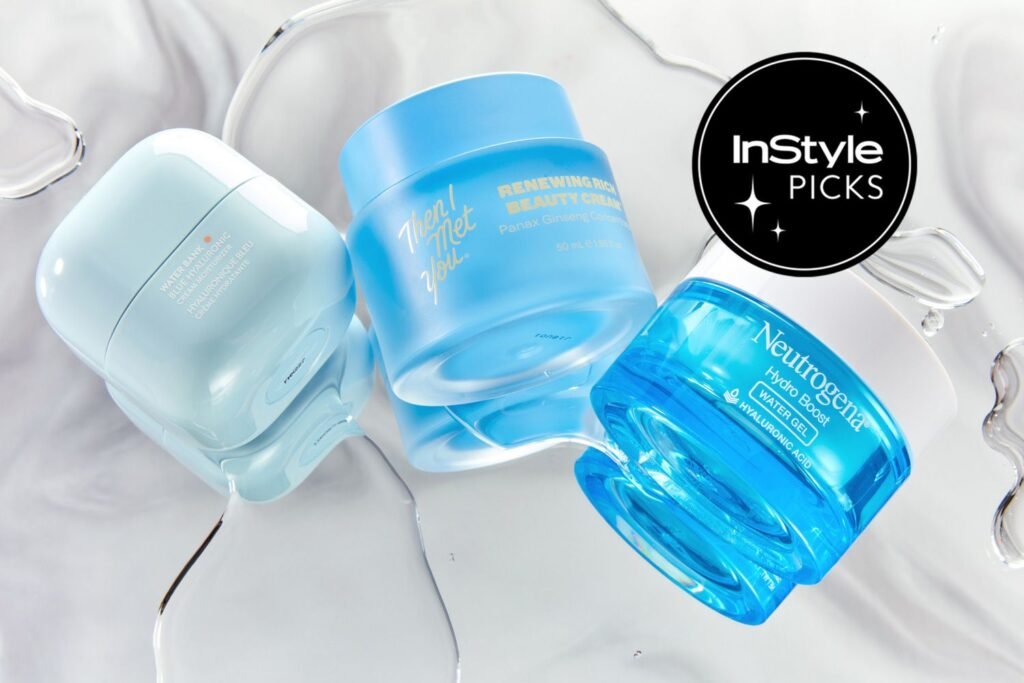
- Neutrogena Hydro Boost Gel-Cream
- La Roche-Posay Lipikar Balm AP+
- Aveeno Daily Moisturizing Lotion
- Eucerin Original Healing Cream
- Clinique Dramatically Different Moisturizing Lotion+
- Olay Regenerist Micro-Sculpting Cream
- The Ordinary Natural Moisturizing Factors + HA
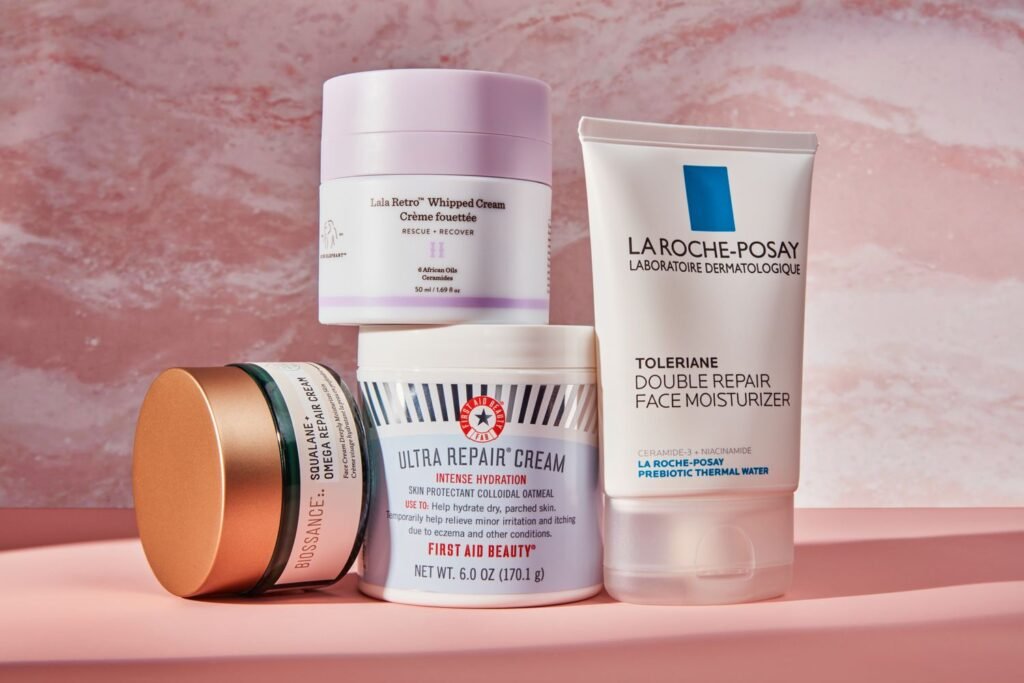
- First Aid Beauty Ultra Repair Cream
- Kiehl’s Ultra Facial Cream
These are just a few examples of highly recommended moisturizers for dry skin. Remember to consider your specific needs, preferences, and skin type when selecting the best moisturizer for you.
In conclusion, dry skin can be caused by a variety of factors, ranging from environmental influences to genetics and aging. Regular moisturizing is vital for maintaining healthy, hydrated skin. When choosing a moisturizer, understanding different types, key ingredients, and your specific skin type is crucial. Additionally, evaluating the texture, considering additional features, and reading product reviews can help you find the perfect moisturizer for your dry skin. With the right moisturizer, you can achieve nourished, supple skin and say goodbye to dryness and discomfort.