
Dry skin can be a pesky problem that leaves you feeling uncomfortable and self-conscious. But fret not, because there’s a natural remedy that can come to your rescue! In this article, discover the secret to banishing dry skin and restoring your skin’s natural moisture. Say goodbye to flakiness and hello to a hydrated and glowing complexion with this simple and effective solution. Don’t let dry skin dampen your confidence any longer – relief is just a read away.
Causes of Dry Skin
Environmental factors
Dry skin can be caused by various environmental factors. Exposure to hot and cold weather conditions, especially with low humidity levels, can strip the skin of its natural moisture and lead to dryness. Taking long, hot showers or baths can also contribute to dry skin as the hot water can remove the skin’s natural oils. Additionally, spending time in air-conditioned or heated environments can dehydrate the skin and exacerbate dryness.
Genetics
Genetics can play a role in determining the natural moisture level of your skin. Some individuals may be genetically predisposed to having drier skin, making them more prone to experiencing dryness and flakiness. If dry skin is a common trait in your family, it’s important to be diligent in caring for your skin to maintain its hydration.
Age
As we age, our skin undergoes changes that can contribute to dryness. The skin’s ability to produce and retain moisture decreases, which can result in dry and dull-looking skin. Additionally, the natural renewal process of the skin slows down, leading to a buildup of dead skin cells that can further exacerbate dryness. It is crucial to adjust your skincare routine as you age to combat these changes and keep your skin hydrated.
Skin conditions
Certain skin conditions can cause or contribute to dry skin. Conditions like eczema, psoriasis, and dermatitis can disrupt the skin’s moisture barrier, leading to dryness, itching, and inflammation. If you suspect that a skin condition may be causing your dry skin, it is important to consult with a dermatologist for a proper diagnosis and treatment plan.
Identifying Dry Skin
Symptoms
Recognizing the symptoms of dry skin is essential in identifying and addressing the issue. Common symptoms of dry skin include tightness or a feeling of discomfort after cleansing, rough texture, flakiness, and occasional itchiness. If your skin feels parched and lacks a healthy glow, it is likely that you are experiencing dryness.
Skin types
Understanding your skin type can help determine the underlying causes of dry skin and inform your skincare routine. Dry skin is typically characterized by small pores, a dull complexion, and a lack of oiliness or sheen. It is important to note that other skin types, such as combination or oily skin, can also experience temporary dryness due to various factors.
Commonly affected areas
Dry skin can affect different areas of the body, but there are certain areas that are more prone to dryness. The hands, feet, elbows, and knees are particularly susceptible to dryness as they have fewer oil glands compared to other parts of the body. Additionally, the face, especially the cheeks, can commonly experience dryness, especially during harsh weather conditions or with improper skincare routines.
Daily Skincare Routine
Cleansing
Choosing the right cleanser is crucial in preventing dryness. Opt for gentle, hydrating cleansers that do not strip the skin of its natural oils. Avoid harsh soaps and cleansers that contain sulfates, as they can be drying. When cleansing, use lukewarm water instead of hot water and pat your skin dry gently with a soft towel.
Exfoliating
Regular exfoliation is important to remove dead skin cells and promote a healthy, glowing complexion. However, it is crucial to choose gentle exfoliants that do not cause further dryness or irritation. Look for chemical exfoliants with ingredients like alpha-hydroxy acids (AHAs) or beta-hydroxy acids (BHAs), as they gently slough off dead skin cells without stripping the skin.
Moisturizing
Moisturizing should be an essential step in your daily skincare routine, especially if you have dry skin. Choose a moisturizer that is specifically formulated for dry skin and contains hydrating ingredients such as hyaluronic acid, glycerin, or ceramides. Apply moisturizer to slightly damp skin to lock in moisture and reapply throughout the day, if necessary.
Protecting
Protecting your skin from external aggressors is crucial in maintaining its moisture. Apply a broad-spectrum sunscreen with at least SPF 30 every day, even on cloudy days, to protect your skin from harmful UV rays. Additionally, during harsh weather conditions, such as cold winds or extreme heat, consider wearing protective clothing, such as hats, scarves, and gloves, to shield your skin from drying elements.
Natural Remedies for Dry Skin
Coconut Oil
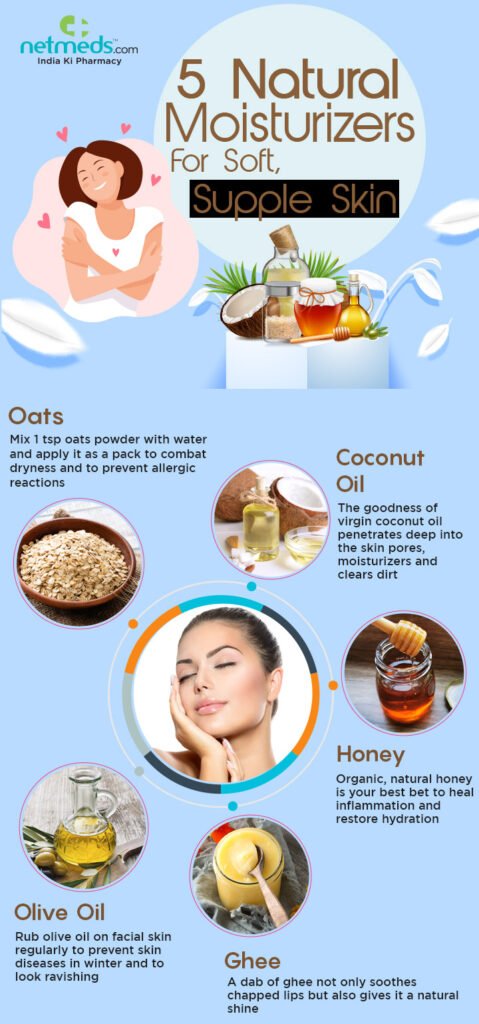
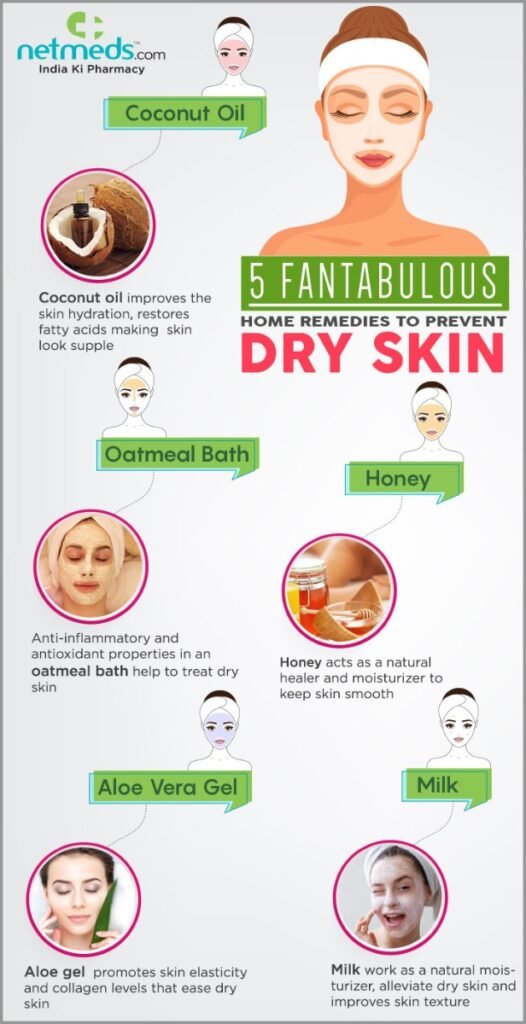
Coconut oil is a popular natural remedy for dry skin due to its moisturizing properties. It helps strengthen the skin’s natural barrier and lock-in moisture. Apply a small amount of coconut oil to your skin after showering or bathing, focusing on dry areas. It is important to note that coconut oil may not be suitable for everyone, particularly those with acne-prone or sensitive skin, so patch test before applying it to your entire face or body.
Olive Oil
Similar to coconut oil, olive oil is a natural emollient that can help moisturize and soothe dry skin. Massage a small amount of olive oil onto your skin and let it absorb for a few minutes before rinsing it off. Alternatively, you can mix a few drops of olive oil with your favorite moisturizer for an added boost of hydration.
Honey
Honey is known for its humectant properties, making it an excellent natural moisturizer for dry skin. Create a DIY honey mask by applying a thin layer of raw honey onto clean, damp skin and leaving it on for 15-20 minutes before rinsing off. Honey also has antibacterial properties that can help combat any potential skin infections or irritations.
Aloe Vera
Aloe vera gel is renowned for its soothing and hydrating properties, making it a popular ingredient in many skincare products. Extract fresh aloe vera gel from the plant and apply it directly to your skin, or look for skincare products that contain aloe vera as an ingredient. Aloe vera can help reduce inflammation and replenish moisture levels in the skin.
Jojoba Oil
Jojoba oil closely resembles the skin’s natural sebum, making it an excellent natural moisturizer for dry skin. Apply a few drops of jojoba oil to your face or body and gently massage it in. Jojoba oil is non-comedogenic, which means it won’t clog your pores, making it suitable for all skin types, including acne-prone skin.

Home Remedies for Dry Skin
Milk Bath
A milk bath can help soothe and moisturize dry skin. Add a few cups of whole milk or powdered milk to warm bathwater and soak in it for 15-20 minutes. The natural fats and proteins in milk help hydrate and soften the skin, leaving it feeling nourished and refreshed.
Oatmeal Mask
Oatmeal is known for its soothing and anti-inflammatory properties, making it an excellent home remedy for dry and irritated skin. Mix ground oats with warm water to create a paste and apply it to your skin. Leave the oatmeal mask on for 10-15 minutes before rinsing off with lukewarm water. This mask can help relieve itching and replenish moisture.
Yogurt Pack
Yogurt contains lactic acid that can gently exfoliate the skin and promote a more youthful complexion. Mix plain yogurt with a teaspoon of honey and apply the mixture to your face. Leave it on for 15-20 minutes before rinsing off. Yogurt can help remove dead skin cells and nourish the skin, leaving it soft and supple.
Avocado Mask
Avocado is rich in healthy fats, vitamins, and antioxidants that can nourish and hydrate dry skin. Mash half of a ripe avocado and mix it with a teaspoon of honey. Apply the avocado mask to your face and leave it on for 15-20 minutes before rinsing off. Avocado can help replenish moisture and improve the overall health and appearance of your skin.
Diet and Hydration
Importance of Water
Staying hydrated is crucial for maintaining healthy and hydrated skin. Drink an adequate amount of water throughout the day to help flush out toxins and keep your skin hydrated from within. Aim to drink at least 8 glasses (64 ounces) of water per day, and increase your intake if you engage in strenuous activities or live in a dry climate.
Foods for Hydration
Incorporating foods with high water content into your diet can also contribute to skin hydration. Fruits and vegetables such as watermelon, cucumber, oranges, and strawberries are excellent choices as they not only provide hydration but also contain essential vitamins and antioxidants that support skin health.
Vitamins and Nutrients for Skin Health
Certain vitamins and nutrients are essential for maintaining healthy skin. Vitamin E, found in foods like almonds, spinach, and avocados, promotes skin hydration and protects against oxidative damage. Omega-3 fatty acids, found in fatty fish, walnuts, and chia seeds, can help reduce inflammation and keep the skin moisturized. Additionally, foods rich in vitamin C, such as citrus fruits and bell peppers, can boost collagen production and improve skin elasticity.

Avoiding Harsh Products
Artificial Fragrances
Artificial fragrances, commonly found in skincare and cosmetic products, can be irritating and drying to the skin. Opt for fragrance-free or natural fragrance products to minimize the risk of skin reactions or dryness. Look for products labeled as “unscented” rather than “fragrance-free” as “unscented” indicates the absence of added fragrance.
Alcohol-Based Products
Products that contain high amounts of alcohol can strip the skin of its natural oils and disrupt its moisture balance. Avoid using toners, cleansers, or other skincare products that contain alcohol, especially if you have dry or sensitive skin. Instead, opt for alcohol-free alternatives that are gentler and less likely to cause dryness.
Chemical Exfoliators
While exfoliation is beneficial for promoting healthy skin turnover, certain chemical exfoliators can be too harsh and lead to dryness. Avoid using exfoliating products that contain strong acids, such as glycolic acid or salicylic acid, if you have dry or sensitive skin. Instead, opt for gentler exfoliators like enzyme-based or mild physical exfoliants.
Humidifiers and Humidity
Benefits of Humidifiers
Using a humidifier in your home or workplace can significantly improve the moisture levels in the air, benefiting your skin. Humidifiers add moisture to the environment, preventing the air from becoming too dry, which can dehydrate your skin. Sleeping with a humidifier in your bedroom can help combat dryness, especially during the winter months when indoor heating can cause dry air.
Optimal Humidity Levels
The ideal humidity level for your skin is between 40% to 60%. Maintaining this range can help prevent your skin from drying out. Use a hygrometer to measure the humidity levels in your home and adjust your humidifier settings accordingly.
Using Natural Humidifiers
If you don’t have a humidifier, there are natural ways to increase humidity in your surroundings. Placing bowls of water near radiators or vents can help add moisture to the air. You can also create a DIY humidifier by hanging damp towels or using a spray bottle to mist water in the air. These methods may not be as effective as using a dedicated humidifier, but they can provide some relief for your skin.

Protecting Your Skin
Sun Protection
Protecting your skin from the harmful effects of the sun is crucial in maintaining its health and preventing dryness. Always apply a broad-spectrum sunscreen with at least SPF 30 to all exposed areas of your skin, even on cloudy or overcast days. Reapply sunscreen every two hours, or more frequently if you are sweating or swimming. Wearing protective clothing, such as hats and sunglasses, can also provide additional defense against the sun’s damaging rays.
Cold Weather Tips
Cold weather can be harsh on the skin, particularly for those with dry skin. To protect your skin during the winter months, bundle up with warm clothing, including gloves, scarves, and hats, to shield your skin from cold winds. Opt for thicker moisturizers during this time to provide an extra layer of protection against the elements. Avoid overheating your indoor spaces, as excessive heat can further dry out your skin.
Avoiding Hot Water
While a hot shower or bath may be tempting, prolonged exposure to hot water can strip the skin of its natural oils and lead to dryness. Instead, opt for lukewarm water and limit your time in the shower or bath to 10-15 minutes. Afterward, pat your skin dry with a soft towel and immediately apply a moisturizer to seal in the moisture.
Consulting a Dermatologist
When to Seek Professional Help
If you have tried various home remedies and over-the-counter products, but your dry skin persists or worsens, it may be time to consult a dermatologist. A dermatologist can evaluate your skin condition, determine the underlying cause of your dryness, and provide personalized treatment recommendations.
Medical Treatments
Dermatologists may recommend medical treatments to alleviate dry skin, depending on the severity and underlying cause. These treatments can include prescription-strength moisturizers, topical corticosteroids to reduce inflammation, or oral medications to manage skin conditions that contribute to dryness.
Prescription Skincare Products
In some cases, dermatologists may prescribe specialized skincare products to address dry skin concerns. These prescription products may contain higher concentrations of active ingredients or specific formulations tailored to your skin’s needs. It is important to follow your dermatologist’s instructions and use these products as directed to achieve the best results.
In conclusion, dry skin can be caused by various factors, including environmental conditions, genetics, age, and underlying skin conditions. Recognizing the symptoms of dry skin and understanding your skin type is essential in identifying and addressing the issue. Establishing a daily skincare routine that includes gentle cleansing, regular exfoliation, moisturizing, and sun protection can help alleviate dryness. Natural remedies, home remedies, and paying attention to your diet and hydration can also contribute to healthier, more hydrated skin. Avoiding harsh products, using humidifiers, and protecting your skin from the sun and harsh weather are important preventative measures. If your dry skin persists or worsens, consulting a dermatologist for professional guidance and treatment options is recommended. With the right care and attention, you can achieve healthier, more hydrated skin.
Related Terms About Natural Remedy For Dry Skin.
Home Remedies For Dry Cracked Skin On Feet, Home Remedies For Dry Cracked Skin On Hands, Home Remedies For Dry Elbow Skin, Home Remedies For Dry Eyelid Skin, Home Remedies For Dry Red Skin, Home Remedies For Dry Skin Behind Ear, Home Remedies For Dry Skin Callus, Home Remedies For Dry Skin Care In Winter, Home Remedies For Dry Skin Cheeks, Home Remedies For Dry Skin On Face With Honey, Home Remedies For Dry Skin Tightening, Home Remedies For Dry Skin Toes