
In this article, you will discover the best practices for nursing considerations in managing precancerous skin lesions and skin cancer. We will explore the key nursing considerations and management strategies that can help nurses effectively support patients with these conditions. By understanding the importance of early detection, education, and patient advocacy, you will gain valuable insights into providing optimal care for individuals with precancerous skin lesions and skin cancer. Let’s delve into the essential nursing practices that can make a difference in the lives of your patients.

Assessment of Skin Lesions
Patient history
When assessing a patient with skin lesions, it is essential to gather a detailed patient history. This includes asking about the duration of the lesion, any changes in size or shape, and any associated symptoms such as itching or bleeding. Additionally, it is important to inquire about the patient’s medical history, including any prior history of skin cancer or precancerous lesions, family history of skin cancer, and past exposure to risk factors such as sunburns or tanning bed use.
Physical examination
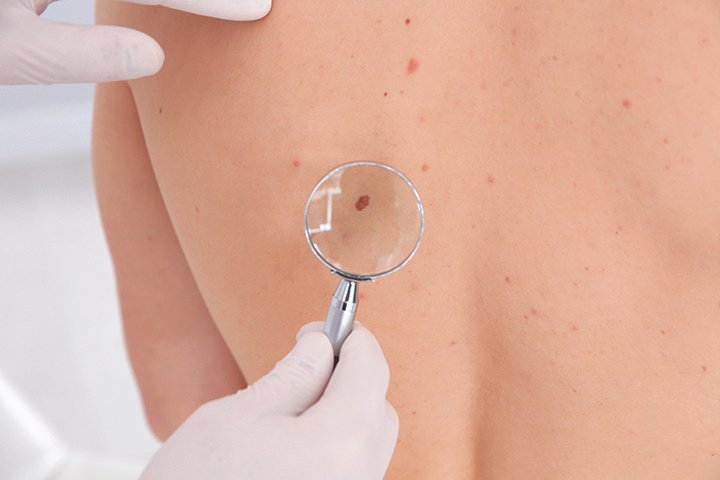
A thorough physical examination is crucial in assessing skin lesions. This examination should involve a full-body inspection, including the scalp, face, neck, trunk, extremities, and nails. It is essential to use proper lighting and magnification to accurately visualize the lesions. During the examination, note the size, shape, color, texture, and borders of the lesions. Additionally, palpate the lesions to assess for tenderness, firmness, or mobility. Documenting these findings will aid in the diagnosis and staging of skin lesions.
Assessing lesion characteristics
During the assessment, documenting lesion characteristics is of utmost importance. Note the location of the lesion and any associated symptoms, such as pain or pruritus. Assess the size, shape, and color of the lesion. Pay attention to any changes in these characteristics over time. Lesions that are asymmetric, have irregular borders, have varied colors, have a diameter larger than six millimeters, or show changes in size, shape, or color over time may be indicative of skin cancer. Examining lesion characteristics is crucial in determining the need for further evaluation and management.
Using dermoscopy for evaluation
Dermoscopy is a non-invasive technique used to examine skin lesions with the use of a handheld device called a dermatoscope. This tool allows for a more detailed examination of the skin surface and aids in the identification of suspicious lesions. When performing dermoscopy, it is important to assess several key elements, including the presence of specific patterns (e.g., the presence of pigment networks or dots), the vascular pattern, and the presence of any structural abnormality. Dermoscopy can help differentiate between benign and malignant lesions, thus guiding further management and treatment decisions.
Diagnosis and Staging
Biopsy techniques
Biopsy is the gold standard for diagnosing skin lesions and determining their characteristics. Various biopsy techniques can be utilized, depending on the type and location of the lesion. Shave biopsy, punch biopsy, and excisional biopsy are commonly employed. Shave biopsies are ideal for superficial lesions, while punch biopsies allow for deeper sampling. Excisional biopsies are often performed for larger lesions or those suspected to be invasive. It is crucial for nurses to understand the different biopsy techniques and their implications to ensure accurate diagnosis and pathology assessment.
Interpreting pathology reports
Interpreting pathology reports is crucial in the diagnosis and staging of skin lesions. These reports provide essential information regarding the cellular characteristics of the lesion and its potential for malignancy. Nurses should familiarize themselves with the terminology and histopathologic features described in the reports to effectively communicate with the interdisciplinary team and educate patients. Understanding the significance of findings such as cellular atypia, mitotic rate, invasion depth, and margins will aid in determining the appropriate treatment plan for the patient.
Understanding staging systems
Staging systems play a significant role in guiding management decisions and predicting prognosis for patients with skin cancer. The most commonly used staging system is the American Joint Committee on Cancer (AJCC) staging system, which incorporates tumor size, depth of invasion, lymph node involvement, and presence of distant metastasis. Nurses should be familiar with the staging criteria for different types of skin cancer to facilitate accurate staging and communication with the healthcare team. The staging system helps in determining the appropriate treatment options, follow-up care, and overall prognosis for patients.

Patient Education and Counseling
Explanation of diagnosis
When a patient is diagnosed with a skin lesion or skin cancer, it is crucial to provide them with a clear and thorough explanation of the diagnosis. Using simple and understandable language, nursing professionals should explain the type of lesion or cancer, its characteristics, and the significance of the diagnosis. Offering patients the opportunity to ask questions and addressing their concerns is essential in ensuring they have a comprehensive understanding of their condition.
Discussing treatment options
After diagnosis, discussing treatment options is an important aspect of patient education and counseling. Nurses should explain the various treatment modalities available, such as surgical interventions, cryotherapy, topical therapies, chemotherapy, radiation therapy, immunotherapy, and photodynamic therapy. Each treatment option should be described, including potential benefits, risks, and side effects. This information empowers patients to make informed decisions about their treatment plan and actively participate in their own care.
Importance of sun protection
Educating patients on the importance of sun protection is critical in preventing the development or recurrence of skin lesions and skin cancer. Nurses should emphasize the use of broad-spectrum sunscreen with a high sun protection factor (SPF), the need for reapplication every two hours or after swimming or sweating, and the importance of seeking shade during peak sun hours. Additionally, educating patients about protective clothing, such as wide-brimmed hats and long-sleeved shirts, and the avoidance of tanning beds is essential in promoting sun safety.
Promoting self-examination
Teaching patients how to perform self-examinations of their skin is an important aspect of patient education. Nurses should explain the ABCDE rule, which stands for asymmetry, border irregularity, color variation, diameter larger than six millimeters, and evolving over time. Encouraging patients to regularly examine their own skin and promptly report any changes or suspicious lesions to their healthcare provider can lead to early detection and better outcomes.
Psychosocial support
Diagnoses of skin lesions or skin cancer can have a significant impact on patients’ emotional well-being. Nurses should provide psychosocial support, which includes acknowledging patients’ feelings and concerns, providing a safe environment for them to express their emotions, and offering appropriate resources for counseling or support groups. Additionally, educating patients on coping strategies, stress management techniques, and mind-body interventions may help alleviate some of the psychological burden associated with the diagnosis and treatment of skin lesions or skin cancer.
Treatment Modalities
Surgical interventions
Surgical interventions are commonly employed in the treatment of skin lesions and skin cancer. These interventions include excisional surgery, Mohs micrographic surgery, and lymph node dissection. Excisional surgery involves removing the lesion and a margin of normal tissue. Mohs micrographic surgery is used for larger, high-risk, or recurrent lesions, and it involves the removal of thin layers of tissue, which are immediately examined under a microscope. Lymph node dissection is performed to assess the spread of cancer to regional lymph nodes. Nurses play a critical role in ensuring patients are well-informed about the surgical procedure, pre- and post-operative care, and potential side effects.
Cryotherapy
Cryotherapy involves the application of extreme cold to destroy abnormal cells. This modality is commonly used for the treatment of precancerous skin lesions or superficial skin cancer. Nurses should educate patients about the procedure, ensure they understand the potential side effects such as pain, blistering, and scarring, and provide appropriate instructions for wound care and follow-up.
Topical therapies
Topical therapies are commonly used in the treatment of superficial skin lesions or early-stage skin cancer. These therapies include the use of topical creams, gels, or solutions containing agents such as imiquimod, 5-fluorouracil, or diclofenac. Nurses should educate patients on the correct application technique, potential side effects, and the importance of adhering to the prescribed treatment regimen. Monitoring for adverse reactions and providing appropriate guidance for managing side effects is also crucial in optimizing treatment outcomes.
Chemotherapy
Chemotherapy may be utilized in the treatment of advanced or metastatic skin cancer. Nurses should educate patients about the specific chemotherapy agents prescribed, their administration routes, potential side effects, and the necessity for close monitoring of blood counts and renal function. Supportive care, including strategies to manage chemotherapy-induced nausea and vomiting, hair loss, and fatigue, should also be provided.
Radiation therapy
Radiation therapy may be recommended as a standalone treatment or in combination with surgery or chemotherapy for certain types and stages of skin cancer. Nurses should explain the radiation therapy process, including the use of external beam radiation or brachytherapy, potential side effects such as skin reactions and fatigue, and the need for regular follow-up visits. Providing patients with strategies to manage these side effects and monitoring for complications are crucial aspects of nursing care.
Immunotherapy
Immunotherapy is an innovative treatment modality that stimulates the patient’s immune system to recognize and destroy cancer cells. This therapy includes the use of checkpoint inhibitors such as pembrolizumab or nivolumab. Nurses should educate patients about the mechanism of action, potential side effects, and the need for regular monitoring and follow-up visits. Managing side effects such as immune-mediated colitis, thyroid dysfunction, or pneumonitis is also a crucial aspect of nursing care.
Photodynamic therapy
Photodynamic therapy involves the application of a photosensitizing agent to the skin, which is then activated by light. This treatment modality is commonly used for superficial skin lesions or early-stage skin cancer. Nurses should educate patients about the procedure, potential side effects such as pain or burning sensations, and the importance of avoiding exposure to sunlight or bright light for a period after treatment.

Prevention and Risk Reduction
Emphasizing sun safety
Prevention is a key aspect of managing skin lesions and reducing the risk of developing skin cancer. Nurses should educate patients about the importance of sun safety. This includes avoiding direct sun exposure during peak hours, wearing protective clothing, applying sunscreen regularly, and seeking shade whenever possible. Encouraging patients to embrace sun-protective behaviors from a young age can significantly reduce the risk of developing precancerous lesions or skin cancer.
Avoiding tanning beds
Nurses should emphasize the importance of avoiding tanning beds. Tanning beds emit ultraviolet (UV) radiation, which can significantly increase the risk of developing skin cancer. Educate patients about the harmful effects of excessive UV exposure and the availability of safer alternatives such as sunless tanning products.
Promoting healthy lifestyle
A healthy lifestyle can contribute to overall skin health. Nurses should discuss the benefits of maintaining a balanced diet, engaging in regular physical activity, managing stress, and avoiding tobacco use. Encouraging patients to adopt these healthy habits can promote skin wellness and potentially reduce the risk of developing skin lesions or skin cancer.
Encouraging regular screenings
Regular skin screenings by healthcare professionals are important for early detection of skin lesions or skin cancer. Nurses should emphasize the importance of scheduling regular screenings and promptly reporting any changes or new lesions to their healthcare provider. Encouraging patients to take an active role in their own health by being proactive about regular screenings is an essential aspect of nursing care.
Managing Dermatologic Adverse Effects
Skin care recommendations
Patients undergoing treatment for skin lesions or skin cancer may experience dermatologic adverse effects. Nursing professionals should provide appropriate skin care recommendations to alleviate discomfort and minimize potential complications. This may include gentle cleansing with mild, fragrance-free products, moisturizing the skin, avoiding irritants, and using sunscreen regularly. Educating patients on proper skin care techniques and providing them with suitable products can help manage adverse effects and prevent further skin damage.
Addressing pain and discomfort
Pain can be a significant issue for patients undergoing treatment for skin lesions or skin cancer. Nurses should assess and address pain promptly using appropriate pain management strategies. This may include the use of analgesics, non-pharmacological interventions such as relaxation techniques or distraction, and optimizing wound care practices. Monitoring and addressing the physical and emotional impact of pain on patients’ overall well-being is an important aspect of nursing care.
Managing skin reactions to treatment
Various treatment modalities, such as radiation therapy or chemotherapy, can result in skin reactions such as erythema, dryness, pruritus, or desquamation. Nurses should educate patients on the expected treatment-related skin reactions and provide appropriate interventions to manage these side effects. This may include the use of topical emollients, corticosteroids, or anti-pruritic agents. Regular follow-up visits and assessment of skin reactions are essential to ensure timely intervention and effective management.

Collaborative Care
Working with dermatologists
Collaboration between nurses and dermatologists is crucial in the management of patients with skin lesions or skin cancer. Nurses should establish effective communication channels with dermatologists to facilitate the timely exchange of information, coordinate care, and address any concerns or questions related to patient management. Collaborating with dermatologists ensures a comprehensive and multidisciplinary approach to the care of patients with skin lesions.
Consulting with plastic surgeons or wound care specialists
In some cases, the management of skin lesions or skin cancer may require collaboration with plastic surgeons or wound care specialists. Nurses should engage in effective interprofessional communication to consult and coordinate care with these specialists. Collaboration with plastic surgeons may be necessary for complex surgical interventions or reconstructive procedures, while involvement of wound care specialists may help optimize wound healing and minimize complications. By working together and capitalizing on each specialty’s expertise, the care team can provide the best possible outcomes for the patient.
Interprofessional communication
Clear and effective interprofessional communication is essential in the management of patients with skin lesions or skin cancer. Nurses should actively engage in interdisciplinary rounds, meetings, and consultations to ensure the exchange of information and active involvement of all team members. This collaboration facilitates shared decision-making, continuity of care, and the delivery of patient-centered care.
Follow-up and Surveillance
Monitoring for recurrence or metastasis
Following the initial treatment of skin lesions or skin cancer, monitoring for recurrence or metastasis is crucial. Nurses should educate patients about the signs and symptoms of recurrence, such as the appearance of new or changing lesions, persistent pain, or enlarged lymph nodes. Encouraging patients to promptly report any concerning symptoms and ensuring regular follow-up visits for clinical examinations, imaging, and laboratory tests allows for timely detection of recurrence or metastasis.
Frequency and duration of follow-up visits
The frequency and duration of follow-up visits for patients with skin lesions or skin cancer depend on the stage of the disease, the treatment modality employed, and individual patient factors. Nurses should educate patients about the recommended follow-up schedule and ensure they understand the importance of adhering to it. Regular follow-up visits facilitate the detection of any disease progression or treatment-related complications and allow for timely intervention.
Identifying and managing complications
During follow-up visits, nurses should be vigilant in identifying and managing potential complications resulting from treatment or the underlying disease. This may include addressing wound healing issues, managing treatment-related toxicities, or identifying signs of recurrence or metastasis. Nurse-led surveillance and prompt intervention can help prevent further complications and optimize patient outcomes.
Supportive Care
Pain management
Patients with skin lesions or skin cancer may experience pain at various stages of their disease, including during treatment and in the palliative setting. Nurses should assess pain comprehensively and provide appropriate pain management strategies tailored to the individual patient’s needs. This may include the use of both pharmacological and non-pharmacological interventions, as well as adjusting the plan based on the patient’s response and preferences. Proactive and ongoing pain management is essential in ensuring patients’ comfort and quality of life.
Psychosocial support
The diagnosis and treatment of skin lesions or skin cancer can significantly impact patients’ psychosocial well-being. Nurses should provide psychosocial support, which may include active listening, validating patients’ emotions, offering resources for counseling or support groups, and assisting patients in coping with the emotional challenges they may face. By addressing patients’ psychosocial needs, nurses can contribute to holistic patient care and improve overall outcomes.
Nutritional support
Patients with skin lesions or skin cancer may experience weight loss, malnutrition, or altered dietary requirements due to treatment-related side effects or the underlying disease process. Nurses should assess patients’ nutritional status and provide appropriate nutritional support. This may include collaborating with dieticians to develop personalized meal plans, providing information on dietary modifications, and addressing any concerns or barriers to optimal nutrition. Nutritional support can enhance patients’ overall well-being, support their immune system, and aid in their recovery.
Research and Evidence-Based Practice
New treatment modalities
Research in the field of skin lesions and skin cancer continually identifies and evaluates new treatment modalities. Nurses should stay updated with the latest research findings to provide evidence-based care to their patients. Staying knowledgeable about emerging treatment options, their efficacy, and potential side effects allows nurses to engage in informed discussions with patients and contribute to shared decision-making.
Advancements in diagnostics
Advancements in diagnostic modalities, such as dermoscopy or molecular testing, can improve the accuracy of early detection and diagnosis of skin lesions or skin cancer. Nurses should educate themselves about these advancements and their applications to facilitate prompt and accurate diagnosis. Understanding the limitations and capabilities of diagnostic tools aids in effectively communicating with patients and facilitating appropriate follow-up care.
Identifying high-risk populations
Research helps identify high-risk populations for skin lesions and skin cancer, such as individuals with a family history of the disease or those with a history of excessive sun exposure. Nurses should stay informed about risk factors and engage in health promotion activities specifically targeted toward these populations. This may include offering educational programs, conducting screenings or outreach initiatives, and advocating for policy changes to support prevention efforts. By recognizing and addressing the needs of high-risk populations, nurses can play a pivotal role in reducing the burden of skin lesions and skin cancer.
In conclusion, nursing considerations in managing precancerous skin lesions and skin cancer encompass a comprehensive approach that involves patient assessment, diagnosis and staging, patient education and counseling, treatment modalities, prevention and risk reduction, management of dermatologic adverse effects, collaborative care, follow-up and surveillance, supportive care, and staying up-to-date with research and evidence-based practice. By providing holistic care and tailoring interventions to individual patient needs, nurses play a vital role in improving outcomes and promoting skin health and well-being.