
You’ve been diagnosed with an acoustic neuroma, a non-cancerous tumor on the nerve that connects your inner ear to your brain. This news can be overwhelming, but you’re not alone. As the Listicle Content Architect, your trusted guide to navigating complex health topics, I’m here to break down the best treatment options available for acoustic neuroma, empowering you with clear, actionable information. Understanding your choices is the first step toward regaining control and peace of mind.
Before diving into treatments, it’s crucial to grasp the nuances of your specific acoustic neuroma. This understanding will directly influence which treatment path is best suited for you. Think of this as building a strong foundation before constructing your treatment plan.
a. What is an Acoustic Neuroma?
An acoustic neuroma, also known as a vestibular schwannoma, is a benign tumor that arises from the Schwann cells of the vestibulocochlear nerve. This nerve is responsible for hearing and balance. While not cancerous, these tumors can grow and press on surrounding nerves, leading to symptoms.
b. Factors Influencing Treatment Choices
Your doctor will consider several key factors when recommending treatment. These include:
- Tumor Size and Location: Smaller tumors, especially those confined to the internal auditory canal, may offer more treatment options than larger tumors extending into the brain. The exact location also matters, particularly its proximity to vital structures.
- Your Age and Overall Health: Your general health status and co-existing medical conditions will play a role in determining whether you can tolerate more aggressive treatments.
- Symptoms and Their Severity: The presence and severity of symptoms such as hearing loss, tinnitus, dizziness, and facial weakness are paramount. If symptoms are mild and not significantly impacting your quality of life, observation might be a viable option.
- Tumor Growth Rate: If your tumor is growing rapidly, it often necessitates more intervention than a slow-growing or stable tumor.
- Your Personal Preferences and Lifestyle: Your goals, lifestyle, and comfort level with different risks and potential side effects are deeply important. You are an active participant in this decision-making process.
c. The Importance of a Multidisciplinary Team
Navigating acoustic neuroma treatment is best done with the guidance of a multidisciplinary team. This typically includes neurosurgeons, radiation oncologists, audiologists, neurologists, and sometimes otolaryngologists (ENT doctors). Their collective expertise ensures a comprehensive and personalized approach to your care. You can expect them to collaborate closely, sharing information and perspectives to arrive at the most appropriate treatment strategy for you.
2. Watchful Waiting: The Conservative Approach for Stable Tumors
For some individuals, the most appropriate course of action isn’t immediate intervention but rather careful observation. This approach, often termed “watchful waiting” or “active surveillance,” is a valid and effective strategy for specific acoustic neuroma cases. It’s about keeping a close eye on things without rushing into potentially unnecessary treatments.
a. Who is a Candidate for Watchful Waiting?
This strategy is typically reserved for patients who:
- Have small tumors: The tumor is small enough that it’s not currently causing significant symptoms.
- Have slow-growing or stable tumors: Imaging studies over time show no significant growth.
- Are older or have significant medical comorbidities: The risks associated with more aggressive treatments might outweigh the benefits for these individuals.
- Experience mild or no symptoms: The tumor’s presence is not dramatically impacting their daily life.
b. The Monitoring Process
Watchful waiting doesn’t mean ignoring the tumor. It involves a structured monitoring plan, usually including:
- Regular MRI Scans: These are the gold standard for tracking tumor size and growth. You might have an MRI every six months to a year, depending on your individual situation.
- Audiological Testing: Regular hearing tests are crucial to monitor any changes in your hearing.
- Symptom Assessment: You’ll be encouraged to report any new or worsening symptoms to your doctor promptly. This includes changes in hearing, balance, tinnitus, or facial sensation.
c. When to Reconsider Treatment
The beauty of watchful waiting is its flexibility. If at any point the tumor begins to grow significantly, or if your symptoms become bothersome or impact your quality of life, your medical team will discuss transitioning to another treatment option. This is not a “set it and forget it” approach; it’s an ongoing dialogue with your healthcare providers.
3. Surgical Intervention: Removing the Tumor Directly
Surgery remains a primary treatment option for acoustic neuromas, especially for larger tumors or those causing significant symptoms. The goal is to remove as much of the tumor as possible while preserving facial nerve and hearing function. While effective, it’s a major procedure with inherent risks, so a thorough understanding is essential.
a. Types of Surgical Approaches
Your surgeon will choose the best surgical approach based on the tumor’s size, location, and your individual anatomy. The main approaches include:
- Retrosigmoid Approach: This is the most common approach. The surgeon makes an incision behind the ear and accesses the tumor through the cerebellopontine angle. It offers good visualization and often allows for preservation of hearing and facial nerve function.
- Translabyrinthine Approach: This approach involves removing a portion of the bone within the inner ear to reach the tumor. It provides excellent access but inevitably results in the loss of hearing in the operated ear. It’s often preferred for larger tumors or when hearing preservation is not possible through other methods.
- Middle Fossa Approach: This approach involves an incision above the ear and accesses the tumor from above. It’s generally used for smaller tumors located primarily within the internal auditory canal. It can offer excellent facial nerve preservation but can be more challenging for larger tumors.
b. What to Expect During and After Surgery
The surgical procedure itself can take several hours. You’ll be under general anesthesia. After surgery, you’ll spend time in the intensive care unit for monitoring before moving to a regular hospital room. Your recovery will involve:
- Hospital Stay: Typically 3-7 days, depending on the approach and your recovery progress.
- Pain Management: You’ll receive medication to manage any post-operative pain.
- Rehabilitation: Physical therapy may be recommended to help with balance and coordination issues, especially after the translabyrinthine approach.
- Follow-up Appointments: Regular check-ups with your surgeon and audiologist will be scheduled to monitor your recovery and assess hearing and facial nerve function.
c. Potential Risks and Complications
As with any major surgery, there are potential risks associated with acoustic neuroma removal. These can include:
- Facial Nerve Weakness or Paralysis: While surgeons strive to preserve the facial nerve, there’s a risk of temporary or permanent weakness or paralysis, which can affect facial expressions.
- Hearing Loss: Even with attempts at preservation, there’s a risk of further hearing loss or complete loss in the operated ear.
- Cerebrospinal Fluid (CSF) Leak: A leak of CSF can occur, requiring further intervention.
- Infection: As with any surgery, there’s a risk of infection.
- Balance Problems and Dizziness: These are common, especially after the initial surgery, and often improve with time and therapy.
- Tinnitus: Existing tinnitus may worsen or new tinnitus may develop.
- Headaches: Post-operative headaches are common and usually resolve.
4. Radiation Therapy: Precisely Targeting the Tumor

Radiation therapy offers a non-invasive alternative to surgery for many acoustic neuroma patients. It uses focused beams of radiation to damage the DNA of tumor cells, preventing them from growing and dividing. The goal is to control tumor growth without the risks and recovery associated with surgery.
a. Types of Radiation Therapy for Acoustic Neuroma
Several advanced radiation techniques are used, each with its own advantages:
- Stereotactic Radiosurgery (SRS): This is the most common and effective form of radiation for acoustic neuromas. It involves delivering a high dose of radiation to the tumor in a single session with extreme precision. This minimizes damage to surrounding healthy tissues. Linac-based SRS and Gamma Knife SRS are popular methods.
- Fractionated Stereotactic Radiotherapy (FSRT): In this approach, the total radiation dose is divided into several smaller doses delivered over multiple treatment sessions, typically over a few weeks. This can be beneficial for larger tumors or when there’s concern about proximity to critical structures.
b. The Radiation Treatment Process
The process for radiation therapy is generally as follows:
- Consultation and Planning: You’ll have consultations with a radiation oncologist and your team. Detailed imaging (MRI) is used to create a highly precise treatment plan, mapping the tumor’s exact location.
- Mask or Immobilizer Creation: For SRS, a custom-fitted mask or head immobilization device is often created to ensure you remain perfectly still during treatment.
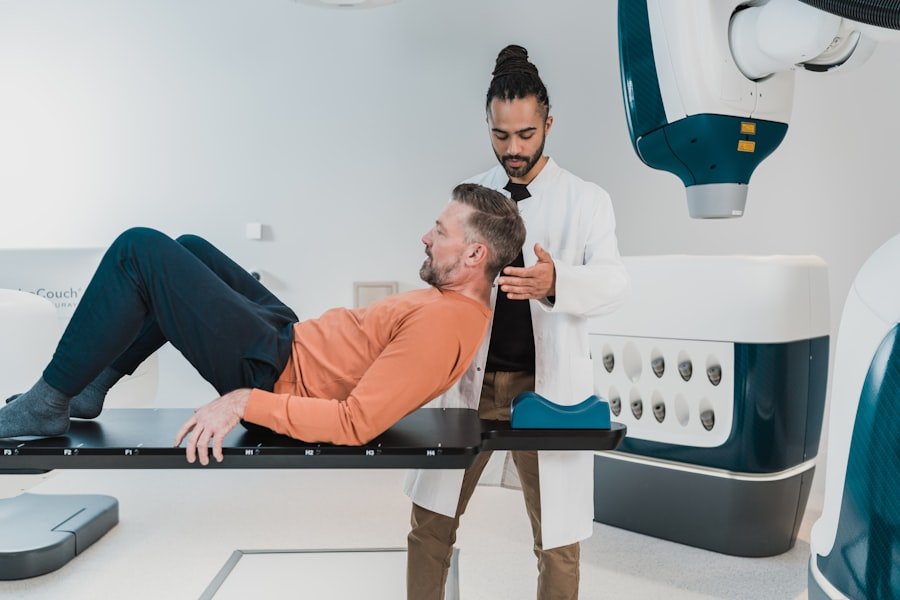
- Treatment Sessions: Each session is typically short, lasting from 30 minutes to a couple of hours, depending on the technique. You lie down on a treatment couch, and the radiation beams are delivered precisely to the tumor. It’s painless.
- Follow-up Imaging: You’ll have regular MRI scans after treatment to monitor the tumor’s response. It’s important to understand that radiation doesn’t “shrink” the tumor immediately. Instead, it stops its growth. You might not see changes on imaging for months or even years.
c. Advantages and Disadvantages of Radiation Therapy
Radiation therapy offers several compelling benefits:
- Non-invasive: No surgery means no surgical incision, associated pain, or lengthy recovery.
- Preservation of Function: High precision allows for effective tumor control while minimizing damage to nearby nerves, potentially preserving hearing and facial function.
- Outpatient Procedure: Most radiation treatments are performed on an outpatient basis, allowing you to return home the same day.
However, there are also potential drawbacks to consider:
- Delayed Effect: The tumor doesn’t disappear; its growth is halted. It takes time to see the full effect.
- Potential Side Effects: While generally well-tolerated, side effects can occur. These are usually mild and temporary and may include fatigue, temporary hair loss in the treatment area, and in rare cases, cranial nerve issues if the radiation dose is not precisely controlled.
- Risk of Secondary Tumors: Although very rare, there is a theoretical increased risk of developing another tumor in the radiated area over the very long term.
5. Emerging and Future Treatment Options
| Treatment Option | Success Rate | Side Effects |
|---|---|---|
| Surgery | 80% | Hearing loss, facial weakness |
| Radiation Therapy | 70% | Hair loss, fatigue |
| Watchful Waiting | N/A | N/A |
The field of medicine is constantly evolving, and research into new and improved treatments for acoustic neuroma is ongoing. While the established treatments of surgery and radiation are highly effective, exciting developments are on the horizon that could further personalize and enhance care.
a. Targeted Therapies and Medications
Research is exploring the use of medications that could potentially:
- Inhibit Tumor Growth: Scientists are investigating drugs that target specific genetic mutations or signaling pathways involved in the development and growth of acoustic neuromas. This could offer a less invasive way to control tumor progression.
- Induce Tumor Regression: The ultimate goal for some research is to find therapies that can actually shrink or eliminate existing tumors without surgical intervention.
b. Advances in Diagnostic Imaging and Monitoring
Beyond treatment, significant advancements are being made in how acoustic neuromas are diagnosed and monitored. This includes:
- Higher Resolution MRI Techniques: Newer MRI technology provides even greater detail, allowing for earlier detection of smaller tumors and more accurate assessment of tumor changes over time.
- Diffusion Tensor Imaging (DTI): This advanced MRI technique can help visualize and assess the integrity of critical nerves near the tumor, aiding in surgical planning and predicting functional outcomes.
- Biomarkers: Researchers are looking for specific biomarkers in blood or other bodily fluids that could indicate the presence of an acoustic neuroma or predict its growth rate.
c. The Role of Genetic Research and Personalized Medicine
Understanding the genetic underpinnings of acoustic neuromas, particularly in conditions like neurofibromatosis type 2 (NF2), is crucial for developing personalized treatment strategies. As genetic research progresses, we can anticipate:
- Predicting Tumor Behavior: Genetic profiling of a tumor might help predict its likelihood of growth and responsiveness to different treatments.
- Tailoring Treatments: Treatment plans could become even more individualized, with therapies selected based on the specific genetic makeup of your tumor, optimizing efficacy and minimizing side effects. This promises a future where treatment is not one-size-fits-all but perfectly fitted to your unique situation.
By staying informed about these emerging trends, you can be a proactive partner in your healthcare journey, always open to the latest advancements that could benefit you. Remember, your medical team is your greatest resource in navigating these complex decisions.
FAQs
What is an acoustic neuroma?
An acoustic neuroma is a non-cancerous tumor that develops on the main nerve leading from the inner ear to the brain. It can affect hearing and balance.
What are the best treatments for acoustic neuroma?
The best treatments for acoustic neuroma include observation, radiation therapy, and surgical removal of the tumor. The choice of treatment depends on the size and location of the tumor, as well as the patient’s overall health and preferences.
What is observation as a treatment for acoustic neuroma?
Observation, also known as watchful waiting, involves monitoring the tumor with regular imaging tests to see if it grows. This approach is often used for small tumors or in cases where the risks of treatment outweigh the benefits.
What is radiation therapy for acoustic neuroma?
Radiation therapy uses high-energy beams to destroy the tumor cells. It is a non-invasive treatment option that can be used for small to medium-sized tumors, especially in patients who are not good candidates for surgery.
When is surgical removal of the tumor necessary for acoustic neuroma?
Surgical removal of the tumor is necessary when the tumor is large, causing significant symptoms, or growing rapidly. The goal of surgery is to remove the tumor while preserving the facial nerve and hearing, if possible.