
You’re facing a diagnosis of acoustic neuroma, and it’s natural to feel a wave of questions. As your Listicle Content Architect, here to demystify this complex topic with clarity and comprehensive detail, I’m guiding you through the landscape of acoustic neuroma treatment options. This isn’t about overwhelming you; it’s about empowering you with knowledge so you can have informed conversations with your healthcare team. We’ll break down each approach, explore its nuances, and help you understand what each might entail for your journey.
You’re embarking on a path that requires careful consideration, and your active involvement in understanding your treatment is paramount. Prepare to dive deep into the world of acoustic neuroma management, where precision, innovation, and individualized care pave the way forward.
Your acoustic neuroma, a typically slow-growing tumor that arises from the vestibular nerve connecting your inner ear to your brain, presents a unique treatment puzzle. It’s not a one-size-fits-all situation. The decision-making process is intricately woven with the size and location of the tumor, your age, your overall health, and, crucially, the specific symptoms you’re experiencing. You’ll find that many of these treatments aim to either remove the tumor, control its growth, or manage the symptoms it causes.
Factors Influencing Treatment Choices
You’re not just a diagnosis; you’re a whole person with a unique medical history and lifestyle. Your doctor will consider several key factors when recommending a treatment plan.
Tumor Size and Location
You’ll hear about “small,” “medium,” and “large” tumors. This classification isn’t just about a number; it directly impacts the feasibility and risks associated with different surgical approaches and radiation techniques. A smaller tumor confined to the internal auditory canal might be approached differently than a larger one that has expanded into the cerebellopontine angle, pressing on the brainstem.
Your Age and Overall Health
Your general health and any pre-existing medical conditions are significant. Younger, healthier individuals might be candidates for more aggressive treatment options, while older individuals with comorbidities might benefit from a more conservative approach focused on symptom management and close observation.
Your Symptoms and Their Impact
Are you experiencing hearing loss, tinnitus, dizziness, or facial numbness? The severity and impact of these symptoms on your quality of life are critical considerations. If symptoms are minimal and the tumor is small and slow-growing, observation might be the best initial strategy. Conversely, rapidly progressing or debilitating symptoms might necessitate more immediate intervention.
Growth Rate of the Tumor
You’ll often hear about “watchful waiting” or “active surveillance.” This approach is particularly relevant for small, asymptomatic tumors where the growth rate is very slow. Regular imaging will monitor for any significant changes. If you notice the tumor is growing more rapidly, the treatment landscape can shift.
The Spectrum of Treatment Options: A Detailed Look
Now, let’s explore the primary ways acoustic neuromas are treated. You’ll find that these options are not mutually exclusive and can sometimes be used in combination or sequentially. Your medical team will discuss these in detail with you.
1. Observation (Watchful Waiting or Active Surveillance)
For many individuals, especially those with small, asymptomatic, or slowly growing acoustic neuromas, observation is a perfectly valid and often preferred initial strategy. This approach prioritizes minimizing intervention while diligently monitoring the tumor’s behavior.
The Rationale Behind Observation
You might wonder why you’d “wait” when there’s a tumor. The rationale is sound: acoustic neuromas are often very slow-growing. Premature intervention can carry its own risks and side effects. By observing, you avoid these potential complications unless they become necessary.
How Active Surveillance Works
This isn’t passive waiting. You’ll be on an active surveillance schedule, which typically involves:
Regular MRI Scans
You can expect to have regular MRI scans, often every six months to a year initially, to closely monitor the tumor’s size and shape. These scans are invaluable for detecting any significant growth or changes.
Symptom Monitoring
You’ll be encouraged to report any changes in your hearing, balance, or facial sensations. These symptoms can be early indicators of tumor growth or changes in its impact.
Decision-Making Criteria for Intervention
The decision to move from observation to active treatment is usually based on specific criteria, such as:
- Significant Tumor Growth: If the MRI shows a noticeable increase in tumor size.
- Development of New or Worsening Symptoms: If your symptoms become debilitating or significantly impact your quality of life.
- Risk of Compression: If the tumor grows large enough to pose a risk to nearby critical structures like the brainstem or other cranial nerves.
Benefits and Drawbacks of Observation
Benefits You’ll Experience:
- Avoidance of Treatment Risks: You bypass the immediate risks and potential side effects associated with surgery or radiation.
- Preservation of Function: Often, observation helps preserve hearing, facial nerve function, and balance, especially in the short term.
- Quality of Life: For many, living with a stable, asymptomatic tumor is manageable.
Potential Drawbacks to Consider:
- Anxiety: The knowledge of a tumor, even if stable, can cause anxiety for some.
- Delayed Intervention: If the tumor grows rapidly, waiting too long might limit treatment options or increase surgical complexity.
- Potential for Symptom Progression: Symptoms can still develop or worsen over time, even with observation.
2. Surgery
Surgery is often considered the definitive treatment for removable acoustic neuromas, aiming to completely excise the tumor. The surgical approach is carefully chosen based on the tumor’s size and location, with the primary goals being tumor removal and preservation of facial nerve function.
Surgical Approaches Tailored to You
You have several surgical options, each with its own advantages and potential risks. Your surgeon will discuss which is best suited for your specific situation.
Suboccipital (Retrosigmoid) Craniotomy
This is a frequently used approach for larger tumors. You’ll have an incision behind your ear, and a small section of bone is removed to access the tumor.
- Procedure: This involves carefully dissecting the tumor away from the facial nerve and the hearing nerve, while also attempting to preserve the vestibular nerve (responsible for balance).
- Advantages: Offers good visualization and allows for the removal of larger tumors.
- Considerations: Higher risk of hearing loss and potential for dizziness or balance issues compared to other approaches.
Translabyrinthine Approach
This approach is often favored for tumors where hearing preservation is less likely, or for smaller tumors. It involves removing the bone of the inner ear to access the tumor.
- Procedure: An incision is made behind the ear, and the surgeon navigates through the inner ear structures to reach the tumor.
- Advantages: Can provide a good view of the tumor and is often associated with faster recovery.
- Considerations: Results in complete hearing loss in the operated ear and is not suitable for hearing preservation.
Middle Fossa Approach
This approach is typically used for smaller tumors located within the internal auditory canal. It involves an incision above the ear.
- Procedure: Access is gained through the temporal bone, allowing for a direct view of the internal auditory canal.
- Advantages: Can offer excellent preservation of hearing and facial nerve function for carefully selected tumors.
- Considerations: Limited visualization of larger tumors and may not be suitable for tumors extending beyond the internal auditory canal.
Potential Side Effects and Recovery
You’ll be prepared for the recovery process.
Facial Nerve Function
The facial nerve, controlling facial expressions, is intimately involved with the acoustic neuroma. Preserving its function is a top priority.
- Risk of Weakness or Paralysis: While surgeons strive to preserve the nerve, there’s a risk of temporary or permanent weakness or paralysis of facial muscles.
- Monitoring: You’ll be closely monitored for any changes in facial movement.
Hearing Loss
Even with the most skilled surgical techniques, hearing loss in the affected ear is a significant consideration.
- Degree of Loss: The extent of hearing loss can vary depending on the tumor’s size and its proximity to the hearing nerve.
- Rehabilitation: If hearing loss occurs, you might be a candidate for hearing aids or cochlear implants.
Balance and Dizziness
The vestibular nerve is also closely associated with the tumor, and its manipulation or removal can impact balance.
- Post-operative Vertigo: You may experience dizziness or vertigo immediately after surgery, which often improves over time as your brain compensates.
- Physical Therapy: Vestibular rehabilitation therapy can be crucial in helping you regain your balance.
Other Potential Complications
You should be aware of other, less common risks.
- Cerebrospinal Fluid (CSF) Leak: A small leak of the fluid surrounding the brain and spinal cord can occur.
- Infection: As with any surgery, there’s a risk of infection.
- Neurological Deficits: In rare cases, other neurological functions could be affected.
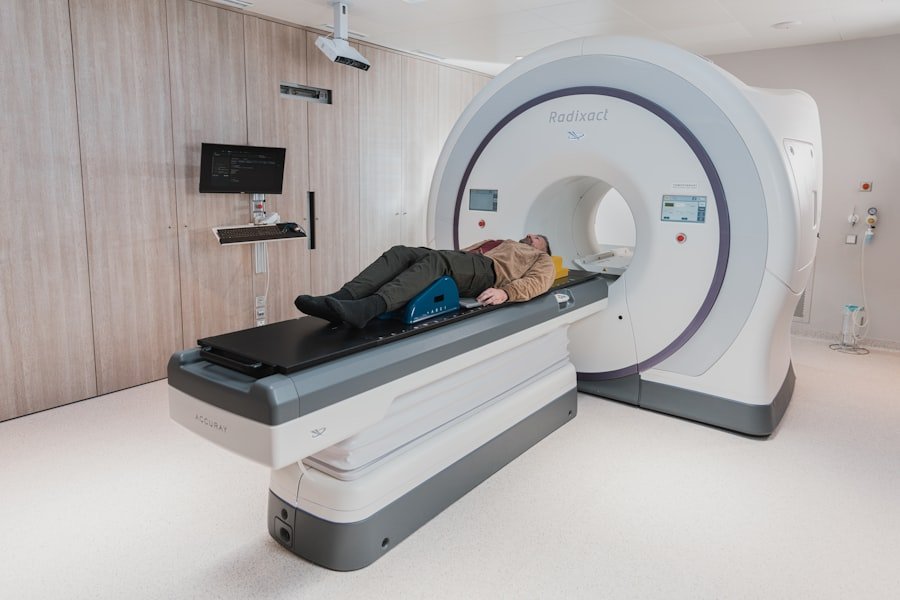
3. Radiation Therapy
Radiation therapy offers a non-invasive or minimally invasive alternative to surgery, particularly for individuals who may not be ideal surgical candidates or for smaller tumors where observation is being considered but growth is a concern. The goal here isn’t necessarily to remove the tumor but to halt or significantly slow its growth.
Types of Radiation Treatment for Acoustic Neuroma
You’ll learn about precise radiation delivery techniques.
Stereotactic Radiosurgery (SRS)
This is the most common form of radiation therapy for acoustic neuroma. It involves delivering a highly focused, high dose of radiation to the tumor in a single treatment session.
- Technique: It uses multiple beams of radiation from different angles to converge precisely on the tumor, minimizing damage to surrounding healthy tissues.
- Types of SRS:
- Gamma Knife: Uses a head frame to precisely immobilize your head and deliver gamma rays.
- Linear Accelerator (LINAC) Based SRS: Uses a machine that generates X-rays to deliver radiation.
- Advantages: Non-invasive, precise targeting, and often well-tolerated.
Stereotactic Fractionated Radiation Therapy (SFRT)
Similar to SRS, but the radiation dose is delivered over multiple sessions (typically 3-5 treatments) rather than a single session.
- Rationale: May be used for larger tumors or when there’s a concern about potential radiation side effects to surrounding structures.
- Benefits: Can allow for potentially higher total doses while further reducing the risk of damage to adjacent tissues.
Intensity-Modulated Radiation Therapy (IMRT)
A more advanced form of external beam radiation therapy that allows for precise shaping of the radiation beams to conform to the tumor’s shape.
- Customization: The intensity of the radiation can be adjusted at different points within the tumor, further sparing healthy tissue.
- Application: Can be used for acoustic neuromas, especially complex cases.
Outcomes and Considerations of Radiation
You’ll be interested in what to expect.
Tumor Growth Control
The primary goal of radiation is to stop tumor growth.
- Long-Term Efficacy: Studies show that radiation therapy is highly effective in controlling tumor growth, with success rates often exceeding 90%.
- Not a Cure for Size: It’s important to understand that radiation generally doesn’t shrink the tumor significantly. Its impact is primarily on inhibiting further growth.
Potential Side Effects
While often well-tolerated, side effects can occur.
- Short-Term Effects: You might experience fatigue, headaches, or mild nausea in the days or weeks following treatment.
- Long-Term Effects: Over time, there’s a small risk of hearing loss (which may be progressive), tinnitus, or facial numbness. The risk is generally low with modern techniques.
- Risk of Malignancy: While extremely rare, there is a very small theoretical risk of developing a secondary malignancy in the irradiated area years later.
Timing of Results
You won’t see the results of radiation immediately.
- Gradual Stabilization: Tumor growth typically stabilizes over months to a few years after treatment.
- Continued Monitoring: Regular MRI scans will still be necessary to confirm the lack of tumor growth.
4. Future and Emerging Treatment Modalities
The field of medicine is constantly evolving, and you’ll be interested to know what lies ahead for acoustic neuroma treatment. Researchers are continuously exploring innovative approaches to improve outcomes and minimize side effects.
Advances in Surgical Techniques
You’ll find that surgeons are always refining their methods.
Minimally Invasive Surgery
The trend is towards less invasive approaches to reduce recovery time and surgical risks.
- Endoscopic Techniques: The use of endoscopes, thin, flexible tubes with a camera, can allow for smaller incisions and enhanced visualization, potentially leading to quicker recovery and reduced scarring.
- Robotic-Assisted Surgery: While not yet widely used for acoustic neuroma, robotic systems could offer enhanced precision and dexterity for surgeons in the future.
Molecular and Targeted Therapies
Understanding the genetic makeup of tumors is leading to more personalized treatments.
- Targeting Specific Pathways: Researchers are investigating drugs that can target specific molecular pathways that drive acoustic neuroma growth, potentially offering a more precise and less toxic alternative or adjunct to current treatments.
- Gene Therapy: This is a more experimental area, but there’s interest in using gene therapy to modify tumor cells or enhance the body’s immune response against them.
Innovations in Radiation Therapy
Radiation is also seeing exciting developments.
Advanced Imaging and Treatment Planning
The precision of radiation delivery is improving with better imaging.
- MRI-Guided Radiation Therapy: Integrating MRI directly into the radiation delivery unit allows for real-time tumor tracking and adjustments, potentially increasing accuracy and reducing collateral damage to healthy tissues.
- Personalized Radiation Dosing: Future treatments might involve tailoring radiation doses based on individual tumor characteristics and patient factors, optimizing effectiveness while minimizing side effects.
Radiosensitizers
These are substances that make tumor cells more sensitive to radiation.
- Enhancing Radiation Effectiveness: The development of radiosensitizers could allow for lower radiation doses or enhance the effectiveness of existing radiation treatments, potentially reducing long-term side effects.
Exploring New Avenues
Keep an eye on these developing areas.
Immunotherapy
Harnessing your own body’s immune system to fight the tumor.
- Stimulating Immune Response: Researchers are exploring ways to “wake up” the immune system to recognize and attack acoustic neuroma cells. While still in early stages for acoustic neuromas, immunotherapy has shown promise in other cancer types.
Drug Development
The search for effective medications continues.
- Targeted Drug Delivery: Investigating ways to deliver anti-cancer drugs directly to the tumor site, minimizing systemic exposure and side effects.
- Understanding Tumor Biology: Continued research into the fundamental biology of acoustic neuromas is crucial for identifying new drug targets.
Remember: As an LCA, my role is to empower you with information, not to provide medical advice. Always discuss your specific situation and treatment options with your qualified healthcare professionals. They are your best resource for personalized guidance. You’re on this journey with a dedicated team, and together, you’ll navigate the path forward.
FAQs
What is acoustic neuroma?
Acoustic neuroma is a non-cancerous tumor that develops on the main nerve leading from the inner ear to the brain. It can cause hearing loss, ringing in the ear, and unsteadiness.
How is acoustic neuroma diagnosed?
Acoustic neuroma is typically diagnosed through a combination of hearing tests, imaging tests such as MRI or CT scans, and a thorough medical history and physical examination.
What are the treatment options for acoustic neuroma?
Treatment options for acoustic neuroma include observation, radiation therapy, and surgical removal of the tumor. The choice of treatment depends on the size and location of the tumor, as well as the patient’s overall health and preferences.
What is the goal of treating acoustic neuroma?
The goal of treating acoustic neuroma is to preserve or restore neurological function, such as hearing and balance, while also preventing the tumor from growing or causing further damage to the surrounding structures in the brain.
What are the potential risks and complications of treating acoustic neuroma?
Potential risks and complications of treating acoustic neuroma include hearing loss, facial weakness, balance problems, and damage to nearby nerves and blood vessels. These risks vary depending on the chosen treatment approach.