
Loud noises have become an increasingly common part of our daily lives, whether it be from firearms, explosions, or even our headphones turned up a little too loud. But have you ever wondered if these loud noises could be doing damage to our ears and potentially leading to the dreaded condition known as tinnitus? In this article, we will explore the connection between exposure to loud noises and the development of tinnitus, shedding light on the potential risks and offering helpful insights to protect our precious sense of hearing.
Overview of Tinnitus and its Causes
Definition of Tinnitus
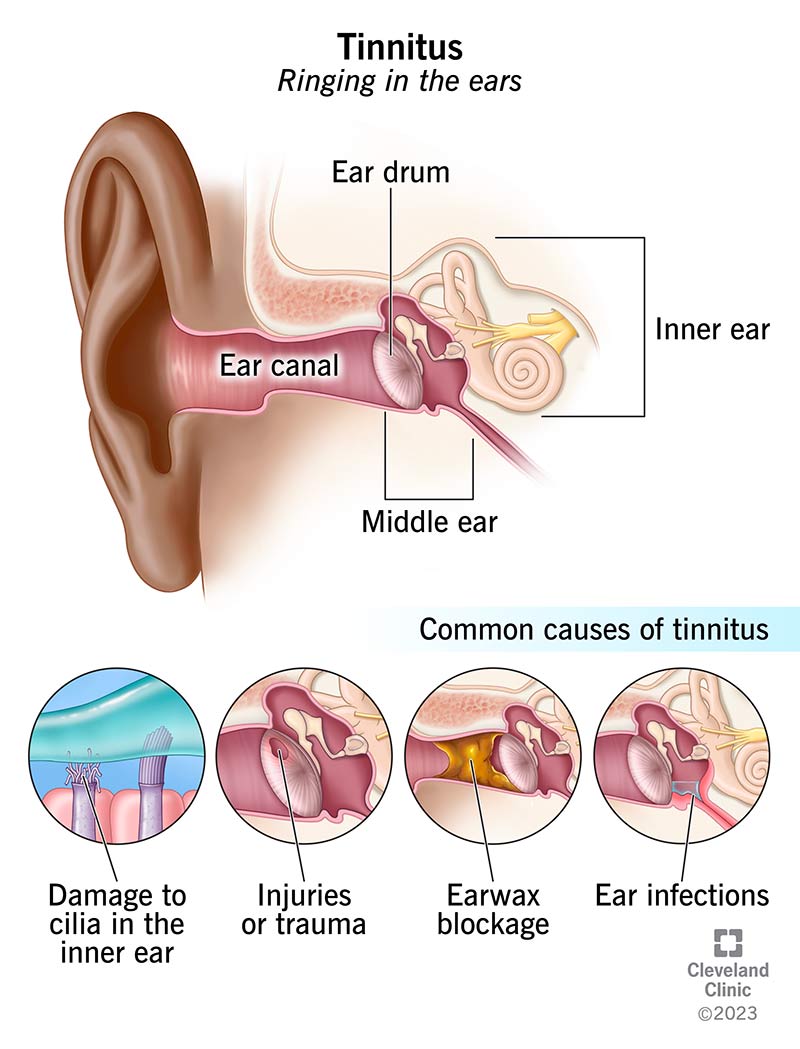
Tinnitus is the perception of sound in the absence of any external source. It is commonly described as a ringing, buzzing, hissing, or humming sound in the ears. This phantom sound can be continuous or intermittent and may vary in intensity. It is important to note that tinnitus itself is not a disease but rather a symptom of an underlying condition.
Prevalence of Tinnitus
Tinnitus is a widespread condition that affects millions of people worldwide. According to the American Tinnitus Association, approximately 15% of the global population experience some degree of tinnitus. In the United States alone, over 50 million adults are affected by this condition. Tinnitus can occur in individuals of all ages, but its prevalence tends to increase with age.
Causes of Tinnitus
Tinnitus can have various causes, and it is often associated with damage or dysfunction in the auditory system. One of the primary causes of tinnitus is exposure to loud noises. Other common causes include age-related hearing loss, earwax blockage, certain medications, head and neck injuries, and underlying medical conditions such as Meniere’s disease or temporomandibular joint (TMJ) disorders.
Understanding Loud Noises and their Effects on Hearing
How Sound Intensity is Measured
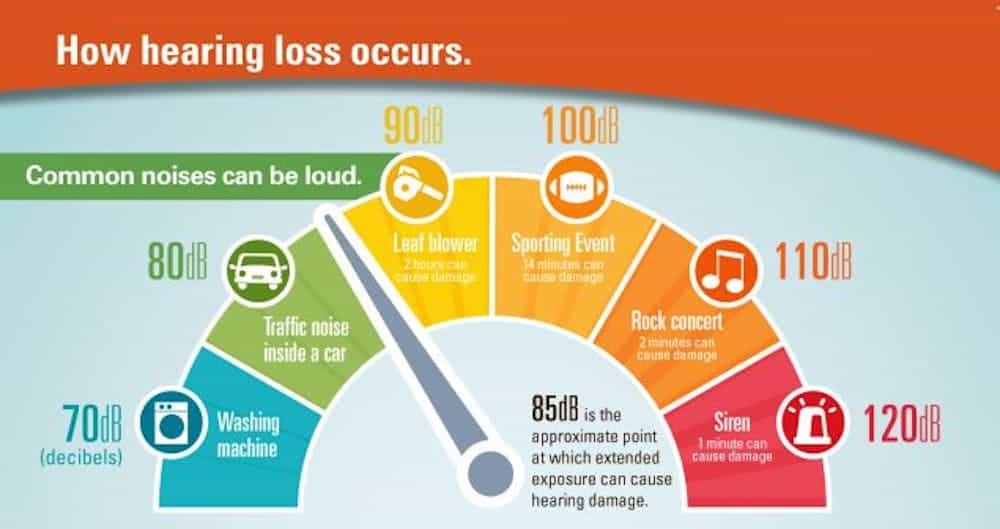
Sound intensity is measured in decibels (dB), which is a logarithmic scale that quantifies the loudness of a sound. The higher the decibel level, the louder the sound. Normal conversation typically falls between 60 and 70 dB, while a jet engine can produce sound levels of up to 140 dB.
Common Sources of Loud Noises
Loud noises can come from many sources in our daily lives. Some common examples include heavy machinery, construction sites, live concerts, firearms, explosions, power tools, and recreational activities such as motorcycling or shooting sports. Understanding the potential sources of loud noises is crucial in minimizing the risk of tinnitus and hearing damage.
Impact of Loud Noises on the Ear
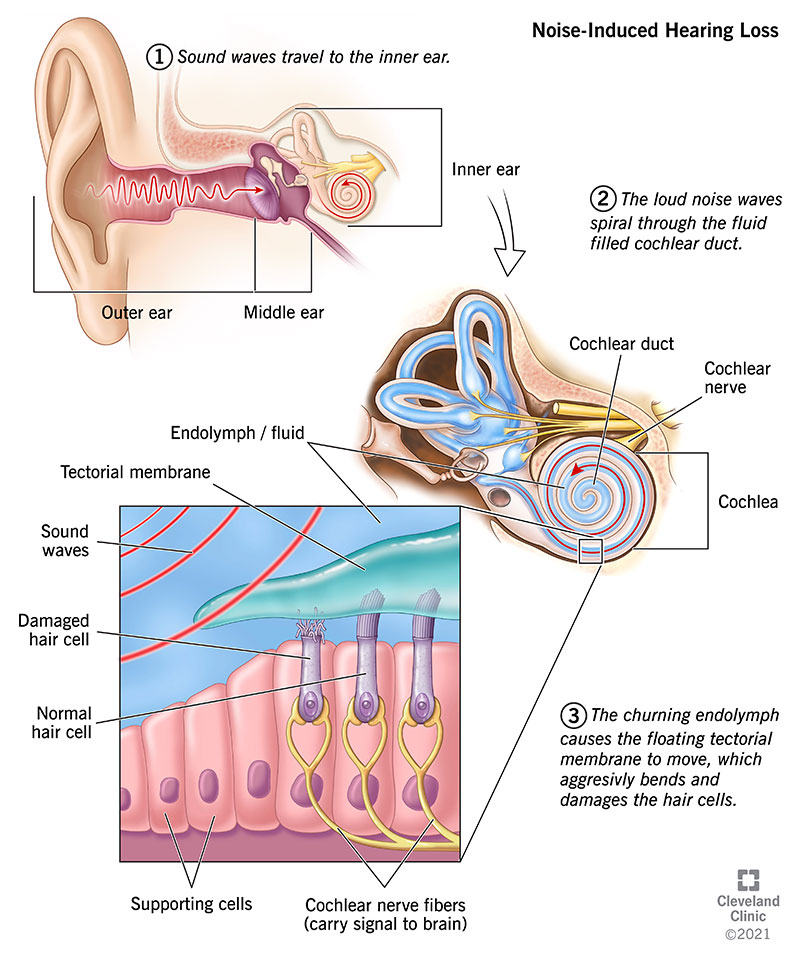
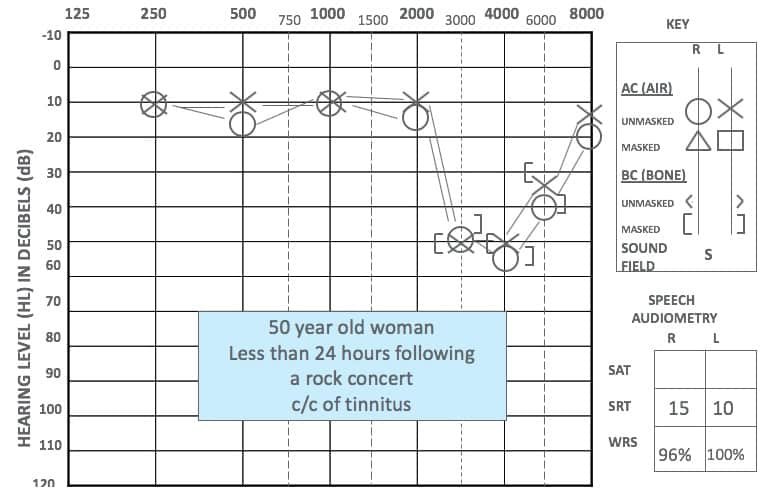
When exposed to loud noises, the delicate structures of the inner ear can suffer damage. Prolonged or repeated exposure to excessive noise can harm the hair cells in the cochlea, which are responsible for transmitting sound signals to the brain. Once damaged, these cells can no longer perform their function effectively, leading to hearing loss and tinnitus.
Connection between Loud Noises and Tinnitus
Research Studies on Noise-Induced Tinnitus
Numerous research studies have examined the link between loud noises and tinnitus. These studies consistently demonstrate that exposure to high levels of noise can increase the risk of developing tinnitus. Furthermore, they highlight the importance of preventative measures to reduce noise exposure and protect hearing health.
Mechanisms by Which Loud Noises Cause Tinnitus
The mechanisms by which loud noises cause tinnitus are not fully understood. However, it is believed that the excessive stimulation of the auditory system due to loud noise exposure can lead to changes in neuronal activity. This abnormal activity can then manifest as the perception of tinnitus.
Individual Susceptibility to Noise-Induced Tinnitus
It is worth noting that not everyone exposed to loud noises will develop tinnitus. The susceptibility to noise-induced tinnitus can vary among individuals. Factors such as genetic predisposition, overall health, previous noise exposure, and age can influence an individual’s likelihood of experiencing tinnitus following exposure to loud noises.
Firearms and Tinnitus
Introduction to Firearms and their Noise Levels
Firearms are known for their high-intensity noise output, which can reach levels well above the safe threshold for hearing. The sound produced by firearms, especially small arms like handguns or rifles, can exceed 140 dB, causing immediate and potentially permanent damage to the ears.
Scientific Studies on Firearms and Tinnitus
Numerous scientific studies have explored the relationship between firearms and tinnitus. These studies consistently demonstrate that individuals exposed to firearm noise, whether in military or civilian settings, are at a significantly higher risk of developing tinnitus. The risk increases with the intensity and duration of exposure.
Prevention and Protection Measures for Firearm Users
To minimize the risk of developing tinnitus from firearm noise, it is essential for firearm users to implement prevention and protection measures. These can include wearing hearing protection devices such as earplugs or earmuffs specifically designed for shooting activities. Additionally, adopting safe shooting practices and reducing exposure time to firearms can also help mitigate the risk of tinnitus.
Explosions and Tinnitus
Introduction to Explosions and their Noise Levels
Explosions generate extremely high levels of noise that can cause severe damage to the auditory system. The noise produced by explosions, whether from industrial accidents, combat, or other sources, can exceed 150 dB and can result in immediate and permanent hearing loss.
Research on Explosions and Tinnitus
Research on the relationship between explosions and tinnitus has shown a clear link between exposure to blast events and the development of tinnitus. Explosions can cause damage to the delicate structures of the inner ear, including the hair cells and the auditory nerve, leading to tinnitus and other hearing problems.
Effects of Blast Overpressure on Tinnitus
Blast overpressure, the sudden increase in air pressure associated with explosions, can have a significant impact on the occurrence and severity of tinnitus. The rapid change in pressure can cause physical trauma to the auditory system, resulting in tinnitus. The intensity and proximity of the blast are crucial factors in determining the likelihood and severity of tinnitus.
Other Sources of Loud Noises and Associated Tinnitus
Industrial Noise and Tinnitus
Industrial environments often expose workers to high levels of noise, increasing their risk of developing tinnitus. Machinery, heavy equipment, and construction sites are common sources of noise in industrial settings. Proper hearing protection and noise control measures are essential in minimizing the risk of tinnitus and other hearing-related problems among industrial workers.
Recreational Activities and Tinnitus
Engaging in recreational activities such as attending live concerts, using power tools, or participating in motorcycling can expose individuals to loud noises that can lead to tinnitus. It is crucial for individuals to take precautionary measures, such as wearing hearing protection and limiting exposure time, to protect their hearing and prevent tinnitus.
Military Service and Tinnitus
Military personnel are often exposed to various sources of loud noises, including firearms, explosions, and high-intensity machinery. Consequently, military service is associated with a higher risk of developing tinnitus. Military organizations should prioritize hearing protection and implement comprehensive hearing conservation programs to mitigate the risk of tinnitus among service members.
Managing and Treating Tinnitus
Tinnitus Evaluation and Diagnosis
If you experience symptoms of tinnitus, it is important to seek an evaluation and diagnosis from a healthcare professional specializing in audiology. A thorough assessment will help determine the underlying cause and severity of your tinnitus, allowing for personalized treatment interventions.
Conventional Treatments for Tinnitus
Conventional treatments for tinnitus aim to manage and alleviate symptoms. These may include sound therapy, counseling, cognitive behavioral therapy, medication, and the use of assistive hearing devices. Your healthcare provider will guide you through the available options and tailor a treatment plan based on your specific needs.
Alternative Approaches to Tinnitus Management
In addition to conventional treatments, alternative approaches to tinnitus management may also be considered. These can include acupuncture, herbal remedies, relaxation techniques, and dietary adjustments. It is essential to consult with healthcare professionals experienced in these alternative therapies and discuss their potential benefits and risks.
Protecting Hearing Health
Importance of Hearing Protection
Protecting your hearing health is crucial in preventing the development of tinnitus and other hearing-related problems. Using hearing protection devices, such as earplugs or earmuffs, in noisy environments can effectively reduce the risk of tinnitus. Additionally, maintaining overall good health, managing stress levels, and avoiding excessive noise exposure are essential for protecting your hearing.
Hearing Conservation Programs
Hearing conservation programs play a vital role in protecting individuals from occupational noise exposure. These programs, often implemented in industrial or military settings, focus on raising awareness, providing education, facilitating regular hearing screenings, and promoting the consistent use of hearing protection devices. By implementing comprehensive hearing conservation programs, employers can ensure the well-being of their employees’ hearing health.
Role of Education and Awareness
Education and awareness are critical in preventing hearing loss and tinnitus. By understanding the risks associated with loud noises and adopting preventive measures, individuals can take control of their hearing health. Public health campaigns, workplace trainings, and community initiatives should emphasize the importance of hearing protection and the potential consequences of noise exposure.
Legal Considerations and Noise Regulations
Occupational Safety and Health Administration (OSHA) Guidelines
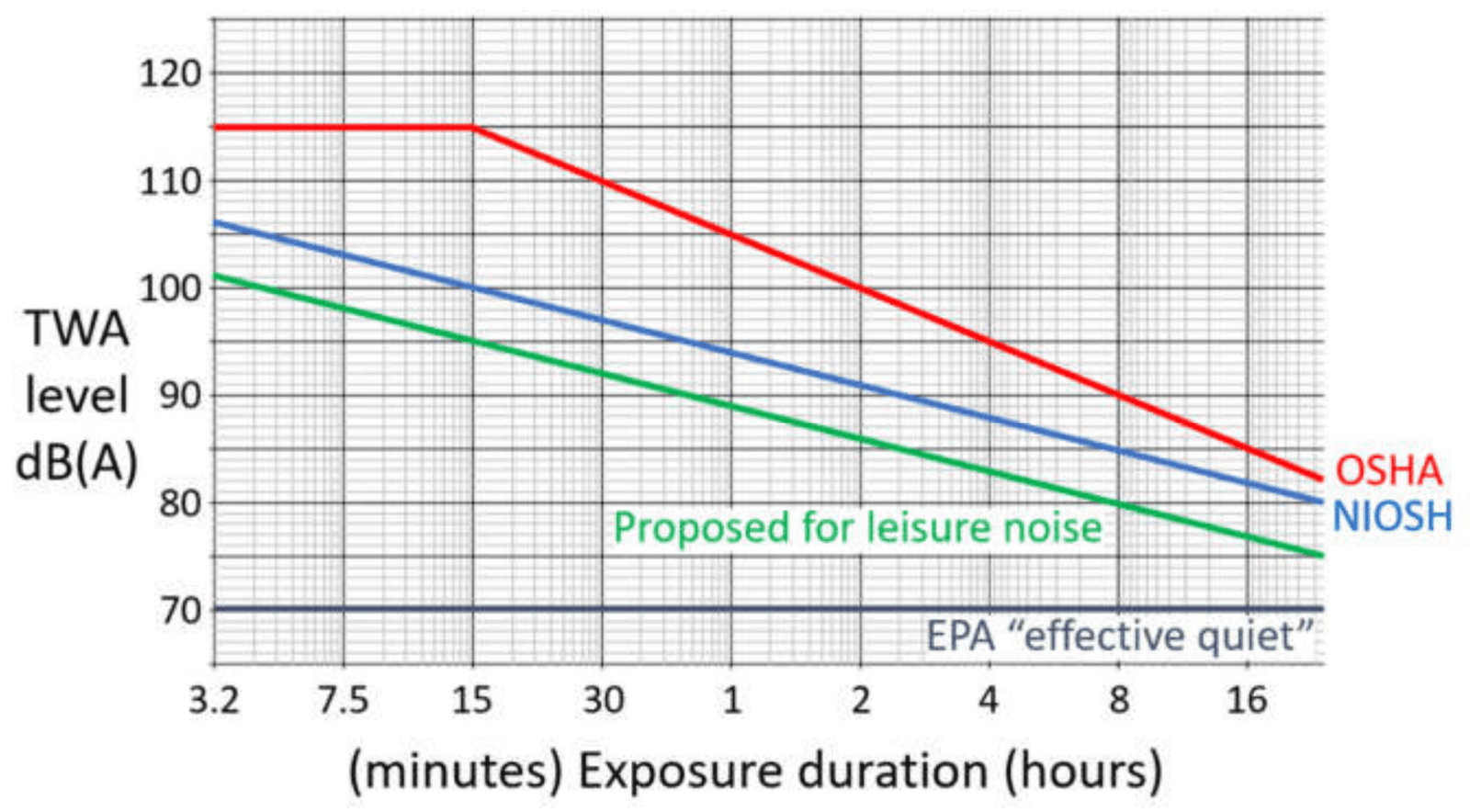
In the United States, the Occupational Safety and Health Administration (OSHA) has established guidelines and regulations to protect workers from noise-induced hearing loss. These guidelines define permissible noise exposure levels, mandate the use of hearing protection in certain industries, and require employers to implement hearing conservation programs to safeguard their employees’ hearing health.
Hearing Protection Laws and Standards
Various countries around the world have implemented hearing protection laws and standards to regulate noise exposure in different sectors. These laws typically establish maximum permissible noise levels, specify required hearing protection measures, and outline employer and employee responsibilities in ensuring hearing health and safety.
Responsibilities of Employers and Employees
Both employers and employees play crucial roles in preventing noise-induced hearing loss and tinnitus. Employers are responsible for implementing effective engineering controls, providing suitable hearing protection devices, conducting regular noise assessments, and educating employees about the risks of noise exposure. Employees, on the other hand, are responsible for using hearing protection devices as instructed, following safe work practices, and reporting any concerns or symptoms related to tinnitus or hearing loss.
Conclusion
Exposure to loud noises, whether from firearms, explosions, industrial settings, or recreational activities, can indeed lead to the development of tinnitus. Understanding the causes, mechanisms, and associated risks of tinnitus is essential in implementing preventive measures and protecting hearing health. By adopting proper hearing protection, engaging in hearing conservation programs, and raising awareness about the importance of hearing health, we can work together to reduce the prevalence of tinnitus and ensure a healthier future for our ears.