
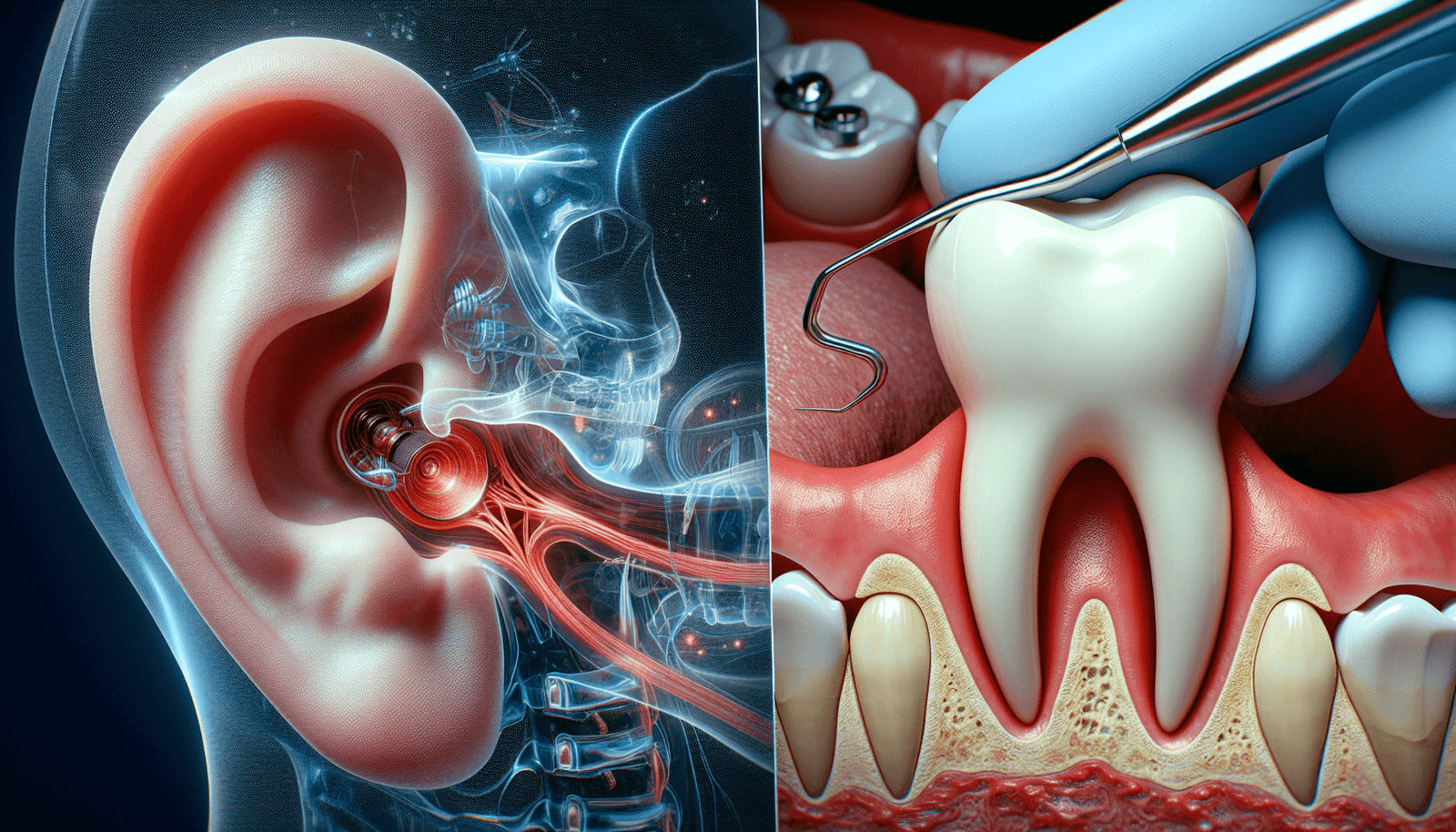
Have you ever wondered if there could be a connection between tinnitus, that constant ringing in your ears, and dental procedures or dental appliances? It’s a fascinating question that has caught the attention of researchers and individuals alike. In this article, we explore the possibility of this relationship and delve into the potential causes and solutions for tinnitus connected to dental practices. Whether you’ve experienced tinnitus or are simply curious about the intersection of dental health and ear-related issues, this article aims to provide you with valuable insights and information. So, let’s explore the intriguing link between tinnitus and dental procedures or dental appliances together.

Overview
Tinnitus refers to the perception of sound in the absence of an external stimulus. This condition, often described as ringing or buzzing in the ears, can be distressing and impact an individual’s quality of life. It is important to understand the possible causes of tinnitus in order to effectively manage and treat it. While there are various factors that can contribute to the development of tinnitus, recent research suggests a potential connection between tinnitus and dental procedures or dental appliances.
Definition of Tinnitus
Tinnitus is a symptom characterized by the perception of sound when there is no external source of sound present. It can manifest as ringing, buzzing, hissing, or other sounds, and can occur in one or both ears. Tinnitus can be temporary or chronic, and its severity can vary among individuals. It is vital to recognize that tinnitus is not a disease itself, but rather a symptom of an underlying condition.
Prevalence of Tinnitus
Tinnitus is a prevalent condition that affects a significant portion of the population. According to the American Tinnitus Association, around 15% of the global population experiences some form of tinnitus. It can occur at any age, but is more commonly reported among individuals over the age of 40. Tinnitus can be influenced by various factors, including exposure to loud noises, aging, and certain medical conditions. However, emerging evidence suggests that dental procedures and appliances may also play a role in the development of tinnitus.
Possible Causes of Tinnitus
Role of Dental Procedures and Appliances
Research has indicated a potential link between specific dental procedures and the onset of tinnitus. It has been hypothesized that certain dental interventions, such as tooth extraction or root canal treatments, can lead to the development or exacerbation of tinnitus. Additionally, the use of dental appliances, such as removable dentures or orthodontic devices, has also been associated with tinnitus in some cases.
Exploring Dental Infections
Dental infections, particularly those affecting the teeth, gums, or jaw, have been recognized as potential contributors to tinnitus. These infections can release inflammatory mediators, which can induce changes in blood flow and nerve activity in the affected area. Consequently, this can trigger the perception of tinnitus. Establishing good oral hygiene practices and promptly treating dental infections may help prevent or alleviate tinnitus symptoms.
Impact of TMJ Disorders
Temporomandibular joint (TMJ) disorders, which affect the joint connecting the jawbone to the skull, can also be linked to tinnitus. Dysfunction in this joint can cause imbalances in muscle tension and joint position, leading to symptoms like jaw pain, clicking or popping sounds, and tinnitus. Dental professionals are trained to recognize signs of TMJ disorders and can offer appropriate treatment or referrals to specialist professionals, such as orthodontists or oral surgeons.
Link between Dental Anesthesia and Tinnitus
Certain local anesthetics used in dental procedures have been associated with tinnitus as a potential adverse effect. Lidocaine, a commonly used local anesthetic, has been reported to cause tinnitus in some cases. The exact mechanism behind this association is not yet fully understood, but it highlights the importance of monitoring patients during and after dental procedures to identify any potential side effects, including tinnitus.
Research Studies
Studies on Dental Procedures and Tinnitus
Several studies have investigated the relationship between dental procedures and tinnitus. A study published in the Journal of Oral Rehabilitation found that individuals who had undergone tooth extraction were more likely to experience tinnitus compared to those who had not undergone such dental treatments. Other studies have also reported associations between tinnitus and specific dental procedures, suggesting a potential causal connection.
Evaluating the Association between Dental Appliances and Tinnitus
Research has also explored the link between dental appliances and tinnitus. A study published in the International Journal of Dentistry investigated the prevalence of tinnitus in individuals who wore removable dentures. The study found a higher prevalence of tinnitus among denture wearers compared to non-denture wearers. However, further research is needed to determine the exact mechanisms underlying this association and to identify any potential preventive measures.
Tinnitus Management
Diagnosing Tinnitus
Diagnosing tinnitus can be challenging, as it is a subjective symptom and does not have a specific test to confirm its presence. Typically, healthcare professionals will conduct a thorough medical history and physical examination to identify any underlying conditions that may contribute to tinnitus. They may also perform audiological assessments to assess hearing function and determine the characteristics and severity of tinnitus.
Treatment Options for Tinnitus
Currently, there is no known cure for tinnitus. However, there are various management strategies that can help individuals cope with the symptoms and improve their quality of life. These treatment approaches can include sound-based therapies, behavioral therapies, stress management techniques, and medication, depending on the individual’s specific needs. It is crucial to tailor the treatment plan to each patient’s unique situation and consider any potential dental-related factors.
Addressing Dental-Related Tinnitus
When addressing tinnitus potentially related to dental procedures or appliances, a multidisciplinary approach involving dental and audiology professionals is recommended. This collaboration allows for a comprehensive evaluation of the individual’s dental and auditory health, enabling the identification and management of any underlying dental causes of tinnitus. Treatment options may include addressing dental infections, adjusting dental appliances, or modifying certain dental procedures to alleviate tinnitus symptoms.
Prevention and Precautions
Considering Dental Hygiene
Maintaining good dental hygiene practices is essential for preventing various oral health issues, including those that may contribute to tinnitus. Regular brushing and flossing, along with routine professional cleanings, can help prevent dental infections and reduce the risk of tinnitus development. It is crucial to follow proper oral hygiene techniques recommended by dental professionals to maintain optimal oral health.
Importance of Regular Dental Check-ups
Routine dental check-ups play a crucial role in monitoring oral health and detecting any potential issues that may contribute to tinnitus. Dental professionals can assess the condition of the teeth, gums, and jaw, and promptly address any concerns that may arise. Regular examinations also provide an opportunity for individuals to discuss any symptoms they may be experiencing, including tinnitus, ensuring early intervention and appropriate management.
Choosing Appropriate Dental Appliances
When considering dental appliances, it is important to select those that are well-fitted and properly designed. Ill-fitting or poorly designed dental appliances can contribute to jaw misalignment, muscle tension, and other issues that may lead to tinnitus. Working closely with dental professionals who have expertise in dental appliance design and fabrication can help ensure the selection of appropriate appliances tailored to an individual’s specific needs.
Informing Dental Professionals
Educating Dentists about Tinnitus
Given the potential connection between dental procedures or appliances and tinnitus, it is important for dental professionals to be knowledgeable about this possible association. Continuing education programs and professional conferences can provide opportunities for dental professionals to stay updated on the latest research and evidence related to tinnitus. This knowledge will allow them to proactively identify and address any dental-related factors that may contribute to tinnitus in their patients.
Collaboration between Dental and Audiology Professionals
To provide comprehensive care for individuals with tinnitus, collaboration between dental and audiology professionals is crucial. By working together, these healthcare providers can combine their expertise to assess and manage the various contributing factors to tinnitus, including any dental-related causes. This interdisciplinary collaboration ensures that patients receive the most appropriate and effective care, leading to better outcomes and improved quality of life.
Case Studies
Documented Cases of Tinnitus Related to Dental Procedures
Several documented cases have reported tinnitus occurring after specific dental procedures. These cases serve as anecdotal evidence of the potential connection between dental interventions and tinnitus. While case studies provide valuable insights, they should be interpreted cautiously, as they represent individual experiences and may not apply universally. Further research is needed to establish a more definitive causal relationship between dental procedures and the onset of tinnitus.
Patients’ Experiences with Tinnitus and Dental Appliances
Many individuals have reported tinnitus occurring after using certain dental appliances. Specific devices, such as removable dentures or orthodontic braces, have been implicated in these cases. Patients often describe a correlation between the use of dental appliances and the onset or exacerbation of tinnitus symptoms. Their experiences emphasize the importance of careful monitoring and adjustment of dental appliances to ensure optimal comfort and minimize any potential impact on tinnitus.
Awareness and Support
Increasing Awareness about Tinnitus and Its Association with Dental Procedures
As understanding of the potential connection between tinnitus and dental procedures or appliances continues to evolve, it is essential to increase awareness among both healthcare professionals and the general public. Dental professionals can play a key role in educating their patients about the potential risks and precautions associated with dental interventions. Awareness campaigns and educational materials can also be disseminated to enhance public understanding and foster proactive management of tinnitus.
Support Groups and Resources for Individuals with Tinnitus
Living with tinnitus can be challenging, and individuals may benefit from joining support groups or seeking out resources dedicated to this condition. These platforms provide individuals with the opportunity to connect with others who share similar experiences, exchange coping strategies, and access valuable information. Moreover, hearing healthcare professionals and organizations can offer guidance and resources to help individuals manage their tinnitus effectively.
Conclusion
The connection between tinnitus and dental procedures or dental appliances warrants further exploration and consideration in clinical practice. While conclusive evidence establishing a definitive causal relationship is still evolving, preliminary research and reported cases suggest a potential association. Dental professionals should remain aware of this possible link and collaborate with audiology professionals to ensure comprehensive patient care. By recognizing and addressing any dental-related factors contributing to tinnitus, healthcare providers can help individuals manage their symptoms and improve their quality of life.