
Chronic pain is a complex and often debilitating condition that can significantly alter your daily life. Unlike acute pain, which serves as a warning signal for injury or illness, chronic pain persists for months or even years, often without a clear cause. This ongoing discomfort can stem from various sources, including past injuries, medical conditions, or even psychological factors.
As you navigate through life with chronic pain, you may find that it affects not only your physical well-being but also your emotional and social health. The constant presence of pain can lead to feelings of frustration, helplessness, and isolation, making it essential to understand the multifaceted nature of this condition. Living with chronic pain can create a ripple effect in your life.
You may find that simple tasks become monumental challenges, and activities you once enjoyed may now feel impossible. The unpredictability of pain can lead to anxiety about when it might flare up, causing you to withdraw from social engagements or avoid physical activities altogether. This withdrawal can further exacerbate feelings of loneliness and depression, creating a cycle that is difficult to break.
Understanding the impact of chronic pain on your life is the first step toward finding effective management strategies and reclaiming your sense of self.
Key Takeaways
- Chronic pain is a persistent condition that can affect all aspects of a person’s life, including physical, emotional, and mental well-being.
- Managing chronic pain involves a combination of strategies and techniques, such as medication, physical therapy, and exercise, to find relief and improve quality of life.
- Holistic approaches to chronic pain management emphasize the mind-body connection and the importance of addressing both physical and emotional aspects of pain.
- Medication plays a role in chronic pain management, but it should be used in conjunction with other therapies and under the guidance of a healthcare professional.
- Physical therapy and exercise are crucial for managing chronic pain, as they can improve strength, flexibility, and overall function, while also reducing pain and preventing further complications.
Managing Chronic Pain: Strategies and Techniques for Relief
When it comes to managing chronic pain, a multifaceted approach is often the most effective. You may find that combining various strategies can provide the relief you seek. One common technique is the use of cognitive-behavioral therapy (CBT), which helps you identify and change negative thought patterns related to your pain.
By reframing your mindset, you can develop healthier coping mechanisms that empower you to take control of your situation. Additionally, mindfulness practices such as meditation and deep-breathing exercises can help you cultivate a sense of calm and reduce the perception of pain. Another essential aspect of managing chronic pain is establishing a routine that incorporates self-care practices.
This might include regular sleep patterns, balanced nutrition, and hydration. You may also want to explore alternative therapies such as acupuncture or massage, which have been shown to provide relief for some individuals. Keeping a pain diary can also be beneficial; by tracking your symptoms and identifying potential triggers, you can make informed decisions about your lifestyle and treatment options.
Remember, what works for one person may not work for another, so it’s crucial to remain open-minded and patient as you explore different avenues for relief.
Holistic Approaches to Chronic Pain Management: Mind-Body Connection

The mind-body connection plays a significant role in how you experience and manage chronic pain. Holistic approaches emphasize the importance of treating the whole person rather than just the symptoms. Techniques such as yoga and tai chi not only promote physical flexibility and strength but also encourage mental clarity and emotional balance.
Engaging in these practices can help you develop a deeper awareness of your body and its signals, allowing you to respond more effectively to pain. Incorporating mindfulness into your daily routine can also enhance your ability to cope with chronic pain. Mindfulness encourages you to stay present in the moment, reducing anxiety about future pain episodes or regrets about past experiences.
By focusing on your breath and bodily sensations, you can create a sense of calm that may help alleviate discomfort. Additionally, exploring creative outlets such as art or music therapy can provide an emotional release and foster a sense of connection with yourself and others. Embracing these holistic approaches can empower you to take charge of your pain management journey.
The Role of Medication in Chronic Pain Management
While holistic approaches are valuable, medication often plays a crucial role in managing chronic pain for many individuals. Your healthcare provider may prescribe various types of medications depending on the nature and severity of your pain. Nonsteroidal anti-inflammatory drugs (NSAIDs) are commonly used for mild to moderate pain relief, while opioids may be prescribed for more severe cases.
However, it’s essential to approach medication with caution due to potential side effects and the risk of dependency. In addition to traditional pain relievers, some individuals find relief through adjuvant medications such as antidepressants or anticonvulsants, which can help manage nerve-related pain. It’s vital to maintain open communication with your healthcare provider about your experiences with medication, including any side effects or concerns you may have.
Together, you can develop a comprehensive pain management plan that balances medication with other therapeutic approaches, ensuring that you have the best chance at achieving relief while minimizing risks.
The Importance of Physical Therapy and Exercise for Chronic Pain
Physical therapy is an invaluable resource for individuals dealing with chronic pain. A skilled physical therapist can assess your specific needs and develop a tailored exercise program designed to improve strength, flexibility, and overall function. Engaging in regular physical activity can help reduce stiffness and improve circulation, which may alleviate some of your discomfort.
Moreover, physical therapy often incorporates education about body mechanics and posture, empowering you to make adjustments that can prevent further injury. Exercise doesn’t have to be intense or overwhelming; even gentle activities like walking or swimming can provide significant benefits. Finding an exercise routine that you enjoy is crucial for maintaining consistency.
You might consider joining a group class or finding a workout buddy to keep you motivated. Remember that progress may be gradual; celebrating small victories along the way can help maintain your motivation and reinforce positive changes in your lifestyle.
Seeking Support: The Power of Community and Counseling
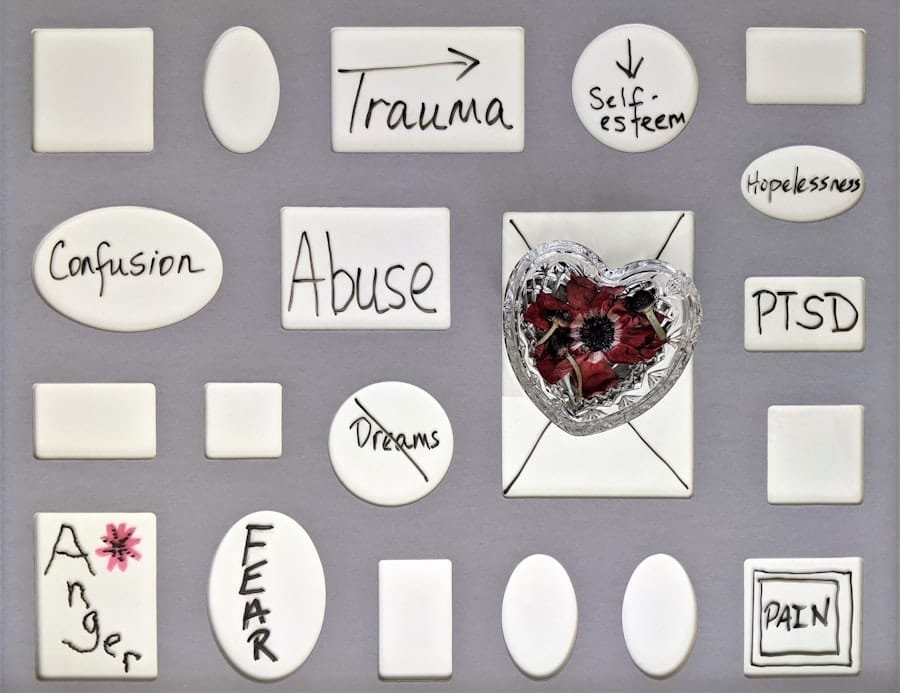
Navigating the challenges of chronic pain can feel isolating, but seeking support from others who understand your experience can be incredibly beneficial. Connecting with support groups—whether in-person or online—can provide a safe space for sharing your feelings and learning from others’ experiences. These communities often foster a sense of belonging and understanding that can help combat feelings of loneliness.
In addition to peer support, counseling or therapy can offer valuable tools for coping with the emotional aspects of chronic pain. A mental health professional can help you explore underlying issues related to your pain, such as anxiety or depression, and guide you in developing effective coping strategies. Engaging in open conversations about your feelings can lead to greater self-awareness and resilience as you navigate the complexities of living with chronic pain.
Overcoming Mental and Emotional Challenges of Chronic Pain
Chronic pain often brings with it a host of mental and emotional challenges that can be just as debilitating as the physical symptoms themselves. You may experience feelings of frustration, anger, or sadness as you grapple with the limitations imposed by your condition. It’s essential to acknowledge these emotions rather than suppress them; doing so allows you to process your experiences more fully and find healthier ways to cope.
Developing resilience is key to overcoming these challenges. This might involve cultivating a positive mindset through gratitude practices or engaging in activities that bring you joy and fulfillment. Setting realistic goals for yourself—whether they are related to managing pain or pursuing hobbies—can also foster a sense of accomplishment and purpose.
Remember that it’s okay to seek help when needed; reaching out for support from friends, family, or professionals can provide the encouragement necessary to navigate the emotional landscape of chronic pain.
Moving Forward: Creating a Life Beyond Chronic Pain
While living with chronic pain presents unique challenges, it’s important to remember that it doesn’t have to define your entire existence. As you explore various management strategies and support systems, you may discover new passions or interests that enrich your life beyond pain. Embracing a proactive approach—whether through self-care practices, community engagement, or personal development—can empower you to create a fulfilling life despite the limitations imposed by chronic pain.
Setting long-term goals for yourself can also provide direction and motivation as you move forward. Whether it’s pursuing education, volunteering, or simply spending more time with loved ones, focusing on what brings you joy can help shift your perspective from one of limitation to one of possibility. Remember that healing is not linear; there will be ups and downs along the way.
By cultivating resilience and maintaining an open mind, you can create a life that transcends chronic pain and embraces the richness of human experience.
FAQs
What is chronic pain?
Chronic pain is defined as pain that persists for 12 weeks or longer, often lasting beyond the normal healing time for an injury or illness. It can be caused by a variety of factors, including injury, illness, or underlying health conditions.
What are the common causes of chronic pain?
Common causes of chronic pain include arthritis, fibromyalgia, nerve damage, migraine headaches, and past injuries or surgeries. It can also be a symptom of underlying health conditions such as diabetes, cancer, or autoimmune disorders.
How can chronic pain affect daily life?
Chronic pain can have a significant impact on daily life, affecting physical and mental well-being, sleep, work, and relationships. It can lead to decreased mobility, increased stress, and feelings of depression and anxiety.
What are some treatment options for chronic pain?
Treatment options for chronic pain may include medication, physical therapy, acupuncture, nerve blocks, and psychological counseling. Lifestyle changes such as exercise, stress management, and healthy eating can also help manage chronic pain.
How can one reclaim their life from chronic pain?
Reclaiming life from chronic pain involves a multi-faceted approach, including seeking medical treatment, making lifestyle changes, and finding support from healthcare professionals, family, and friends. It may also involve learning to manage pain through techniques such as mindfulness and relaxation.