
Premature ejaculation (PE) is a common sexual dysfunction that affects many men at some point in their lives. It is characterized by the inability to control ejaculation, leading to climaxing sooner than desired during sexual intercourse. This condition can cause significant distress, not only for the individual but also for their partner, often leading to feelings of inadequacy, frustration, and anxiety.
Understanding the nuances of PE is crucial for addressing the issue effectively. You may find that it is not merely a physical problem but can also be influenced by psychological factors, relationship dynamics, and even cultural expectations surrounding masculinity and sexual performance. The prevalence of premature ejaculation is noteworthy; studies suggest that it affects approximately 20-30% of men globally.
However, the perception of what constitutes “premature” can vary widely among individuals and couples. For some, lasting just a few minutes may feel too short, while others may have different benchmarks. This variability can complicate discussions about PE, as it often involves personal feelings and societal pressures.
Recognizing that you are not alone in this experience can be a comforting first step toward seeking help and finding effective solutions.
Key Takeaways
- Premature ejaculation is a common sexual dysfunction characterized by ejaculation that occurs too quickly during sexual activity.
- Common treatment options for premature ejaculation include behavioral techniques, medication, psychological therapies, and lifestyle changes.
- Medications such as selective serotonin reuptake inhibitors (SSRIs) and topical anesthetics can be used to treat premature ejaculation.
- Psychological therapies such as cognitive behavioral therapy (CBT) and sex therapy can help address underlying psychological factors contributing to premature ejaculation.
- Lifestyle changes such as practicing pelvic floor exercises and using the start-stop technique during sexual activity can help improve premature ejaculation.
Common Treatment Options for Premature Ejaculation
When it comes to treating premature ejaculation, a variety of options are available, each tailored to meet individual needs and circumstances. The first step in addressing PE often involves consulting with a healthcare professional who can provide guidance on the most suitable treatment plan. You may find that treatments can be broadly categorized into medical interventions, psychological therapies, and lifestyle changes.
Each approach has its own merits and can be effective depending on the underlying causes of your condition. Medical treatments typically include topical anesthetics, oral medications, and even hormonal therapies. These options aim to prolong the time before ejaculation occurs, allowing for a more satisfying sexual experience.
On the other hand, psychological therapies focus on addressing any emotional or mental health issues that may contribute to PE. Techniques such as cognitive-behavioral therapy (CBT) can help you develop coping strategies and improve your sexual confidence. Additionally, lifestyle changes—such as practicing relaxation techniques or engaging in regular physical activity—can also play a significant role in managing symptoms.
Medication for Premature Ejaculation
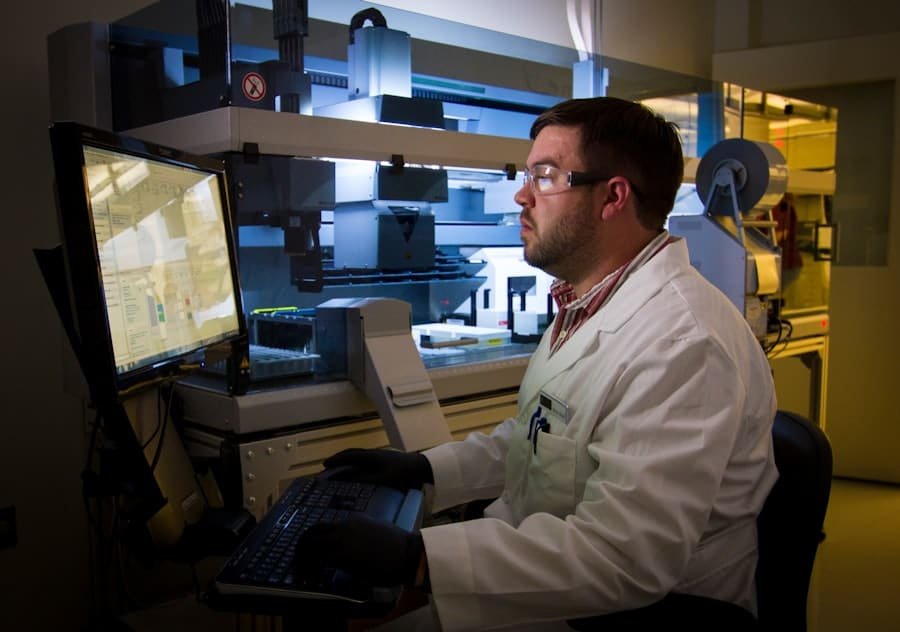
Medications are often one of the first lines of defense against premature ejaculation. You may be familiar with various types of drugs that can help manage this condition. Selective serotonin reuptake inhibitors (SSRIs), commonly used as antidepressants, have been found to delay ejaculation as a side effect.
Medications like paroxetine and sertraline are frequently prescribed for this purpose. While these drugs can be effective, they may also come with side effects such as nausea or fatigue, which you should discuss with your healthcare provider. In addition to SSRIs, there are topical anesthetics available that can be applied directly to the penis before intercourse.
These creams or sprays contain numbing agents like lidocaine or benzocaine, which can reduce sensitivity and help you last longer during sexual activity. While these medications can provide immediate relief, it’s essential to use them correctly to avoid any adverse effects or diminished pleasure for both you and your partner. Consulting with a healthcare professional will help you determine the best medication tailored to your specific needs.
Psychological Therapies for Premature Ejaculation
Psychological therapies can be incredibly beneficial for those dealing with premature ejaculation, especially if emotional factors play a significant role in your experience. Cognitive-behavioral therapy (CBT) is one of the most effective approaches, focusing on changing negative thought patterns and behaviors associated with sexual performance. Through CBT, you can learn to manage anxiety and build confidence in your sexual abilities, which may ultimately lead to improved control over ejaculation.
Another valuable psychological approach is sex therapy, which often involves both partners in the process. This type of therapy aims to improve communication between you and your partner while addressing any relational issues that may contribute to PE. By fostering a supportive environment where both partners feel comfortable discussing their needs and desires, you can work together toward a more satisfying sexual experience.
Engaging in these therapeutic practices not only helps alleviate the symptoms of PE but also strengthens the emotional bond between you and your partner.
Lifestyle Changes and Behavioral Techniques for Premature Ejaculation
In addition to medical and psychological treatments, lifestyle changes and behavioral techniques can significantly impact your ability to manage premature ejaculation. You might consider incorporating relaxation techniques into your daily routine, such as deep breathing exercises or mindfulness meditation. These practices can help reduce anxiety levels and promote a sense of calmness during intimate moments, allowing you to focus more on the experience rather than worrying about performance.
Behavioral techniques like the “stop-start” method or the “squeeze” technique can also be effective in helping you gain better control over ejaculation. The stop-start method involves pausing stimulation just before the point of ejaculation and then resuming once the urge subsides. This practice helps you become more aware of your body’s signals and gradually increases your stamina over time.
Similarly, the squeeze technique involves applying pressure to the base of the penis when you feel close to climaxing, which can help delay ejaculation. By practicing these techniques regularly, you may find that you gain greater control over your sexual responses.
Alternative and Complementary Treatments for Premature Ejaculation
Alternative Approaches to Managing Premature Ejaculation
Natural Remedies: Herbal Supplements
For those seeking alternative or complementary treatments for premature ejaculation, herbal supplements such as ginseng or maca root have been touted for their potential benefits in enhancing sexual performance and stamina. While some individuals report positive results from these natural remedies, it’s essential to approach them with caution and consult with a healthcare professional before starting any new supplement regimen.
Acupuncture: An Ancient Practice
Acupuncture is another alternative treatment that some men find helpful in managing PE. This ancient practice involves inserting thin needles into specific points on the body to promote balance and healing. While scientific evidence supporting acupuncture’s effectiveness for premature ejaculation is limited, many individuals report experiencing reduced anxiety and improved sexual function after undergoing treatment.
Complementary Therapies for PE Management
Exploring these alternative therapies may offer additional avenues for managing your condition while complementing more traditional approaches.
Success Rates and Effectiveness of Premature Ejaculation Treatment
The success rates of various treatments for premature ejaculation can vary widely based on individual circumstances and the specific methods employed. Research indicates that many men experience significant improvements in their condition when they seek appropriate treatment. For instance, studies show that SSRIs can increase ejaculatory latency time by an average of 2-3 times compared to placebo treatments.
Similarly, behavioral techniques have demonstrated effectiveness in helping men gain better control over their ejaculation. However, it’s important to note that not every treatment will work for everyone. Factors such as underlying health conditions, psychological issues, and personal preferences all play a role in determining the effectiveness of a particular approach.
You may need to try different combinations of treatments before finding what works best for you. Open communication with your healthcare provider will be crucial in navigating this process and ensuring that you receive personalized care tailored to your unique situation.
Does Premature Ejaculation Treatment Work?
In conclusion, while premature ejaculation can be a challenging condition to navigate, various treatment options are available that have proven effective for many men. Whether through medication, psychological therapies, lifestyle changes, or alternative treatments, there is hope for improvement and enhanced sexual satisfaction. It’s essential to remember that seeking help is a sign of strength rather than weakness; addressing this issue openly can lead to better outcomes for both you and your partner.
Ultimately, the effectiveness of treatment will depend on individual circumstances and preferences. By exploring different options and working closely with healthcare professionals, you can find a tailored approach that meets your needs. With patience and persistence, many men successfully manage premature ejaculation and enjoy fulfilling sexual experiences once again.
FAQs
What is premature ejaculation?
Premature ejaculation is a common sexual dysfunction where a man ejaculates sooner than he or his partner would like during sexual activity.
What are the treatment options for premature ejaculation?
Treatment options for premature ejaculation include behavioral techniques, topical anesthetics, oral medications, and counseling.
Do premature ejaculation treatments work?
Yes, premature ejaculation treatments can be effective for many men. However, the effectiveness of treatment can vary depending on the individual and the underlying causes of premature ejaculation.
What are some behavioral techniques for treating premature ejaculation?
Behavioral techniques for treating premature ejaculation include the start-stop technique, the squeeze technique, and the pause-squeeze technique. These techniques involve learning to control ejaculation through practice and communication with a partner.
Are there any medications that can help with premature ejaculation?
Yes, there are oral medications such as selective serotonin reuptake inhibitors (SSRIs) and topical anesthetics that can help with premature ejaculation. These medications work by altering neurotransmitters in the brain or desensitizing the penis to delay ejaculation.
Is counseling or therapy helpful for premature ejaculation?
Counseling or therapy can be helpful for premature ejaculation, especially if the condition is related to psychological factors such as anxiety or relationship issues. A therapist can help address underlying emotional or psychological issues that may be contributing to premature ejaculation.
What are the potential side effects of premature ejaculation treatments?
Potential side effects of premature ejaculation treatments can include temporary numbness or reduced sensation in the penis with topical anesthetics, as well as potential side effects such as nausea, dizziness, and decreased libido with oral medications. It’s important to discuss potential side effects with a healthcare provider before starting treatment.