You may not always be aware of it, but your liver works tirelessly to keep your body functioning smoothly. Sadly, liver disease is a common affliction that can impact this vital organ. It is crucial to recognize the signs that your liver may be in trouble. In this article, we will delve into the common symptoms of liver disease, shedding light on the subtle hints your body may be sending you. Understanding these symptoms could be key to early detection and effective treatment, so let’s explore the warning signs together.
Overview of Liver Disease
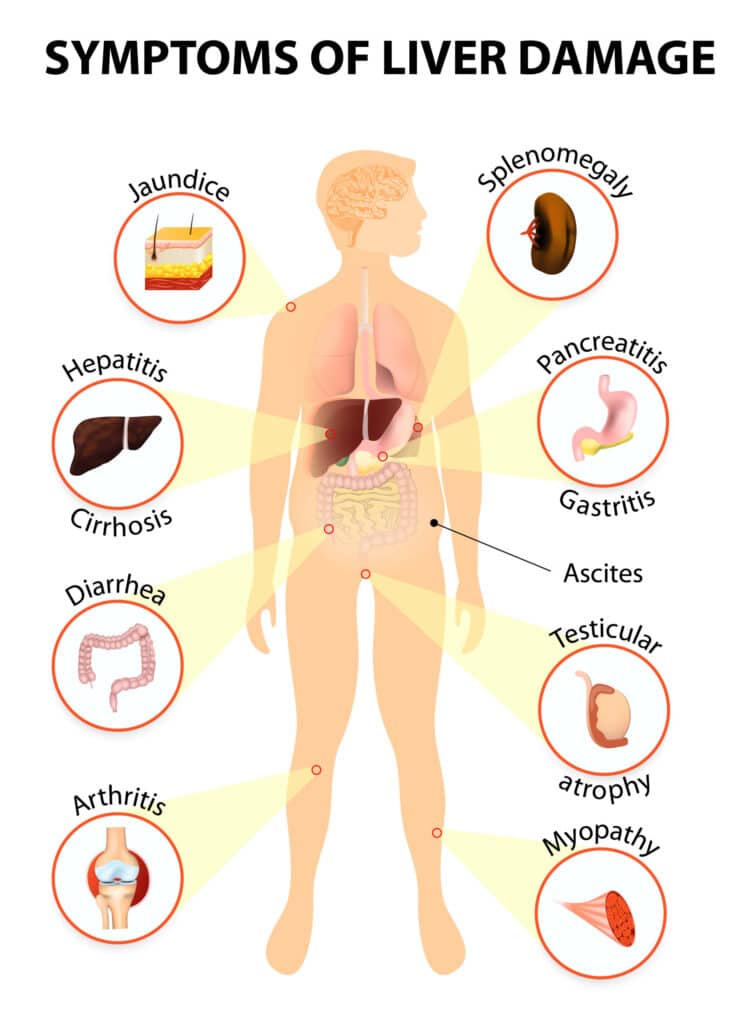
Liver disease refers to any condition that affects the liver, the vital organ responsible for filtering and detoxifying the blood, producing bile for digestion, and storing essential nutrients. There are various types of liver disease, each with its own causes, symptoms, and treatment options. It is important to understand the different types of liver disease and their common symptoms in order to identify and manage them effectively.
Types of Liver Disease
Alcohol-related liver disease
Alcohol-related liver disease is caused by excessive and prolonged alcohol consumption. It includes conditions such as alcoholic fatty liver disease, alcoholic hepatitis, and alcoholic cirrhosis. These conditions develop gradually over time and can lead to serious complications if left untreated.
Non-alcoholic fatty liver disease (NAFLD)
Non-alcoholic fatty liver disease is commonly observed in individuals who do not consume excessive alcohol. It is characterized by the accumulation of fat in the liver, which can lead to inflammation and scarring. NAFLD is often associated with obesity, diabetes, and metabolic syndrome.
Hepatitis
Hepatitis refers to inflammation of the liver, which can be caused by viruses, autoimmune disorders, or exposure to certain medications and toxins. Viral hepatitis is categorized into hepatitis A, B, C, D, and E, with each virus having different transmission routes and long-term effects on the liver.
Cirrhosis
Cirrhosis is a late-stage liver disease characterized by significant scarring and tissue damage. It can result from various causes, including chronic alcohol abuse, viral hepatitis, fatty liver disease, and autoimmune conditions. Cirrhosis can lead to liver failure and increases the risk of liver cancer.
Autoimmune liver diseases
Autoimmune liver diseases occur when the immune system mistakenly attacks the liver cells. Examples of autoimmune liver diseases include autoimmune hepatitis, primary biliary cholangitis, and primary sclerosing cholangitis. These conditions can cause chronic inflammation and damage to the liver if not properly managed.
Inherited liver diseases
Inherited liver diseases are genetic conditions that affect the liver. Examples include hemochromatosis, Wilson’s disease, and alpha-1 antitrypsin deficiency. These conditions disrupt the normal functioning of the liver and can result in a range of symptoms and complications.
Common Symptoms of Liver Disease
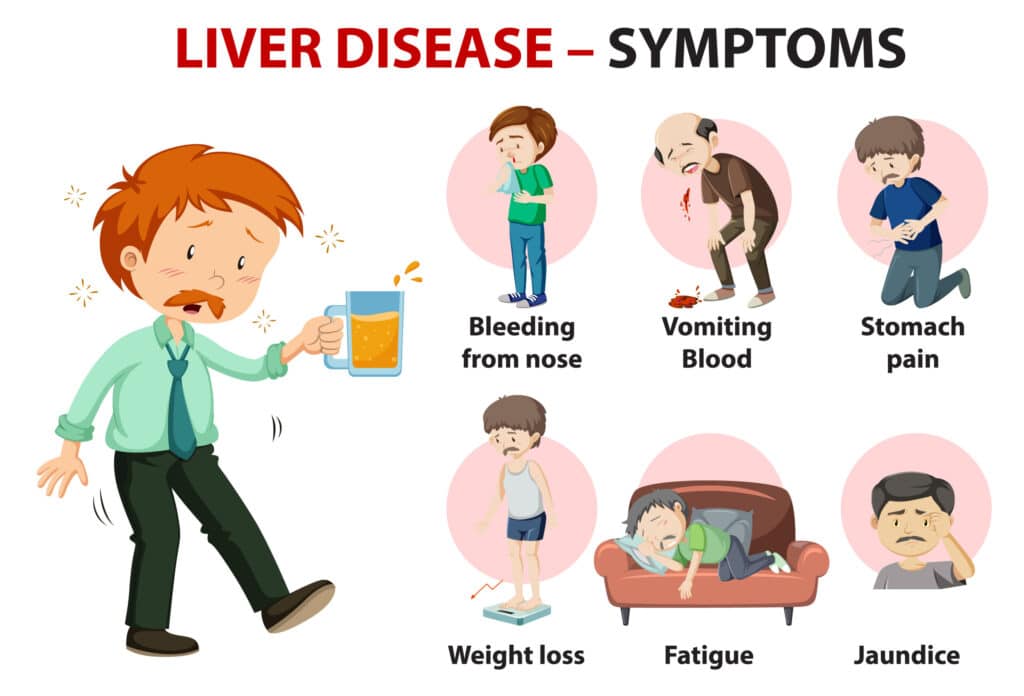
Recognizing the common symptoms of liver disease is crucial for early detection and intervention. While the specific symptoms can vary depending on the type and severity of liver disease, there are several signs that are commonly observed.
Jaundice
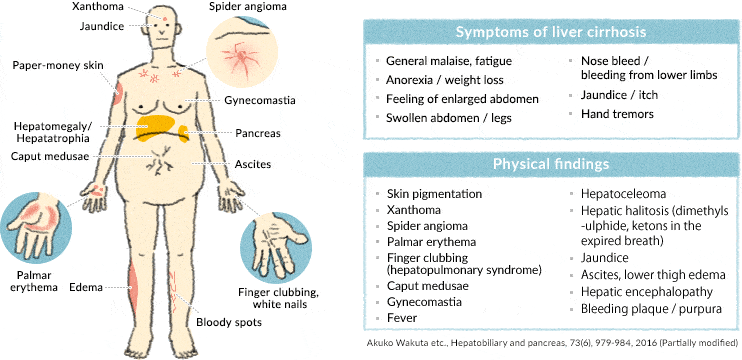
Jaundice is characterized by the yellowing of the skin and eyes due to the buildup of bilirubin, a yellow pigment produced by the liver. This occurs when the liver is unable to process bilirubin efficiently. In addition to the yellowing, jaundice can cause dark-colored urine and pale stools.
Abdominal pain and swelling
Liver disease can cause pain or discomfort in the upper-right portion of the abdomen, where the liver is located. This pain can range from mild to severe and may be accompanied by abdominal swelling due to fluid accumulation, a condition known as ascites.
Fatigue and weakness
Feeling excessively tired and lacking energy is a common symptom of liver disease. The liver plays a vital role in energy metabolism, and its dysfunction can lead to feelings of fatigue and muscle weakness.
Nausea and vomiting
Liver disease can cause persistent feelings of queasiness or stomach upset, often leading to episodes of vomiting. This can result from the liver’s impaired ability to process toxins and produce bile, affecting the digestive system.
Loss of appetite and weight loss
Liver disease can cause a reduced desire to eat, leading to a loss of appetite and unintentional weight loss. This can be due to various factors, including altered metabolism, nutrient deficiencies, and the buildup of toxins in the body.
Dark urine
Liver disease may cause urine to appear darker than usual, often presenting as a deep amber or brown color. This can be a sign of liver dysfunction or bile duct blockage, preventing the normal excretion of waste products.
Pale or bloody stools
Changes in stool color can be indicative of liver disease. Pale or clay-colored stools may suggest a lack of bile reaching the intestines, while bloody stools can indicate bleeding in the digestive tract, often associated with advanced liver disease.
Itchy skin
Liver disease can also manifest as persistent itching, primarily due to the accumulation of bile salts in the bloodstream. The itching may be more pronounced in the hands, feet, and legs, and can significantly impact the quality of life.
Spider-like blood vessels
The development of spider-like blood vessels on the skin, known as spider angiomas or spider nevi, can be a sign of liver disease. These small, dilated blood vessels are commonly found on the upper body, particularly the face, neck, and chest.
Mental confusion or forgetfulness
Advanced liver disease can lead to cognitive impairment, resulting in mental confusion, difficulty concentrating, and memory problems. This condition, known as hepatic encephalopathy, occurs when the liver’s ability to process toxins is severely compromised.
In conclusion, liver disease encompasses various conditions that can have a significant impact on overall health and well-being. Recognizing the common symptoms of liver disease is essential for early detection and timely intervention. If you experience any of these symptoms or suspect liver disease, it is important to consult with a healthcare professional for proper evaluation and treatment. Remember, taking care of your liver is crucial for maintaining a healthy and vibrant life.
