
- ## Understanding Your Oncology Options: Surgery vs. Radiation
You’ve received a diagnosis, and now the weight of decision-making presses down. Among the potential pathways to fight cancer, surgery and radiation therapy often emerge as primary contenders, each with its unique strengths and considerations. As your Listicle Content Architect, my aim is to demystify these complex treatments, helping you navigate this critical juncture with clarity and confidence. This listicle is designed to be your guide, presenting a comprehensive comparison of surgery and radiation, empowering you to engage in informed discussions with your medical team. We’ll delve into what each treatment entails, how they are used, their respective advantages and disadvantages, and the crucial factors that influence the choice between them. Understanding these nuances is not about picking a “better” option; it’s about identifying the “best” option for you, tailored to your specific diagnosis, overall health, and personal preferences.
The Foundation: What Are We Talking About?
Before we draw direct comparisons, it’s essential to establish a foundational understanding of each treatment modality. This isn’t about memorizing medical jargon; it’s about grasping the core principles so you can better comprehend the detailed comparisons that follow. Imagine these treatments as different tools in a powerful arsenal, each designed to achieve the same overarching goal: eliminating cancer cells and restoring your health.
Surgery: The Direct Intervention
Think of surgery as a physical removal. It is a procedure where a surgeon, using specialized instruments, directly removes cancerous tissue and, in some cases, surrounding healthy tissue or lymph nodes. The primary objective is to physically excise all or as much of the tumor as possible. The invasiveness of surgery varies greatly depending on the location, size, and stage of the cancer. It can range from minimally invasive laparoscopic procedures to extensive open surgeries. The success of surgery often hinges on the surgeon’s ability to achieve “clear margins” – meaning no cancer cells are detected at the edges of the removed tissue.
Radiation Therapy: The Targeted Attack
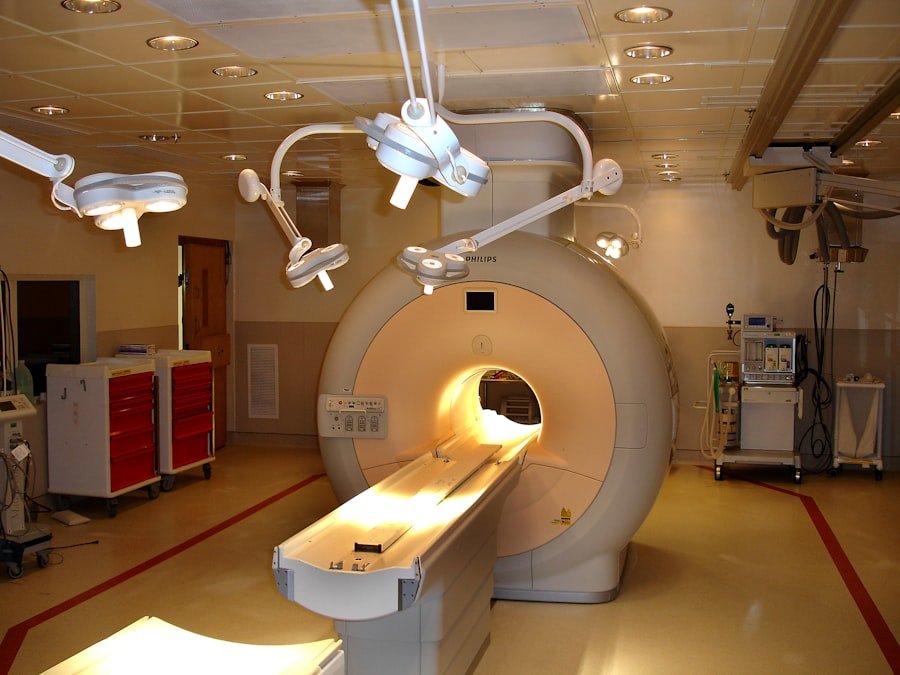
Radiation therapy, on the other hand, utilizes high-energy beams, such as X-rays or protons, to damage or destroy cancer cells. It works by damaging the DNA of cancer cells, preventing them from growing, dividing, and multiplying. While it damages cancer cells, it can also affect healthy cells in the treatment area. However, radiation oncologists are meticulous in planning treatment to minimize this collateral damage, delivering the radiation precisely to the tumor while sparing surrounding healthy tissues as much as possible. This can be delivered externally (external beam radiation therapy) or internally (brachytherapy), where radioactive sources are placed inside the body near the tumor.
- ## The “How It Works” Breakdown: Mechanisms of Action
Understanding the fundamental mechanism by which surgery and radiation tackle cancer is crucial for appreciating their differences. It’s not just about the physical act of removal versus the use of energy; it’s about how each approach fundamentally disrupts the cancer’s existence within your body. This section will illuminate these distinct pathways, providing you with a clearer picture of their respective battle plans against the disease.
Surgical Precision: Eliminating the Source
Surgery’s mechanism is straightforward: it’s an act of direct physical elimination. The surgeon’s scalpel or other surgical tools are used to carefully cut out the cancerous mass. The goal is to remove the primary tumor entirely. This can involve removing the affected organ or a portion of it. For example, a surgeon might remove a cancerous lobe of the lung, a section of the colon, or an entire breast affected by cancer.
Cutting Out the Disease
The core principle of surgical intervention is the physical excision of neoplastic tissue. This is often the first line of defense for localized solid tumors. The surgeon aims to achieve complete macroscopic removal of the tumor. In many cases, this also involves the removal of nearby lymph nodes, as cancer cells can spread to these nodes. This process is meticulously planned and executed, with the surgeon leveraging imaging techniques and their expertise to ensure the most effective removal while preserving as much healthy tissue and function as possible.
The Concept of Margins
A critical aspect of surgical success lies in achieving “clear margins.” This refers to the absence of cancer cells in the tissue surrounding the excised tumor. When the pathologist examines the removed tissue, they look for any signs of cancer cells at the edges. If the margins are clear, it indicates that the surgeon likely removed all of the visible cancer. If the margins are positive (cancer cells are present), it may necessitate further treatment, such as radiation or additional surgery, to eradicate any remaining microscopic disease.
Radiation’s Cellular Sabotage: Disruption at the DNA Level
Radiation therapy operates on a more microscopic, cellular level. It’s about inflicting damage that ultimately leads to cell death. While it sounds less direct than surgery, its targeted nature can be incredibly effective, especially in specific scenarios or as an adjuvant therapy.
Damaging the Blueprint
The primary mechanism of radiation therapy is the induction of DNA damage within cancer cells. Cancer cells, due to their rapid and often uncontrolled proliferation, are generally more susceptible to radiation-induced DNA damage than normal, healthy cells. When radiation beams interact with cells, they create free radicals and directly break DNA strands. This damage can be so severe that it overwhelms the cell’s repair mechanisms, leading to programmed cell death (apoptosis) or preventing the cell from replicating effectively.
Targeted Delivery for Maximum Impact
Modern radiation therapy is a marvel of precision engineering. Advanced technologies like Intensity-Modulated Radiation Therapy (IMRT), Volumetric Modulated Arc Therapy (VMAT), and proton therapy allow radiation oncologists to precisely shape the radiation beams to match the tumor’s contours. This minimizes the dose of radiation delivered to surrounding healthy tissues, thereby reducing the risk of side effects. The treatment is meticulously planned using detailed imaging scans (CT, MRI, PET) to pinpoint the exact location, size, and shape of the tumor, ensuring the radiation accurately targets the diseased cells.
- ## When to Choose What: Indications and Applications
The decision to recommend surgery or radiation therapy is rarely a monolithic one. It’s a complex interplay of factors specific to your cancer. This section explores the common scenarios and types of cancer where each treatment modality typically shines, providing you with insights into why your medical team might lean towards one over the other.
Surgery: The Go-To for Many Solid Tumors
Surgery is frequently the cornerstone of treatment for many localized solid tumors. Its primary advantage is its ability to physically remove the bulk of the cancer, offering the potential for a complete cure if all cancerous cells are eradicated.
Localized, Accessible Cancers
Surgery is often the preferred treatment for cancers that are confined to a specific area and can be surgically accessed and removed. This includes many common cancers like early-stage breast cancer, colon cancer, prostate cancer, and some types of lung and skin cancer. If the tumor is small, has not spread to distant organs, and can be safely removed with an acceptable risk of complications, surgery is usually a strong contender.
Diagnostic and Staging Role
Beyond treatment, surgery can also play a vital role in diagnosis and staging. A biopsy, which is a surgical procedure to obtain a tissue sample, is often necessary to confirm a cancer diagnosis. Surgical staging procedures may involve removing lymph nodes or examining nearby tissues to determine how far the cancer has spread, which is crucial for planning the most effective treatment strategy.
Debulking for Subsequent Therapies
In some advanced cancers where complete removal is not possible, surgery might be used to “debulk” the tumor. This means removing as much of the cancerous mass as possible. While debulking may not achieve a cure on its own, it can make subsequent treatments, such as chemotherapy or radiation therapy, more effective by reducing the number of cancer cells the other therapies need to fight.
Radiation Therapy: Versatility in Cancer Treatment
Radiation therapy boasts remarkable versatility. It can be used as a primary treatment, as an adjunct to surgery, or for palliation. Its ability to target cancer cells with high precision makes it invaluable in numerous situations.
Primary Treatment for Inoperable Cancers
When a tumor is located in an area that is difficult or dangerous to surgically remove, or if a patient is not a surgical candidate due to other health conditions, radiation therapy can serve as the primary treatment. This is common for some brain tumors, head and neck cancers, and certain types of lung cancer. Stereotactic radiosurgery (SRS) and stereotactic body radiation therapy (SBRT) are highly precise forms of radiation that can deliver high doses to small, well-defined tumors, offering an alternative to surgery.
Adjuvant and Neoadjuvant Therapy
Radiation therapy is frequently used after surgery (adjuvant therapy) to eliminate any microscopic cancer cells that may have been left behind, reducing the risk of recurrence. Conversely, it can be used before surgery (neoadjuvant therapy) to shrink a tumor, making it easier to remove surgically or to test the tumor’s response to treatment.
Palliative Care and Symptom Management
Beyond curative intent, radiation therapy is a powerful tool for palliative care. It can be used to alleviate pain, relieve pressure on nerves or organs, reduce bleeding, or improve breathing in patients with advanced cancer. For example, radiation can significantly reduce the pain from bone metastases.
- ## The Weighing Scale: Advantages and Disadvantages
Every medical intervention comes with its own set of benefits and drawbacks. As you consider surgery and radiation, understanding these trade-offs is essential for a balanced perspective. This section will lay out the distinct advantages and potential disadvantages of each treatment, helping you to mentally weigh the pros and cons in the context of your own situation.
Surgical Advantages: Tangible Removal and Potential Cure
Surgery offers several compelling advantages, particularly when it comes to its immediate and direct impact on the cancer.
Direct Tumor Excision
The most significant advantage of surgery is the direct removal of the cancerous tumor. If successful, this can lead to a complete cure by physically eliminating the disease from the body. This tangible removal can provide a sense of resolution and a clear target for recovery.
Histological Confirmation and Grading
The tissue removed during surgery is sent to a pathologist for examination. This allows for definitive diagnosis, accurate staging (determining the extent of cancer spread), and grading (how aggressive the cancer cells appear). This precise information is invaluable for tailoring subsequent treatments.
Immediate Impact
With surgery, the immediate goal is the removal of the tumor. While recovery takes time, the bulk of the cancer is addressed in a single procedure, which can be psychologically reassuring for some patients.
Surgical Disadvantages: Invasiveness and Recovery
Despite its strengths, surgery is an invasive procedure with inherent risks and recovery periods.
Surgical Risks and Complications
Like any surgery, there are risks involved, including infection, bleeding, blood clots, anesthesia complications, and damage to surrounding organs or tissues. The extent of these risks depends on the type and scope of the surgery.
Recovery Time and Rehabilitation
Surgery requires a recovery period, which can range from days to weeks or even months, depending on the complexity of the procedure. This often involves pain management, wound healing, and potentially physical rehabilitation to regain strength and function.
Scarring and Potential Functional Impairment
Surgery can result in scarring, and depending on the location and extent of the surgery, there can be potential for long-term functional impairments or changes in body image.
Radiation Therapy Advantages: Non-Invasive Potential and Precision
Radiation therapy offers a different set of advantages, often centered around its less invasive nature and its precise targeting capabilities.
Minimally Invasive or Non-Invasive Options
Many forms of radiation therapy, especially external beam radiation, are non-invasive or minimally invasive, meaning they don’t require surgical incisions. This can lead to a quicker recovery and fewer immediate side effects compared to major surgery.
Organ Preservation
Radiation therapy is often used to treat cancers while preserving the affected organ or its function. For example, breast-conserving surgery followed by radiation is a common treatment for early-stage breast cancer, allowing the patient to keep their breast. Similarly, in certain head and neck cancers, radiation can be used to avoid disfiguring surgery.
Targeting Difficult-to-Reach Tumors
As mentioned, radiation can effectively treat tumors that are surgically inaccessible or in delicate locations, such as certain brain tumors.
Radiation Therapy Disadvantages: Side Effects and Long-Term Considerations
While less invasive than surgery, radiation therapy is not without its potential downsides, both immediate and long-term.
Side Effects During Treatment
Common side effects of radiation therapy include fatigue, skin irritation in the treatment area (redness, dryness, peeling), and localized pain. These effects are generally manageable and temporary.
Potential for Long-Term or Delayed Side Effects
Depending on the area treated and the dose of radiation, there’s a risk of long-term or delayed side effects. These can include fibrosis (scarring of tissue), lymphedema (swelling), changes in skin pigmentation, infertility, or an increased risk of developing a secondary cancer years later. These are meticulously managed and discussed with your oncologist.
Cumulative Nature of Radiation
Radiation therapy is often delivered in fractions over several weeks. The total dose is carefully calculated, and it’s challenging to “redo” radiation therapy in the same area if the cancer recurs, due to the cumulative effects on healthy tissues.
- ## The Personal Equation: Factors Influencing Your Choice
The decision to pursue surgery or radiation therapy is deeply personal and highly individualized. While medical expertise guides the recommendations, your unique circumstances are paramount. This section will illuminate the critical factors that your medical team will consider, and you should too, when charting the best course for your cancer journey.
Cancer-Specific Elements
The nature of your cancer itself is the primary driver of treatment recommendations.
Type and Stage of Cancer
The histological type of cancer (e.g., adenocarcinoma, squamous cell carcinoma) and its stage (how far it has spread) are fundamental. Some cancers respond better to surgery, while others are effectively managed with radiation as a primary modality. For instance, early-stage localized solid tumors are often surgical candidates, whereas some blood cancers or widespread metastases might be better suited for systemic therapies, potentially with radiation for symptom control.
Location and Size of the Tumor
The physical location of the tumor is a significant determinant. A tumor in the abdomen might be surgically accessible, while a tumor deep within the brain or chest cavity might present surgical challenges and favor radiation. Similarly, the size of the tumor plays a role; larger tumors can be more difficult to remove completely via surgery and may benefit from radiation to shrink them first.
Grade and Aggressiveness of the Cancer
A higher-grade tumor, meaning the cancer cells look more abnormal and are dividing rapidly, is generally more aggressive. This aggressiveness influences how the cancer is likely to behave and respond to different treatments. Some aggressive cancers might necessitate a combination approach.
Your Individual Health Profile
Beyond the cancer itself, your personal health landscape is a crucial consideration.
Overall Health and Comorbidities
Your general health status is paramount. If you have significant underlying health issues, such as heart disease, lung disease, or diabetes, these can increase the risks associated with surgery and anesthesia. Your medical team will carefully assess your fitness for surgery. Radiation therapy also has potential side effects that need to be weighed against your existing health conditions.
Age and Life Expectancy
While age alone isn’t a disqualifier for either treatment, it’s a factor considered in conjunction with overall health and the potential benefits versus burdens of treatment. For very elderly or frail patients, less invasive options might be prioritized.
Personal Preferences and Values
Your personal values, beliefs, and tolerance for risk are essential components of the decision-making process. You may have a strong preference for avoiding surgery if possible, or you might find comfort in the idea of physically removing the diseased tissue. Openly communicating these preferences with your medical team is vital.
Treatment Goals and Potential Outcomes
Understanding what you and your medical team hope to achieve with treatment will shape the likely path forward.
Curative Intent vs. Palliative Care
The primary goal of treatment is a critical differentiator. If the aim is to cure the cancer, surgery might be favored for localized disease. If the goal is to manage symptoms, improve quality of life, and control cancer growth without the expectation of a complete cure (palliative care), radiation therapy is often a preferred choice.
Expectation of Side Effects and Impact on Quality of Life
Both surgery and radiation have potential side effects that can impact your quality of life. Discussing the likelihood and severity of these side effects, both short-term and long-term, is crucial. Your tolerance for specific types of side effects can influence your preference. For example, some individuals might prioritize avoiding long recovery periods or potential functional impairments, while others might be more concerned about the cumulative effects of radiation.
- ## The Collaborative Path Forward: Making the Informed Decision
As your Listicle Content Architect, I want to emphasize that the ultimate decision regarding surgery versus radiation is a collaborative one. It’s not a choice you make in isolation. Your medical team, armed with their expertise and your personal health data, will present you with the most appropriate options. This section is about empowering you to participate actively in that decision-making process.
Engaging Your Medical Team: Proactive Questioning
Your oncologists are your most valuable resource. Approaching your consultations with a prepared mind and a list of questions can significantly enhance your understanding and comfort.
Understanding the “Why” Behind Recommendations
Don’t hesitate to ask “why.” “Why is surgery recommended over radiation for my specific cancer?” “What are the specific benefits of radiation in my case?” Understanding the rationale behind each recommendation, even the one you might not be leaning towards, is crucial for a holistic view.
Discussing Risks and Benefits in Detail
Go beyond a general overview. Ask your doctor to elaborate on the specific risks and benefits for you. For surgery, this might mean discussing the likelihood of specific complications related to the type of procedure. For radiation, it involves understanding the potential immediate and long-term side effects relevant to the treatment area.
Exploring Alternative or Complementary Treatments
Inquire about whether other treatments, like chemotherapy, immunotherapy, or targeted therapy, might be used in conjunction with surgery or radiation, or if they are alternatives altogether. Sometimes, a combination of treatments offers the best chance of success.
Weighing Your Options: A Personal Decision Framework
Once you have all the information from your medical team, it’s time to internalize it and align it with your personal priorities.
Prioritizing Your Goals for Treatment
Revisit what matters most to you. Is your primary goal complete eradication of the cancer, even if it means a more challenging recovery? Or is preserving a certain bodily function or minimizing immediate side effects more important to you if it still offers a good chance of controlling the disease?
Considering Your Support System
Factor in your support network. Will you have family or friends available to help during your recovery from surgery? Do you have the emotional and practical resources to manage the rigors of radiation therapy? Your support system can significantly influence how you navigate the treatment journey.
Trusting Your Instincts and Seeking Second Opinions
While medical advice is paramount, your intuition is also important. If something doesn’t feel right, or if you have lingering doubts, it is always your right to seek a second opinion from another qualified oncologist. This can provide additional perspective and reassurance.
The Integrated Approach: Often, It’s Not Just One
It’s crucial to remember that surgery and radiation are not always mutually exclusive. Many cancer treatment plans involve a combination of modalities to achieve the best possible outcome. This integrated approach leverages the strengths of each treatment to maximize effectiveness and minimize recurrence. This listicle has aimed to provide a clear, comparative overview, but the most sophisticated cancer care often involves a carefully orchestrated symphony of treatments, with surgery and radiation playing vital, sometimes overlapping, roles. Your journey is unique, and your treatment plan will reflect that individuality.
FAQs
What are the differences between surgery and radiation treatment?
Surgery involves physically removing the tumor or affected tissue, while radiation treatment uses high-energy rays to destroy cancer cells.
What are the potential side effects of surgery?
Potential side effects of surgery include pain, infection, bleeding, and damage to surrounding tissues or organs.
What are the potential side effects of radiation treatment?
Potential side effects of radiation treatment include fatigue, skin changes, nausea, and long-term effects on surrounding tissues.
How is the decision made between surgery and radiation treatment?
The decision between surgery and radiation treatment depends on factors such as the type and stage of cancer, the location of the tumor, and the patient’s overall health.
Are there situations where both surgery and radiation treatment are used together?
Yes, in some cases, a combination of surgery and radiation treatment may be recommended to achieve the best outcome for the patient.