
You’re looking for ways to keep those pesky pimples at bay, and you’ve come to the right place. As your resident Listicle Content Architect (LCA), I’ve distilled the most effective, all-natural strategies for acne prevention into this comprehensive guide. Forget harsh chemicals and expensive treatments; we’re diving deep into the power of nature to cultivate clear, radiant skin. This listicle is designed to be your go-to resource, packed with actionable advice you can start implementing today. Get ready to transform your skincare routine with Mother Nature’s best-kept secrets.
Before we jump into solutions, it’s crucial to understand why acne happens. Acne isn’t just about a few spots popping up; it’s a complex interplay of factors. By understanding these underlying causes, you can more effectively target them with natural methods.
The Sebum Situation: Your Skin’s Natural Oil
- What is Sebum and Why Does It Matter? Sebum is the natural oil produced by your sebaceous glands. It’s essential for keeping your skin moisturized, flexible, and protected. Think of it as your skin’s built-in conditioner. However, when these glands go into overdrive, producing too much sebum, it can clog pores.
- The Delicate Balance: The key is balance. Too little sebum, and your skin becomes dry and flaky. Too much, and you’re inviting a breeding ground for acne. Hormonal fluctuations, diet, and even stress can all influence sebum production.
- Natural Regulation: While you can’t stop sebum production entirely (nor would you want to!), you can help regulate it. Certain natural ingredients and lifestyle changes can signal to your sebaceous glands to calm down, preventing excess oil buildup.
Pore Power: Keeping Them Clear and Happy
- What Exactly is a Pore? Pores are tiny openings in your skin that allow sebum and sweat to escape. They also house hair follicles. Clogged pores are the primary culprits behind most acne lesions, from blackheads and whiteheads to deeper, more inflamed pimples.
- The Clogging Conspiracy: When dead skin cells, excess sebum, and dirt accumulate, they can form a plug within the pore. Bacteria, particularly Propionibacterium acnes (P. acnes), thrive in this environment, leading to inflammation and the development of acne.
- Gentle Exfoliation is Key: Natural methods focus on gentle exfoliation to prevent this buildup without stripping your skin. Harsh scrubbing can actually irritate your skin and worsen inflammation, so we’ll be looking at soothing and effective ways to keep those pores pristine.
The Bacterial Brigade: Friends and Foes
- The Role of P. Acnes: As mentioned, P. acnes is a type of bacteria that naturally lives on our skin. When pores become clogged and provide a fertile environment, these bacteria can multiply rapidly.
- Inflammation: The Body’s Response: The body’s immune system then responds to the increased bacterial presence, triggering inflammation. This inflammation is what causes the redness, swelling, and pain associated with acne.
- Natural Anti-Bacterials: Fortunately, many natural ingredients possess potent antibacterial properties that can help keep P. acnes in check without disrupting your skin’s natural microbiome.
Hormonal Hustle: A Common Culprit
- The Hormonal Link: Hormones, particularly androgens, play a significant role in acne development. During puberty, menstruation, pregnancy, and times of stress, hormonal shifts can increase sebum production.
- Understanding Fluctuations: Recognizing when your hormones might be out of whack can be a powerful step in prevention. This might involve tracking your menstrual cycle or identifying stress triggers.
- Natural Balance for Hormones: While you can’t control hormonal surges directly, certain lifestyle adjustments and natural remedies can help promote hormonal balance, indirectly reducing acne breakouts.
Nourishing Your Skin from Within: The Diet-Acne Connection
Your skin is your body’s largest organ, and what you put into it has a direct impact on its health and appearance. Skimping on nutrients or consuming inflammatory foods can definitely show up on your face. Let’s explore how a mindful diet can be your first line of defense against acne.
The Glycemic Index Game: Sugar and Starches
- What is the Glycemic Index (GI)? The Glycemic Index is a ranking of carbohydrates based on how quickly they raise blood glucose levels. Foods with a high GI are rapidly digested and cause sharp spikes in blood sugar.
- The Insulin-Androgen Connection: High-GI foods, like refined sugars, white bread, and sugary cereals, trigger a surge in insulin. Insulin, in turn, can stimulate the production of androgens, those acne-triggering hormones we discussed. This leads to increased sebum production and inflammation.
- Opt for Low-GI Powerhouses: Focus on incorporating low-GI foods into your diet. These include non-starchy vegetables, most fruits, legumes, and whole grains. They release glucose slowly, leading to more stable blood sugar and insulin levels, thereby reducing the hormonal trigger for acne. Think of it as a steady fuel supply for your body, rather than a sugar rush that throws everything off kilter.
The Dairy Dilemma: Friend or Foe?
- The Milk-Acne Link: The relationship between dairy consumption and acne is a topic of much discussion and scientific inquiry. While not everyone experiences breakouts from dairy, studies suggest a correlation for many individuals.
- Hormones in Milk: Milk contains natural hormones and growth factors that can contribute to increased sebum production and inflammation. Additionally, the sugars present in milk (lactose) can contribute to blood sugar spikes.
- Experiment with Elimination: If you suspect dairy might be a trigger for your acne, consider a dairy-free trial. Replace cow’s milk with plant-based alternatives like almond, soy, or oat milk. Observe your skin over a few weeks to see if you notice any improvement. Don’t be afraid to listen to your body; it often sends clear signals.
Essential Fatty Acids: Your Skin’s Best Friends
- Omega-3s to the Rescue: Omega-3 fatty acids are vital for reducing inflammation throughout the body, including in the skin. They can help calm redness and irritation associated with acne.
- Where to Find Them: Excellent sources of omega-3s include fatty fish like salmon, mackerel, and sardines. For plant-based options, consider flaxseeds, chia seeds, and walnuts.
- Omega-6 and the Balance: While omega-6 fatty acids are also essential, a common Western diet tends to have a higher ratio of omega-6 to omega-3. This imbalance can promote inflammation. Aiming for a more balanced intake can help combat this. Incorporating these healthy fats is like giving your skin an internal dose of anti-inflammatory goodness.
Antioxidants: The Skin Defenders
- Fighting Free Radicals: Antioxidants are compounds that protect your cells from damage caused by free radicals. These unstable molecules can contribute to inflammation and aging, and they can exacerbate acne.
- Vibrant Veggies and Fruits: Load up on fruits and vegetables rich in antioxidants. Think berries, leafy greens (spinach, kale), colorful bell peppers, and sweet potatoes. These foods are packed with vitamins like C and E, as well as various phytonutrients.
- Hydration with a Twist: Even your hydration can be antioxidant-rich! Consider drinking green tea, which is loaded with potent antioxidants called catechins. It’s a simple way to boost your internal defense system.
Topical Treatments: Nature’s Soothing and Healing Agents
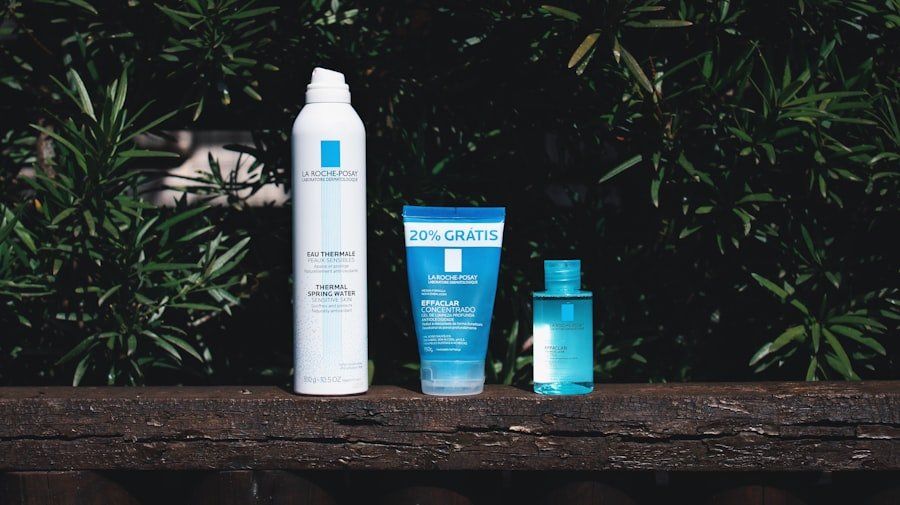
Moving from the inside out, let’s explore some incredibly effective natural ingredients you can apply directly to your skin to combat acne and promote healing. These remedies have stood the test of time and offer gentle yet powerful results.
Tea Tree Oil: The Potent Purifier
- Nature’s Antibiotic and Antiseptic: Tea tree oil is a powerhouse derived from the leaves of the tea tree plant (Melaleuca alternifolia). It possesses remarkable antibacterial, antifungal, and anti-inflammatory properties.
- How It Works: Its active compounds, particularly terpinen-4-ol, are highly effective at killing the P. acnes bacteria without damaging your skin. It also helps to reduce inflammation, making those red, angry pimples calmer.
- Dilution is Crucial: Never apply undiluted tea tree oil directly to your skin. It can cause irritation and redness. Always dilute it with a carrier oil like jojoba oil, almond oil, or even aloe vera gel. A common ratio is 1-2 drops of tea tree oil per teaspoon of carrier oil. You can apply this mixture directly to blemishes using a cotton swab.
Aloe Vera: The Soothing Soother and Healer
- Nature’s Cooling Gel: Aloe vera is renowned for its incredible soothing, hydrating, and anti-inflammatory properties. The gel extracted from the aloe vera plant is a treasure trove of vitamins, minerals, and amino acids.
- Calming Inflammation and Redness: When applied topically, aloe vera can significantly reduce the redness and inflammation associated with acne. It also promotes skin healing, helping to fade acne scars faster.
- Hyaluronic Acid for Hydration: Aloe vera contains a form of hyaluronic acid, which is a humectant, meaning it draws moisture from the air into your skin. This keeps your skin hydrated without making it oily, which is crucial for blemish-prone complexions. Use pure aloe vera gel directly from the plant or a reputable, 100% pure gel product.
Honey: The Sweet Spot for Healing
- Nature’s Natural Antibiotic and Humectant: Raw, unprocessed honey, particularly Manuka honey, is a marvel for the skin. It possesses natural antibacterial properties that can fight acne-causing bacteria. It’s also a humectant, meaning it attracts and retains moisture, keeping your skin supple.
- Anti-inflammatory Power: Honey’s anti-inflammatory components help to reduce the redness and swelling of pimples, promoting a calmer complexion.
- How to Use It: You can apply a thin layer of raw honey as a spot treatment directly onto blemishes or use it as a gentle facial mask. Leave it on for 10-15 minutes before rinsing with lukewarm water. Its sweet nature makes it a surprisingly pleasant addition to your skincare routine!
Witch Hazel: The Gentle Toner
- Nature’s Astringent: Witch hazel is an extract derived from the bark and leaves of the witch hazel plant. It acts as a natural astringent, which means it can help to tighten pores and remove excess oil without stripping the skin.
- Reduces Inflammation and Irritation: Unlike harsh alcohol-based toners, witch hazel contains tannins that have anti-inflammatory properties, helping to soothe redness and irritation.
- Alcohol-Free is Best: When choosing a witch hazel product, opt for an alcohol-free version. Alcohol can be drying and irritating, negating the benefits. Apply it to a cotton pad and gently sweep it over your face after cleansing.
Lifestyle Adjustments: The Foundation for Clear Skin
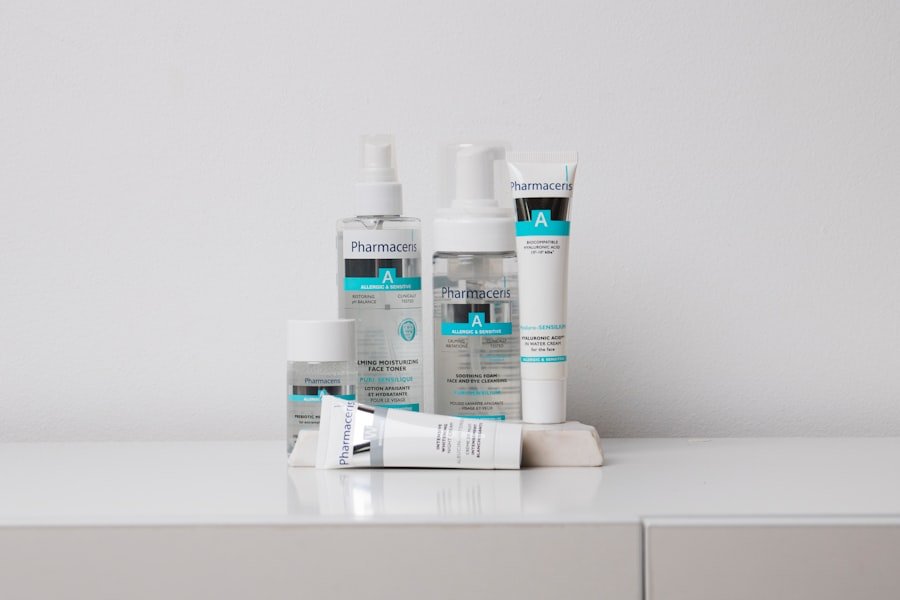
Beyond diet and topical treatments, your daily habits play a monumental role in keeping acne at bay. Think of these as the ongoing maintenance that keeps your skin happy and healthy.
The Power of a Clean Slate: Cleansing and Makeup Removal
- Gentle Cleansing is Paramount: Over-washing or using harsh cleansers can strip your skin of its natural oils, leading to irritation and even increased oil production to compensate. Stick to gentle, natural cleansers that don’t leave your skin feeling tight or squeaky. Look for ingredients like glycerin, mild plant-based surfactants, or oil cleansers for a double-cleanse method.
- Never Sleep in Your Makeup: This is a non-negotiable rule for acne prevention. Makeup residues, dirt, and oil accumulate on your skin throughout the day. Sleeping with this on clogs pores and provides a feast for bacteria. Make a habit of thoroughly removing all makeup every single night, even when you’re exhausted.
- Clean Your Tools: Your makeup brushes, sponges, and even your pillowcases can harbor bacteria. Wash your makeup brushes regularly with a gentle soap and water, and aim to change your pillowcases at least twice a week. This simple step can significantly reduce the transfer of bacteria to your face.
The Touch-Free Rule: Hands Off Your Face!
- The Germ Transferring culprit: Our hands touch everything throughout the day – keyboards, doorknobs, phones, and even money. All of these surfaces are teeming with bacteria. When you touch your face, you’re essentially transferring these germs directly to your skin.
- Avoid Picking and Popping: This is incredibly tempting, but resist it! Picking at blemishes can push bacteria deeper into the skin, leading to further inflammation, infection, and persistent acne scarring. Let your skin heal naturally or use a spot treatment.
- Mindful Habits: Try to be mindful of when you touch your face. Are you resting your chin on your hand during a meeting? Are you absently touching your forehead while you read? Developing conscious awareness can help you break these habits.
Stress Less, Glow More: The Mind-Body Connection
| Tip | Description |
|---|---|
| Keep your face clean | Wash your face twice a day with a gentle cleanser to remove excess oil and dirt. |
| Avoid touching your face | Touching your face can spread bacteria and lead to breakouts. |
| Stay hydrated | Drink plenty of water to keep your skin hydrated and healthy. |
| Eat a balanced diet | Include fruits, vegetables, and whole grains in your diet to promote clear skin. |
| Manage stress | Stress can trigger acne, so practice stress-reducing activities like yoga or meditation. |
- The Cortisol Connection: Stress triggers the release of cortisol, a hormone that can increase inflammation and sebum production, both of which contribute to acne. This is why you might notice breakouts during particularly stressful periods.
- Find Your Zen: Incorporating stress-management techniques into your daily routine is crucial. This could include:
- Mindfulness and Meditation: Even just a few minutes a day can make a difference.
- Yoga and Deep Breathing Exercises: These practices are excellent for calming the nervous system.
- Spending Time in Nature: A walk in the park or simply sitting outdoors can be incredibly restorative.
- Engaging in Hobbies: Making time for activities you enjoy can significantly reduce stress levels.
- Prioritize Sleep: Lack of sleep is also a major stressor on the body and can exacerbate acne. Aim for 7-9 hours of quality sleep per night.
Embrace a Holistic Approach: Consistency and Patience
Achieving clear skin with natural methods isn’t an overnight miracle. It’s about consistent effort and understanding that your skin has its own journey.
Consistency is Your Superpower
- Routine, Routine, Routine: The most effective natural acne prevention plan is one you stick to. Whether it’s your diet, your skincare routine, or your stress management techniques, consistency is key. Your skin needs time to respond and adapt to these changes.
- Don’t Get Discouraged: You might not see drastic results immediately. There will be good days and not-so-good days. The important thing is to keep going. Think of it as cultivating a habit for long-term skin health.
- Listen to Your Skin: Pay attention to how your skin reacts to different foods, ingredients, and lifestyle changes. What works for one person might not work for another. Your skin is constantly communicating with you; learn to decipher its signals.
Patience: The Virtue of Beautiful Skin
- Skin Cell Turnover: It takes about 28 days for your skin cells to regenerate. This means that any changes you implement, whether dietary or topical, will take at least a month to show their full effect. Be patient with the process.
- Beyond the Quick Fix: Natural acne prevention is about building healthy skin from the inside out and adopting sustainable habits. It’s not about finding a quick fix that may have negative long-term consequences.
- Celebrate Small Victories: Acknowledge and appreciate the small improvements. Fewer breakouts, less redness, or clearer texture are all signs that your natural approach is working.
Embrace Imperfection and Inner Glow
- Acne Does Not Define You: Remember that acne is a common condition, and it doesn’t diminish your worth or beauty. Focus on nurturing your skin and body with kindness and respect.
- Inner Confidence Shines Through: When you feel good about your efforts and are taking care of yourself, that inner confidence will radiate outwards, making you glow from the inside. True beauty comes from a place of self-care and self-love.
- The Journey is the Reward: The pursuit of natural acne prevention is a journey of self-discovery and empowerment. By making informed choices and embracing a holistic approach, you’re not just treating acne; you’re investing in your overall well-being and cultivating a healthy, vibrant complexion that will serve you for years to come.
FAQs
What are some natural ways to prevent acne?
Some natural ways to prevent acne include maintaining a healthy diet, staying hydrated, practicing good skincare habits, and managing stress levels.
How does diet affect acne?
Diet can affect acne by influencing hormone levels, inflammation, and the production of sebum. Consuming a balanced diet with plenty of fruits, vegetables, and whole grains can help prevent acne.
What are some effective natural skincare habits for preventing acne?
Effective natural skincare habits for preventing acne include washing your face twice a day, using non-comedogenic products, avoiding harsh scrubbing, and moisturizing with non-greasy products.
How does stress impact acne?
Stress can impact acne by triggering the release of hormones that increase oil production and inflammation in the skin, leading to breakouts. Managing stress through relaxation techniques and regular exercise can help prevent acne.
Are there any natural supplements that can help prevent acne?
Some natural supplements that may help prevent acne include zinc, omega-3 fatty acids, and probiotics. However, it’s important to consult with a healthcare professional before taking any supplements for acne prevention.