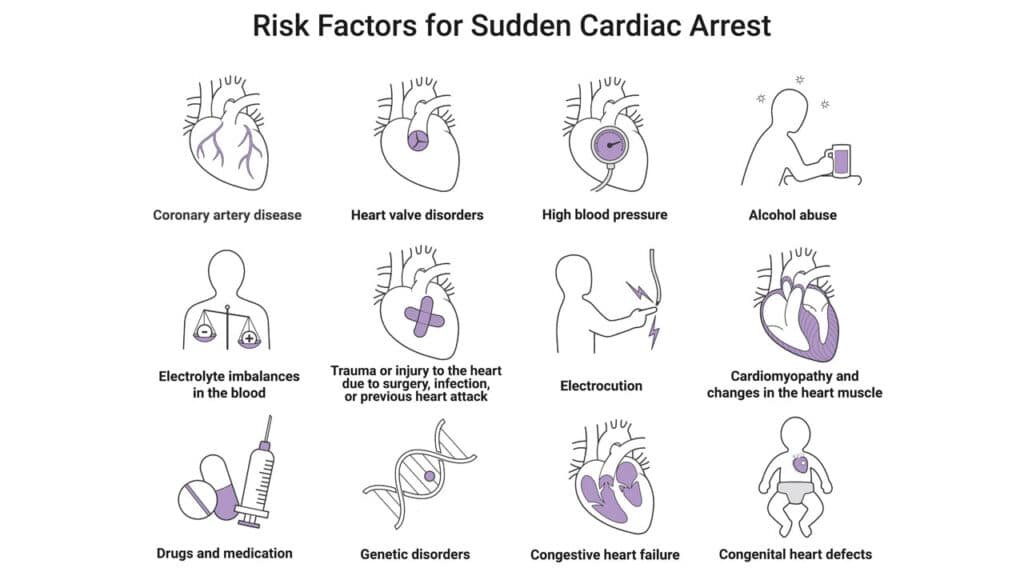
Arrhythmia, a condition that affects the heart’s rhythm, can often go unnoticed and undiagnosed, potentially leading to serious health issues. But fret not, as this informative article aims to shed light on the symptoms of arrhythmia and the diagnostic tests used to detect it. From palpitations and fatigue to dizziness and shortness of breath, learn how to recognize the telltale signs and understand the importance of seeking medical attention. Additionally, discover the various diagnostic tests, such as electrocardiogram (ECG) and stress tests, that healthcare professionals employ to accurately identify and monitor this cardiac irregularity. By the end of this article, you’ll be equipped with essential knowledge to detect and manage arrhythmia effectively.

Overview of Arrhythmia
Arrhythmia is a condition that affects the heartbeat, causing it to become irregular. The heart relies on a well-coordinated rhythm to pump blood effectively throughout the body. In cases of arrhythmia, this rhythm becomes disrupted, leading to abnormal heartbeats. This condition can range from harmless to life-threatening, depending on the type and severity of the arrhythmia.
Definition of arrhythmia
Arrhythmia refers to an abnormal heart rhythm that deviates from the regular pattern of heartbeats. These irregular heartbeats can occur either too fast (tachycardia), too slow (bradycardia), or in an erratic manner. The disruption in the heart’s electrical impulses causes the heart to beat irregularly, potentially affecting its ability to pump blood efficiently.
Types of arrhythmia
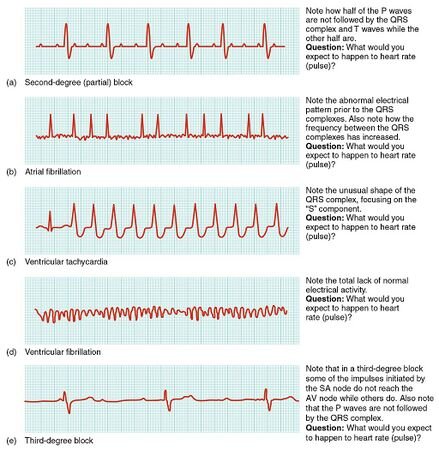
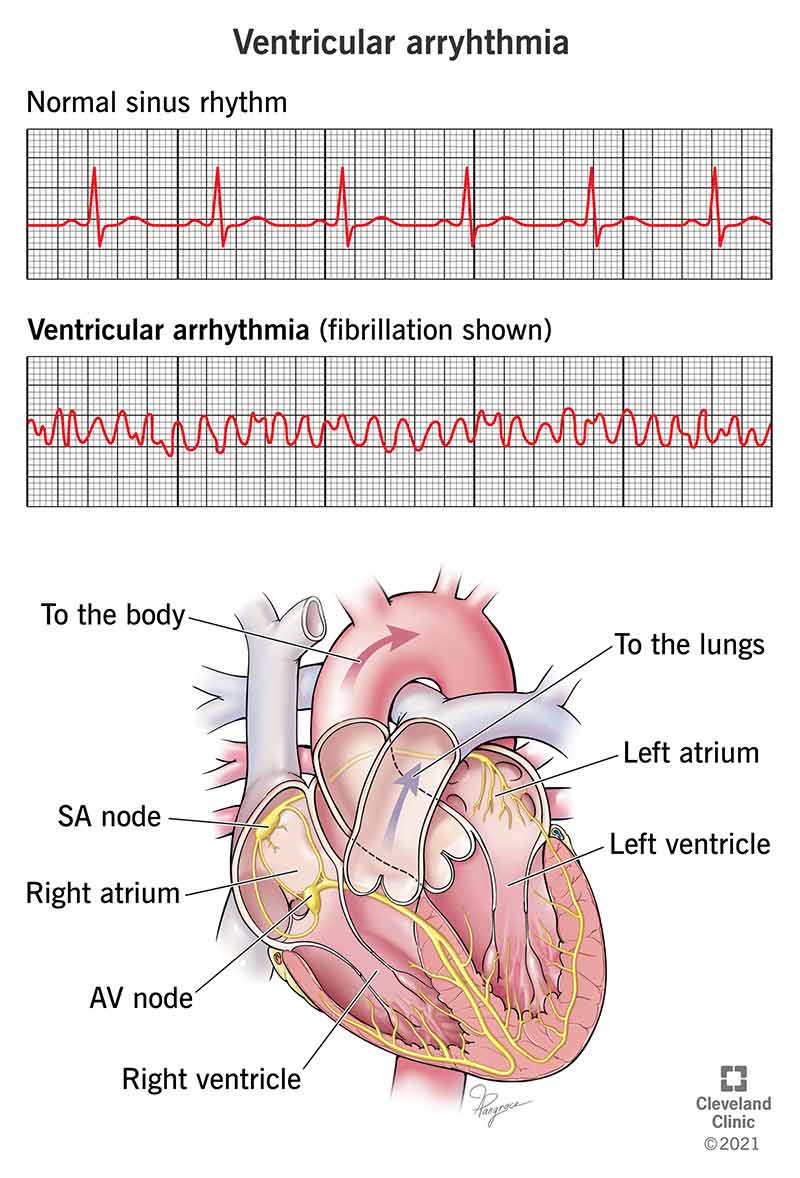
There is a wide range of arrhythmias, each characterized by distinct changes in heart rhythm. Some common types include atrial fibrillation, atrial flutter, ventricular fibrillation, ventricular tachycardia, and supraventricular tachycardia. Each type originates from different areas of the heart and may require specific treatment approaches.
Prevalence and significance
Arrhythmia is a prevalent condition, affecting millions of people worldwide. It can occur at any age, although the risk increases with age. While some individuals may experience occasional arrhythmia without severe consequences, others may develop life-threatening arrhythmias that necessitate immediate medical attention. Identifying and diagnosing arrhythmia promptly is crucial in determining appropriate treatment strategies and minimizing potential complications.
Symptoms of Arrhythmia
Recognizing the symptoms of arrhythmia is essential to seek timely medical intervention. The symptoms experienced can vary depending on the type of arrhythmia.
Common symptoms
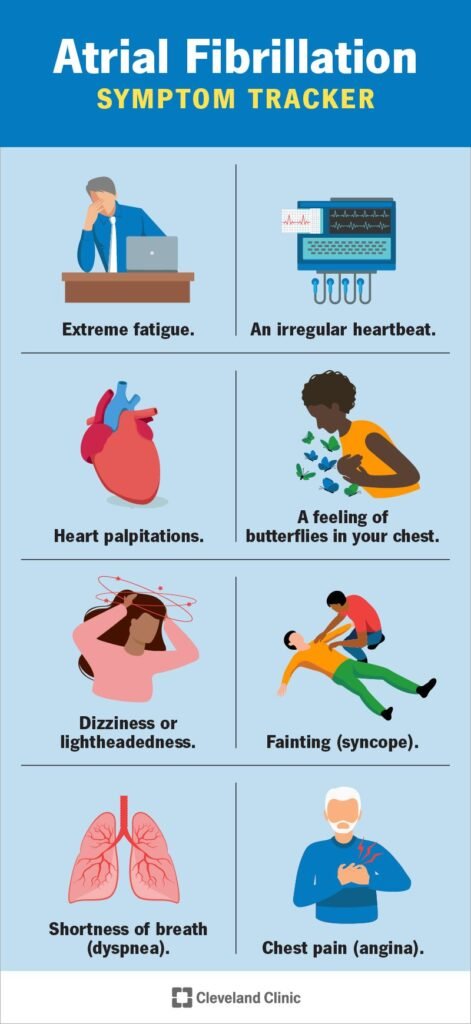
Common symptoms of arrhythmia include palpitations, which are irregular or rapid heartbeats that may feel like fluttering or racing in the chest. Some individuals may also experience a rapid or irregular pulse, dizziness, shortness of breath, fatigue, and chest discomfort. These symptoms can occur during episodes of arrhythmia or may persist continuously.
Serious symptoms
In severe cases, arrhythmia can lead to life-threatening conditions such as cardiac arrest or stroke. Symptoms that may indicate a medical emergency include sudden loss of consciousness, fainting, chest pain, and difficulty breathing. These symptoms require immediate attention and should not be ignored.
Atypical symptoms
It is essential to note that some individuals may experience atypical symptoms or have no symptoms at all, making it challenging to identify arrhythmia without diagnostic tests. Regular check-ups and awareness of risk factors can help in early detection.
Diagnostic Tests for Arrhythmia
Detecting arrhythmia involves a series of diagnostic tests that help healthcare professionals evaluate heart rhythm and identify the type and severity of the condition. These tests can provide valuable insights to guide treatment decisions.
Physical examination
A physical examination is often the initial step in assessing arrhythmia. Your healthcare provider will listen to your heart using a stethoscope to detect any abnormalities in the heart sounds. They will also check your pulse rate and rhythm, as well as assess your blood pressure. These simple yet crucial examinations can offer valuable clues to the presence of arrhythmia.
Electrocardiogram (ECG)
An electrocardiogram, commonly referred to as an ECG, is a non-invasive test used to measure the electrical activity of the heart. Electrodes are placed on the chest, arms, and legs, which detect and record the electrical signals produced by the heart. This test helps to identify abnormal heart rhythms and can provide insight into the type and location of the arrhythmia.
Holter monitor
A Holter monitor is a portable device that records the heart’s electrical activity continuously over a 24 to 48-hour period. The monitor is worn by the patient during normal daily activities, allowing for the detection of any irregularities in heart rhythm that may occur during this time. The data recorded on the Holter monitor can aid in providing a more comprehensive assessment of arrhythmia episodes that may not be captured during a brief ECG recording.
Event monitor
Similar to a Holter monitor, an event monitor records the heart’s electrical activity, but it is typically worn for a longer period, such as several weeks or months. However, unlike a Holter monitor, an event monitor is not continuously recording. The device is triggered and activated by the patient when they experience symptoms or feel irregular heartbeats. This allows for targeted monitoring during specific events, facilitating the diagnosis of intermittent or infrequent arrhythmias.
Stress test
A stress test, also known as an exercise stress test, evaluates the heart’s response to physical activity. The patient exercises on a treadmill or stationary bike while connected to an ECG machine to monitor heart rhythm, blood pressure, and other vital signs. This test helps assess the heart’s function under stress and can identify arrhythmias that may be triggered by exertion.
Echocardiogram
An echocardiogram is an imaging test that uses sound waves to create detailed images of the heart’s structures and function. It provides valuable information about the heart’s size, pumping ability, and the presence of any structural abnormalities that may contribute to arrhythmias. Echocardiography helps guide treatment decisions and provides additional insights into the underlying causes of arrhythmia.
Cardiac catheterization
Cardiac catheterization, also known as coronary angiography, involves the insertion of a thin tube (catheter) into a blood vessel, usually in the groin or arm, and advancing it to the heart. This procedure allows for the injection of a contrast dye, which helps visualize the blood flow within the coronary arteries and identify any blockages or abnormalities. Cardiac catheterization is typically performed in more complex cases of arrhythmia to assess overall heart function and evaluate potential treatment options.
Electrophysiology study
An electrophysiology study (EPS) is a specialized test performed in a cardiac catheterization laboratory. During an EPS, electrodes are placed inside the heart to measure its electrical signals and induce controlled arrhythmias for further evaluation. This invasive test is typically reserved for individuals with complex or life-threatening arrhythmias to assess the heart’s electrical system and guide treatment decisions.
Genetic testing
In certain cases, genetic testing may be warranted, especially when there is a family history of arrhythmia or sudden cardiac death. Genetic testing can help identify specific genetic mutations or abnormalities that may contribute to arrhythmias. This information can aid in determining appropriate treatment strategies and provide valuable insights into the potential risks for family members.
Other diagnostic tools
In addition to the aforementioned tests, other diagnostic tools may be utilized in specific situations. These include advanced imaging techniques such as cardiac MRI or CT scan, blood tests to evaluate electrolyte levels and hormone imbalances, tilt table tests to assess the heart’s response to changes in position, and loop recorders, which are small devices implanted beneath the skin to monitor heart rhythms over an extended period.
Physical Examination
A thorough physical examination plays a crucial role in the evaluation and diagnosis of arrhythmia. It serves as an initial assessment to identify potential abnormalities and provides valuable information for further diagnostic testing.
Importance of physical examination
A physical examination allows healthcare professionals to gather important clues about the presence of arrhythmia. By carefully listening to the heart, checking the pulse rate and rhythm, and assessing blood pressure, healthcare providers can detect potential irregularities and determine if further investigations are necessary.
Key indicators of arrhythmia
During a physical examination, healthcare professionals pay close attention to key indicators of arrhythmia. They listen for abnormal heart sounds, such as murmurs or extra heartbeats, which may indicate an underlying arrhythmia. Assessing the pulse rate and rhythm helps identify irregularities, including rapid or slow heartbeats. Additionally, high blood pressure may be associated with certain types of arrhythmias, so monitoring blood pressure is essential.
Listening to the heart
Using a stethoscope, healthcare providers listen to the heart’s sounds to detect any abnormalities. They focus on the rhythm, the presence of any extra heartbeats or skipped beats, and the quality of the heart sounds. These findings provide valuable information in determining if further testing is necessary to evaluate for arrhythmias.
Checking pulse rate and rhythm
Feeling the pulse can reveal irregularities in heart rate and rhythm. Healthcare providers assess the pulse by placing their fingers on various pulse points, such as the wrist or neck. A regular, steady pulse is typically a sign of a normal heartbeat, while irregularities may indicate arrhythmia.
Assessing blood pressure
Blood pressure measurement is an essential component of a physical examination, as certain types of arrhythmias can lead to hypertension. High blood pressure can be a result of arrhythmias such as atrial fibrillation or ventricular tachycardia. Monitoring blood pressure allows healthcare providers to evaluate if arrhythmia is contributing to the increased readings and determine appropriate treatment options.
Electrocardiogram (ECG)
Electrocardiogram (ECG) is a common non-invasive test used to evaluate the heart’s electrical activity. It provides valuable information about heart rhythm, conduction disturbances, and the presence of any arrhythmias.
Principle of ECG
The principle behind an ECG is relatively simple. It records the electrical signals generated by the heart as it beats. Electrodes are placed on the skin, which detect and transmit these signals. The signals are amplified and then graphically represented on a paper or a computer screen, allowing healthcare professionals to analyze and interpret the heart’s electrical activity.
Procedure of ECG
During an ECG, several adhesive electrodes are placed on specific locations on the chest, arms, and legs. These electrodes are connected to an ECG machine, which records the electrical impulses produced by the heart. The procedure is painless, and the entire process usually takes only a few minutes to complete.
Interpreting the ECG findings
The ECG tracing consists of several waveforms that represent different phases of the heart’s electrical cycle. Healthcare professionals analyze these waveforms to assess the heart’s function, detect any abnormalities, and identify the presence of arrhythmias. Certain patterns on the ECG, such as irregular rhythm or abnormal intervals, can provide valuable information for diagnosing arrhythmia.
Limitations of ECG
While an ECG is a valuable diagnostic tool, it does have some limitations. It primarily provides a snapshot of the heart’s electrical activity during the time it is recorded. As arrhythmias can be intermittent or may not occur during the recording period, a single ECG may not capture the arrhythmia. In such cases, further monitoring with devices like Holter monitors or event monitors may be required to detect and diagnose the arrhythmia accurately.