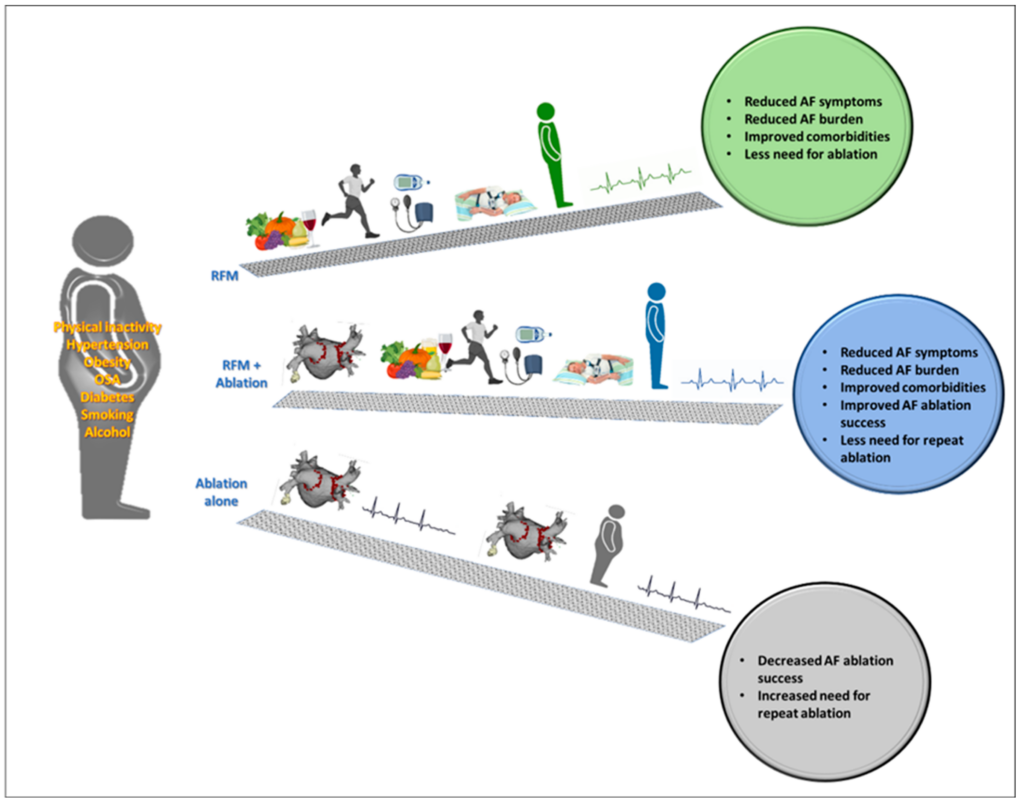
Arrhythmia, a condition characterized by an irregular heartbeat, can be both alarming and disruptive to your daily life. However, there are various ways to effectively manage this condition, ranging from simple lifestyle modifications to the use of medications. By making small adjustments to your routines, such as maintaining a balanced diet, engaging in regular exercise, and managing stress levels, you can significantly reduce the frequency and intensity of arrhythmia episodes. Additionally, with the help of medications prescribed by your healthcare provider, you can further control your heart’s rhythm and maximize your overall well-being. In this article, we will explore the different lifestyle changes and medications that can assist in managing arrhythmia for a healthier and more balanced life. Arrhythmia refers to an abnormal heart rhythm that can cause your heart to beat too fast, too slow, or in an irregular pattern. If you have been diagnosed with arrhythmia, there are several lifestyle changes you can make to effectively manage your condition. By implementing these changes, you can reduce the frequency and severity of your arrhythmia episodes, improve your overall heart health, and enhance your quality of life. In this article, we will explore the various aspects of managing arrhythmia through lifestyle modifications, medication options, monitoring and self-care, as well as alternative therapies.

Managing Arrhythmia: Lifestyle Changes
Dietary Modifications
One of the most impactful lifestyle changes you can make to manage your arrhythmia is adjusting your diet. Certain dietary modifications can significantly contribute to maintaining a healthy heart rhythm. It is essential to focus on consuming nutrient-rich foods that support heart health and avoid those that can trigger arrhythmia episodes.
One aspect of your diet to consider is your sodium intake. Consuming excessive sodium can increase the strain on your heart and exacerbate arrhythmia symptoms. Hence, it is crucial to limit your sodium intake by avoiding processed foods, canned soups, and fast food meals. Instead, opt for fresh fruits, vegetables, whole grains, and lean proteins.
Potassium, on the other hand, plays a vital role in maintaining a healthy heart rhythm. Incorporating potassium-rich foods like bananas, oranges, spinach, and avocados into your diet can help regulate your heart’s electrical signals. It is important to consult with your healthcare provider to determine the appropriate amount of potassium for your specific condition.
Additionally, limiting your caffeine and alcohol consumption can have a positive impact on managing arrhythmia. Stimulants like caffeine and alcohol can trigger or worsen arrhythmia episodes. Cutting back on coffee, energy drinks, and alcoholic beverages can significantly reduce the frequency of these episodes.
Lastly, maintaining a healthy weight is crucial for managing arrhythmia. Excess weight puts strain on your heart, making it more difficult for it to maintain a normal rhythm. By incorporating a balanced diet and staying physically active, you can achieve and maintain a healthy weight, reducing the risk of arrhythmia episodes.
Exercise and Physical Activity
Regular exercise and physical activity can play a vital role in managing arrhythmia. Engaging in physical activity helps improve your overall cardiovascular health, reduce stress levels, and promote a normal heart rhythm. However, it is essential to approach exercise with caution and consult your healthcare provider before starting any exercise program.
There are different types of exercises you can include in your routine to benefit your heart health. Aerobic exercises like walking, jogging, swimming, and cycling can strengthen your heart and improve its efficiency. Strength training exercises, such as using resistance bands or lifting weights, can also be beneficial. However, it is important to start with light weights and gradually increase the intensity to prevent excessive strain on your heart.
The duration and intensity of your exercise routine will depend on your individual condition. Your healthcare provider can provide specific guidelines tailored to your needs. It is generally recommended to aim for at least 150 minutes of moderate-intensity aerobic activity or 75 minutes of vigorous-intensity aerobic activity each week.
Safety is paramount when it comes to exercising with arrhythmia. Be mindful of any warning signs during exercise, such as chest pain, dizziness, or shortness of breath. If you experience any of these symptoms, it is crucial to stop exercising and seek medical attention immediately. It may also be helpful to consider participating in a cardiac rehabilitation program, where trained professionals can guide you through a safe and effective exercise routine.
Stress Management Techniques
Stress can have a significant impact on your heart and may trigger arrhythmia episodes. Therefore, incorporating stress management techniques into your daily routine can be immensely beneficial for managing arrhythmia and promoting overall well-being. Here are some effective stress management techniques you can try:
Identifying stress triggers is the first step in effectively managing stress. Reflect on situations or events that tend to induce stress in your life. This self-awareness will help you recognize stressors and develop strategies to cope with them effectively.
Relaxation techniques, such as deep breathing exercises, can help alleviate stress and promote a sense of calm. Practice taking slow, deep breaths, fully expanding your lungs, and exhaling slowly. Engaging in regular deep breathing exercises can activate your body’s relaxation response, countering the effects of stress on your heart.
Meditation and mindfulness techniques can also be beneficial in managing stress. Taking time each day to sit quietly, focus on your breath, and pay attention to the present moment can help reduce stress and promote overall well-being.
Engaging in activities like yoga and Tai Chi can have a profound impact on managing stress and promoting relaxation. These practices incorporate physical movement, focused breathing, and mindfulness, creating a harmonious balance between the mind and body.
Progressive muscle relaxation is another technique that involves sequentially tensing and then releasing each major muscle group in your body. This method helps reduce muscle tension, release stress, and promote a sense of relaxation.
Avoiding Stimulants
Stimulants, such as caffeine, nicotine, alcohol, and certain over-the-counter medications, can have a significant impact on arrhythmia. These substances can trigger or worsen the irregular heart rhythm in individuals with arrhythmia. Therefore, it is essential to limit or avoid the consumption of these stimulants to manage your condition effectively.
Caffeine, commonly found in coffee, tea, energy drinks, and chocolate, is a well-known stimulant that can affect your heart rhythm. Consider reducing your caffeine intake or switching to decaffeinated options to minimize the risk of arrhythmia episodes.
Nicotine, primarily found in tobacco products, is another stimulant that can have adverse effects on your heart. Quitting smoking or using nicotine replacement therapies can significantly improve your overall heart health and reduce the chances of arrhythmia.
Alcohol consumption should also be monitored, as it can disrupt the electrical signals in your heart and trigger arrhythmia episodes. Limiting alcohol intake or avoiding it altogether can greatly contribute to managing your condition.
Some over-the-counter medications, such as certain allergy or cold medications, contain ingredients that can affect your heart rhythm. It is essential to read the labels carefully and consult your healthcare provider before taking any medications, especially if you have arrhythmia.
Managing Arrhythmia: Medications
While lifestyle changes are essential in managing arrhythmia, medications may also be prescribed by your healthcare provider to help control your heart’s rhythm. These medications work in various ways to regulate your heart’s electrical signals and reduce the frequency and severity of arrhythmia episodes. It is important to note that medications prescribed for arrhythmia should always be taken as directed by your healthcare provider, and any concerns or side effects should be discussed with them.
Antiarrhythmic Medications
Antiarrhythmic medications are specifically designed to treat arrhythmias by helping to restore and maintain a normal heart rhythm. These medications work by targeting the underlying causes of arrhythmia and suppressing abnormal electrical activity in the heart.
There are several classes of antiarrhythmic medications, including sodium channel blockers, potassium channel blockers, calcium channel blockers, and beta-blockers. Each class of medication works differently and is prescribed based on the specific type of arrhythmia you have.
Sodium channel blockers, such as flecainide and propafenone, work by blocking the flow of sodium ions into the heart cells, which helps stabilize the electrical signals and prevent abnormal rhythms.
Potassium channel blockers, including amiodarone and sotalol, work by blocking the flow of potassium ions out of the heart cells. This action helps prolong the action potential duration and restores a regular heart rhythm.
Calcium channel blockers, such as verapamil and diltiazem, work by blocking the movement of calcium ions into the heart cells, which slows down the heart rate and helps control arrhythmias.
Beta-blockers, like metoprolol and propranolol, work by blocking the effects of adrenaline on the heart. This reduces the heart rate and blood pressure, making them effective in managing certain types of arrhythmias.
Each antiarrhythmic medication has its own set of potential side effects, and your healthcare provider will carefully consider your medical history and specific arrhythmia type before prescribing the most appropriate medication for you. It is crucial to follow your healthcare provider’s instructions, take the prescribed dosage as directed, and report any side effects or concerns promptly.
Blood Thinners
In some cases, individuals with arrhythmia may be at an increased risk of developing blood clots, which can lead to serious complications like stroke or heart attack. To reduce this risk, your healthcare provider may prescribe blood-thinning medications such as warfarin, dabigatran, or rivaroxaban.
Blood thinners work by inhibiting the formation of blood clots or reducing the ability of the blood to clot. They do not dissolve existing blood clots but can help prevent the formation of new ones. It is important to take blood thinners exactly as prescribed and undergo regular blood tests to monitor their effectiveness and adjust the dosage if necessary. Additionally, it is crucial to inform all healthcare providers of your blood-thinning medication use, as it may interact with other medications or procedures.
Monitoring and Self-Care
Regular monitoring and self-care play a crucial role in managing your arrhythmia effectively. By staying vigilant and actively participating in your own care, you can identify any changes in symptoms, minimize potential triggers, and seek timely medical assistance when needed.
Regular Doctor Visits
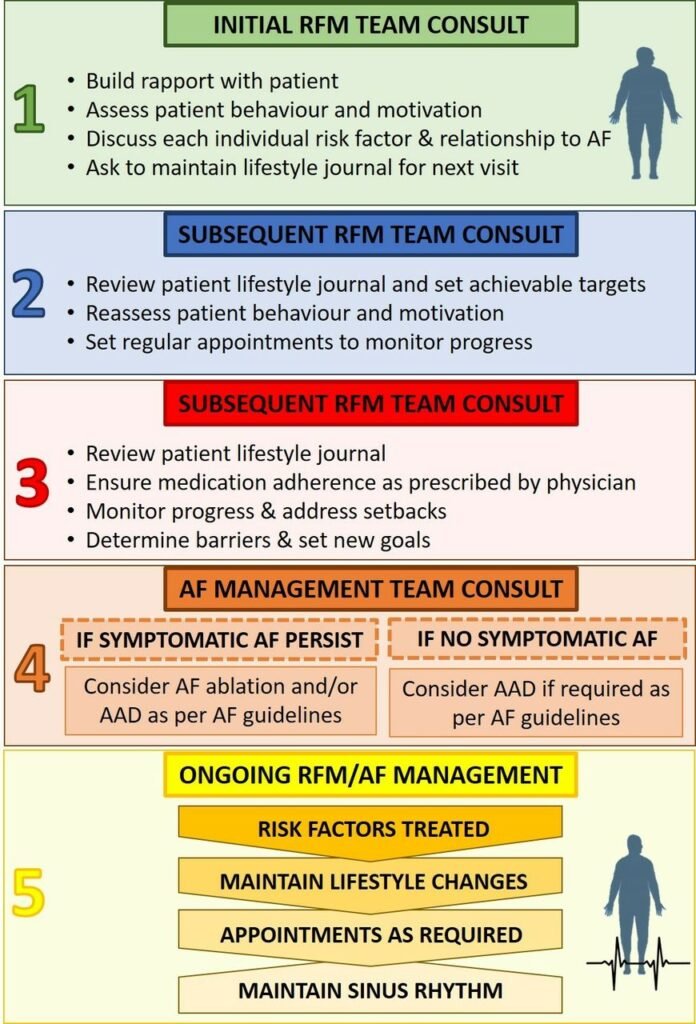
Regular visits to your healthcare provider are essential to monitor the progress of your condition and adjust your treatment plan as necessary. During these visits, your healthcare provider may perform electrocardiograms (ECGs) or other tests to evaluate the electrical activity of your heart and assess the effectiveness of your medications.
Keeping a record of your symptoms, triggers, and notable events can provide valuable insights for your healthcare provider. Maintaining a journal where you can log your arrhythmia episodes, potential triggers, and response to medications will help your healthcare provider make more informed decisions about your treatment plan.
Education and Support
Educating yourself about arrhythmia and its management is empowering and essential for proactive self-care. Understanding your condition, treatment options, and potential triggers can help you make informed lifestyle choices and actively participate in your treatment plan.
Support from healthcare professionals, as well as from your friends and family, is invaluable in successfully managing your arrhythmia. Attend support groups or seek individual counseling to connect with others who have similar experiences and gain additional insights into coping strategies and emotional support.
Paying Attention to Warning Signs
Being aware of the warning signs and symptoms of arrhythmia is crucial in managing your condition effectively and seeking timely medical help. Common symptoms of arrhythmia include heart palpitations, skipped beats, dizziness, shortness of breath, chest pain, and fatigue. If you experience any of these symptoms, it is important to take note of them, document them in your journal, and promptly inform your healthcare provider.

Alternative Therapies
In addition to lifestyle modifications and medications, some individuals may find relief from arrhythmia symptoms through alternative therapies. These therapies, while not always backed by extensive scientific research, are worth considering as complementary approaches to conventional treatment. It is important to consult with your healthcare provider before incorporating any alternative therapies into your treatment plan.
Acupuncture
Acupuncture, an ancient Chinese practice, involves the insertion of thin needles into specific points on the body to restore the flow of energy. Some individuals with arrhythmia report improvements in their symptoms after acupuncture sessions. However, the effectiveness of acupuncture in managing arrhythmia may vary from person to person, and further research is needed to establish its benefits conclusively.
Herbal Supplements
Certain herbal supplements, such as hawthorn, garlic, and fish oil, have been suggested to promote heart health and potentially help manage arrhythmia. However, the use of herbal supplements should be approached with caution, as they can interact with prescribed medications or have side effects. Always consult with your healthcare provider before starting any herbal supplements to ensure their safety and effectiveness for your specific condition.
Relaxation Techniques
Relaxation techniques, which we discussed earlier, can also fall under the category of alternative therapies. Deep breathing exercises, meditation, and progressive muscle relaxation are simple yet powerful practices that can help calm the mind and promote relaxation. By incorporating relaxation techniques into your daily routine, you may experience a reduction in stress levels, which can positively impact your arrhythmia management.
In conclusion, managing arrhythmia involves a multifaceted approach that encompasses lifestyle changes, medication, monitoring, and self-care. By implementing dietary modifications, engaging in regular exercise, managing stress, and avoiding stimulants, you can significantly improve your heart health and reduce the frequency and severity of arrhythmia episodes. Work closely with your healthcare provider to identify the most suitable treatment options, explore alternative therapies cautiously, and actively participate in your own care. Together, these strategies will empower you to effectively manage your arrhythmia and lead a healthy, fulfilling life.