
Diabetes And Foot Care: What You Need To Know
Managing diabetes involves a lot of moving parts, from monitoring your blood sugar levels to maintaining a healthy diet. One aspect that often goes overlooked, yet is crucial for those living with diabetes, is foot care. The health of your feet is incredibly important, as diabetes can lead to complications that increase the risk of serious foot problems. Let’s take a deep dive into what you need to know about diabetes and foot care so you can keep your feet healthy and happy.
Understanding the Link Between Diabetes and Foot Health
When you think about diabetes, you might think of its effects on blood sugar levels or organ health. However, your feet can also suffer if diabetes is not well-managed. High blood sugar over time can lead to nerve damage (neuropathy) and poor circulation. This means you might not feel discomfort or pain in your feet, making it easy to overlook injuries. On top of that, poor circulation can hinder the healing process of any wounds that do occur, leading to complications.
Keeping your blood sugar levels within a target range is essential to minimize the risk of neuropathy and circulation issues. Developing a routine for regularly assessing your feet is also a positive step you can take towards maintaining foot health. Recognizing the root cause of foot problems associated with diabetes will empower you to make proactive choices that can safeguard your feet from harm.
Common Foot Problems in People with Diabetes
Understanding the common foot problems you might face as someone living with diabetes is essential. While not every person with diabetes will experience these issues, being aware of what could happen allows you to stay vigilant.
One of the most common foot issues is diabetic neuropathy, where nerve damage, particularly in the feet and legs, hampers your ability to feel sensations. This can lead to untreated cuts, blisters, and sores. Poor circulation, another complication of diabetes, can lead to slower healing and an increased risk of infection.
Another significant concern is foot ulcers. These open sores commonly occur on the bottom of the feet. If not treated promptly, foot ulcers can lead to infections, which, in severe cases, may require amputation. Calluses can also build up on sore areas of the foot, leading to further complications if they crack or peel.
While these terms might sound intimidating, the good news is that knowledge and proactive care can help you avoid many of these complications.
The Importance of Daily Foot Inspections
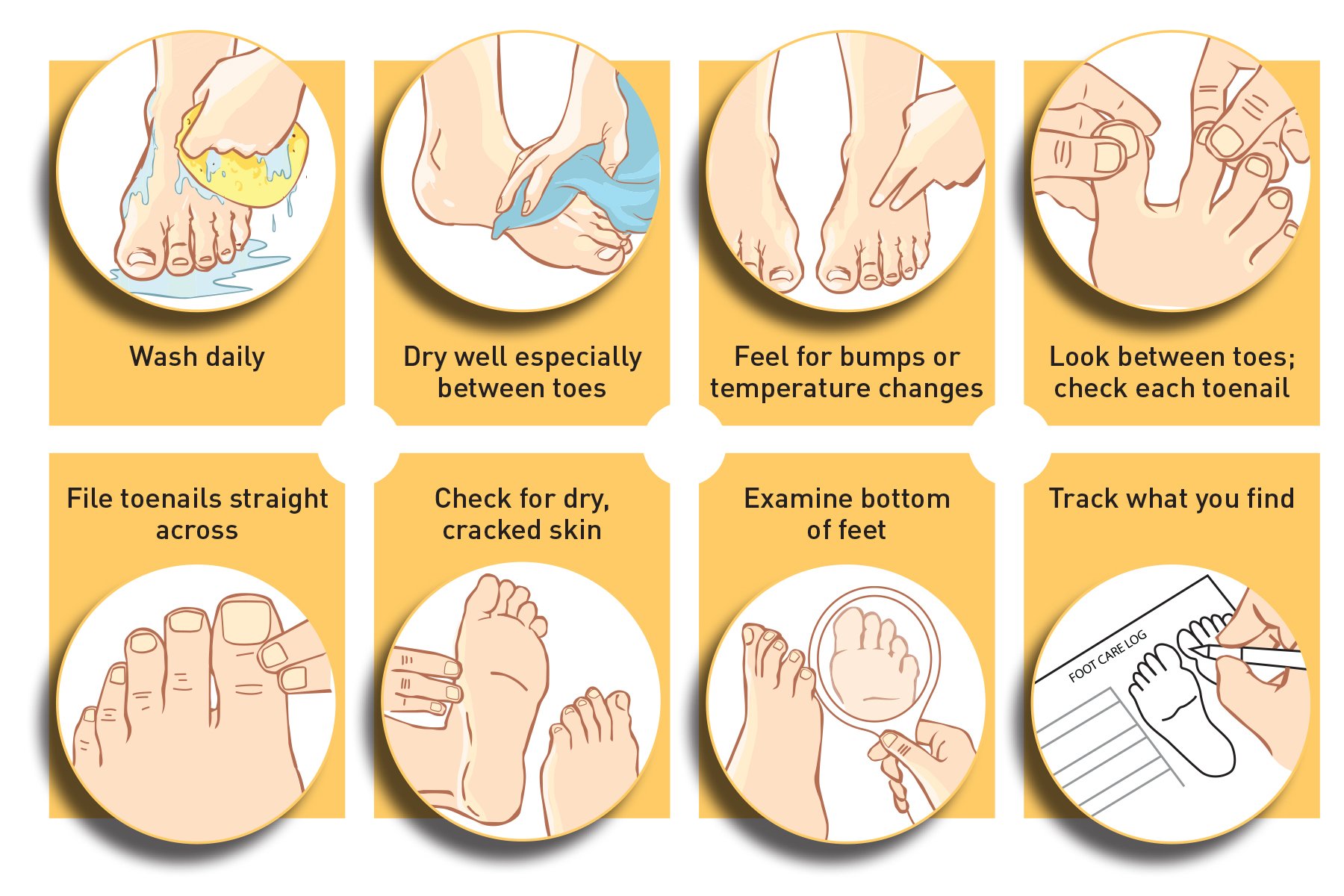
One of the simplest yet most effective ways to take care of your feet is by incorporating daily inspections into your routine. Taking just a few minutes each day to check your feet can be a game-changer. It’s best to inspect your feet at the same time each day, perhaps when you take off your shoes in the evening.
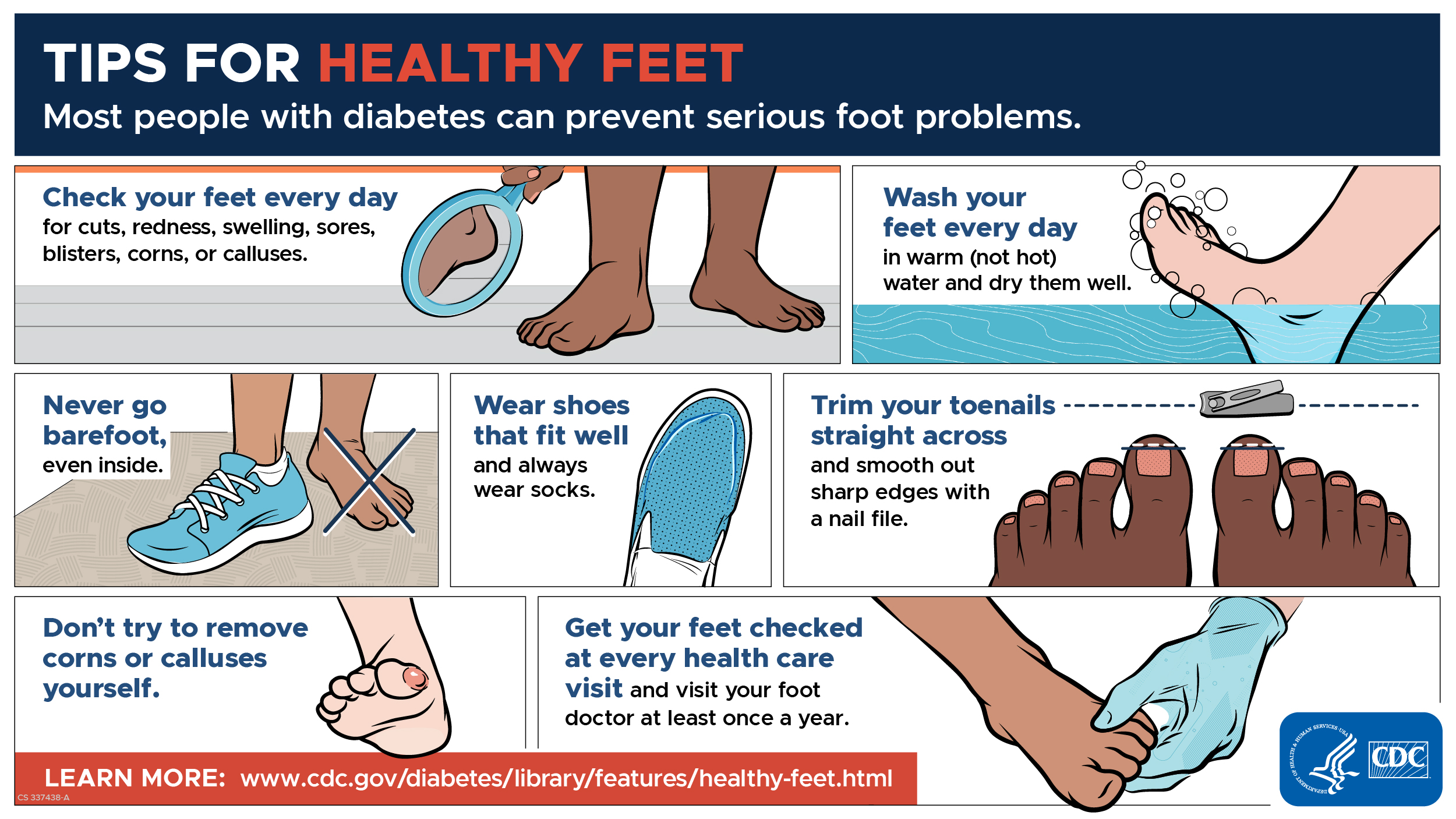
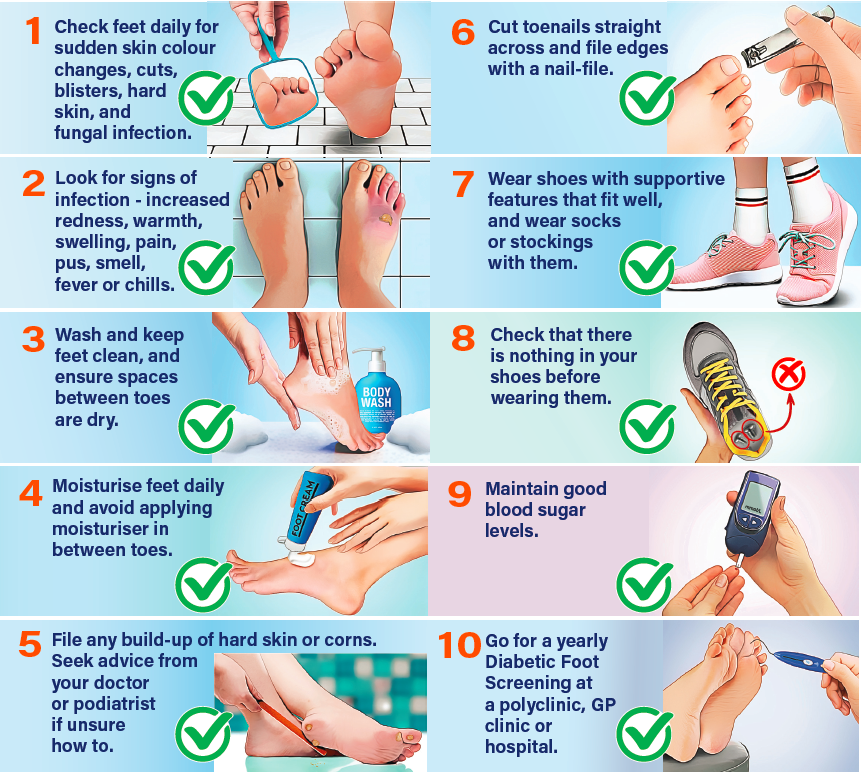
Look for any abnormalities, including blisters, cuts, red spots, or even swelling. Remember to check between your toes and the soles of your feet, as injuries can often hide in these areas. If you spot anything irregular or concerning, don’t hesitate to reach out to your healthcare provider for guidance. Early intervention is key in preventing more severe problems down the line.
Choosing the Right Footwear
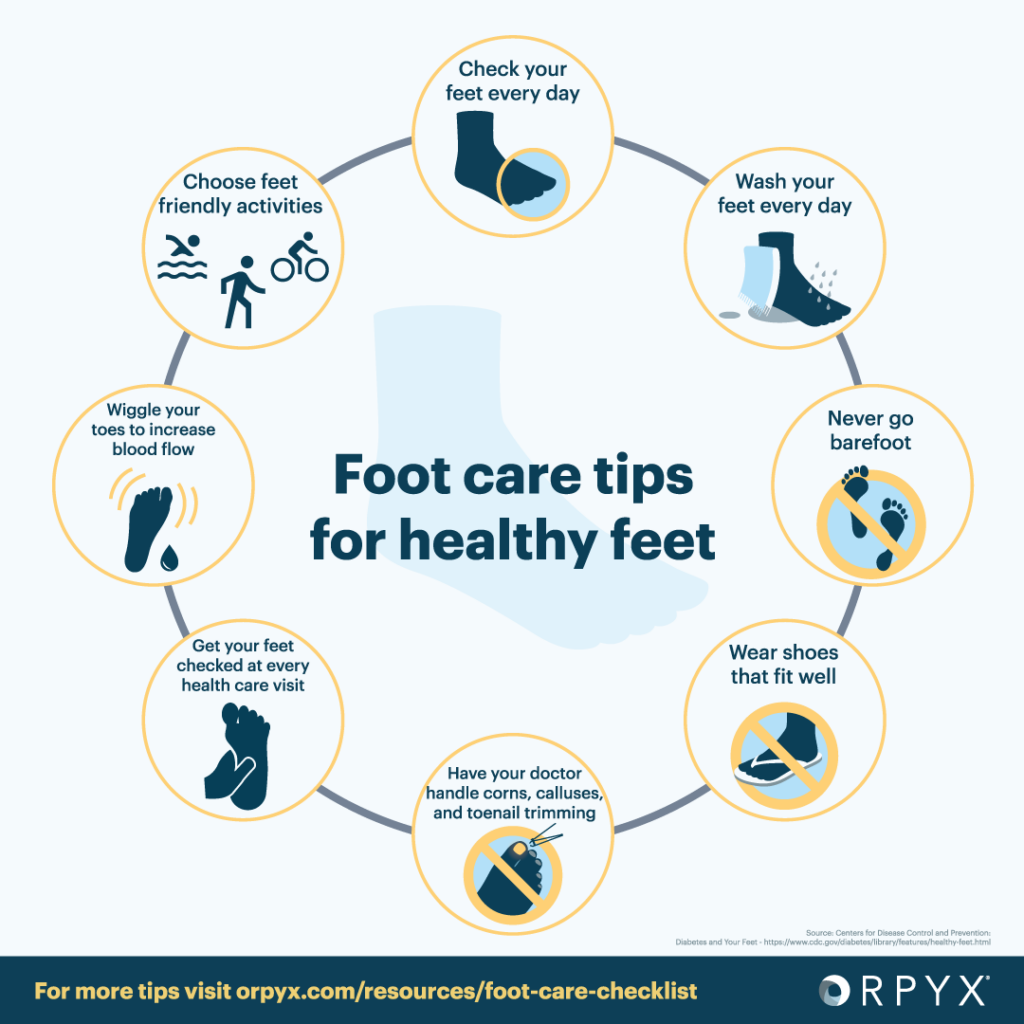
Footwear may seem like a small detail in the grand scheme of diabetes management, but the shoes you choose can significantly impact your foot health. It’s essential to select shoes that provide good support and fit well. Proper shoes should support your arches, protect your heels, and allow ample room for your toes to move comfortably.
When shopping for shoes, remember to avoid tight-fitting styles that can pinch or rub against your feet. Instead, look for shoes made from soft, breathable materials that promote ventilation. If you’re unsure about your shoe size or how well your current footwear fits, consider having your feet measured professionally.
Additionally, avoid going barefoot, even at home, as the risks of injury increase significantly. Using cushioned slippers or supportive sandals indoors can be a simple yet effective way to protect your feet.
Maintaining Good Hygiene
Keeping your feet clean and dry is another crucial aspect of foot care. Wash your feet daily in warm (but not hot) water, and be sure to dry them thoroughly, especially between your toes, where moisture can accumulate. Forcing moisture out of these areas helps prevent fungal infections and other complications.
You might want to consider using a moisturizer to keep your feet from becoming dry and cracked; just remember to avoid putting lotion between your toes. This helps prevent fungal growth caused by excessive moisture. Regular trimming of toenails is also important; cut them straight across to avoid painful ingrown nails.
If you find finding the right angle to trim your toenails challenging, consider seeking assistance from a podiatrist who can help maintain nail health.
Understanding Peripheral Arterial Disease (PAD)
Peripheral Arterial Disease (PAD) is another condition linked to diabetes, which affects blood circulation in your legs and feet. When the arteries become narrowed due to plaque buildup, it can reduce blood flow. For individuals with PAD, symptoms may include numbness or pain in the legs, especially during physical activities like walking or climbing stairs.
Proper management of your diabetes, including lifestyle choices and regular check-ups, can help mitigate the risks associated with PAD. If you experience any symptoms, don’t hesitate to contact your healthcare provider. Understanding your risks can empower you to make informed decisions about your health.
The Importance of Regular Check-Ups
In addition to self-care at home, regular check-ups with your healthcare provider are vital for overall health and diabetes management. During these visits, your doctor can assess not only your blood sugar levels but also your feet. Early detection of any potential problems allows for prompt treatment, preventing minor issues from becoming major complications.
Your healthcare team may also suggest a visit to a podiatrist or foot specialist, especially if you’re dealing with neuropathy or have a history of foot problems. Consistent foot assessments and open communication with your healthcare providers will help create a tailored diabetes care plan just for you.
How to Handle Foot Injuries
Accidents can happen, even to the most vigilant among us. If you notice an injury, such as a blister, cut, or sore, take immediate action. First, wash the area gently with soap and water. Don’t use alcohol or hydrogen peroxide, as they can irritate the skin. After ensuring the area is clean, cover it with a sterile dressing.
Monitoring the injury over the next few days is essential. If it doesn’t improve or shows signs of infection—such as increased redness, swelling, or discharge—seek medical attention. Remember that timely treatment is crucial to prevent infections or more severe complications.

Nutrition’s Role in Foot Health
You might not think of food when considering foot health, but your diet plays a crucial role in managing diabetes and its complications. A balanced diet helps maintain healthy blood sugar levels and promotes circulation, both vital for foot health.
Focus on whole grains, lean protein, vegetables, and healthy fats. Foods rich in vitamins and minerals, like fruits and leafy greens, can help support nerve function and circulation. If you’re unsure where to start, consider consulting a nutritionist who specializes in diabetes care. They can provide personalized dietary advice tailored to your needs.
Staying Active and Engaging in Exercise
Physical activity is another crucial piece of the puzzle when it comes to maintaining foot health as a person with diabetes. Regular exercise helps improve circulation, manage weight, and maintain healthy blood sugar levels. Activities such as walking, swimming, or cycling can be beneficial; just make sure to choose activities that you enjoy so you’ll be more likely to stick with them.
Before starting any new exercise routine, it’s a good idea to consult your healthcare provider, especially if you have concerns related to neuropathy or circulation issues. They can provide you with guidelines tailored to your needs and ensure your chosen activities are safe.
The Role of Compression Socks
If you experience numbness or poor circulation in your feet due to diabetes, you might consider investing in compression socks. These specially designed socks improve blood flow, aiding in the prevention of fluid buildup and swelling. They can also provide extra support and comfort while you’re on your feet.
Before purchasing compression socks, discuss this option with your healthcare provider. They can guide you on the correct level of compression and the best types for your specific needs.
Warning Signs to Watch For
Vigilance is key to protecting your foot health as a diabetic. It’s essential to be aware of warning signs that require immediate attention. These include, but are not limited to:
- Redness or swelling in your feet
- A sudden change in color of your toes or feet
- Pus or other drainage from a sore
- A sore that doesn’t heal within a few days
- Warmth or increased sensitivity in your feet
Stay proactive and don’t hesitate to contact your healthcare provider if you notice any of these warning signs. Awareness is an invaluable tool for preventing complications.
The Importance of Education and Community Support
Living with diabetes can sometimes feel overwhelming, but remember that you are not alone. Reaching out to community resources, online forums, or local support groups can provide a solid support network. Engaging with others who experience similar challenges can empower you to share success stories and coping strategies.
Education is also important. Many organizations offer classes or resources specifically tailored to foot care and diabetes management. This knowledge can enhance your ability to take proactive steps that will positively impact your foot health and overall well-being.
Conclusion
Caring for your feet while managing diabetes may seem like a lot to juggle at first, but by integrating these practices into your daily routine, you can protect against potential complications. Remember that your feet are the foundation of your mobility and overall quality of life. Through regular foot inspections, good hygiene, proper footwear, and healthy lifestyle choices, you give yourself the best chance of maintaining healthy feet.
So take a moment today to reflect on your foot care routine. What changes can you make? What new habits can you incorporate? By committing to these small yet powerful strategies, you’re taking the first steps in promoting your foot health.
If you found this article helpful, please clap, leave a comment, and subscribe to my Medium newsletter for updates on more helpful articles like this one. Together, we can navigate the complexities of diabetes management and support one another in achieving our best health!