
Have you been experiencing frequent urination, a weak urinary flow, or difficulty starting or stopping urination? These symptoms could be signs of an enlarged prostate, a common condition among older men. In this article, we will explore the different methods used by healthcare professionals to diagnose an enlarged prostate, including medical history assessment, physical examination, and various tests. By understanding the diagnostic process, you can take the necessary steps to address and manage your prostate health effectively.
Symptoms
Urinary problems
If you have an enlarged prostate, one of the most common symptoms you may experience is urinary problems. This can include a frequent need to urinate, especially at night (nocturia). You may also have difficulty starting and stopping urination, as well as a weakened urine flow.
Inability to fully empty the bladder
Another symptom of an enlarged prostate is the inability to fully empty the bladder. You may feel like you still need to urinate even after you just went, or you may have a sensation of residual urine in your bladder.
Dribbling at the end of urination
One frustrating symptom of an enlarged prostate is dribbling at the end of urination. Even after you feel like you’re finished urinating, there may be some residual drops that leak out.
Urgency to urinate
With an enlarged prostate, you may often feel a sudden urgency to urinate. Sometimes, this urgency can be difficult to control, leading to instances where you may need to find a bathroom immediately.
Weak urine flow
If you notice that your urine flow is weak or lacks force, it could be a sign of an enlarged prostate. This can make it more difficult to fully empty your bladder.
Difficulty starting and stopping urination
An enlarged prostate can make it challenging to initiate urination. You may have to wait for a while before the urine starts to flow. Additionally, stopping the urine flow may not be as immediate as it used to be.
Nocturia (awakening at night to urinate)
If you find yourself waking up multiple times during the night to urinate, it could be a symptom of an enlarged prostate. Nocturia can disrupt your sleep and leave you feeling fatigued during the day.
Blood in the urine
While it is not always the case, an enlarged prostate can sometimes lead to blood in the urine. If you notice any pink or reddish discoloration, it is essential to contact your healthcare provider for further evaluation.
Urinary tract infections
Urinary tract infections (UTIs) may also occur as a result of an enlarged prostate. These infections can cause symptoms such as pain or a burning sensation during urination, frequent urination, and cloudy or bloody urine. If you experience any of these symptoms, it is crucial to seek medical attention.
Causes
Age
One of the significant causes of an enlarged prostate is age. As men get older, changes in hormone levels can lead to prostate gland enlargement. It is estimated that more than 90% of men over the age of 80 have an enlarged prostate.
Hormonal changes
Hormonal changes, particularly the increase in dihydrotestosterone (DHT) levels, can contribute to the growth of the prostate gland. DHT is a hormone derived from testosterone, and an imbalance in its levels can lead to prostate enlargement.
Family history
If you have a family history of enlarged prostate or prostate cancer, you may be at a higher risk of developing this condition. Genetic factors play a role in predisposing some individuals to prostate gland enlargement.
Ethnicity
Certain ethnicities, such as African-American and Caribbean men, have a higher likelihood of developing an enlarged prostate. The reasons behind this ethnic predisposition are still being studied, but it suggests a genetic and biological influence.
Obesity
Obesity has been associated with an increased risk of developing an enlarged prostate. The exact mechanism is not yet fully understood, but excess weight and fat distribution may contribute to hormonal imbalances and inflammation that promote prostate gland growth.
Medical conditions (diabetes, heart disease)
Underlying medical conditions, such as diabetes and heart disease, may influence the development of an enlarged prostate. These conditions can affect hormone levels and blood flow, which are critical factors in prostate health.
Medications
Certain medications, such as some antidepressants and antihistamines, can exacerbate urinary symptoms related to an enlarged prostate. If you suspect your medications may be contributing to your symptoms, consult with your healthcare provider about potential alternatives.
Risk Factors
Age
As mentioned earlier, age is a significant risk factor for an enlarged prostate. The older you get, the higher the likelihood of experiencing prostate gland enlargement.
Heredity
If you have a family history of prostate problems, such as an enlarged prostate or prostate cancer, you may have an increased risk of developing this condition. Genetic factors can play a role in the predisposition to prostate gland growth.
Ethnicity
Certain ethnicities, such as African-American and Caribbean men, have a higher risk of developing an enlarged prostate. While the exact reasons behind this ethnic disparity are not fully understood, it suggests genetic and biological influences.
Obesity
Being overweight or obese can increase the risk of developing an enlarged prostate. Maintaining a healthy weight is important for overall prostate health.
Medical conditions (heart disease, diabetes)
Underlying medical conditions, including heart disease and diabetes, can increase the risk of developing an enlarged prostate. These conditions can affect hormonal balance and blood flow, which are essential factors in prostate health.
Lifestyle factors (lack of exercise, poor diet)
Certain lifestyle factors, such as lack of exercise and poor diet, can contribute to the risk of developing an enlarged prostate. Regular physical activity and a healthy diet can help maintain prostate health.
Complications
Acute urinary retention
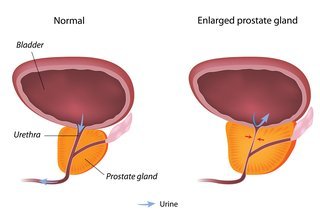
If the prostate becomes significantly enlarged, it can obstruct the flow of urine, leading to acute urinary retention. This condition requires immediate medical attention, as it can be painful and may necessitate initial bladder drainage.
Urinary tract infections
An enlarged prostate can increase the risk of urinary tract infections (UTIs). UTIs can cause discomfort, pain, and frequent urination and may require antibiotics for treatment.
Bladder stones
In some cases, an enlarged prostate can cause the development of bladder stones. These are hard deposits that form within the bladder and can lead to pain, difficulty urinating, and urinary tract infections.
Bladder damage
If an enlarged prostate is left untreated, it can put pressure on the bladder, leading to bladder damage. This can result in various urinary symptoms and may require surgical intervention to alleviate the pressure.
Kidney damage
Severe cases of an enlarged prostate can potentially lead to kidney damage. The blockage of urine flow caused by the enlarged prostate can put strain on the kidneys, affecting their ability to function properly.
Blood in semen
Occasionally, an enlarged prostate can cause blood to appear in the semen (hematospermia). While this symptom can be alarming, it is typically not a cause for concern. However, if it persists or is accompanied by other symptoms, it is best to consult a healthcare provider.
Prostate cancer
Although an enlarged prostate does not cause prostate cancer, the two conditions can coexist. Prostate cancer may present with similar symptoms as an enlarged prostate, so it is essential to undergo appropriate screening for early detection.
Diagnosis
Medical history
During the diagnostic process, your healthcare provider will take a detailed medical history. This will involve questions about your symptoms, family history, and any medications you are currently taking.
Physical examination
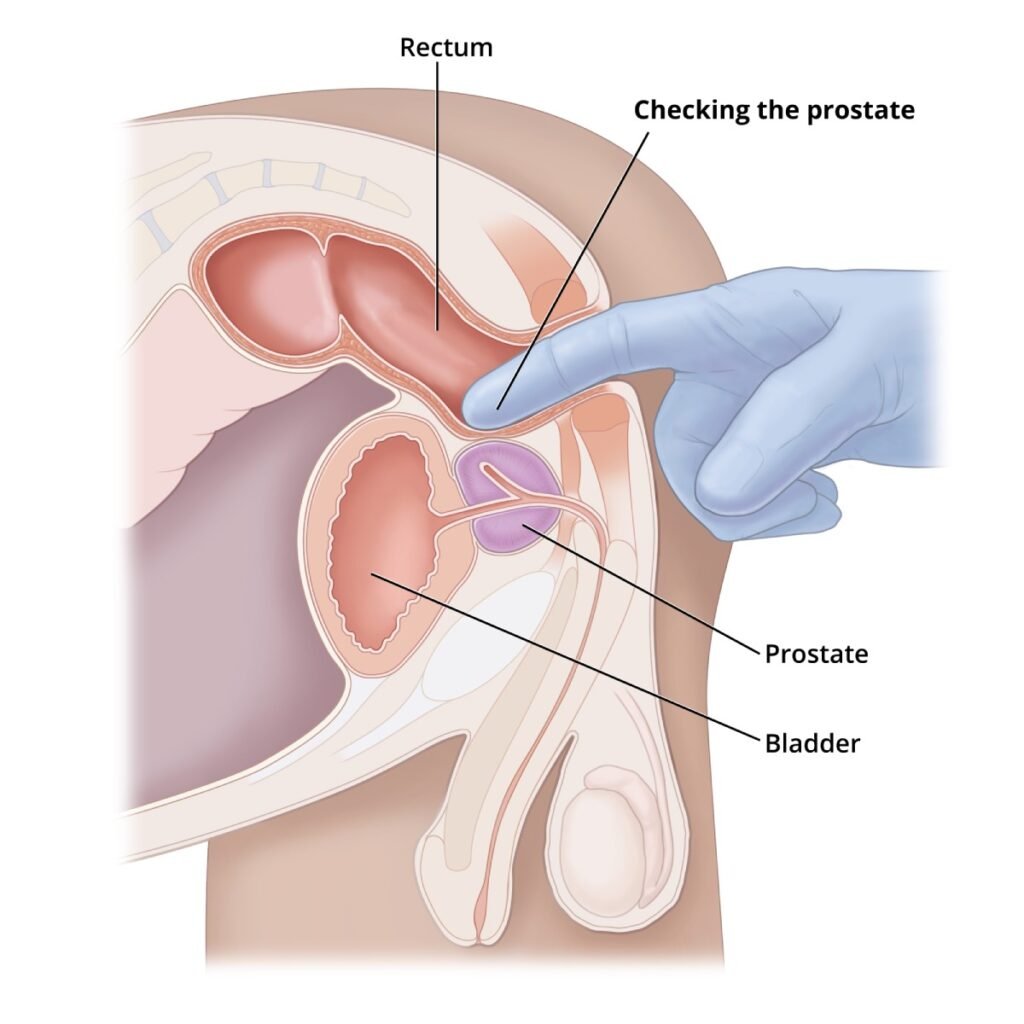
A physical examination, including a digital rectal exam (DRE), will be performed to assess the size and condition of the prostate gland. The DRE involves the insertion of a gloved finger into the rectum to feel the prostate gland.
Prostate-specific antigen (PSA) test
A prostate-specific antigen (PSA) blood test may be used to measure the levels of a protein produced by the prostate gland. Elevated PSA levels can indicate prostate gland enlargement or other prostate conditions, such as cancer.
Urine tests
A urine sample may be collected and analyzed for signs of infection or other abnormalities that could contribute to urinary symptoms.
Prostate biopsy
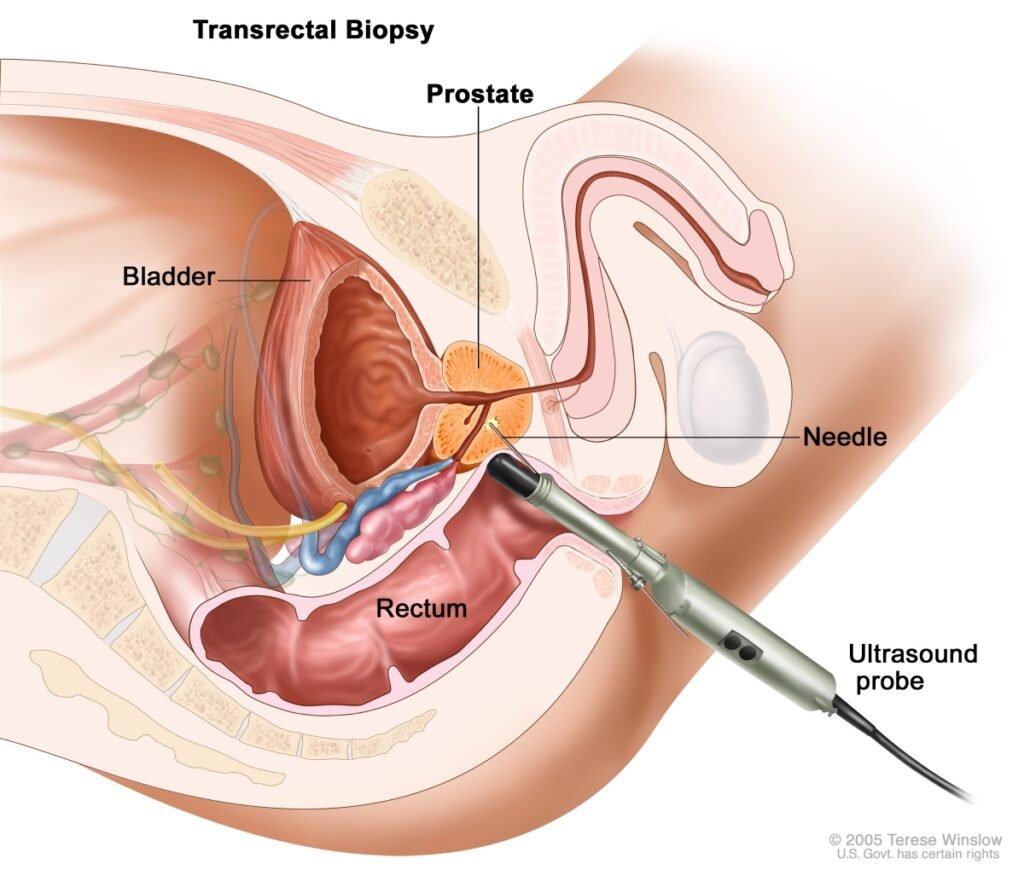
In some cases, a prostate biopsy may be recommended to rule out prostate cancer. This involves obtaining small tissue samples from the prostate gland for further examination under a microscope.
Transrectal ultrasound
A transrectal ultrasound (TRUS) uses sound waves to create images of the prostate. This imaging technique can provide detailed information about the size and structure of the prostate gland.
Uroflowmetry
Uroflowmetry is a non-invasive test that measures the rate and volume of urine flow. This test helps assess the function of the urinary system and can detect any abnormalities that may be caused by an enlarged prostate.
Cystoscopy
A cystoscopy is a procedure that involves the insertion of a thin tube with a camera into the urethra and bladder. This allows the healthcare provider to examine the urethra, prostate, and bladder for any abnormalities or blockages.
Treatment
Watchful waiting
For mild cases of an enlarged prostate, watchful waiting may be recommended. This approach involves monitoring the condition over time and implementing lifestyle changes to alleviate symptoms. Regular check-ups will be necessary to ensure the condition does not worsen.
Medication
Various medications can be prescribed to manage symptoms associated with an enlarged prostate. These may include alpha-blockers, 5-alpha reductase inhibitors, or combination medications. Medications can help improve urine flow, reduce urgency, and shrink the prostate gland.
Minimally invasive therapies
For moderate to severe cases of an enlarged prostate, minimally invasive therapies may be recommended. These procedures aim to reduce prostate gland size and alleviate urinary symptoms. Examples of minimally invasive therapies include transurethral microwave therapy, water-induced thermotherapy, and prostatic urethral lift.
Surgery
If other treatment options are ineffective or the condition is severe, surgery may be necessary. The most common surgical procedure for an enlarged prostate is a transurethral resection of the prostate (TURP). This involves removing the excess prostate tissue that is obstructing the urine flow.

Lifestyle and Home Remedies
Urinate when you first get the urge
To avoid complications and discomfort, it is essential to empty your bladder as soon as you feel the urge to urinate. Holding urine for extended periods can put additional strain on the bladder and may worsen urinary symptoms.
Avoid fluids in the evening
Reducing fluid intake in the evening can help minimize nocturia, where you wake up multiple times during the night to urinate. Limiting fluids a few hours before bed can reduce the need for nighttime bathroom trips.
Limit your intake of caffeine and alcohol
Both caffeine and alcohol can irritate the bladder and worsen urinary symptoms. Limiting or avoiding these substances can help minimize discomfort and improve urinary function.
Manage stress
Stress can have a negative impact on urinary symptoms. Finding healthy ways to manage stress, such as practicing relaxation techniques or engaging in enjoyable activities, can help alleviate symptoms associated with an enlarged prostate.
Exercise regularly
Regular physical activity can contribute to overall prostate health. Engaging in aerobic exercise, such as brisk walking or swimming, can improve urinary symptoms and promote general well-being.
Maintain a healthy diet
A healthy diet rich in fruits, vegetables, whole grains, and lean proteins can support prostate health. Including foods that are high in antioxidants, such as tomatoes and berries, may also have beneficial effects.
Prevention
Maintain a healthy weight
Maintaining a healthy weight is important for overall prostate health. Being overweight or obese can increase the risk of developing an enlarged prostate.
Exercise regularly
Regular physical activity, such as walking, jogging, or other forms of exercise, can help maintain prostate health. Aim for at least 150 minutes of moderate-intensity exercise per week.
Eat a healthy diet
A well-balanced diet that includes plenty of fruits, vegetables, whole grains, and lean proteins can promote prostate health. Avoiding excessive red meat consumption and reducing processed food intake is advisable.
Manage stress
Chronic stress can negatively impact prostate health. Implement stress management techniques, such as deep breathing exercises, meditation, or engaging in hobbies, to mitigate stress levels.
Avoid excessive alcohol and caffeine consumption
Excessive alcohol and caffeine intake can irritate the bladder and worsen urinary symptoms. Moderation is key when consuming these substances.
Avoid holding urine for long periods
To maintain good bladder health, make it a habit to empty your bladder when you feel the urge to urinate. Holding urine for too long can increase the risk of urinary tract infections and other complications.
When to See a Doctor
Frequent urination or urgency interfere with your quality of life
If frequent urination or urgency significantly impact your daily activities or quality of life, it is essential to seek medical attention. Your healthcare provider can assess your symptoms and recommend appropriate treatment options.
Difficulty urinating
If you experience difficulty initiating or stopping urination, it is important to consult with a healthcare provider. This could be a sign of an enlarged prostate or another underlying condition that requires medical attention.
Blood in urine or semen
The presence of blood in urine or semen should always be evaluated by a healthcare professional. While it may not always indicate a serious condition, it is essential to determine the underlying cause.
Painful urination
Pain or discomfort during urination can be indicative of a urinary tract infection or other urinary conditions. Prompt evaluation by a healthcare provider is necessary for proper diagnosis and treatment.
Difficulty achieving or maintaining an erection
If you have an enlarged prostate, it can affect your sexual health and lead to difficulties achieving or maintaining an erection. Discussing this concern with a healthcare provider can help identify appropriate solutions.
Unexplained weight loss
Unexplained weight loss can be a symptom of various underlying health issues, including potential complications associated with an enlarged prostate. It is important to consult with a healthcare provider for further evaluation.
Conclusion
An enlarged prostate is a common condition that primarily affects older men. While it can cause a range of urinary symptoms that may impact quality of life, early diagnosis and appropriate treatment can effectively manage the condition. By understanding the symptoms, causes, risk factors, and possible complications associated with an enlarged prostate, individuals can take proactive steps in prevention, seeking medical attention when necessary, and adopting healthy lifestyle habits. Remember, timely intervention is key to maintaining prostate health and overall well-being.