
Imagine a world where we have the power to prevent endocrine system disorders through simple lifestyle changes. A world where we can proactively take control of our health and well-being. This article takes a closer look at the significance of the endocrine system and explores how small adjustments in our everyday lives can make a big difference when it comes to preventing these disorders. So, let’s embark on a journey together and discover the secrets to a healthier future for our endocrine system.

Important aspects of the endocrine system
Understanding the endocrine system
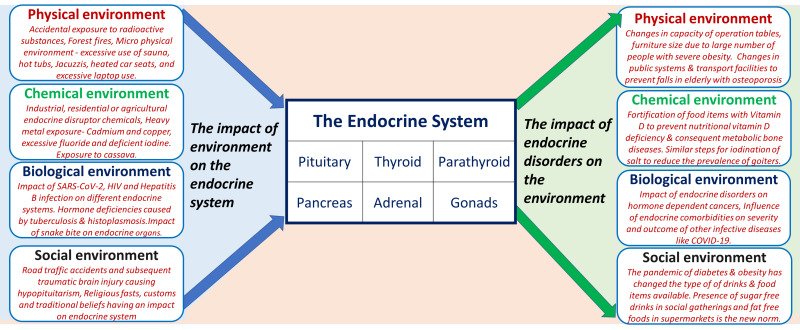
The endocrine system is a complex network of glands that secrete hormones throughout the body, which regulate various bodily functions. These glands include the hypothalamus, pituitary gland, thyroid gland, adrenal glands, pancreas, and reproductive organs. The hormones produced by these glands help maintain homeostasis, regulate metabolism, control growth and development, and influence mood and reproduction.
Functions of the endocrine system
The endocrine system plays a crucial role in maintaining overall health and well-being. It regulates hormone production and secretion, which in turn affects a wide range of bodily functions. Some of the key functions of the endocrine system include regulating metabolism, promoting growth and development, controlling blood sugar levels, regulating salt and water balance, regulating reproductive processes, and influencing the immune system.
Common disorders of the endocrine system
Various factors can disrupt the normal functioning of the endocrine system, leading to the development of endocrine disorders. Some common endocrine disorders include diabetes, thyroid disorders (such as hypothyroidism and hyperthyroidism), adrenal gland disorders (such as Addison’s disease and Cushing’s syndrome), and polycystic ovary syndrome (PCOS). These disorders can have significant impacts on an individual’s health and require medical intervention for proper management.
Lifestyle factors affecting the endocrine system
Diet and nutrition
Diet and nutrition play a vital role in maintaining a healthy endocrine system. A balanced diet consisting of fruits, vegetables, whole grains, lean proteins, and healthy fats provides essential nutrients that support hormone production and regulation. It is important to avoid excessive consumption of processed foods, sugary snacks, and unhealthy fats, as they can contribute to hormonal imbalances and increase the risk of endocrine disorders.
Exercise and physical activity
Regular exercise and physical activity have been shown to have positive effects on the endocrine system. Engaging in aerobic exercises, such as jogging, swimming, or cycling, helps stimulate hormone production and promotes overall hormonal balance. Strength training exercises, such as weightlifting, can also be beneficial for maintaining muscle mass and promoting healthy metabolism. It is recommended to aim for at least 150 minutes of moderate-intensity exercise or 75 minutes of vigorous-intensity exercise per week to ensure optimal endocrine function.
Sleep and rest
Sufficient and restful sleep is essential for the proper functioning of the endocrine system. During sleep, the body undergoes important processes that regulate hormone release and maintain hormonal balance. Lack of sleep or poor sleep quality can disrupt this process and lead to hormonal imbalances. It is recommended to aim for 7-9 hours of quality sleep each night and establish a regular sleep schedule to support the health of the endocrine system.
Preventing endocrine disorders through diet and nutrition
Balanced diet and food groups
Maintaining a balanced diet is crucial for a healthy endocrine system. Including a variety of food groups, such as fruits, vegetables, whole grains, lean proteins, and healthy fats, ensures an adequate intake of essential nutrients. These nutrients, including vitamins, minerals, and antioxidants, support hormone production and regulation, helping to prevent endocrine disorders. It is also important to consume foods that are low in sugar, processed carbohydrates, and unhealthy fats to reduce the risk of hormonal imbalances.
Inclusion of essential nutrients
Certain nutrients play a key role in supporting the endocrine system. For example, iodine is essential for proper thyroid function, and sources include iodized salt, seafood, and dairy products. Omega-3 fatty acids found in fatty fish and flaxseeds help reduce inflammation and support hormone balance. Additionally, consuming foods rich in vitamin D, such as fortified dairy products and fatty fish, can help regulate hormone levels. Including these essential nutrients in your diet can contribute to a healthy endocrine system.
Avoidance of harmful substances
Certain substances can disrupt the normal functioning of the endocrine system and increase the risk of endocrine disorders. For example, excessive alcohol consumption can impair liver function, affecting hormone metabolism. Consuming high amounts of caffeine can disrupt sleep patterns and lead to hormonal imbalances. It is important to limit the intake of these substances and avoid exposure to harmful chemicals, such as pesticides and hormone-disrupting pollutants, to maintain a healthy endocrine system.
The role of exercise and physical activity in preventing endocrine disorders
Types of exercises beneficial for the endocrine system
Various types of exercises can have positive effects on the endocrine system. Aerobic exercises, such as running, swimming, or dancing, help stimulate hormone production and promote overall hormonal balance. Strength training exercises, such as weightlifting or resistance training, can support muscle strength and metabolism, which are essential for proper hormone regulation. Incorporating a combination of aerobic and strength training exercises into your routine can help prevent endocrine disorders.
Recommended frequency and duration of exercise
To support the endocrine system, it is recommended to engage in at least 150 minutes of moderate-intensity aerobic exercise or 75 minutes of vigorous-intensity aerobic exercise per week. Moderate-intensity exercise includes brisk walking or cycling, while vigorous-intensity exercise includes activities like running or playing sports. Additionally, aiming for two or more strength training sessions per week can help maintain muscle mass and enhance metabolism. By following these guidelines, you can promote the health of your endocrine system.
Incorporating physical activity in daily routine
Finding ways to incorporate physical activity into your daily routine can help prevent endocrine disorders. Taking short walks during breaks, using the stairs instead of the elevator, or participating in active hobbies like gardening or dancing can increase your overall physical activity level. These small lifestyle changes can have a cumulative effect on your endocrine health, promoting hormone balance and reducing the risk of endocrine disorders.

Importance of proper sleep and rest for a healthy endocrine system
Understanding the role of sleep in hormonal regulation
Sleep plays a crucial role in regulating hormone release and maintaining hormonal balance. During sleep, the body produces and releases hormones that help regulate various bodily functions, including metabolism, growth, and immune function. Lack of sleep or poor sleep quality can disrupt this delicate balance and lead to hormonal imbalances, contributing to the development of endocrine disorders. Prioritizing proper sleep and rest is essential for a healthy endocrine system.
Recommended sleep duration and quality
To support the endocrine system, it is recommended to aim for 7-9 hours of quality sleep each night. Quality sleep refers to uninterrupted and restful sleep, allowing the body to go through essential sleep cycles. Establishing a consistent sleep schedule, creating a conducive sleep environment, and practicing good sleep hygiene habits, such as avoiding electronic devices before bed and practicing relaxation techniques, can improve sleep duration and quality, promoting a healthy endocrine system.
Strategies for improving sleep hygiene
Improving sleep hygiene can have a positive impact on the endocrine system. Some strategies for improving sleep hygiene include maintaining a regular sleep schedule, creating a comfortable and dark sleep environment, avoiding stimulating activities before bed, limiting caffeine and alcohol intake, and practicing relaxation techniques like deep breathing or meditation. By incorporating these strategies into your daily routine, you can support the health of your endocrine system through better sleep.
Stress management techniques to support endocrine health
Impact of chronic stress on the endocrine system
Chronic stress can have detrimental effects on the endocrine system. When the body is under prolonged stress, the adrenal glands release cortisol, a stress hormone, which can disrupt the normal balance of other hormones in the body. This disruption can lead to hormonal imbalances, affecting various bodily functions and potentially contributing to the development of endocrine disorders. Managing stress effectively is crucial for maintaining a healthy endocrine system.
Stress reduction strategies
Implementing stress reduction strategies can help support the health of the endocrine system. Some effective stress reduction techniques include regular exercise, practicing mindfulness and relaxation techniques such as yoga or meditation, engaging in hobbies or activities that bring joy, maintaining social connections, and seeking support from friends, family, or professionals. By incorporating these strategies into your daily life, you can reduce stress levels and promote a healthy endocrine system.
Mindfulness and relaxation techniques
Practicing mindfulness and relaxation techniques can have significant benefits for the endocrine system. Mindfulness, which involves focusing on the present moment without judgment, can help reduce stress levels and promote hormone balance. Relaxation techniques such as deep breathing exercises, progressive muscle relaxation, and guided imagery can also help activate the body’s relaxation response and counteract the negative effects of chronic stress on the endocrine system. By incorporating these techniques into your routine, you can support your endocrine health.
Maintaining a healthy weight for optimal endocrine function
Relationship between weight and hormone balance
Maintaining a healthy weight is crucial for optimal endocrine function. Excess body fat, especially around the abdomen, can increase the risk of hormonal imbalances, insulin resistance, and the development of conditions such as diabetes and polycystic ovary syndrome (PCOS). On the other hand, being underweight can also disrupt hormonal balance and contribute to endocrine disorders. Striving for a healthy weight through balanced nutrition and regular physical activity is important for supporting endocrine health.
Strategies for healthy weight management
Adopting strategies for healthy weight management can contribute to optimal endocrine function. These strategies include consuming a balanced diet that supports a healthy weight, practicing portion control, engaging in regular physical activity, and seeking support from healthcare professionals or registered dietitians. Making sustainable lifestyle changes instead of resorting to drastic and unsustainable measures can promote long-term weight management and support the health of the endocrine system.
Importance of a long-term sustainable approach
Maintaining a long-term sustainable approach to weight management is crucial for optimal endocrine function. Crash diets or extreme measures may lead to temporary weight loss, but they can have negative consequences for the endocrine system in the long run. Sustainable lifestyle changes, such as adopting a balanced and nutritious eating pattern and engaging in regular physical activity, support hormone balance and promote a healthy endocrine system. It is important to prioritize long-term health over short-term solutions.
Ensuring hormonal balance through regular check-ups and screenings
Importance of regular medical evaluation
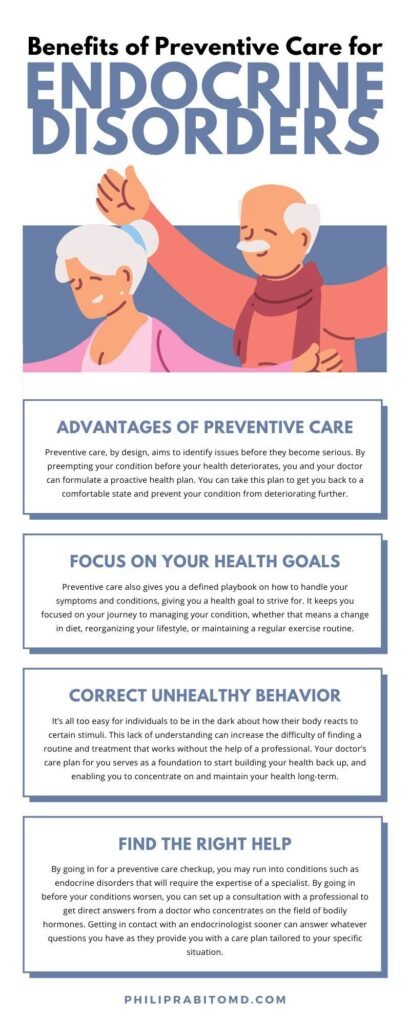
Regular medical evaluations are essential for ensuring hormonal balance and early detection of any endocrine disorders. Routine check-ups allow healthcare professionals to assess overall health, monitor hormone levels, and detect any abnormalities or imbalances. By addressing any issues promptly, appropriate interventions or treatments can be implemented to maintain hormonal balance and prevent the progression of endocrine disorders.
Recommended screenings and tests for detecting endocrine disorders
Certain screenings and tests can help detect endocrine disorders early. For example, blood tests can measure hormone levels and assess overall endocrine function. Testing blood sugar levels can help diagnose diabetes or prediabetes. Other specialized tests, such as thyroid function tests or hormone stimulation tests, may be recommended based on individual symptoms and medical history. Consulting with a healthcare professional is crucial to determine the appropriate screenings and tests for detecting endocrine disorders.
Early intervention and treatment options
Early intervention is key in the management of endocrine disorders. If an endocrine disorder is detected, appropriate treatment options can be initiated to restore hormone balance and prevent the progression of the condition. Treatment options may include medication, hormone replacement therapy, lifestyle modifications, or surgical interventions, depending on the specific disorder. Regular follow-ups and close monitoring of hormone levels help ensure the effectiveness of treatment and overall endocrine health.

Avoiding endocrine-disrupting substances in everyday life
Identifying common endocrine disruptors
Endocrine disruptors are chemicals found in common household products, food containers, personal care items, and pesticides that can interfere with the normal functioning of the endocrine system. Some common endocrine disruptors include Bisphenol A (BPA), phthalates, parabens, and certain pesticides. These substances can mimic or interfere with natural hormones, leading to hormonal imbalances and potentially contributing to the development of endocrine disorders. Being aware of these substances can help reduce exposure and protect the health of the endocrine system.
Methods to reduce exposure to harmful chemicals
Reducing exposure to harmful chemicals can help protect the health of the endocrine system. Some methods to minimize exposure include choosing BPA-free products, such as glass or stainless steel containers, using natural and organic personal care products, avoiding unnecessary pesticide use, and washing fruits and vegetables thoroughly to remove pesticide residues. It is also important to be aware of potential sources of endocrine disruptors in the environment and take appropriate steps to limit exposure.
Creating a safe environment
Creating a safe environment free from endocrine disruptors is crucial for maintaining the health of the endocrine system. This can be achieved by being mindful of the products and materials we use in our homes and ensuring they are free from harmful chemicals. Opting for natural and organic alternatives, avoiding the use of unnecessary pesticides, and practicing proper hygiene and food safety measures can all contribute to a safer environment and minimize exposure to endocrine disruptors.
Understanding the role of genetics in endocrine disorders
Genetic factors influencing endocrine health
Genetics can play a significant role in the development of endocrine disorders. Certain genetic mutations or variations can predispose individuals to endocrine disorders, such as thyroid disorders or diabetes. However, genetics alone do not determine the development of these disorders. Environmental factors, lifestyle choices, and other non-genetic factors also interact with genetic predispositions to influence endocrine health. Understanding the genetic factors involved can help identify individuals at higher risk and guide appropriate preventive measures and interventions.
Importance of family medical history
Family medical history provides valuable insights into the risk of developing endocrine disorders. Shared genetic factors and family patterns can help identify potential predispositions to certain endocrine disorders. Knowing your family medical history allows healthcare professionals to assess individual risk factors more accurately and recommend appropriate screenings or preventive measures. Regular communication with family members about their health history can contribute to proactive endocrine health management.
Genetic testing and counseling
Genetic testing and counseling can provide valuable information about an individual’s genetic predisposition to endocrine disorders. These tests can help identify specific genetic mutations or variations that may increase the risk of developing certain endocrine conditions. Genetic counseling can provide guidance and support in understanding the test results, assessing individual risk, and making informed decisions about preventive measures. Genetic testing and counseling can be particularly beneficial for individuals with a family history of endocrine disorders.
In conclusion, understanding the important aspects of the endocrine system and implementing lifestyle changes is crucial for preventing endocrine disorders. By maintaining a balanced diet, engaging in regular physical activity, prioritizing quality sleep, managing stress effectively, maintaining a healthy weight, seeking regular medical evaluations, minimizing exposure to endocrine disruptors, and understanding one’s genetic predispositions, individuals can support the health and optimal functioning of their endocrine system. These lifestyle changes, combined with appropriate interventions and treatments, when necessary, can promote hormonal balance and overall well-being.