
I bet you didn’t know how crucial early detection and proper treatment are when it comes to liver tumors. In this article, we’ll explore the various diagnostic methods used by medical professionals to identify liver tumors, as well as the treatment options available to patients. From imaging techniques to surgical interventions, we’ll take you on a journey through the world of liver tumor diagnosis and treatment. So sit back, relax, and let’s unravel the mysteries surrounding this important topic together.
Diagnosis and Treatment of Liver Tumors

Introduction to Liver Tumors
Liver tumors refer to the abnormal growth of cells in the liver. They can either be benign (non-cancerous) or malignant (cancerous). While benign liver tumors are usually harmless and do not spread to other parts of the body, malignant liver tumors, also known as liver cancer, can be life-threatening if not diagnosed and treated promptly.
Types of Liver Tumors
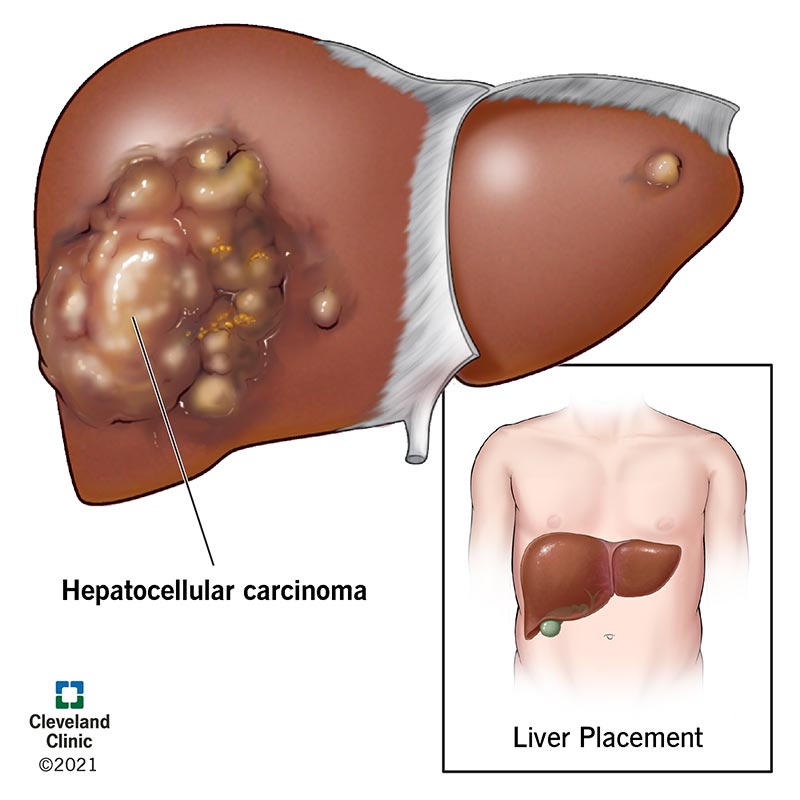
There are several different types of liver tumors, each with their own characteristics and treatment options. The most common types include hepatocellular carcinoma (HCC), which originates in the liver cells, and cholangiocarcinoma, which develops in the bile ducts. Other less common types include angiosarcoma, hemangioendothelioma, and hepatoblastoma, which usually affect children.
Symptoms and Risk Factors
Liver tumors often do not cause noticeable symptoms in the early stages. However, as the tumor grows, symptoms may develop, including abdominal pain, swelling, weight loss, fatigue, yellowing of the skin and eyes (jaundice), and changes in bowel habits. Several risk factors can increase the likelihood of developing liver tumors, such as chronic hepatitis B or C infection, cirrhosis, excessive alcohol consumption, obesity, and exposure to certain chemicals or toxins.
Diagnosis
Diagnosing liver tumors requires a comprehensive evaluation of various factors, including medical history, physical examination, and a series of diagnostic tests. These tests are essential for determining the presence, characteristics, and stage of the tumor. The primary diagnostic tools for liver tumors include imaging tests, biopsy, and blood tests.

Imaging Tests
Imaging tests, such as ultrasound, computed tomography (CT) scan, magnetic resonance imaging (MRI), and positron emission tomography (PET) scan, play a crucial role in the diagnosis of liver tumors. These tests help visualize the liver and detect any abnormalities. They provide detailed information about the size, location, and spread of the tumor, which helps guide further treatment decisions.
Biopsy
A biopsy involves the collection and examination of a small sample of liver tissue to determine if it is cancerous. During a biopsy, a doctor inserts a thin needle into the liver to remove the tissue sample. The sample is then sent to a laboratory for analysis. Biopsies are commonly done using imaging guidance, such as ultrasound or CT scan, to ensure precision and accuracy.

Blood Tests
Blood tests are an essential component of the diagnostic process for liver tumors. These tests can measure liver function, as well as detect specific markers or substances in the blood that may indicate the presence of liver cancer. These markers include alpha-fetoprotein (AFP) and des-gamma-carboxy prothrombin (DCP). While blood tests alone cannot diagnose liver tumors, they are valuable in conjunction with other diagnostic tests.
Staging and Grading
Once a liver tumor is diagnosed, it is important to determine its stage and grade. Staging refers to the extent to which the tumor has spread, both within the liver and to other parts of the body. Grading indicates the aggressiveness and growth pattern of the tumor. Staging and grading are crucial in determining the most appropriate treatment options and predicting the prognosis for patients with liver tumors.

Treatment Options
The treatment plan for liver tumors depends on various factors, including the type, size, stage, and overall health of the patient. The primary treatment options include surgical removal, liver transplantation, ablation, embolization, chemotherapy, radiation therapy, targeted therapy, experimental treatments, and palliative care.
Surgical Removal
Surgical removal, also known as resection, involves the removal of the liver tumor through surgery. This is only possible if the tumor is confined to a specific area and has not spread to other parts of the liver or body. Surgical removal is considered the most effective treatment option for liver tumors, especially if the tumor is small and localized.
Liver Transplantation
Liver transplantation may be an option for patients with advanced liver tumors or those who have underlying liver disease, such as cirrhosis. During a liver transplant, the diseased liver is replaced with a healthy liver from a deceased or living donor. This procedure offers a chance of cure for patients with liver tumors that cannot be removed by surgery alone.
Ablation
Ablation techniques are used to destroy liver tumors that cannot be surgically removed. These techniques involve using heat (radiofrequency ablation) or cold (cryoablation) to kill the tumor cells. Ablation may be performed using a needle or probe that is inserted into the tumor, guided by imaging techniques such as ultrasound or CT scan. Ablation can be an effective treatment for small tumors or as a palliative treatment for larger tumors.
Embolization
Embolization is a minimally invasive procedure that involves blocking the blood supply to the tumor, causing it to shrink or die. During embolization, tiny particles are injected into the blood vessels that supply the tumor. This procedure is often combined with other treatments, such as chemotherapy or radiation therapy, to enhance the effectiveness of treatment.
Chemotherapy
Chemotherapy uses drugs to kill cancer cells or slow down their growth. It is often used in cases where the tumor has spread beyond the liver or if surgery is not an option. Chemotherapy for liver tumors can be administered orally, intravenously, or directly into the liver through a catheter. The choice of chemotherapy drugs and regimen depends on the type and stage of the liver tumor.
Radiation Therapy
Radiation therapy uses high-energy beams to kill cancer cells or stop their growth. External beam radiation therapy is commonly used for liver tumors and involves directing radiation from outside the body towards the tumor. This treatment option is typically used in combination with other treatments, such as surgery or chemotherapy, and can help shrink tumors before surgery or provide palliative relief for advanced tumors.
Targeted Therapy
Targeted therapy is a form of treatment that targets specific genes, proteins, or pathways involved in the growth and survival of cancer cells. These targeted drugs interfere with the signals that drive the tumor’s growth, leading to its shrinkage or destruction. Targeted therapy may be used in combination with other treatments or as a standalone treatment for certain types of liver tumors.
Experimental Treatments
Experimental treatments are innovative approaches to treating liver tumors that are still being studied in clinical trials. These treatments may include new drugs, immunotherapies, or novel procedures that aim to improve patient outcomes. Participating in clinical trials provides an opportunity for patients to access cutting-edge treatments and contribute to the advancement of liver tumor research.
Palliative Care
Palliative care focuses on providing relief from the symptoms and side effects of liver tumors, rather than aiming for a cure. Palliative care may involve pain management, emotional support, nutritional counseling, and assistance with managing treatment-related complications. Palliative care can improve the quality of life for patients with advanced liver tumors and provide comfort to both patients and their families.
Managing Complications
Liver tumors can lead to various complications, such as liver failure, ascites (fluid buildup in the abdomen), infection, bleeding, or jaundice. Managing these complications is an important aspect of the overall treatment plan. Treatment may involve medications, interventions, or procedures to address specific complications and improve the patient’s well-being.
Recovery and Rehabilitation
Recovery and rehabilitation after treatment for liver tumors are crucial for regaining physical strength, emotional well-being, and overall health. This may involve physical therapy, nutritional support, psychological counseling, and follow-up appointments to monitor the patient’s progress and manage any potential long-term side effects or recurrence of the tumor.
In conclusion, the diagnosis and treatment of liver tumors require a comprehensive approach that considers the individual patient’s condition, the characteristics of the tumor, and the available treatment options. Early detection, accurate diagnosis, and timely intervention are crucial for achieving favorable outcomes in patients with liver tumors. With advancements in medical technology and ongoing research, there is hope for improved treatment options and increased survival rates for individuals diagnosed with liver tumors.