
Are you curious about liver tumors? Look no further! This article will provide you with a comprehensive understanding of liver tumors, helping you to navigate through this complex topic. From their causes and symptoms to diagnosis and treatment options, we’ve got you covered. So, sit back, relax, and get ready to expand your knowledge on liver tumors!
Types of Liver Tumors
Benign Liver Tumors
Benign liver tumors are non-cancerous growths that develop in the liver. These tumors are usually slow-growing and do not spread to other parts of the body. There are several types of benign liver tumors, including hepatocellular adenoma, focal nodular hyperplasia, and hemangioma. While most benign liver tumors do not cause symptoms, some may lead to pain or discomfort in the upper abdomen. Treatment for benign liver tumors may not always be necessary, but in certain cases, surgery may be performed to remove the tumor.
Malignant Liver Tumors
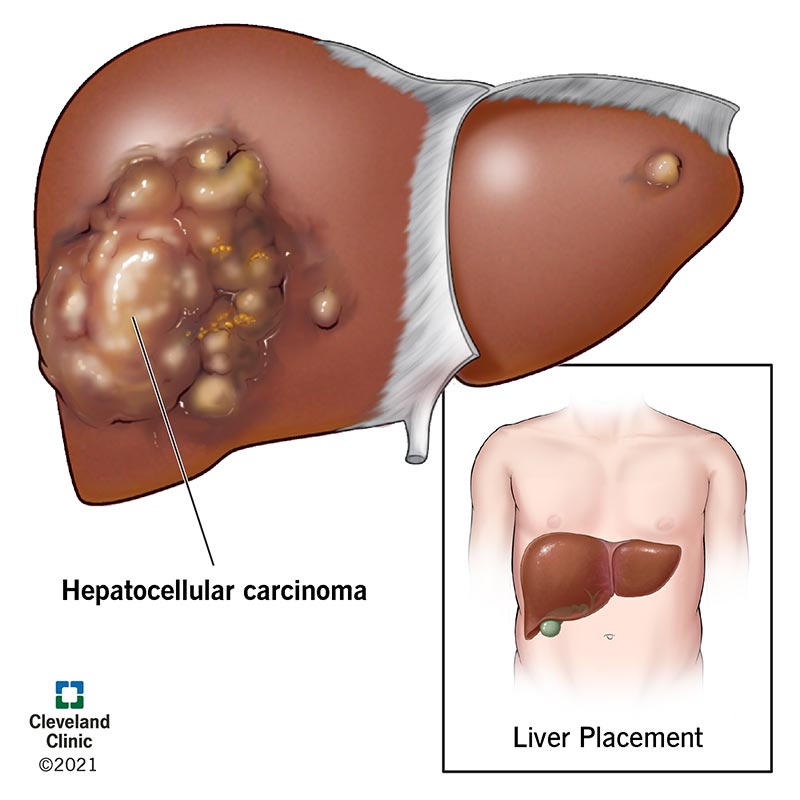
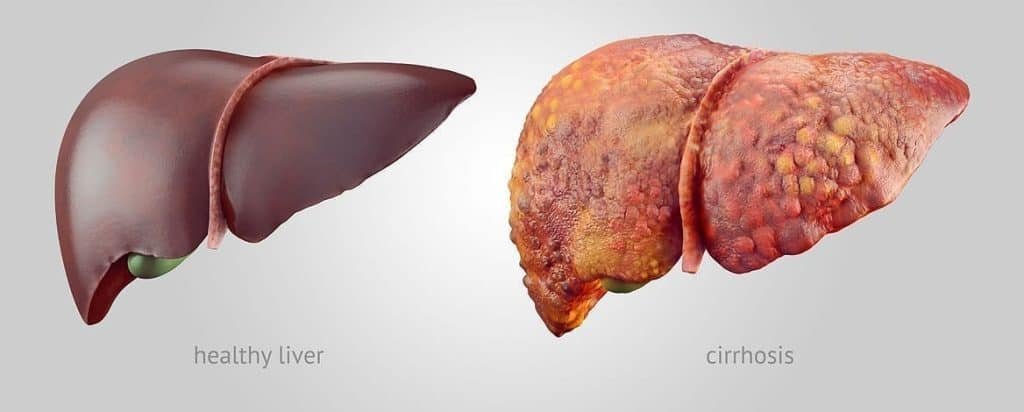
Malignant liver tumors, also known as liver cancers, are cancerous growths that originate in the liver. The two main types of malignant liver tumors are hepatocellular carcinoma (HCC) and cholangiocarcinoma. HCC is the most common type of liver cancer and usually develops as a result of underlying liver diseases such as hepatitis B or C infection, alcohol abuse, or cirrhosis. Cholangiocarcinoma, on the other hand, begins in the bile ducts within the liver.
Symptoms and Diagnosis
Common Symptoms of Liver Tumors
Liver tumors may or may not cause symptoms, especially in the early stages. However, as the tumor grows larger or spreads, certain symptoms may start to appear. These include:
- Abdominal pain or discomfort: This is often felt on the right side of the abdomen, where the liver is located.
- Unexplained weight loss: People with liver tumors may experience a sudden and unexplained loss of weight.
- Fatigue: Feeling tired or weak even after getting sufficient rest may be a symptom of liver tumors.
- Jaundice: Yellowing of the skin and eyes occurs when liver function is compromised.
- Nausea and vomiting: Liver tumors can affect digestion, leading to feelings of nausea and vomiting.
Diagnostic Tests for Liver Tumors
If you experience any of the symptoms associated with liver tumors, it is important to see a doctor for proper diagnosis. The following diagnostic tests may be performed:
- Imaging tests: These include ultrasound, CT scan, and MRI, which can provide detailed images of the liver and help detect any abnormalities.
- Blood tests: Liver function tests and tumor marker tests can help evaluate liver function and detect certain substances in the blood that may indicate the presence of liver tumors.
- Biopsy: In some cases, a small sample of liver tissue may be removed and examined under a microscope to determine if the tumor is benign or malignant.
Causes and Risk Factors
Hepatitis B and C Infection
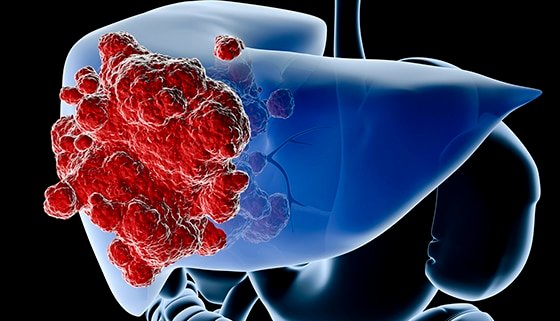
Chronic hepatitis B or C infection is one of the leading causes of liver tumors. These viral infections can cause long-term inflammation of the liver, leading to the development of cancerous cells. It is important to get vaccinated against hepatitis B and practice safe sex and precautions to prevent the spread of hepatitis C.
Alcohol Abuse
Excessive consumption of alcohol over a prolonged period can damage the liver and increase the risk of liver tumors. It is recommended to limit alcohol intake or seek professional help if you struggle with alcohol abuse.
Obesity
Obesity is associated with an increased risk of various health conditions, including liver tumors. It is important to maintain a healthy weight through regular exercise and a balanced diet to reduce the risk of liver tumors.
Certain Genetic Conditions
Certain genetic conditions, such as hereditary hemochromatosis or Wilson’s disease, can increase the risk of developing liver tumors. If you have a family history of these conditions, it is important to undergo regular screenings and receive appropriate medical care.
Treatment Options
Surgical Treatment
Surgery is often considered the primary treatment option for liver tumors, especially if they are localized and have not spread to other parts of the body. The two main surgical procedures used to remove liver tumors are:
- Liver resection: This involves removing the tumor along with a portion of healthy liver tissue.
- Liver transplantation: In cases where the tumor cannot be completely removed by resection, a liver transplant may be recommended. This involves replacing the diseased liver with a healthy liver from a donor.
Radiation Therapy
Radiation therapy uses high-energy beams to kill cancer cells and shrink tumors. It is often used in combination with surgery or other treatments to improve outcomes for patients with liver tumors.
Chemotherapy
Chemotherapy involves the use of powerful drugs to kill cancer cells throughout the body. It may be administered orally or intravenously. While chemotherapy may be less effective for liver tumors compared to other cancer types, it can still play a role in the treatment plan, especially for advanced cases.
Targeted Therapy
Targeted therapy is a more recent development in cancer treatment that uses drugs to specifically target cancer cells, while minimizing damage to healthy cells. This approach has shown promising results for certain types of liver tumors, including HCC.
Liver Transplantation
Liver transplantation is a treatment option for patients with advanced liver tumors that cannot be removed by surgery. It involves replacing the diseased liver with a healthy liver from a donor. Liver transplantation can offer a potential cure for eligible patients, but availability of donor organs can be a limiting factor.
Prevention and Early Detection
Vaccination against Hepatitis B
Vaccination against hepatitis B is one of the most effective ways to prevent liver tumors caused by the virus. It is recommended for infants, as well as individuals at high risk of contracting the infection, such as healthcare workers or those with multiple sexual partners.
Regular Liver Function Tests
Regular liver function tests can help detect any abnormalities in liver function that may indicate the presence of liver tumors. These tests involve analyzing blood samples to assess liver enzymes and other markers.
Maintaining a Healthy Lifestyle
Maintaining a healthy lifestyle, including regular exercise and a balanced diet, can help reduce the risk of liver tumors. Avoiding excessive alcohol consumption and maintaining a healthy weight are particularly important in preventing liver-related diseases.
Complications and Prognosis
Complications of Liver Tumors
Liver tumors can lead to various complications, including:
- Liver failure: As the tumor grows and affects liver function, it may lead to liver failure, which is a life-threatening condition.
- Metastasis: Tumors that spread beyond the liver can cause cancer to develop in other organs, further complicating treatment and prognosis.
- Ascites: This is the buildup of fluid in the abdomen, which can occur as a result of liver tumors and lead to discomfort and difficulty breathing.
Prognosis for Liver Tumors
The prognosis for liver tumors depends on several factors, including the type and stage of the tumor, as well as the overall health of the individual. Early detection and appropriate treatment can significantly improve the prognosis. However, liver tumors are generally associated with a poorer prognosis compared to other types of cancer, partly due to the liver’s crucial role in the body’s functions.

Support and Resources
Liver Cancer Support Groups
Support groups can provide a valuable network of individuals who have experienced or are currently dealing with liver tumors. These groups offer emotional support, information sharing, and a sense of community. Local hospitals or cancer centers may provide information on liver cancer support groups in your area.
Educational Materials and Websites
There are various educational materials and websites available that provide information and resources on liver tumors. Some reputable sources include the American Cancer Society (cancer.org) and the National Cancer Institute (cancer.gov).
Research and Advances
Advancements in Liver Tumor Treatment
Ongoing research and advancements in liver tumor treatment have led to new treatment options and improved outcomes for patients. Scientists and clinicians are continuously exploring innovative therapies, such as immunotherapy and targeted therapy, to better manage liver tumors.
Research Studies and Clinical Trials
Participating in research studies or clinical trials can provide access to cutting-edge treatments that may not yet be widely available. These studies also help advance medical knowledge and contribute to the development of more effective treatments for liver tumors.
Coping with Liver Tumors
Emotional Support
Coping with a diagnosis of liver tumors can be emotionally challenging. Seeking emotional support from loved ones, support groups, or a mental health professional can help you navigate the emotional aspects of living with liver tumors.
Managing Treatment Side Effects
Treatment for liver tumors may have side effects, such as fatigue, hair loss, or nausea. Working closely with your healthcare team can help manage these side effects and improve your quality of life during treatment.
Conclusion
Liver tumors can be a daunting diagnosis, but advances in medical understanding and treatment options have provided hope for patients. Early detection, proper diagnosis, and appropriate treatment play crucial roles in improving outcomes for individuals with liver tumors. By understanding the different types of liver tumors, their symptoms, risk factors, and available treatment options, you can make informed decisions and take necessary steps to protect your liver health. Remember to consult with your healthcare provider for personalized advice and guidance regarding liver tumors.