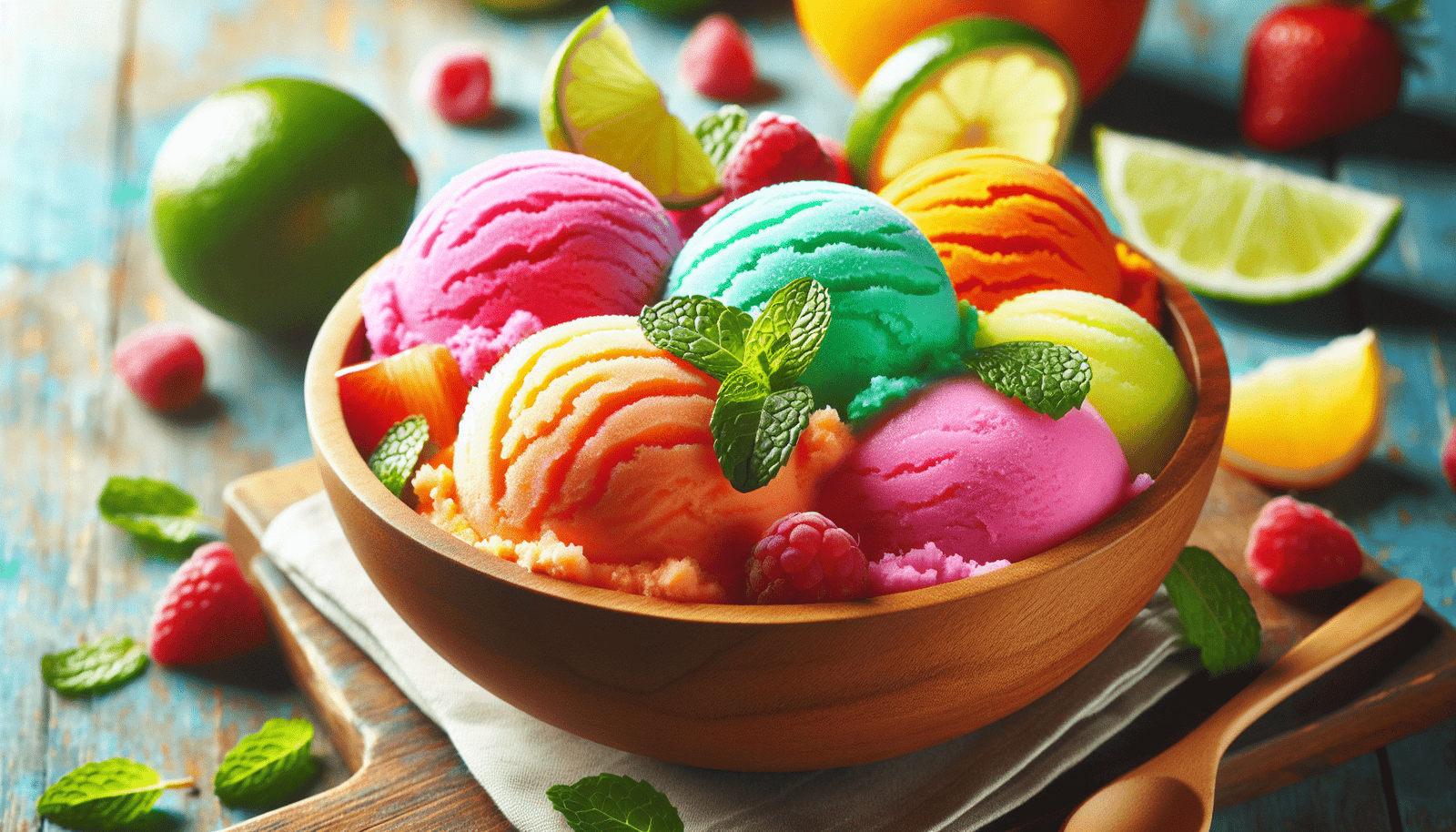
Have you ever found yourself wondering about the sweet delights you indulge in, like sherbet? Specifically, does sherbet really have sugar? The answer might surprise you, as it intertwines the worlds of nutrition, culinary art, and even a bit of history.
What Is Sherbet?
Sherbet is a frozen dessert that has become a favorite in many cultures. Originating from the Arabic word “sharba,” meaning beverage, sherbet traditionally refers to a drink made from sugar, fruit, and water. Over time, the term evolved in different regions, resulting in the delightful frozen treat we know today.
The Ingredients of Sherbet
At its core, sherbet is composed of a handful of ingredients. While recipes can vary, the fundamental components typically include:
- Fruit Juice or Puree: This is the star ingredient that provides flavor.
- Sugar: This contributes sweetness, creating a lively treat.
- Water: Essential for achieving the desired texture.
- Stabilizers or Emulsifiers: These may be added to ensure a smooth consistency.
The balance among these ingredients leads to a frozen delight that is both refreshing and flavorful.
Does Sherbet Have Sugar?
If you’re asking whether sherbet contains sugar, the answer is overwhelmingly yes. Most traditional recipes and store-bought options include a significant amount of sugar.
The Role of Sugar in Sherbet
Sugar is not just a sweetener; it acts as a fundamental ingredient in improving the texture and flavor profile of sherbet. Here’s a closer look at why sugar is essential:
- Flavor Enhancement: Sugar enhances the natural flavors of the fruit, making each bite more enjoyable.
- Texture Improvement: Sugar helps to lower the freezing point, resulting in a softer, creamier texture. This makes it easier to scoop and consume.
- Preservation: Sugar serves as a natural preservative, helping to maintain the freshness and quality of the sherbet over time.
Understanding these elements reveals why sugar plays such a vital role in making sherbet what it is.
Different Types of Sherbet
While the core ingredients generally remain the same, sherbet can vary in type and flavor. Here are a few types you might come across:
Traditional Sherbet
This version comprises primarily of fruit juices, sugar, and water. It’s the foundational recipe that has stood the test of time. The flavor largely depends on the type of fruit used, with classics like lemon, raspberry, and orange reigning supreme.
Creamy Sherbet
Creamy sherberts introduce a layer of cream, elevating the mouthfeel and richness. The inclusion of dairy softens the texture even further, providing a luxurious experience that many people adore.
Non-Dairy Sherbet
This type caters to those who prefer or require a dairy-free option. Non-dairy sherbets typically use alternative milks or fruit purees for creaminess, offering a delightful experience without traditional dairy.
Sugar Content in Sherbet
When it comes to sugar content, understanding the numbers can help clarify your culinary choices. Here’s a simplified table to illustrate the sugar content in typical sherbet:
| Type of Sherbet | Sugar Content (per 1/2 cup) |
|---|---|
| Traditional Sherbet | 20-30 grams |
| Creamy Sherbet | 25-35 grams |
| Non-Dairy Sherbet | 15-25 grams |
This table provides a general idea, but remember that specific brands or homemade variations can yield different results.
Implications for Your Diet
If you’re concerned about sugar intake, it’s important to consider these figures when enjoying sherbet. Consuming excessive sugar can lead to various health issues, including weight gain and increased risk of diabetes. Therefore, being mindful of portion sizes and frequency of consumption can help you enjoy sherbet without straying too far from your nutritional goals.

Alternatives to Sugar in Sherbet
For those looking to indulge without traditional sugar, there are several alternatives available. It’s reassuring to know that there are options that can still satisfy your sweet tooth while aligning with dietary preferences.
Natural Sweeteners
Natural sweeteners such as honey, agave nectar, or maple syrup can substitute for sugar in sherbet recipes. These options often provide additional flavors and can be less processed.
Artificial Sweeteners
Many people turn to artificial sweeteners like aspartame, sucralose, or stevia when seeking to reduce sugar intake. These products can often provide the desired sweetness without the calorie load of traditional sugar.
Fruit-Only Sweeteners
An intriguing option is using pureed fruits as the only sweetening agent. Bananas, apples, and dates can add natural sweetness to your sherbet while enhancing its fruitiness.
The Nutritional Aspect of Sherbet
Gaining a comprehensive understanding of what sherbet is made of can enrich your consuming experience. While it’s enticing to adore its sweetness, it’s equally important to note its nutritional benefits.
Vitamins and Minerals
Depending on the fruit used, sherbet can be a source of vitamins and minerals. For instance:
- Citrus Fruits: Rich in Vitamin C, promoting immunity and skin health.
- Berries: Packed with antioxidants, which can support overall health.
The nutritional line-up can vary widely, so paying attention to the primary fruit in the sherbet can guide you in making health-conscious choices.
Calories in Sherbet
While sherbet is often seen as a refreshing treat, it is important to be aware of its caloric content. Generally, a half-cup serving of sherbet contains around:
- Traditional Sherbet: 100-150 calories
- Creamy Sherbet: 150-200 calories
- Non-Dairy Sherbet: 80-120 calories
These values can vary depending on the specific recipe or brand, but being aware of them can assist you in making mindful eating choices.

Making Your Own Sherbet
If you’re intrigued by the idea of customizing your sherbet, making it at home could be a delightful activity. Crafting your sherbet allows you to control the sweetness and ingredients, catering to your preferences.
Basic Homemade Sherbet Recipe
Here’s a straightforward recipe to get you started:
Ingredients:
- 2 cups of fruit puree (your choice)
- 1 cup of sugar (or alternative sweetener)
- 1 cup of water
- Optional: 1 cup of cream or a non-dairy alternative
Instructions:
- Blend Fruit: Using a blender, puree your choice of fruit until smooth.
- Combine Ingredients: In a bowl, stir together the fruit puree, sugar, and water until well combined. If desired, add cream or a non-dairy alternative for a creamier texture.
- Chill: Place the mixture in the refrigerator for about an hour. This ensures that it’s cold when you start freezing it.
- Freeze: Pour the mixture into an ice cream maker and churn according to the manufacturer’s directions until it reaches a soft-serve consistency. If you don’t have an ice cream maker, pour the mixture into a shallow dish and freeze, stirring every 30 minutes until firm.
- Serve: Once it’s ready, scoop out, and enjoy!
Making your own sherbet is not only fun, it also allows you to experiment with flavors and sugar alternatives that suit your taste.
Conclusion
So, does sherbet have sugar? Indeed, sugar plays a crucial role in the delightful world of sherbet, contributing to its sweetness, texture, and longevity. Understanding what goes into this iconic frozen treat empowers you to make choices that align with your dietary preferences. Whether you opt for traditional sugar, experiment with natural alternatives, or whip up a batch at home, the world of sherbet is filled with possibilities waiting to be savored.
As you indulge in this icy delight, remember that knowledge is your friend. Knowing what you’re consuming can lead to more satisfying treats that fit your lifestyle and palate. So the next time you scoop up a bowl of sherbet, you can relish the sweetness, knowing you’re well-informed about your delicious choice. Enjoy every delightful bite!