Have you ever found yourself staring at a can of pineapple in the supermarket, contemplating whether or not to add it to your cart? You might wonder if it’s a healthy choice or if fresh fruit is the way to go. The truth is, canned pineapple has a lot to offer, and understanding its nutritional value can help you make an informed decision for your dietary needs.
The Basics of Canned Pineapple
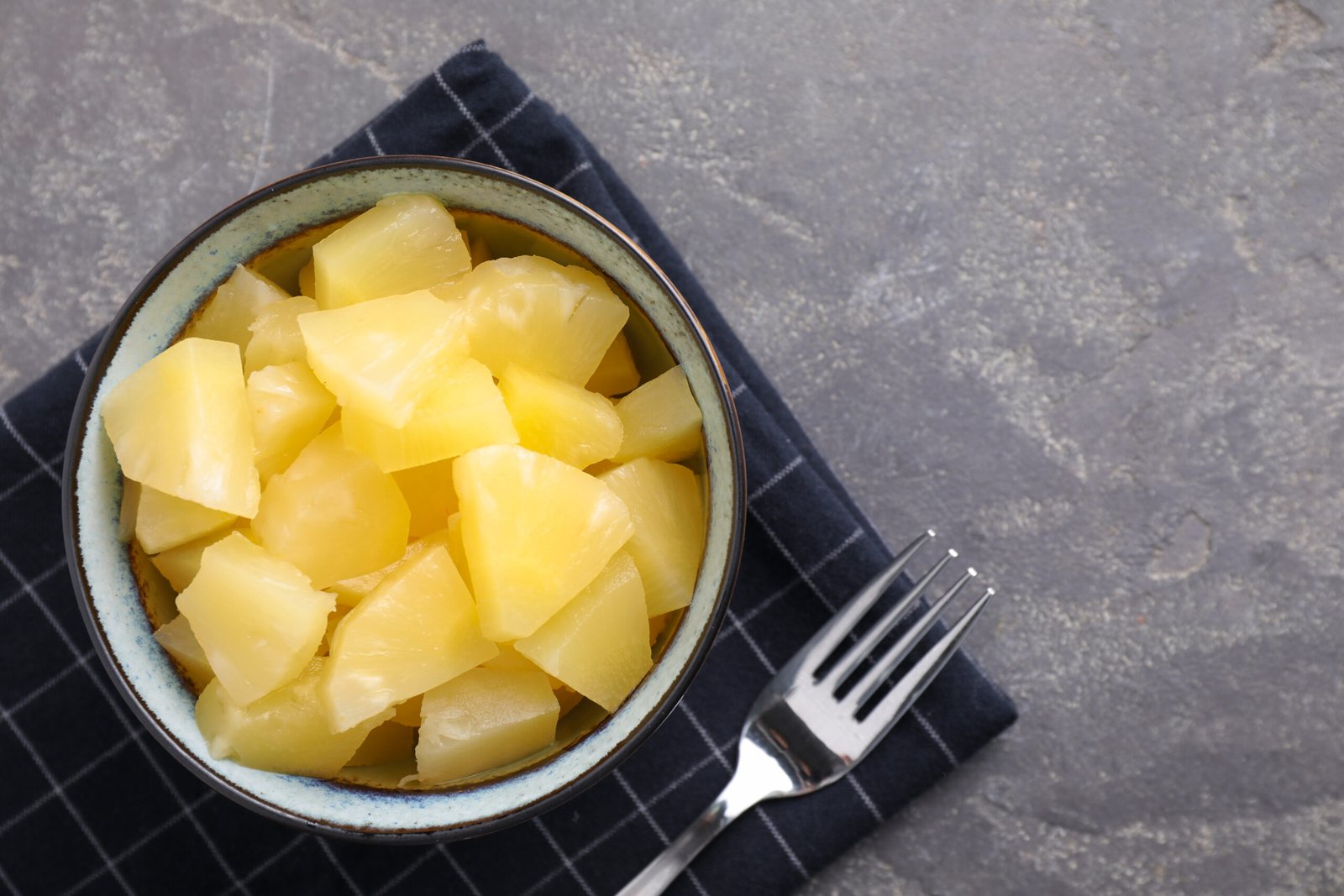
Canned pineapple is simply fresh pineapple that has been processed and preserved in a can. It’s often packed in juice or syrup, which can affect its nutritional content. Pineapple is sweet, juicy, and a favorite ingredient in various dishes, from salads to desserts. But is it truly a healthy option?
Nutritional Values
One of the first aspects to consider when assessing canned pineapple’s health benefits are its nutritional values. Here’s a simple breakdown:
| Nutritional Component | Per 100 grams (in juice) | Per 100 grams (in syrup) |
|---|---|---|
| Calories | 50 | 78 |
| Carbohydrates | 13 g | 20 g |
| Sugars | 10 g | 18 g |
| Fiber | 1.2 g | 0.8 g |
| Protein | 0.5 g | 0.3 g |
| Fat | 0.1 g | 0.1 g |
| Vitamin C | 47% of the Daily Value | 47% of the Daily Value |
| Manganese | 76% of the Daily Value | 76% of the Daily Value |
This table highlights how canned pineapple can vary in nutritional profile based on the liquid it’s packed in. Choosing one over the other may depend on your dietary preferences, especially when considering sugar content.
Advantages of Canned Pineapple
There are several benefits to choosing canned pineapple, especially in comparison to fresh options.
Convenience
Canned pineapple offers a level of convenience that fresh fruit cannot match. No peeling, no chopping, and no fuss. Just open the can, and it’s ready to go. This makes it an ideal snack, or a quick addition to a meal, especially on busy days.
Shelf Life
Another significant advantage is shelf stability. Canned pineapple can last for years when stored correctly. This means you can keep it on hand for those days when you want to whip up a quick dessert or add it to a savory dish without worrying about it spoiling.
Nutrients Retention
Despite the processing, canned pineapple retains many of its nutrients. It’s rich in vitamin C and manganese, both of which are vital for maintaining a healthy immune system and bone strength.
Disadvantages of Canned Pineapple
While there are many advantages, it’s also essential to consider some of the downsides.
Added Sugars
One drawback of canned pineapple, particularly those packed in syrup, is the added sugars. If you’re watching your sugar intake, it’s crucial to check the label and opt for products packed in 100% juice or water.
Loss of Fiber
Another aspect to consider is the fiber content. Canned pineapple doesn’t provide quite as much fiber as fresh pineapple, which may be something to think about if fiber intake is a priority in your diet.
Comparing Canned Pineapple to Fresh Pineapple
You might still be asking yourself: which is better, canned or fresh pineapple? Let’s break it down a little further.
Nutritional Comparison
Fresh pineapple does have a higher fiber content and is free from added sugars. However, canned pineapple can sometimes be easier to digest because it’s softer. Below is a table that illustrates some key differences:
| Aspect | Canned Pineapple | Fresh Pineapple |
|---|---|---|
| Fiber Content | Lower than fresh | Higher, beneficial for digestion |
| Sugar Content | Can be high in added sugars (especially in syrup) | Naturally occurring sugars, less sweet overall |
| Shelf Life | Long shelf life, convenient | Short shelf life, needs to be consumed quickly |
| Preparation Time | Minimal (just open and serve) | Requires peeling and cutting |
| Nutritional Integrity | Retains most vitamins but some loss of fiber | High in vitamins and minerals with plenty of fiber |
Dietary Preferences
When it comes down to personal dietary preferences, you may lean towards one over the other. Having both options available allows you to be flexible in your meal planning.
The Role of Pineapple in a Healthy Diet
Fruits are an essential component of a balanced diet, and pineapples are no exception. In fact, being tropical fruits, pineapples offer a unique blend of nutrients that support various health functions.
Digestive Health
One of the standout features of pineapple is its bromelain content, an enzyme known for aiding digestion. The enzyme helps break down proteins, making it easier for our bodies to absorb nutrients. Whether you choose fresh or canned, including pineapple in your meals can promote digestive health.
Boosting Immunity
Pineapples are rich in vitamin C, an essential nutrient that helps boost your immune system. Regular consumption can keep you feeling energetic, vibrant, and less prone to infections. Canned pineapple retains a good amount of this nutrient, making it a beneficial addition to your diet.
Bone Health
Manganese is another mineral that your body requires for maintaining strong bones and connective tissues. Canned pineapple is an excellent source of manganese, and including it in your meals can support healthy bone structure.

Recipes Involving Canned Pineapple
Now that you know the potential health benefits of canned pineapple, you might be wondering how to incorporate it into your meals. Here are a few friendly and easy recipes to get you started.
Tropical Smoothie
This is a refreshing drink packed with nutrients.
Ingredients:
- 1 cup canned pineapple chunks
- 1 banana
- 1 cup coconut water
- A handful of spinach (optional)
Instructions:
- Combine all ingredients in a blender.
- Blend until smooth and creamy.
- Pour into a glass and enjoy!
Pineapple Fried Rice
A savory way to enjoy canned pineapple.
Ingredients:
- 1 cup cooked rice
- 1 cup canned pineapple chunks, drained
- 1 bell pepper, chopped
- 2 green onions, chopped
- Soy sauce to taste
- 2 teaspoons of cooking oil
Instructions:
- Heat oil in a pan. Add bell pepper and onions, sauté until tender.
- Stir in cooked rice and canned pineapple.
- Add soy sauce and mix well. Cook for another 5 minutes.
- Serve hot!
Pineapple Upside Down Cake
A classic dessert that showcases the sweetness of pineapple.
Ingredients:
- 1 can of sliced pineapple
- 1/2 cup of brown sugar
- 1/2 cup of butter
- Your favorite cake mix
Instructions:
- Preheat your oven as per the cake mix instructions.
- In a baking dish, melt butter and sprinkle brown sugar evenly.
- Arrange pineapple slices on top of the sugar and pour cake mix over.
- Bake according to cake mix directions and enjoy your delicious treat!

Health Considerations
While canned pineapple has numerous benefits, you should keep certain health considerations in mind.
Allergies and Sensitivities
If you have allergies or sensitivities to tropical fruits, it’s essential to approach canned pineapple with caution. Always read labels for any cross-contamination warnings.
Sugar Intake
As mentioned earlier, opting for canned pineapple packed in natural juice or water is advisable for those monitoring their sugar intake. When consuming canned pineapple, moderation is key, especially if sugar is a concern for you.
Portion Control
Lastly, being mindful of portion sizes can help you balance canned pineapple within your diet. A serving size of about half a cup is a good reference to keep in mind.
Final Thoughts on Canned Pineapple
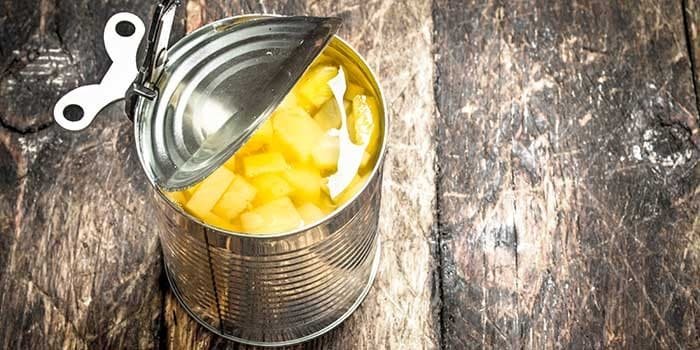
So, is canned pineapple healthy? The answer is considerably nuanced. Canned pineapple can indeed be a healthy addition to your diet, particularly when you make informed choices about its preparation, packaging, and portion size.
It offers essential vitamins and minerals, provides convenience, and allows you to enjoy the taste of tropical fruit year-round. Finding a balance between fresh and canned, along with mindful consumption, is your pathway to a healthy relationship with this tasty treat.
Ultimately, the choice lies with you. Embrace the joy of pineapple in whatever form you prefer, and remember that making informed choices is key to your overall well-being. So, the next time you gaze at that can of pineapple in the store, you can feel confident in your decision.