
Did you know that early detection of Hodgkin lymphoma in children is crucial for successful treatment? Hodgkin lymphoma is a type of cancer that affects the lymphatic system, which plays an important role in the body’s immune system. However, when diagnosed early and treated promptly, the chances of a complete recovery are significantly higher. In this article, we will explore the importance of early detection and learn about the various treatment options available for children diagnosed with Hodgkin lymphoma. So, let’s dive in and discover how early detection can make a world of difference in the lives of young patients.

Overview of Hodgkin Lymphoma in Children
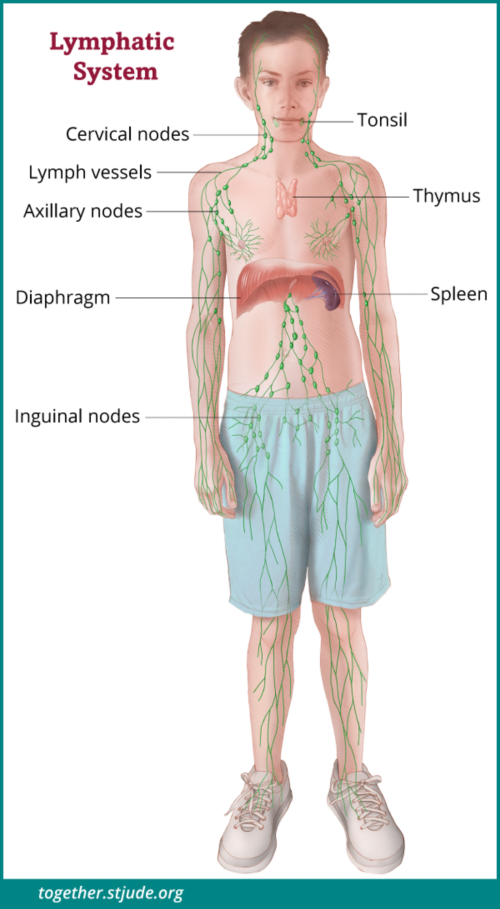
Hodgkin lymphoma is a type of cancer that originates in the lymphatic system, which is a part of the body’s immune system. In children, Hodgkin lymphoma is relatively rare compared to other types of cancer, but it is still one of the most common types of cancer in this age group. This article aims to provide a comprehensive overview of Hodgkin lymphoma in children, including its definition, prevalence, symptoms, diagnostic procedures, staging, treatment modalities, and prognosis.
Definition and Background of Hodgkin Lymphoma
Hodgkin lymphoma, also known as Hodgkin’s disease, is a type of cancer that affects the lymphatic system. It is characterized by the presence of a specific abnormal cell called the Reed-Sternberg cell. These cells are larger than normal lymphocytes and play a key role in the development and progression of the disease. Hodgkin lymphoma can occur at any age, but it is more commonly diagnosed in adolescents and young adults.
Prevalence and Age Group
Although Hodgkin lymphoma is considered relatively rare in children, it is still one of the most common types of cancer in this age group. The incidence of Hodgkin lymphoma in children varies depending on geographic location, with higher rates observed in developed countries. In the United States, for example, it is estimated that approximately 10% of all cancers in children and adolescents are Hodgkin lymphoma.
Symptoms and Clinical Presentation
The symptoms of Hodgkin lymphoma in children can vary, and some children may not experience any symptoms at all. The most common symptom is the enlargement of one or more lymph nodes in the neck, armpit, or groin. Other symptoms may include unexplained weight loss, fatigue, night sweats, fever, and itching. In some cases, children with Hodgkin lymphoma may also experience a loss of appetite or have pain in the affected lymph nodes.
Risk Factors and Causes
The exact cause of Hodgkin lymphoma is unknown, but there are several risk factors that have been associated with the development of the disease in children. These include a family history of Hodgkin lymphoma or other lymphomas, a compromised immune system, exposure to certain viruses such as Epstein-Barr virus, and certain genetic disorders. However, it is important to note that the majority of children diagnosed with Hodgkin lymphoma do not have any known risk factors.
Diagnostic Procedures for Hodgkin Lymphoma in Children
Early detection and accurate diagnosis of Hodgkin lymphoma in children are crucial for effective treatment. Several diagnostic procedures are used to confirm the presence of Hodgkin lymphoma and determine its stage and severity.
Physical Examination and Medical History
During a physical examination, the healthcare provider will carefully examine the child for any enlarged lymph nodes or other signs of Hodgkin lymphoma. They will also take a detailed medical history, including any symptoms the child has been experiencing and any relevant family history.
Laboratory Tests
Laboratory tests are essential for diagnosing Hodgkin lymphoma in children. Blood tests, such as a complete blood count (CBC) and blood chemistry tests, can help evaluate the overall health of the child and detect any abnormalities. Additionally, tests to measure certain proteins and markers associated with Hodgkin lymphoma, such as erythrocyte sedimentation rate (ESR) and lactate dehydrogenase (LDH) levels, may also be performed.
Imaging Techniques
Imaging techniques, such as X-rays, computed tomography (CT) scans, and positron emission tomography (PET) scans, are commonly used to evaluate the extent of the disease and identify any abnormalities in the lymph nodes or other organs. These imaging studies can provide valuable information about the stage of Hodgkin lymphoma and help guide treatment decisions.
Biopsy and Pathological Evaluation
A biopsy is a crucial diagnostic procedure for Hodgkin lymphoma. It involves the removal of a small sample of tissue from an enlarged lymph node or other affected area for examination under a microscope. The biopsy sample is then sent to a pathology laboratory, where pathologists analyze the tissue to confirm the presence of Hodgkin lymphoma and determine the specific type and subtype of the disease.

Staging and Prognosis of Hodgkin Lymphoma in Children
Once a diagnosis of Hodgkin lymphoma is confirmed, further staging is necessary to determine the extent of the disease and develop an appropriate treatment plan. The stage of Hodgkin lymphoma in children is primarily based on the location and size of the tumor, involvement of lymph nodes, and the presence or absence of cancerous cells in other organs.
Stages of Hodgkin Lymphoma
Hodgkin lymphoma is typically staged using the Ann Arbor staging system, which classifies the disease into four stages:
- Stage I: The cancer is confined to a single lymph node region or a single organ.
- Stage II: The cancer involves two or more lymph node regions on the same side of the diaphragm.
- Stage III: The cancer involves lymph node regions on both sides of the diaphragm.
- Stage IV: The cancer has spread to one or more organs outside the lymphatic system.
Prognostic Factors
Several factors can influence the prognosis (likely outcome) of Hodgkin lymphoma in children. These include the stage of the disease, the presence of specific prognostic factors (such as B symptoms, tumor size, and response to treatment), the child’s age and overall health, and the type and subtype of Hodgkin lymphoma.
Predictive Scoring Systems
To help predict the outcome of Hodgkin lymphoma treatment in children, various scoring systems have been developed. These scoring systems take into account different prognostic factors and assign scores that can help guide treatment decisions and estimate the child’s chances of survival and disease recurrence.
Survival Rates
The prognosis for children with Hodgkin lymphoma has greatly improved over the years, thanks to advances in treatment options. The overall survival rate for children with Hodgkin lymphoma is currently estimated to be around 90%. However, survival rates can vary depending on the stage and subtype of Hodgkin lymphoma, the child’s response to treatment, and other individual factors.
Treatment Modalities for Hodgkin Lymphoma in Children
The treatment of Hodgkin lymphoma in children typically involves a combination of different modalities, including chemotherapy, radiation therapy, surgery, stem cell transplantation, and immunotherapy. The specific treatment plan will depend on various factors, such as the stage and subtype of Hodgkin lymphoma, the child’s age and overall health, and the presence of any prognostic factors.
Chemotherapy
Chemotherapy is a systemic treatment that uses drugs to kill cancer cells throughout the body. It is a standard treatment for Hodgkin lymphoma and is usually administered in cycles, with rest periods in between to allow the body to recover. The choice of chemotherapy drugs and the duration and intensity of treatment will depend on the specific subtype and stage of Hodgkin lymphoma.
Radiation Therapy
Radiation therapy uses high-energy X-rays or other forms of radiation to kill cancer cells or inhibit their growth. It is commonly used in the treatment of Hodgkin lymphoma, particularly in cases where the disease is localized to a specific area or if residual disease remains after chemotherapy. Radiation therapy may be administered externally, known as external beam radiation therapy, or internally through the use of radioactive substances, known as brachytherapy.
Surgery
Surgical intervention is not typically the primary treatment modality for Hodgkin lymphoma in children. However, it may be necessary in some cases for diagnostic purposes, such as obtaining a biopsy sample, or if there are complications or unresolved issues related to the disease, such as the removal of a residual mass following chemotherapy.
Stem Cell Transplantation
Stem cell transplantation, also known as bone marrow transplantation, is a potentially curative treatment option for children with relapsed or high-risk Hodgkin lymphoma. It involves replacing the child’s damaged or destroyed bone marrow with healthy stem cells, either from the child’s own body (autologous transplantation) or from a donor (allogeneic transplantation). Stem cell transplantation is a complex procedure that requires careful patient selection and extensive pre-transplantation preparatory regimens.
Immunotherapy
Immunotherapy is a relatively new treatment approach that harnesses the power of the immune system to target cancer cells. In the context of Hodgkin lymphoma in children, immunotherapy options may include the use of monoclonal antibodies, such as brentuximab vedotin, or targeted therapies that inhibit certain checkpoint inhibitors or enhance the activity of immune cells, such as chimeric antigen receptor (CAR) T-cell therapy.

Chemotherapy Regimens for Hodgkin Lymphoma in Children
Chemotherapy regimens for Hodgkin lymphoma in children are typically multi-drug combinations that aim to maximize the effectiveness of treatment while minimizing side effects. The choice of chemotherapy regimen will depend on the specific subtype and stage of Hodgkin lymphoma, as well as the child’s overall health and response to treatment.
ABVD
ABVD is a commonly used chemotherapy regimen for Hodgkin lymphoma in children. It combines four drugs: doxorubicin (Adriamycin), bleomycin, vinblastine, and dacarbazine. ABVD is typically given in cycles, with each cycle lasting several weeks. This regimen has shown high response rates and good long-term outcomes for children with Hodgkin lymphoma.
Stanford V
Stanford V is another chemotherapy regimen that is frequently used in the treatment of Hodgkin lymphoma in children. It combines several drugs, including doxorubicin, vinblastine, mechlorethamine, etoposide, vincristine, bleomycin, and prednisone. The Stanford V regimen is administered in a slightly different schedule compared to ABVD and has shown comparable efficacy and tolerability.
BEACOPP
BEACOPP is a more intensive chemotherapy regimen that may be used in certain cases of advanced-stage Hodgkin lymphoma or in the presence of adverse prognostic factors. It combines multiple drugs, including bleomycin, etoposide, doxorubicin, cyclophosphamide, vincristine, procarbazine, and prednisone. BEACOPP is known for its higher toxicity profile compared to other chemotherapy regimens, but it has demonstrated improved outcomes in some high-risk patients.
Other Chemotherapy Options
In addition to the above-mentioned chemotherapy regimens, there are other drugs and drug combinations that may be used in the treatment of Hodgkin lymphoma in children. These include ICE (ifosfamide, carboplatin, and etoposide), gemcitabine, and vinorelbine. The choice of chemotherapy regimen will depend on the specific characteristics of the disease and the child’s individual circumstances.
Radiation Therapy for Hodgkin Lymphoma in Children
Radiation therapy is commonly used in conjunction with chemotherapy for the treatment of Hodgkin lymphoma in children. It can be administered at different stages of the disease and can be targeted to specific areas or given to the entire body, depending on the extent of the disease and treatment goals.
Involved Field Radiation Therapy (IFRT)
Involved field radiation therapy (IFRT) is a type of radiation therapy that targets only the specific areas of the body affected by Hodgkin lymphoma. It is typically used after chemotherapy to eliminate any residual or localized disease. The radiation is carefully targeted to the affected lymph nodes or other involved areas, while minimizing exposure to healthy tissues.
Consolidative Radiation Therapy
Consolidative radiation therapy refers to the administration of radiation following chemotherapy to treat residual disease and reduce the risk of disease recurrence. It may be recommended in cases where there is residual disease after chemotherapy or if the disease initially presented with a bulky mass.
Late Effects and Long-term Risks
While radiation therapy can be highly effective in treating Hodgkin lymphoma in children, it is important to be aware of potential late effects and long-term risks associated with this treatment modality. Radiation therapy may increase the risk of developing secondary cancers, heart disease, and other long-term complications. Therefore, careful monitoring and follow-up are essential to detect and manage any potential late effects or complications.
Surgical Interventions for Hodgkin Lymphoma in Children
Surgery plays a limited role in the treatment of Hodgkin lymphoma in children, primarily as a diagnostic procedure or for the resolution of specific issues related to the disease.
Role of Surgery in Diagnosis
Surgery is often necessary to obtain a biopsy sample for the definitive diagnosis of Hodgkin lymphoma. A surgeon will remove a small portion of an enlarged lymph node or tumor mass, which is then sent for pathological evaluation. The results of the biopsy help confirm the presence of Hodgkin lymphoma and determine the specific subtype, which is crucial for guiding further treatment decisions.
Excision of Lymph Nodes or Tumor Mass
In some cases, surgery may be performed to remove enlarged lymph nodes or tumor masses that persist after other treatment modalities, such as chemotherapy. This procedure aims to reduce the burden of disease and alleviate any symptoms resulting from the presence of residual masses.
Complications and Side Effects
As with any surgical procedure, there are potential complications and side effects associated with surgery for Hodgkin lymphoma. These may include bleeding, infection, adverse reactions to anesthesia, and damage to surrounding structures. However, surgical interventions for Hodgkin lymphoma are generally safe and well-tolerated, and the benefits usually outweigh the risks.
Stem Cell Transplantation in the Management of Hodgkin Lymphoma in Children
Stem cell transplantation is an advanced treatment option that may be considered for children with relapsed or high-risk Hodgkin lymphoma.
Types of Stem Cell Transplantation
There are two main types of stem cell transplantation used in the management of Hodgkin lymphoma in children: autologous transplantation and allogeneic transplantation. Autologous transplantation involves using the child’s own stem cells, which are collected and stored prior to undergoing high-dose chemotherapy. Allogeneic transplantation, on the other hand, involves using stem cells from a compatible donor, which could be a family member or an unrelated donor.
Indications and Preparative Regimens
Stem cell transplantation is typically recommended for children with relapsed or refractory Hodgkin lymphoma or for those who have a high risk of disease recurrence based on specific prognostic factors. Prior to transplantation, children must undergo intensive preparative regimens, which involve high-dose chemotherapy with or without radiation therapy to eliminate any remaining cancer cells and suppress the immune system.
Outcomes and Complications
Stem cell transplantation can offer a cure for some children with relapsed or high-risk Hodgkin lymphoma. However, the procedure is associated with potential complications and risks. These include graft-versus-host disease, infections, organ damage, and treatment-related toxicities. Careful patient selection, comprehensive monitoring, and appropriate supportive care are crucial to minimize these risks and optimize outcomes.

Immunotherapy Approaches for Hodgkin Lymphoma in Children
Immunotherapy has emerged as a promising treatment approach for Hodgkin lymphoma in children, offering new options for patients who do not respond to traditional therapies or for those with relapsed or refractory disease.
Monoclonal Antibodies
Monoclonal antibodies are a type of immunotherapy that specifically target certain proteins or markers on cancer cells. In the context of Hodgkin lymphoma, the monoclonal antibody brentuximab vedotin is commonly used. It binds to a protein called CD30, which is highly expressed on Hodgkin and Reed-Sternberg cells, leading to their destruction.
Checkpoint Inhibitors
Checkpoint inhibitors are another type of immunotherapy that work by blocking proteins that dampen the immune response, allowing the immune system to better recognize and attack cancer cells. Several checkpoint inhibitors, such as nivolumab and pembrolizumab, have shown promising results in the treatment of relapsed or refractory Hodgkin lymphoma in children.
CAR-T Cell Therapy
CAR-T cell therapy is an innovative form of immunotherapy that involves modifying a patient’s own immune cells, known as T cells, to recognize and destroy cancer cells. This personalized therapy has shown remarkable success in the treatment of relapsed or refractory Hodgkin lymphoma in children, with high response rates and durable remissions observed in some cases.
Side Effects and Limitations
While immunotherapy has shown great promise in the treatment of Hodgkin lymphoma in children, it is important to be aware of potential side effects and limitations. Immunotherapy can cause immune-related adverse events, such as inflammation of organs or tissues, and it may not be suitable or effective for all patients. Close monitoring and management of side effects are essential to ensure the safety and efficacy of immunotherapy.
Conclusion
Hodgkin lymphoma in children is a relatively rare but significant form of cancer that requires early detection and appropriate treatment for favorable outcomes. With advances in diagnosis and treatment modalities, the prognosis for children with Hodgkin lymphoma has greatly improved over the years. A multidisciplinary approach, involving the collaboration of healthcare professionals from various specialties, plays a crucial role in providing comprehensive care to children with Hodgkin lymphoma. Continued research and advancements in the field of pediatric oncology will further enhance the understanding and management of this complex disease, ultimately leading to improved outcomes and quality of life for children with Hodgkin lymphoma.