
Imagine being a child filled with energy and curiosity, ready to explore the world and create lifelong memories. Now, picture that same child facing the harsh reality of a diagnosis called Hodgkin Lymphoma. This article will shed light on the profound impact this disease has on the lives of children, highlighting the challenges they face and the strength they exhibit in their journey towards remission. From the physical toll on their bodies to the emotional turbulence experienced by both the young patients and their families, understanding the true extent of the impact Hodgkin Lymphoma has on children is crucial for providing them with the care and support they desperately need.

Understanding Hodgkin Lymphoma
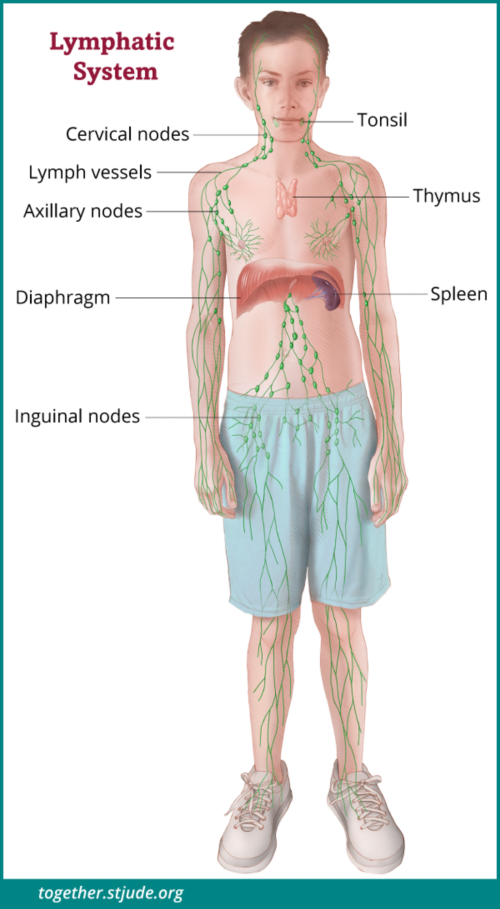
Hodgkin Lymphoma is a type of cancer that starts in the white blood cells called lymphocytes. It primarily affects the lymphatic system, a part of the body’s immune system, which helps fight infections. While it can occur at any age, it is more common in young adults and children. Understanding this condition is crucial to ensure early detection and appropriate treatment for those affected.
Overview of Hodgkin Lymphoma
Hodgkin Lymphoma is characterized by the presence of abnormal Reed-Sternberg cells in the lymph nodes. These cells are relatively large and may cause the lymph nodes to swell. The disease usually starts in the upper body, most commonly in the neck, chest, or armpit. If left untreated, it can spread to other parts of the body, such as the bone marrow, liver, or lungs. However, with timely diagnosis and appropriate treatment, the prognosis for Hodgkin Lymphoma is generally favorable.
Causes and Risk Factors
The exact cause of Hodgkin Lymphoma is unknown, but certain factors can increase the risk of developing the disease. These include a family history of Hodgkin Lymphoma, having a weak immune system, exposure to certain infections like the Epstein-Barr virus, and certain genetic changes. It’s important to note that most people with these risk factors do not develop Hodgkin Lymphoma, and many individuals with the condition have no identifiable risk factors.
Common Symptoms
Hodgkin Lymphoma can present with a variety of symptoms, some of which may be mistaken for common illnesses. These symptoms can include swollen lymph nodes, particularly in the neck, armpits, or groin, persistent fatigue, unexplained weight loss, night sweats, fever, and itching. It’s important to pay attention to these symptoms, especially if they persist or worsen over time, and seek medical attention for proper evaluation and diagnosis.
Diagnosing Hodgkin Lymphoma
Early and accurate diagnosis of Hodgkin Lymphoma is essential for timely treatment and improved outcomes. Diagnosing this condition typically involves a combination of medical history evaluation, physical examination, laboratory tests, imaging studies, and sometimes a biopsy.
Medical History and Physical Examination
During the medical history evaluation, your healthcare provider will ask you about your symptoms, medical history, and family history of cancer. A thorough physical examination will also be conducted, focusing on assessing the lymph nodes and any other areas of concern.
Laboratory Tests
Blood tests may be ordered to evaluate cell counts, liver and kidney function, and infection markers. Additionally, laboratory tests can include a complete blood count (CBC), erythrocyte sedimentation rate (ESR), and blood chemistries. These tests help provide information about the overall health of the individual and may contribute to the diagnostic process.
Imaging Studies
Imaging studies, such as X-rays, computed tomography (CT) scans, magnetic resonance imaging (MRI), and positron emission tomography (PET) scans, may be performed to determine the extent of the disease and identify any areas of concern. These images help guide further diagnostic procedures and assist in staging the cancer.
Biopsy
The definitive diagnosis of Hodgkin Lymphoma is made through a biopsy. During this procedure, a small sample of the affected lymph node or other affected tissue is removed and examined under a microscope. The biopsy helps identify the presence of abnormal Reed-Sternberg cells, which confirm the diagnosis of Hodgkin Lymphoma.

Treatment Options
The treatment for Hodgkin Lymphoma in children is individualized based on several factors, including the stage and type of cancer, the child’s age and overall health, and the preferences of the medical team and the child’s family. There are several treatment options available, which may be used alone or in combination.
Chemotherapy
Chemotherapy involves the use of powerful medications to destroy cancer cells. It is often the primary treatment for Hodgkin Lymphoma and may be given before or after other treatments. Chemotherapy drugs can be administered orally or intravenously and work by targeting and killing fast-growing cells, such as cancer cells.
Radiation Therapy
Radiation therapy uses high-energy beams, such as X-rays or protons, to target and destroy cancer cells. It is typically used after chemotherapy or as a standalone treatment for localized or early-stage Hodgkin Lymphoma. Radiation therapy is carefully planned and administered by a team of radiation oncology specialists.
Stem Cell Transplant
In some cases, high-dose chemotherapy and radiation therapy may be followed by a stem cell transplant. This procedure aims to restore healthy blood cells by replacing the damaged or destroyed ones. Stem cells can be obtained from the patient themselves (autologous transplant) or from a compatible donor (allogeneic transplant).
Targeted Therapies
Targeted therapies are medications that specifically target certain genes, proteins, or pathways involved in the growth of cancer cells. These therapies can be used in conjunction with chemotherapy and radiation therapy or as standalone treatments, depending on the specific circumstances of each case.
Surgery
While surgery is not a primary treatment option for Hodgkin Lymphoma, it may be performed in certain situations. For instance, surgical removal of affected lymph nodes may be necessary for diagnostic purposes or to relieve symptoms caused by a large mass pressing on nearby structures.
Psychological and Emotional Impact
Being diagnosed with Hodgkin Lymphoma can have a profound psychological and emotional impact on both children and their families. It’s important to address these aspects of the disease to ensure comprehensive care and support throughout the treatment journey.
Fear and Anxiety
Receiving a diagnosis of Hodgkin Lymphoma can be overwhelming, causing fear and anxiety in both children and their families. It’s normal to have concerns about the treatment process, side effects, and long-term prognosis. Open communication with healthcare providers, support from loved ones, and access to counseling services can help manage these emotions.
Impact on Self-esteem
Hodgkin Lymphoma and its associated treatments may cause physical changes that can impact a child’s self-esteem. Hair loss, weight changes, and other visible side effects can make children feel self-conscious, leading to a dip in self-esteem. Encouragement, positive reinforcement, and empathy from family, friends, and healthcare providers play a crucial role in helping children maintain a positive self-image.
Body Image Issues
Changes in appearance due to treatment, such as hair loss or weight fluctuations, can significantly impact a child’s body image. These changes can make children feel different from their peers and may affect their social interactions and overall sense of well-being. Compassionate support, access to resources such as wigs or head coverings, and involvement in support groups can aid in coping with body image issues.
Depression and Mood Disorders
The emotional toll of battling Hodgkin Lymphoma can lead to feelings of depression, sadness, and mood disorders in children. The uncertainty, isolation, and disruption to the normal routine caused by cancer treatment can contribute to these emotional challenges. Identifying and addressing these mental health concerns with the help of mental health professionals is crucial for the overall well-being of children undergoing treatment.

Impact on Education
Hodgkin Lymphoma and its treatment can significantly impact a child’s educational journey. Recognizing these challenges is essential to provide the necessary support and accommodations to help children maintain academic progress.
School Absences
The treatment for Hodgkin Lymphoma often necessitates frequent hospital visits, chemotherapy sessions, and periods of recovery. These absences from school can disrupt the child’s education and may result in falling behind in classwork. Open communication between the school, healthcare team, and the child’s family is vital in developing a plan to manage school absences and make appropriate accommodations.
Difficulties in Concentration
The side effects of treatment, such as fatigue, cognitive changes, or medication-related effects, can affect a child’s ability to concentrate in class. This can make it challenging to keep up with lectures, assignments, and exams. Teachers and school staff can work collaboratively with the child’s healthcare team to implement strategies that support attention and learning.
Learning Challenges
Some children may experience cognitive difficulties during and after treatment. These challenges can manifest as memory problems, slower processing speed, or difficulties with problem-solving. Teachers, educational specialists, and school psychologists can assess the child’s needs and develop an individualized education plan (IEP) or 504 plan to provide necessary accommodations, such as extra time for exams or note-taking assistance.
Physical Challenges and Side Effects
Hodgkin Lymphoma and its treatments can cause a range of physical challenges and side effects that may affect a child’s well-being and quality of life. These challenges should be effectively managed to ensure the best possible outcomes.
Fatigue and Weakness
Fatigue and weakness are common side effects of both the disease itself and the treatments involved. Children may feel excessively tired, lacking energy, and unable to engage in regular activities. Encouraging rest, prioritizing sleep, and ensuring adequate nutrition can help manage these symptoms. In some cases, physical therapy may be beneficial to gradually rebuild strength and stamina.
Nausea and Vomiting
Certain chemotherapy drugs can cause nausea and vomiting, which can greatly impact a child’s comfort and ability to eat and drink. Anti-nausea medications and dietary modifications, such as eating small, frequent meals or avoiding certain foods, can help alleviate these symptoms. Adequate hydration and close monitoring by the healthcare team are essential during this time.
Hair Loss
Hair loss is a distressing side effect of chemotherapy for many children with Hodgkin Lymphoma. Losing one’s hair can affect a child’s self-esteem and body image. Options such as wigs, scarves, or hats can be explored to help the child feel more comfortable and confident. Emotional support from family and friends is crucial during this time.
Weight Changes
Children with Hodgkin Lymphoma may experience weight loss or weight gain due to several factors, including loss of appetite, changes in metabolism, or medication side effects. Maintaining a well-balanced diet and addressing nutritional needs under the guidance of a healthcare professional is important to support the child’s overall health and recovery.

Impact on Social Life
Hodgkin Lymphoma and its treatment can significantly impact a child’s social life, causing feelings of isolation and affecting their ability to participate in social activities.
Isolation and Loneliness
Children undergoing treatment for Hodgkin Lymphoma may experience feelings of isolation and loneliness due to the physical limitations and side effects of their treatment. Being unable to attend school regularly, participate in extracurricular activities, or spend time with friends can lead to feelings of disconnect. Staying connected to friends and loved ones through technology, virtual activities, and visits when possible can help alleviate these feelings.
Missed Social Activities
Treatment schedules and side effects may prevent children from attending social events and activities they previously enjoyed. Missing out on birthdays, parties, or outings with friends can be disappointing and contribute to feelings of exclusion. Planning and organizing smaller, more manageable social activities can provide a sense of normalcy and socialization during treatment.
Impact on Friendships
Children with Hodgkin Lymphoma may experience changes in their friendships due to cancer-related factors. Some friendships may become strained due to the inability to participate in regular activities or differences in experiences. However, cancer can also bring out the best in friendships, fostering deeper connections and empathy. Encouraging open communication and providing opportunities for support and understanding can help nurture positive friendships during this challenging time.
Family and Relationships
Hodgkin Lymphoma not only affects the child diagnosed with the disease but also has a significant impact on the entire family dynamic and relationships.
Parental Stress and Guilt
Parents of children with Hodgkin Lymphoma often experience heightened stress, anxiety, and feelings of guilt. They may feel responsible for their child’s illness or worry about the impact of treatment on their child’s well-being. Open communication with healthcare providers, support from other parents facing similar experiences, and access to counseling can help parents navigate these complex emotions.
Siblings and Coping
Siblings of children with Hodgkin Lymphoma may experience a range of emotions, including fear, worry, jealousy, and guilt. They may feel neglected or left out due to the focus on the ill child. Providing age-appropriate information about their sibling’s condition, involving them in care activities, and creating time for individual attention can help siblings cope and maintain a sense of normalcy.
Impact on Parent-Child Bonding
The diagnosis and treatment of Hodgkin Lymphoma may disrupt the normal parent-child bonding routine. Frequent hospital visits and the stress associated with treatment can impact the quality and quantity of time spent together. Finding creative ways to maintain and strengthen the parent-child bond, such as reading books, engaging in crafts, or having dedicated quality time, can help mitigate the negative effects and promote emotional well-being.
Long-term Effects and Survivorship
While advances in treatment have improved survival rates for Hodgkin Lymphoma, some children may experience long-term effects and health concerns after completing treatment.
Secondary Health Issues
Some children may experience long-term health issues related to the treatment received. These can include cardiac problems, lung damage, hormone imbalances, and an increased risk of secondary cancers. Regular follow-up care with healthcare providers specialized in survivorship care is essential to monitor and manage these potential complications.
Cognitive Effects
Certain treatments, such as radiation therapy to the head, may pose a risk to cognitive function. Children may experience difficulties with memory, attention, and learning as a result. Psychological evaluations and neuropsychological testing can help identify any cognitive effects and tailor appropriate interventions and support services to address any challenges.
Fertility and Reproductive Concerns
Some treatments for Hodgkin Lymphoma, such as radiation therapy and certain chemotherapeutic agents, can have an impact on fertility and reproductive health. Children who have undergone treatment may face challenges in conceiving or maintaining a pregnancy in the future. It is important for healthcare providers to discuss these concerns early on and explore options for fertility preservation when appropriate.
Advancements in Research and Treatment
Significant advancements have been made in the research and treatment of Hodgkin Lymphoma, leading to improved outcomes and quality of life for those affected.
Improvements in Survival Rates
Over the years, the survival rates for children with Hodgkin Lymphoma have significantly improved. Thanks to advancements in treatment approaches and targeted therapies, more children are now able to overcome the disease and lead productive lives. Early detection, timely treatment, and continuous monitoring play a vital role in achieving favorable outcomes.
New Treatment Approaches
Ongoing research has led to the development of new treatment approaches for Hodgkin Lymphoma. These include the use of immunotherapy, such as checkpoint inhibitors, which help the immune system recognize and destroy cancer cells. Additionally, advancements in precision medicine have allowed for more targeted and individualized treatment strategies based on the specific characteristics of the tumor.
Early Detection and Screening
Efforts are underway to improve early detection and screening methods for Hodgkin Lymphoma. Research is focused on identifying biomarkers and genetic changes that may help identify individuals at higher risk or detect the disease at an earlier stage. Early detection can lead to earlier intervention and improved outcomes.
In conclusion, understanding Hodgkin Lymphoma is essential to provide comprehensive care and support to children and families facing this challenging disease. Awareness of the causes, symptoms, and treatment options can help facilitate early diagnosis and timely intervention. Additionally, acknowledging and addressing the psychological, educational, physical, social, and familial impacts of Hodgkin Lymphoma can improve the overall well-being, quality of life, and survivorship outcomes for children. Ongoing advancements in research and treatment continue to shape the landscape of Hodgkin Lymphoma management, offering hope for better outcomes and improved quality of life for those affected by this condition.