
Are you tired of dealing with joint pain and looking for natural remedies to find relief? Look no further! This article will provide you with a collection of effective home remedies that can help alleviate your joint pain. Whether you are suffering from arthritis, an injury, or general discomfort, these natural remedies are simple, easily accessible, and can be incorporated into your daily routine. Say goodbye to the constant ache and discomfort, and say hello to a more pain-free and active lifestyle!
1. Understanding Joint Pain
What is joint pain?
Joint pain refers to any discomfort, aching, or soreness in the joints of your body. The joints are areas where two or more bones connect, allowing for movement. While joint pain can affect any part of your body, it most commonly occurs in the knees, hips, shoulders, and hands.
Causes of joint pain
There are various causes of joint pain, ranging from natural degeneration of cartilage to injuries and medical conditions. The most common causes include:
- Osteoarthritis: This is the most common form of arthritis, characterized by the breakdown and loss of cartilage in the joints.
- Rheumatoid arthritis: An autoimmune condition that causes inflammation and pain in the joints.
- Gout: A form of arthritis caused by the buildup of uric acid crystals in the joints.
- Injury: Joint pain can be a result of sprains, strains, or fractures.
- Overuse: Repetitive motions, such as typing or sports activities, can cause joint pain over time.
- Infection: Certain infections can lead to joint inflammation and pain.
- Other medical conditions: Conditions like lupus, fibromyalgia, and bursitis can also cause joint pain.
Symptoms of joint pain
The symptoms of joint pain can vary depending on the underlying cause, but common signs include:
- Pain or discomfort in the affected joint(s).
- Joint stiffness, especially after periods of inactivity.
- Swelling or redness around the joint.
- Limited range of motion.
- Warmth or tenderness in the joint.
- Difficulty in performing daily activities that involve joint movement.
When to see a doctor
While occasional joint pain can be managed with home remedies and lifestyle changes, there are situations where it is advisable to see a doctor. You should seek medical attention if:
- The pain is severe or lasts for an extended period.
- Joint swelling or redness is also accompanied by a fever.
- Joint pain is a result of an injury or trauma.
- Joint pain interferes with your daily activities or affects multiple joints.
- There are signs of infection, such as fever, chills, or joint warmth.
- Joint pain occurs after starting a new medication.
2. Lifestyle Changes for Joint Pain Relief
Maintaining a healthy weight
Carrying excess weight puts additional stress on your joints, especially on weight-bearing joints like the knees and hips. Maintaining a healthy weight can help relieve joint pain and reduce the risk of conditions like osteoarthritis. Incorporate a balanced diet and regular exercise to achieve and maintain a healthy weight.
Exercising regularly
Exercise is essential for joint health and pain management. Low-impact exercises like walking, swimming, and cycling can help strengthen the muscles surrounding the joints, provide better support, and improve flexibility and mobility. It’s important to consult with a healthcare professional or a physical therapist to determine the best exercise routine for your specific condition.
Using proper posture
Maintaining good posture while sitting, standing, and engaging in daily activities is crucial for joint health. Poor posture can place unnecessary strain on your joints, leading to pain and discomfort. Focus on keeping your back straight, shoulders relaxed, and avoiding slouching or hunching.
Avoiding repetitive motions
Repetitive motions, particularly in occupations or sports that involve frequent joint movements, can lead to joint pain over time. Take regular breaks, vary your tasks, and incorporate stretching exercises to avoid overusing specific joints. If possible, use ergonomic tools or equipment that reduce strain on your joints.
Adopting a joint-friendly diet
Certain foods can help reduce joint inflammation and promote joint health. Incorporate a variety of fruits and vegetables rich in antioxidants, such as berries, leafy greens, and citrus fruits. Omega-3 fatty acids found in fatty fish like salmon, nuts, and seeds can also help reduce joint inflammation. Additionally, limit your intake of processed foods, refined sugars, and saturated fats, as they can worsen inflammation and contribute to weight gain.

3. Natural Remedies for Joint Pain
Hot and cold therapy
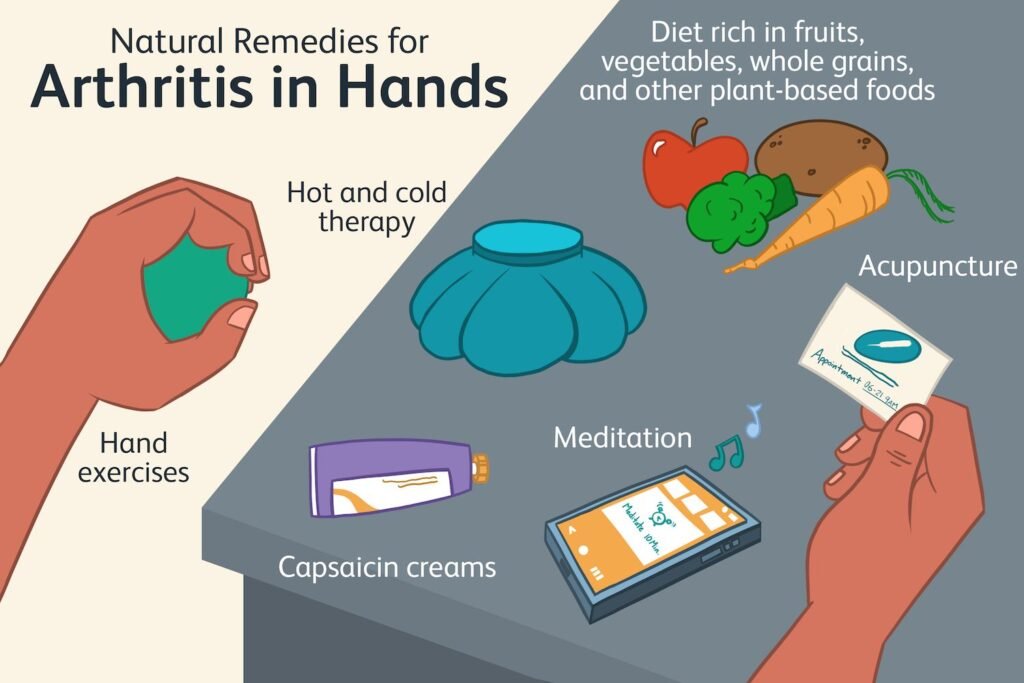
Applying hot or cold packs to the affected joints can provide temporary relief from joint pain. Cold therapy helps reduce inflammation and numbs the area, while heat therapy helps relax muscles and improve blood circulation. Use an ice pack or a bag of frozen vegetables for cold therapy, and a heating pad, warm towel, or warm bath for heat therapy.
Topical treatments
Over-the-counter topical treatments, such as creams, gels, or ointments, can provide temporary relief from joint pain. These products often contain ingredients like menthol, camphor, or capsaicin, which help numb the area and reduce pain and inflammation.
Epsom salt soak
A warm Epsom salt soak can help relax muscles and relieve joint pain. Dissolve Epsom salt in warm water and soak the affected joint(s) for 15-20 minutes. Epsom salt contains magnesium sulfate, which can be absorbed through the skin and help reduce inflammation.
Turmeric
Turmeric, a spice commonly used in cooking, contains a compound called curcumin, which has anti-inflammatory properties. Adding turmeric to your meals or taking turmeric supplements may help reduce joint pain and inflammation.
Ginger
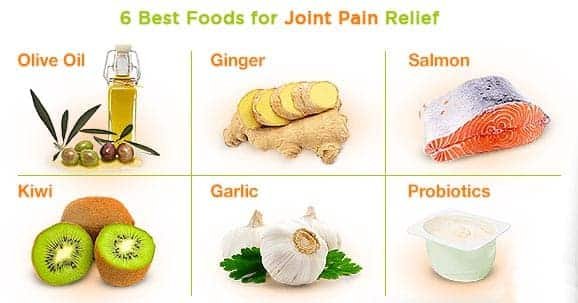
Ginger also possesses natural anti-inflammatory properties. Drinking ginger tea or incorporating ginger in your diet can provide relief from joint pain and swelling. Ginger supplements are also available, but it is advisable to consult with a healthcare professional before taking them.
Fish oil
Fish oil, rich in omega-3 fatty acids, has been shown to reduce joint inflammation and pain. Including fatty fish in your diet, such as salmon, mackerel, or sardines, or taking fish oil supplements may offer relief from joint pain. Consult with a healthcare professional to determine the appropriate dosage.
Glucosamine and chondroitin
Glucosamine and chondroitin are natural compounds found in cartilage. Some studies suggest that taking these supplements may help reduce pain and improve joint function in individuals with osteoarthritis. However, results are mixed, and it is recommended to consult with a healthcare professional before starting these supplements.
Capsaicin cream
Capsaicin, the compound responsible for the heat in chili peppers, can be found in topical creams. Applying capsaicin cream to the affected joints may help reduce pain by blocking pain signals. It is important to follow the instructions and avoid applying capsaicin cream to broken or irritated skin.
Massage therapy
Massage therapy can help relax muscles surrounding the joints, improve blood circulation, and provide pain relief. A professional massage therapist with experience in treating joint pain can target specific areas to alleviate discomfort. However, always consult with a healthcare professional before seeking massage therapy.
Acupuncture
Acupuncture is an ancient Chinese therapy that involves the insertion of thin needles into specific points on the body. It is believed to stimulate the body’s natural pain-relieving mechanisms and promote overall well-being. Some individuals find acupuncture helpful in reducing joint pain, but it is important to consult with a licensed acupuncturist and healthcare professional.
4. Herbal Remedies for Joint Pain
White willow bark
White willow bark has been used for centuries as a natural remedy for pain and inflammation. It contains a compound called salicin, which is similar to aspirin, providing analgesic and anti-inflammatory effects. White willow bark is available in supplement form, but it is advisable to consult with a healthcare professional before using it.
Boswellia
Also known as Indian frankincense, boswellia extract is derived from the Boswellia serrata tree. It has been used traditionally in Ayurvedic medicine to reduce inflammation and pain. Boswellia supplements are available and may offer relief for joint pain, but it is recommended to consult with a healthcare professional before starting them.
Devil’s claw
Devil’s claw is a plant native to southern Africa, and its root has been used as a natural remedy for joint pain and inflammation. Devil’s claw supplements are available, and some research suggests that they may provide pain relief and improve mobility. However, it is important to consult with a healthcare professional before using this herb.
Stinging nettle
Stinging nettle is a plant that has been used in traditional medicine to treat various ailments, including joint pain. It contains compounds that have anti-inflammatory effects and may help reduce pain and swelling. Stinging nettle supplements are available, but it is advisable to consult with a healthcare professional before using them.
Ginkgo biloba
Ginkgo biloba is an herbal supplement derived from the leaves of the Ginkgo biloba tree. It is commonly used to improve cognitive function, but some studies suggest that it may also have anti-inflammatory properties and help reduce joint pain. However, more research is needed, and it is recommended to consult with a healthcare professional before using ginkgo biloba.
Cayenne pepper
Cayenne pepper contains a compound called capsaicin, which has been shown to have pain-relieving properties. Adding cayenne pepper to your meals or using it topically in creams or ointments may help alleviate joint pain. However, avoid applying cayenne pepper topically to broken or irritated skin.
Cat’s claw
Cat’s claw, also known as Uncaria tomentosa, is a vine native to the Amazon rainforest. It has been used traditionally to reduce inflammation and relieve joint pain. Cat’s claw supplements may be beneficial for some individuals with joint pain, but it is important to consult with a healthcare professional before using them.
Green tea
Green tea contains polyphenols, which have antioxidant and anti-inflammatory properties. Drinking green tea regularly may help reduce joint inflammation and provide relief from pain. However, excessive consumption of green tea may have negative effects, so it is advisable to consult with a healthcare professional regarding the appropriate amount.
Rosehip
Rosehip is the fruit of the wild rose plant and is rich in vitamins and antioxidants. Some research suggests that rosehip supplements may have anti-inflammatory effects and help reduce joint pain, particularly in individuals with osteoarthritis. Consult with a healthcare professional before starting rosehip supplements.
Frankincense
Frankincense, derived from the resin of the Boswellia tree, has been used for centuries in traditional medicine for its anti-inflammatory properties. Applying frankincense essential oil topically or using it in aromatherapy may provide relief from joint pain. However, it is important to dilute essential oils properly and avoid direct skin contact without guidance from a healthcare professional.

5. Essential Oils for Joint Pain Relief
Peppermint oil
Peppermint oil has a cooling effect and can help alleviate joint pain. Dilute a few drops of peppermint oil with a carrier oil, such as coconut oil, and massage it into the affected joints for relief.
Lavender oil
Lavender oil is known for its relaxing and analgesic properties. It can help reduce joint pain when massaged onto the affected areas or added to a warm bath for a soothing soak.
Eucalyptus oil
Eucalyptus oil contains compounds that have anti-inflammatory and analgesic effects. Mix a few drops with a carrier oil and massage it into your joints for relief from pain and inflammation.
Rosemary oil
Rosemary oil has analgesic properties and can help relieve joint pain. Mix a few drops with a carrier oil and massage it into the affected joints for soothing relief.
Ginger oil
Ginger oil, extracted from ginger root, is known for its anti-inflammatory properties. It can be massaged onto the affected joints to reduce pain and inflammation.
Chamomile oil
Chamomile oil has calming and anti-inflammatory properties that can help soothe joint pain. Dilute a few drops with a carrier oil and apply it topically to the affected areas.
Wintergreen oil
Wintergreen oil contains methyl salicylate, a compound with pain-relieving properties. It can be diluted with a carrier oil and massaged onto the joints for temporary relief from pain.
Frankincense oil
Frankincense oil has anti-inflammatory properties and can help reduce joint pain. It can be diluted with a carrier oil and applied topically to the affected areas.
Clove oil
Clove oil has analgesic properties and can help alleviate joint pain. Dilute a few drops with a carrier oil and massage it into the affected joints for relief.
Juniper berry oil
Juniper berry oil has anti-inflammatory properties and can help reduce joint pain and inflammation. Dilute it with a carrier oil and apply it topically to the affected areas for relief.
6. Dietary Supplements for Joint Pain
Vitamin D
Vitamin D is essential for bone health and may help reduce the risk of joint pain. Spend time outdoors to expose your skin to sunlight, which triggers vitamin D production. If necessary, consult with a healthcare professional about taking vitamin D supplements.
Calcium
Calcium plays a crucial role in maintaining healthy bones and joints. Ensure you consume adequate amounts of calcium-rich foods, such as dairy products, leafy greens, and fortified plant-based milks. Consult with a healthcare professional about calcium supplements if needed.
Vitamin C
Vitamin C is a powerful antioxidant that helps protect cartilage and supports collagen production. Incorporate vitamin C-rich foods, such as citrus fruits, berries, and bell peppers, into your diet. Consult with a healthcare professional about vitamin C supplements if required.
Ginger
As mentioned earlier, ginger has anti-inflammatory properties and can help reduce joint pain. Incorporate fresh ginger into your meals or consider taking ginger supplements (after consulting with a healthcare professional) for potential benefits.
Omega-3 fatty acids
Omega-3 fatty acids have anti-inflammatory properties and may help reduce joint pain and stiffness. Include fatty fish like salmon, mackerel, or sardines in your diet, or consider taking omega-3 supplements. Talk to a healthcare professional before starting any supplements.
SAM-e
SAM-e (S-adenosylmethionine) is a compound naturally present in the body that supports joint health. Some studies suggest that SAM-e supplements may help reduce joint pain and inflammation. However, it’s important to consult with a healthcare professional before using SAM-e.
Methylsulfonylmethane (MSM)
MSM is a naturally occurring sulfur compound that may help reduce joint pain and inflammation. It may also support joint repair and improve flexibility. MSM supplements are available, but it is advisable to consult with a healthcare professional before using them.
Bromelain
Bromelain is an enzyme found in pineapple that has anti-inflammatory properties. It may help reduce joint pain and swelling. Including pineapple in your diet or taking bromelain supplements (after consulting with a healthcare professional) may be beneficial.
Boswellia
As mentioned earlier, boswellia extract has anti-inflammatory properties and may provide relief from joint pain. Boswellia supplements are available, but it is important to consult with a healthcare professional before using them.
Glucosamine sulfate
Glucosamine sulfate is a compound naturally found in cartilage and may help reduce joint pain and improve joint function. Glucosamine sulfate supplements are available, but it is recommended to consult with a healthcare professional before starting them.

7. Exercise and Physical Therapy for Joint Pain
Low-impact exercises
Low-impact exercises are gentle on the joints while providing various benefits. Walking, cycling, swimming, and using an elliptical machine are examples of low-impact exercises that can help improve joint function and reduce pain.
Range-of-motion exercises
Range-of-motion exercises help maintain or improve joint mobility. These exercises involve moving the joints through their full range of motion and can be performed daily. Examples include shoulder circles, ankle rotations, and wrist stretches.
Strengthening exercises
Strengthening exercises help build strong muscles around the joints, providing better support and stability. It is important to target all major muscle groups for overall joint health. Squats, lunges, resistance band exercises, and weightlifting are examples of strengthening exercises.
Water aerobics
Water aerobics is a low-impact exercise performed in water, which provides buoyancy and reduces stress on the joints. Joining a water aerobics class or doing exercises in a pool can help improve joint flexibility, strength, and endurance.
Tai chi
Tai chi is a Chinese martial art that focuses on fluid, gentle movements and deep breathing. It is known for its ability to improve balance, flexibility, and overall well-being. Tai chi can be beneficial for individuals with joint pain, as it is low-impact and easy on the joints.
Yoga
Yoga combines physical postures, breathing exercises, and meditation to promote strength, flexibility, and relaxation. Many yoga poses can be modified to accommodate individuals with joint pain. It is important to practice under the guidance of a qualified instructor who can provide modifications as needed.
Pilates
Pilates is a system of exercises that focus on core strength, flexibility, and body alignment. It can help improve posture, stability, and overall body strength, which may alleviate joint pain. It is advisable to consult with a qualified instructor who can tailor the exercises to your specific needs and limitations.
Occupational therapy
Occupational therapy focuses on helping individuals perform daily activities and tasks while minimizing joint pain and maximizing function. An occupational therapist can provide guidance on joint protection techniques, assistive devices, and modifications to make activities easier on the joints.
Physical therapy
Physical therapy involves exercises, stretches, and manual techniques to manage joint pain, improve mobility, and enhance overall function. A physical therapist can develop a personalized treatment plan to address your specific needs and goals.
Assistive devices
Assistive devices, such as canes, walkers, splints, and braces, can provide support and reduce joint stress. They can help alleviate joint pain and make daily activities easier. Consult with a healthcare professional or a physical therapist to determine the most suitable assistive devices for your needs.
8. Home Remedies to Reduce Joint Pain
Apple cider vinegar
Apple cider vinegar has been used for centuries as a natural remedy for various ailments, including joint pain. It is believed to help reduce inflammation and balance the body’s pH levels. You can consume diluted apple cider vinegar or use it topically as a soak or compress.
Baking soda
Baking soda, also known as sodium bicarbonate, may help relieve joint pain by reducing inflammation. Dissolve baking soda in warm water and soak the affected joint(s) for 15-20 minutes. It is important to consult with a healthcare professional before using baking soda, especially if you have underlying health conditions.
Warm water
Applying warm compresses or taking warm baths can help relax muscles and alleviate joint pain. Heat increases blood flow to the affected area and promotes relaxation. However, avoid using excessive heat, especially if you have a condition that affects sensation or blood flow.
Epsom salt
As mentioned earlier, an Epsom salt soak can help relieve joint pain. The magnesium sulfate in Epsom salt can be absorbed through the skin and help reduce inflammation. Dissolve Epsom salt in warm water and soak the affected joint(s) for 15-20 minutes.
Lemon juice
Lemon juice is rich in vitamin C and antioxidants, which may help reduce joint inflammation. Squeeze fresh lemon juice into warm water and consume it daily. It can also be added to meals or used as a dressing for salads.
Fenugreek seeds
Fenugreek seeds have anti-inflammatory properties and may help reduce joint pain and swelling. Soak fenugreek seeds in water overnight and consume the soaked seeds in the morning. They can also be ground into a paste and applied topically to the affected areas.
Cinnamon
Cinnamon has antioxidant and anti-inflammatory properties that may provide relief from joint pain. Add cinnamon powder to your meals, beverages, or smoothies to incorporate its potential benefits.
Garlic
Garlic contains compounds that have anti-inflammatory effects and may help reduce joint pain. Include garlic in your meals or consume it raw, but consult with a healthcare professional if you are on blood-thinning medications.
Onion
Onions contain compounds that have anti-inflammatory properties and can help reduce joint pain. Include onions in your meals or use them as a base for soups, stews, and sauces.
Foods rich in antioxidants
Incorporating a variety of fruits, vegetables, nuts, and seeds into your diet can help reduce inflammation and provide joint pain relief. Focus on consuming foods rich in antioxidants, such as berries, leafy greens, cherries, and walnuts.
9. Lifestyle Tips to Manage Joint Pain
Maintaining a balanced diet
Eating a balanced diet that includes a variety of nutrient-dense foods can help support joint health. Include fruits, vegetables, whole grains, lean proteins, and healthy fats in your meals for optimal nutrition.
Drinking plenty of water
Staying hydrated is important for overall health, including joint health. Water helps maintain the cushioning between joints and supports proper joint function. Aim to drink at least eight glasses of water a day.
Getting enough sleep
Adequate sleep is crucial for your body’s natural healing processes. It allows your joints and muscles to recover and recharge. Aim for 7-9 hours of quality sleep each night.
Avoiding excessive stress
Chronic stress can contribute to inflammation and exacerbate joint pain. Find stress-reducing techniques that work for you, such as deep breathing, meditation, or engaging in hobbies you enjoy.
Wearing comfortable footwear
Wearing supportive and comfortable shoes can help reduce joint pain, especially in weight-bearing joints like the knees and hips. Look for shoes with cushioning, arch support, and a proper fit to minimize impact on your joints.
Using hot packs or cold compresses
Applying hot packs or cold compresses to the affected joints can provide temporary relief from joint pain. Experiment with both hot and cold therapies to determine which works best for you.
Maintaining a good posture
Proper posture is important for joint health, especially in the spine, shoulders, and hips. Avoid slouching or hunching, and make an effort to maintain an upright posture throughout the day.
Practicing stress-reducing techniques
Stress can worsen joint pain, so it is important to find healthy ways to manage and reduce stress. Engage in activities that help you relax and unwind, such as yoga, meditation, or spending time in nature.
Avoiding smoking and alcohol
Smoking and excessive alcohol consumption can worsen inflammation and contribute to joint pain. Quitting smoking and moderating alcohol intake can have a positive impact on joint health.
Managing emotions and mental health
Chronic pain can take a toll on your emotional well-being. It is important to seek support and practice self-care to manage stress and emotions effectively. Consider talking to a healthcare professional or joining a support group.
10. Medical Treatment Options for Joint Pain
Over-the-counter pain relievers
Over-the-counter nonsteroidal anti-inflammatory drugs (NSAIDs), such as ibuprofen or naproxen sodium, can provide temporary relief from joint pain and reduce inflammation. It is important to follow the recommended dosage and consult with a healthcare professional if you have any underlying medical conditions or take other medications.
Prescription medications
For severe or chronic joint pain, a healthcare professional may prescribe stronger medications, such as prescription-strength NSAIDs, corticosteroids, or opioid pain relievers. These medications should be used under medical supervision and in accordance with the prescribed dosage.
Injections
Corticosteroid injections can provide targeted relief from joint pain and inflammation. These injections are performed by a healthcare professional and can provide temporary relief for several weeks to months.
Physical therapy
As mentioned earlier, physical therapy plays a vital role in managing joint pain. A physical therapist can develop a personalized treatment plan that may include exercises, stretches, manual techniques, and modalities like heat or cold therapy.
Heat and cold therapy
Heat and cold therapy can be used as part of a comprehensive treatment plan for joint pain. Applying heat or cold packs to the affected joints can provide temporary relief and help reduce inflammation.
Electrical stimulation
Electrical stimulation, such as transcutaneous electrical nerve stimulation (TENS), can help relieve joint pain by interrupting pain signals and releasing endorphins. A healthcare professional can advise on the appropriate use of electrical stimulation devices.
Joint support devices
Joint support devices, such as braces, splints, or wraps, can provide stability and reduce joint stress. They can be particularly helpful during periods of increased pain or during specific activities that put extra strain on the joints.
Surgery as a last resort
In severe cases of joint pain that do not respond to conservative treatments, surgical intervention may be necessary. Surgical options depend on the underlying cause and may range from joint repair to joint replacement surgery. It is important to consult with a healthcare professional to discuss the potential benefits and risks of surgery.
Alternative therapies
In addition to the natural remedies and lifestyle changes mentioned earlier, various alternative therapies, such as chiropractic care, osteopathic manipulation, or transcutaneous magnetic therapy (TMT), may provide relief from joint pain. Consult with a healthcare professional to determine the most suitable therapy for your specific condition.
Assistive devices and mobility aids
Assistive devices, such as canes, crutches, walkers, or mobility scooters, can help reduce joint stress and improve mobility for individuals with severe joint pain or limited mobility. A healthcare professional or physical therapist can provide guidance on choosing the appropriate devices.