
Have you been dealing with pesky warts that just won’t seem to go away? Don’t worry, we’ve got you covered! In this article, you’ll discover a variety of effective remedies for warts that will help you bid farewell to these unwanted skin growths. From natural home remedies to over-the-counter treatments, we’ve compiled a list of solutions that are sure to give you the relief you’ve been seeking. So say goodbye to those pesky warts and hello to smooth, blemish-free skin! We’ve all heard of them, we may have even had one ourselves at some point. Warts are a common skin condition that can cause discomfort and frustration. In this comprehensive article, we will explore the different types of warts, their causes and risk factors, medical treatments, home remedies, over-the-counter products, prevention strategies, when to see a doctor, and possible complications. By the end, you will have a better understanding of warts and how to deal with them effectively.
Types of Warts
Common Warts
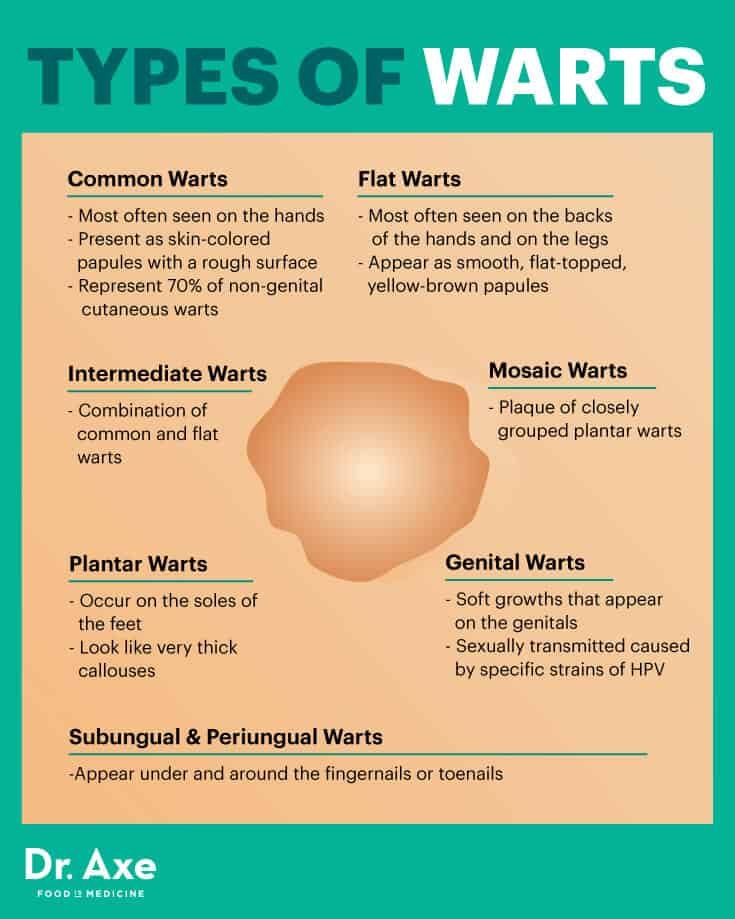
Common warts, also known as verruca vulgaris, are the most frequently encountered type of warts. These warts usually appear on the hands, fingers, or around the nails. They are characterized by their rough, raised texture, and often resemble small cauliflower-like growths on the skin.
Plantar Warts
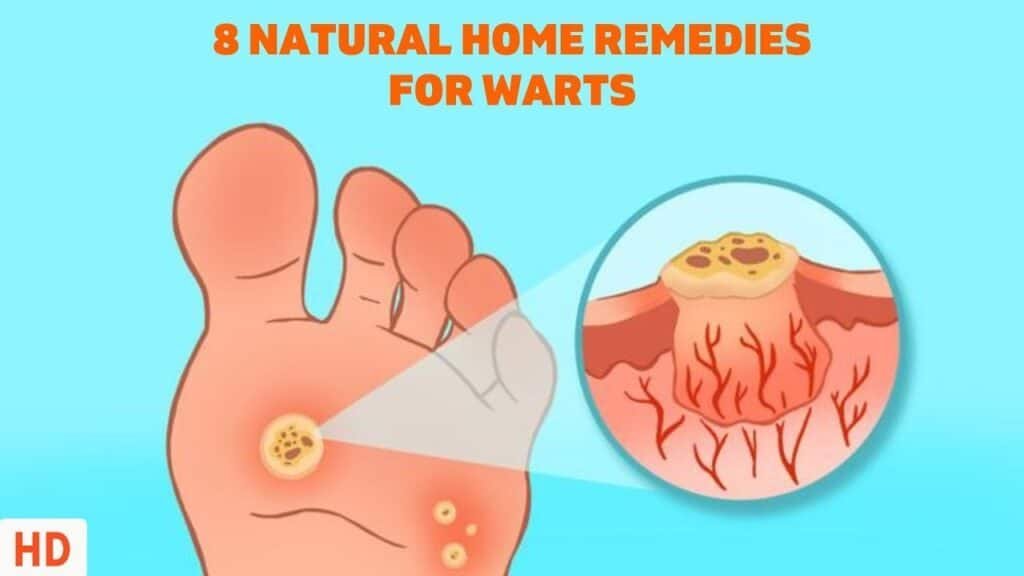
Plantar warts, as the name suggests, occur on the soles of the feet. These warts can be quite uncomfortable due to the pressure exerted on them when walking or standing. Plantar warts are often flat and appear as small, grainy growths with a hard center. They may also have tiny black dots, which are actually blood vessels.
Flat Warts
Flat warts, also referred to as verruca plana, are typically smaller and smoother than other types of warts. They are most commonly found on the face, neck, and hands. Unlike common warts, flat warts tend to multiply rapidly and may appear in clusters. These warts have a slightly raised, flat surface and are usually flesh-colored or slightly pink.
Filiform Warts
Filiform warts are long and slender warts that commonly appear on the face, especially near the mouth, nose, or chin. These warts have thread-like projections, giving them a distinctive appearance. Filiform warts are often skin-colored or slightly darker and can cause embarrassment due to their location.
Periungual Warts
Periungual warts are warts that develop around the nails, both on the hands and feet. These warts can be particularly bothersome because they often cause pain and can interfere with nail growth. Periungual warts have a rough surface and may distort the nail if left untreated.
Causes and Risk Factors
Human Papillomavirus (HPV)
Warts are caused by the human papillomavirus (HPV), a common virus that enters the body through cuts or breaks in the skin. There are more than 100 different types of HPV, and each type is associated with specific types of warts. HPV is contagious and can be transmitted through direct contact with an infected person or by touching surfaces or objects that have been contaminated with the virus.
Direct Contact
Direct contact with an infected person or an object that has been in contact with an infected person’s wart can lead to the development of warts. This can occur through activities such as shaking hands, sharing towels or personal items, or even walking barefoot in public areas like swimming pools or locker rooms.
Weakened Immune System
Individuals with a weakened immune system are more susceptible to developing warts. Conditions such as HIV/AIDS, certain cancers, or the use of immunosuppressive medications can compromise the body’s ability to fight off the HPV virus.
Age
Warts can affect individuals of all ages, but they are more common in children and young adults. This may be due to the fact that children have a less developed immune system and are more likely to engage in activities that increase their exposure to the virus, such as close contact with other children or walking barefoot in communal areas.
Moist Environments
Moist environments, such as sweaty shoes or prolonged exposure to water, create ideal conditions for the HPV virus to thrive and increase the chances of developing plantar warts. This is why individuals who frequently swim or participate in water sports may be at a higher risk.
Medical Treatments for Warts
Cryotherapy
Cryotherapy is a common and effective treatment for warts. It involves the freezing of the wart using liquid nitrogen. The extreme cold temperature destroys the wart tissue, allowing healthy skin to grow in its place. Cryotherapy may require multiple sessions, depending on the size and location of the wart.
Salicylic Acid
Salicylic acid is a widely used over-the-counter treatment for warts. It works by gradually softening the skin layers of the wart, making it easier to remove. Salicylic acid is available in various forms, such as gels, liquids, or patches. It is important to follow the instructions carefully and continue treatment until the wart is completely gone.
Electrosurgery
Electrosurgery, or electrocautery, is a procedure that involves burning the wart tissue using an electric current. This method can be performed by a healthcare professional and is typically used for larger or harder-to-treat warts. Electrosurgery may require local anesthesia and can leave a small scar.
Laser Treatment
Laser treatment is another option for removing warts. It uses an intense beam of light to destroy the infected tissue. Laser treatment is usually reserved for warts that have not responded to other treatments or for warts in sensitive areas. Multiple sessions may be required, and there may be some discomfort and a risk of scarring.
Immunotherapy
Immunotherapy involves stimulating the body’s own immune system to fight against the wart virus. This treatment is often used for persistent or recurrent warts that have not responded to other methods. Immunotherapy can be administered through various techniques, including injecting antigens into the wart or applying immune-stimulating creams.
Home Remedies
Apple Cider Vinegar
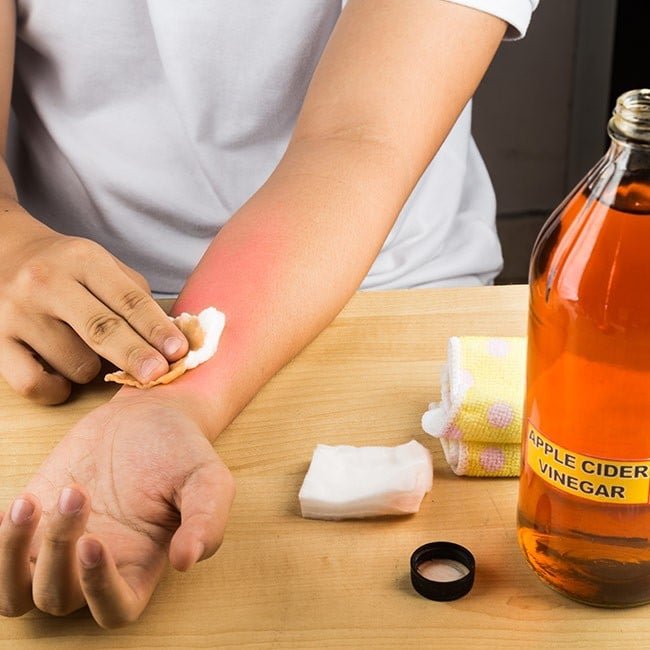
Apple cider vinegar is a popular home remedy for warts. It is believed to have antiviral properties that can help combat the HPV virus. To use apple cider vinegar, soak a cotton ball in the vinegar and apply it directly to the wart. Cover it with a bandage and leave it on overnight. Repeat this process until the wart disappears.
Duct Tape
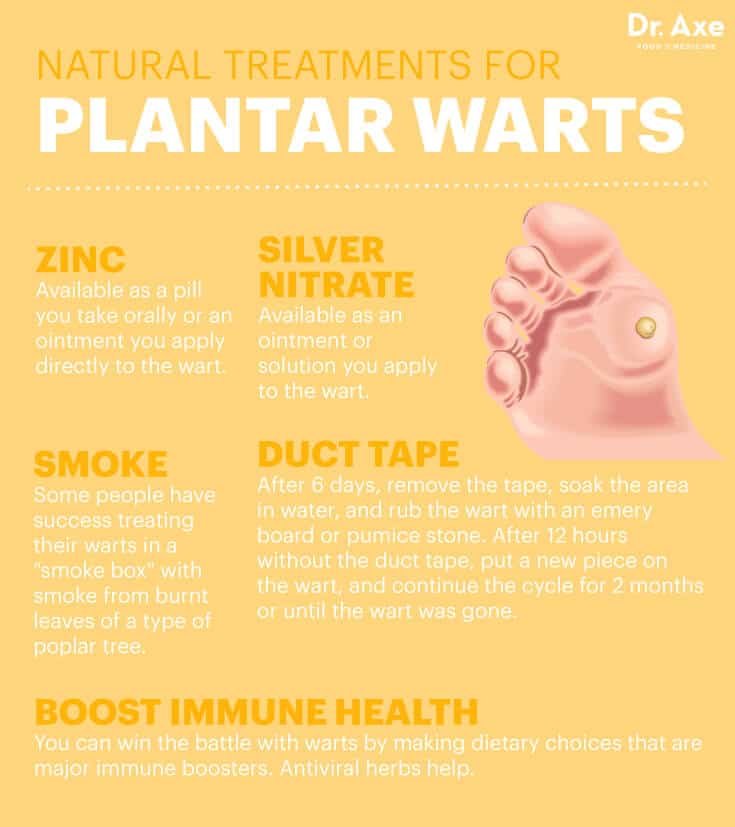
Another home remedy for warts is using duct tape. This method involves covering the wart with a piece of duct tape and leaving it on for several days. After removing the tape, soak the wart in warm water and gently exfoliate the dead skin. Repeat this process until the wart is gone. Although the effectiveness of duct tape is still debated, many people have reported success with this simple remedy.
Tea Tree Oil
Tea tree oil is known for its antiviral and antifungal properties, which can help combat the HPV virus. Simply apply a few drops of tea tree oil directly to the wart and cover it with a bandage. Repeat this process daily until the wart disappears. It is important to note that tea tree oil can cause skin irritation in some individuals, so it is recommended to dilute it with a carrier oil before application.
Garlic
Garlic has long been used for its medicinal properties, including antiviral effects. To use garlic for wart removal, crush a clove of garlic and apply it directly to the wart. Cover it with a bandage and leave it on overnight. Repeat this process until the wart is gone. It is advisable to test a small area of skin for any adverse reactions before applying garlic to the entire wart.
Baking Soda
Baking soda is a common household ingredient that can be used to create a paste for wart removal. Mix baking soda with water to form a thick paste and apply it directly to the wart. Cover it with a bandage and leave it on for several hours or overnight. Rinse off the paste and repeat the process daily until the wart is gone.
Banana Peel
The humble banana peel is believed to have properties that can help eliminate warts. Simply cut a small piece of banana peel and tape it over the wart, ensuring the inner side of the peel is in contact with the wart. Leave it on overnight and repeat the process until the wart disappears. Some people find this method effective, while others may not experience the same results.
Over-the-Counter Products
Salicylic Acid Plasters
Salicylic acid plasters are an effective over-the-counter treatment for warts. They usually come in the form of patches that contain salicylic acid. Apply the plaster to the wart and leave it on for the recommended period of time. Over the course of several days, the salicylic acid works to remove the wart. Follow the instructions provided and do not cut the plaster to fit the wart, as this can lead to skin irritation.
Freezing Kits
Freezing kits, often available without a prescription, use a similar method to cryotherapy. These kits typically contain a freezing agent, such as dimethyl ether, that can be sprayed directly onto the wart. Follow the instructions carefully to ensure safe and effective application. Freezing kits may require multiple treatments, and it is important to protect the surrounding healthy skin during the process.
Topical Creams and Solutions
There are various over-the-counter topical creams and solutions available for wart removal. These products often contain ingredients like salicylic acid, podophyllin, or formaldehyde, which work to destroy the wart tissue. It is important to carefully read and follow the instructions provided with these products. If you have sensitive skin or are unsure which product to choose, consult with a pharmacist or healthcare professional.
Preventing Warts
Preventing warts can be challenging, but there are steps you can take to reduce your risk of developing them.
Good Hand Hygiene
Practicing good hand hygiene is one of the best ways to prevent warts. Wash your hands thoroughly with soap and water, especially after coming into contact with someone else’s wart or touching surfaces that may be contaminated with the HPV virus. If soap and water are not available, use hand sanitizers that contain at least 60% alcohol.
Avoiding Direct Contact
Avoid direct contact with warts, particularly if you have any cuts, scrapes, or breaks in the skin. If you cannot avoid touching a wart or coming into contact with an object that may have been contaminated, wash your hands immediately afterward and monitor your skin for any signs of wart development.
Keeping Feet Dry
Keeping your feet dry is important, especially if you frequently engage in activities that cause your feet to sweat, such as sports or wearing closed-toe shoes for extended periods. Change your socks regularly and consider using foot powders or antiperspirants to reduce moisture build-up. When using public showers or communal areas, wear protective footwear, such as flip flops or shower shoes, to minimize the risk of exposure to the HPV virus.
Boosting Immune System
Maintaining a strong immune system is crucial in preventing the development of warts. Eat a balanced diet rich in fruits, vegetables, and whole grains, exercise regularly, get enough sleep, and manage stress effectively. Avoid smoking and excessive alcohol consumption, as these habits can weaken your immune system.
Avoiding Sharing Personal Items
Warts can be easily spread through sharing personal items, such as towels, razors, or nail clippers. To reduce the risk of transmission, avoid sharing these items with others. If you have a wart, use separate towels, washcloths, or utensils to minimize the spread of the virus.
When to See a Doctor
While most warts can be treated at home or with over-the-counter remedies, it is important to consult a doctor under certain circumstances:
Warts that do not respond to home treatments
If your wart does not improve or keeps coming back even after trying home remedies, it is advisable to seek medical attention. A healthcare professional may recommend a different treatment approach or consider other underlying factors contributing to the persistence of the wart.
Warts that cause pain or discomfort
If your wart is causing significant pain, discomfort, or interfering with your daily activities, it is best to consult a doctor. Warts in certain locations, such as on the soles of the feet or around the nails, can be particularly painful and may require specialized treatment.
Warts in genital or anal areas
Warts that appear in the genital or anal areas should always be evaluated by a healthcare professional. These warts, known as genital warts, are caused by specific strains of HPV and may require specialized treatment.
Warts in children
If your child develops warts, it is recommended to seek medical advice. Children may require specific treatment options and may need to be monitored closely to ensure proper management of the warts.
Possible Complications
In most cases, warts are harmless and do not cause any serious complications. However, certain factors can increase the risk of complications:
Spreading to other areas of the body
Warts are contagious and can spread to other parts of the body if proper precautions are not taken. Avoid touching warts and if you accidentally touch a wart, wash your hands immediately. It is also important to avoid scratching or picking at warts, as this can cause the virus to spread.
Secondary infections
Warts can create an opening in the skin, making it susceptible to secondary infections. If you notice signs of infection, such as increased pain, redness, swelling, or discharge, seek medical attention promptly. The healthcare professional may prescribe antibiotics or recommend appropriate treatment for the infection.
Cosmetic concerns
Warts, particularly those in visible areas such as the face or hands, can cause cosmetic concerns and affect self-esteem. If you are concerned about the appearance of a wart, consult with a healthcare professional who can provide guidance and treatment options.
Psychological distress
In some cases, warts can cause psychological distress, especially if they are recurrent, large, or in sensitive areas. If you are experiencing emotional or psychological distress due to your warts, consider seeking support from a counselor or therapist who can help you cope with these feelings.
Conclusion
Warts can be a pesky and frustrating condition to deal with, but they are generally harmless. By understanding the different types of warts, their causes and risk factors, available treatments, home remedies, prevention strategies, and when to seek medical attention, you can effectively manage and treat warts. Remember to consult with a healthcare professional if you have any concerns or if your warts are not improving with home remedies. With patience and persistence, you can successfully say goodbye to those unwanted warts.