
Are you or someone you know affected by vulval cancer? If so, you may be wondering about the different treatment options available. In this article, we will explore the various treatment approaches for vulval cancer, providing you with valuable information to help you make informed decisions and navigate through this challenging journey. From surgical interventions to radiation therapy and targeted drugs, we will discuss the potential treatments that can significantly improve your chances of overcoming vulval cancer and restoring your health and well-being.
Surgery
Surgery is one of the main treatment options for vulval cancer. There are different types of surgeries available, depending on the stage and extent of the disease.
Local excision
Local excision involves removing the cancerous cells and a small margin of healthy tissue surrounding the tumor. This procedure is typically performed for early-stage vulval cancers, where the tumor is small and localized. It allows for the preservation of as much healthy tissue as possible, minimizing the impact on your daily life and preserving the appearance and function of the vulva.
Wide local excision
For larger or deeper vulval tumors, a wide local excision may be recommended. This procedure involves removing a larger portion of the vulva and possibly some nearby lymph nodes. The goal is to ensure that all cancer cells are removed and to reduce the risk of recurrence.
Radical vulvectomy with lymph node dissection
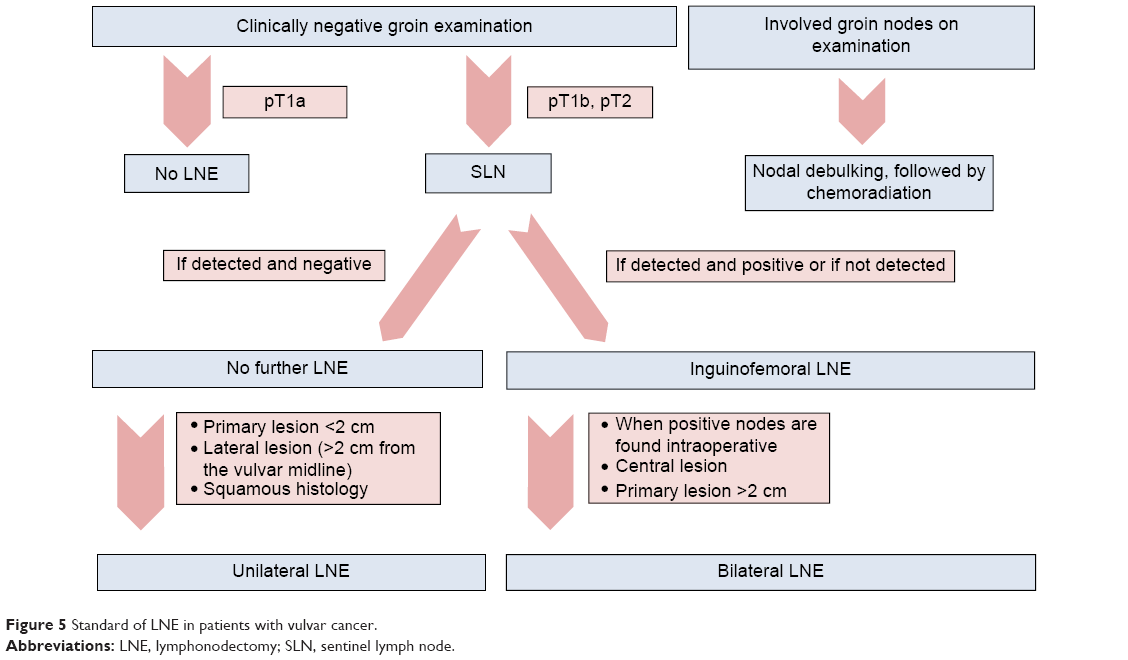
In more advanced cases of vulval cancer, a radical vulvectomy may be necessary. This procedure involves removing the entire vulva, including the clitoris and surrounding tissues. In addition, nearby lymph nodes may also be removed to check for any spread of cancer. While this surgery may have a significant impact on your body and sexual functioning, it is often essential to ensure the complete removal of cancer cells and reduce the risk of recurrence.
Pelvic exenteration
In very rare and advanced cases, where vulval cancer has spread to nearby organs such as the bladder or rectum, pelvic exenteration may be considered. This extensive surgery involves removing the vulva, along with the affected organs. It is a complex procedure that aims to achieve complete cancer removal, but it can have significant long-term effects on your quality of life.
Radiation Therapy
Radiation therapy uses high-energy radiation to kill cancer cells or prevent them from growing. It is often used in conjunction with surgery or as the primary treatment for vulval cancer. There are two main types of radiation therapy:
External beam radiation therapy
External beam radiation therapy involves delivering radiation to the affected area of the vulva from outside the body. This type of radiation therapy is performed in a series of sessions over several weeks. It is a non-invasive treatment option that helps destroy cancer cells while minimizing damage to healthy tissues.
Brachytherapy
Brachytherapy is a form of radiation therapy where a radioactive source is placed inside or near the tumor site. It allows for a higher dose of radiation to be delivered directly to the cancer cells while reducing exposure to surrounding healthy tissues. Brachytherapy can be used alone or in combination with external beam radiation therapy.

Chemotherapy
Chemotherapy involves the use of drugs to kill cancer cells or stop them from growing. It can be administered orally or intravenously and may be used in different treatment settings for vulval cancer. There are two main types of chemotherapy:
Systemic chemotherapy
Systemic chemotherapy is delivered through the bloodstream to target cancer cells throughout the body. It is often used after surgery to destroy any remaining cancer cells or to shrink tumors before surgery. Systemic chemotherapy may cause side effects, but advances in supportive care have made it more tolerable for patients.
Topical chemotherapy
Topical chemotherapy involves applying a cream or ointment containing anti-cancer drugs directly to the vulval area. This targeted approach aims to treat the cancer cells directly while minimizing systemic side effects. Topical chemotherapy may be used for certain early-stage or superficial vulval cancers.
Targeted Therapy
Targeted therapies are medications that specifically target cancer cells or their supporting structures. They act by interfering with specific molecules or pathways involved in cancer growth and progression. In the case of vulval cancer, two types of targeted therapies may be used:
Epidermal growth factor receptor inhibitors
Epidermal growth factor receptor (EGFR) inhibitors are drugs that block the activity of specific receptors on cancer cells, thereby inhibiting their growth. These targeted therapies may be used in combination with other treatments for advanced or recurrent vulval cancer.
Angiogenesis inhibitors
Angiogenesis inhibitors are drugs that work by preventing the growth of new blood vessels that tumors need to grow. By blocking this process, they can help starve cancer cells and reduce tumor size. Angiogenesis inhibitors may be used in advanced or recurrent cases of vulval cancer.

Immunotherapy
Immunotherapy is a treatment approach that harnesses the power of the immune system to fight cancer. It involves using drugs that boost the body’s natural defenses or remove barriers that prevent the immune system from recognizing and attacking cancer cells. In the case of vulval cancer, immune checkpoint inhibitors may be used:
Immune checkpoint inhibitors
Immune checkpoint inhibitors are drugs that help restore the immune system’s ability to recognize and attack cancer cells. They work by blocking the proteins that act as checkpoints in the immune system, thereby unleashing a stronger immune response against the cancer. Immune checkpoint inhibitors may be used in advanced or recurrent vulval cancer cases.
Palliative Care
Palliative care focuses on providing relief from the symptoms and stress of having a serious illness like vulval cancer. It is available at any stage of the disease and can be provided alongside curative treatments. There are various aspects to palliative care, including:
Pain management
Pain management is a crucial component of palliative care for vulval cancer patients. Effective pain management strategies may involve the use of medications, physical therapy, alternative therapies, and psychological support to ensure your comfort and well-being.
Symptom control
In addition to pain, other symptoms associated with vulval cancer, such as itching, swelling, and discharge, can be managed through palliative care interventions. Your healthcare team will work with you to address these symptoms and improve your overall quality of life.
Clinical Trials
Clinical trials are research studies that test new treatments or interventions for vulval cancer. They offer an opportunity to access novel therapies that may not yet be available through standard treatments. Participation in clinical trials is voluntary but can potentially contribute to advancements in vulval cancer care.
Investigational treatments
In clinical trials, investigational treatments may include new drugs, combination therapies, or novel approaches to surgery, radiation therapy, or immunotherapy. These trials aim to evaluate safety, efficacy, and potential side effects to determine if the new treatment options can improve outcomes for vulval cancer patients.
Follow-up and Surveillance
After completing your initial treatment, regular follow-up and surveillance are essential to monitor your response to treatment and detect any signs of recurrence or new cancer. This usually involves a combination of:
Regular physical exams
Regular physical exams allow your healthcare provider to assess your overall health and detect any changes or abnormalities in your vulval area. These exams may include a visual inspection, palpation, and measuring tumor markers, if applicable.
Imaging tests
Imaging tests such as CT scans, MRI scans, or PET scans may be performed to obtain detailed images of the vulval area and surrounding structures. These tests can help evaluate the presence of any recurrent or metastatic disease.
Blood tests
Blood tests, including tumor marker measurements and routine blood work, may be used to assess your overall health status and monitor any signs of disease recurrence. These tests, along with physical exams and imaging tests, help ensure timely detection and intervention if necessary.

Supportive Care
Supportive care is an integral part of your vulval cancer treatment journey. It focuses on addressing the emotional, psychological, and informational needs of patients and their families. Supportive care may include:
Psychosocial support
Psychosocial support can help you cope with the emotional challenges that come with a vulval cancer diagnosis and its treatment. This may involve individual counseling, support groups, or connecting with other individuals who have experienced similar journeys.
Counseling
Counseling services can provide a safe space to express your fears, concerns, and questions about your diagnosis, treatment, and life after treatment. It can help you explore coping strategies and develop a sense of empowerment and resilience.
Educational resources
Access to reliable and accurate educational resources is crucial for understanding your condition, treatment options, and potential side effects. Your healthcare team can provide you with informational materials or direct you to reputable sources where you can learn more about vulval cancer.
Alternative and Complementary Therapies
Alternative and complementary therapies are additional treatment options that can be used alongside conventional medical treatments. While they should not replace standard treatments, they may help manage certain symptoms and improve overall well-being. Some examples include:
Acupuncture
Acupuncture involves the insertion of thin needles into specific points on the body to stimulate energy flow and promote healing. It is sometimes used to alleviate pain, nausea, and other symptoms associated with vulval cancer treatment.
Herbal remedies
Herbal remedies, such as certain teas, supplements, or topical applications, may be considered to support your overall health and well-being during vulval cancer treatment. However, it is crucial to discuss these remedies with your healthcare team to ensure they do not interact with your prescribed medications.
Mind-body interventions
Mind-body interventions, including meditation, yoga, and relaxation techniques, can help reduce stress, improve sleep, and enhance overall quality of life. These practices may be beneficial for managing the emotional and physical impact of vulval cancer and its treatment.
In conclusion, vulval cancer treatment options encompass a range of medical, radiation, and surgical interventions. The choice of treatment depends on the stage and extent of the disease, and it is essential to discuss the benefits and potential risks with your healthcare team. Supportive care, clinical trials, and alternative therapies offer additional avenues to enhance your well-being and explore innovative approaches to vulval cancer management. Remember, you are not alone on this journey, and by working closely with your healthcare providers, you can make informed decisions and move forward with confidence.
