Parenting children with Attention Deficit Hyperactivity Disorder (ADHD) can be a challenging task, but with the right strategies, it can become a more manageable and rewarding experience. In this article, we will explore effective techniques and approaches that can help you navigate the complexities of parenting a child with ADHD. Discover valuable insights and practical tips that will empower you to support your child’s development and create a nurturing environment that promotes their success.
Understanding ADHD
Definition of ADHD
ADHD, or Attention Deficit Hyperactivity Disorder, is a neurodevelopmental disorder that affects both children and adults. It is characterized by a persistent pattern of inattention, hyperactivity, and impulsivity that can significantly impact a person’s daily functioning and relationships. Individuals with ADHD may struggle with paying attention, following instructions, staying organized, managing time, and controlling impulses.
Causes of ADHD
While the exact causes of ADHD are not fully understood, research suggests that a combination of genetic, neurological, and environmental factors contribute to its development. Studies have found that ADHD tends to run in families, suggesting a genetic predisposition. Furthermore, differences in brain structure and functioning, particularly in the areas responsible for attention and impulse control, have been observed in individuals with ADHD. Environmental factors such as exposure to toxins during pregnancy, premature birth, and certain prenatal and postnatal complications may also play a role in the development of ADHD.
Symptoms of ADHD
The symptoms of ADHD can vary in severity and presentation, but they generally fall into two main categories: inattention and hyperactivity/impulsivity. Inattention symptoms may include difficulty sustaining attention, being easily distracted, making careless mistakes, forgetting or misplacing items, and struggling with organization and time management. Hyperactivity symptoms involve excessive fidgeting, restlessness, talking excessively, difficulty staying seated, and constantly being on the go. Impulsivity symptoms may manifest as interrupting others, blurting out answers, having difficulty waiting for their turn, and engaging in risky behaviors without considering the consequences.
Diagnosis of ADHD
To receive a diagnosis of ADHD, a comprehensive evaluation is typically conducted by a healthcare professional, such as a pediatrician or psychiatrist. The evaluation may involve a thorough review of the individual’s developmental history, gathering information from parents, teachers, and other caregivers, and the use of standardized rating scales and questionnaires. The criteria outlined in the Diagnostic and Statistical Manual of Mental Disorders (DSM-5) are used as a reference to determine if an individual meets the diagnostic criteria for ADHD. It is important to note that ADHD can coexist with other mental health conditions, such as anxiety or learning disorders, which may also be assessed during the evaluation process.
Creating a Supportive Environment
Establishing a Routine
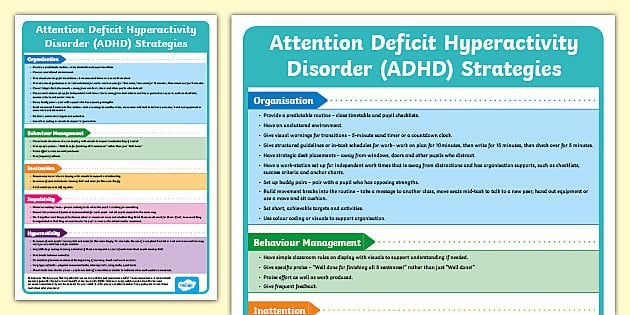
One of the most effective ways to support a child with ADHD is to establish a consistent daily routine. Having a predictable schedule helps provide structure and reduces uncertainty, which can be beneficial for managing symptoms of ADHD. Designate specific times for activities such as waking up, meals, homework, playtime, and bedtime. Clearly communicate the schedule to your child, either through visual cues or written reminders, so they can anticipate and prepare for transitions between activities.
Creating Clear and Consistent Rules
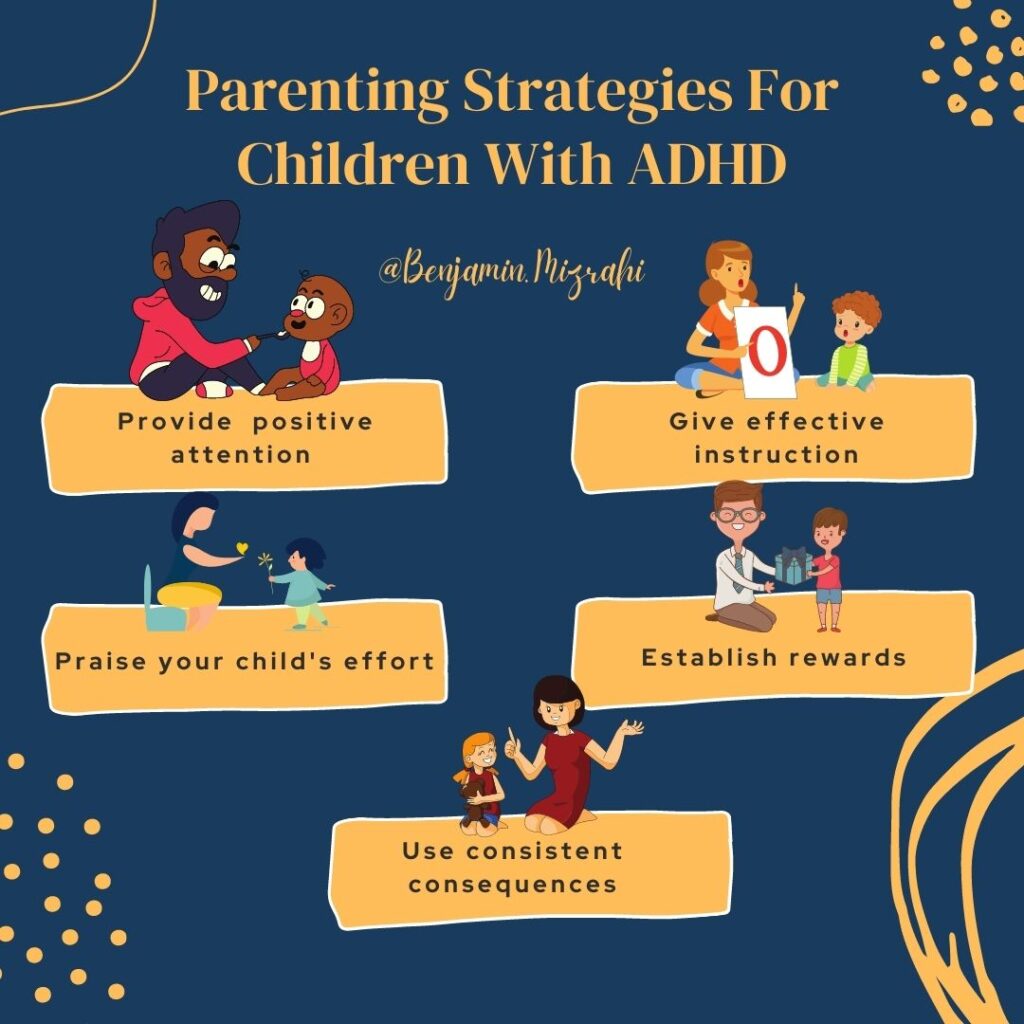
Consistency is key when it comes to parenting a child with ADHD. Establish clear and age-appropriate rules that are consistently enforced. Use simple language to explain the rules and consequences, and ensure that your child understands them. Be proactive in reinforcing positive behaviors and redirecting negative ones. Consistency in your approach will help your child understand expectations and develop self-control.
Providing an Organized and Structured Home
An organized and structured home environment can greatly benefit a child with ADHD. Create designated spaces for belongings such as backpacks, school supplies, and toys. Use labels or color-coded systems to help your child locate and categorize their belongings. Keep the home environment free from excessive clutter, which can be overwhelming and distracting for a child with ADHD. Having visual cues, such as calendars or whiteboards, can also help your child stay organized and keep track of activities and responsibilities.
Minimizing Distractions
Reducing distractions in the environment can help individuals with ADHD maintain focus and concentration. Create a quiet and clutter-free study area for homework and school-related activities. Minimize background noise by using white noise machines or headphones to block out distractions. Limit access to electronic devices and video games during designated study or quiet time. By providing a less distracting environment, you can create an atmosphere conducive to learning and productivity.

Effective Communication Strategies
Maintaining Open and Honest Communication
Open and honest communication between parents and children is vital when dealing with ADHD. Create a safe and supportive space where your child feels comfortable expressing their thoughts and emotions. Listen attentively and without judgment when they share their experiences, challenges, or concerns. Encourage them to ask questions and provide reassurance and understanding. Communicate openly about ADHD, helping your child understand their diagnosis and empowering them to advocate for themselves.
Active Listening
Active listening involves giving your full attention to what your child is saying, both verbally and non-verbally. Practice active listening by maintaining eye contact, nodding to show understanding, and asking clarifying questions. Restate or reflect back what your child has said to ensure you understood correctly. This helps your child feel heard and understood, fostering a stronger connection between you.
Using Positive Reinforcement
Positive reinforcement is a powerful tool in shaping behavior and encouraging positive habits. Praise and reward your child for their efforts, progress, and achievements. Focus on specific behaviors or tasks that you want to encourage and recognize their accomplishments. This can be as simple as verbal praise, a high-five, or a small reward such as stickers or extra playtime.
Giving Clear and Specific Instructions
Children with ADHD may struggle with following instructions, so it’s important to provide clear and specific guidance. Break down tasks or instructions into smaller, manageable steps. Give instructions one at a time and check for understanding. Use visual cues or written instructions, if necessary, to supplement verbal instructions. By providing clear directions, you can help your child stay focused and organized.
Developing Coping Skills
Teaching Time Management Skills
Time management is a common challenge for individuals with ADHD. Help your child develop effective time management skills by teaching them how to break tasks into smaller, manageable chunks. Use visual aids like timers or schedules to help your child track their time and stay on track. Encourage them to prioritize tasks and set goals, teaching them the importance of planning and organization.
Promoting Self-Care and Stress Management
Self-care and stress management are crucial for individuals with ADHD, as they can help reduce anxiety and improve overall well-being. Encourage your child to engage in activities they enjoy, such as hobbies, sports, or creative outlets. Teach them relaxation techniques, such as deep breathing or mindfulness exercises, to help manage stress and promote emotional regulation. Foster healthy habits like regular exercise, adequate sleep, and nutritious eating to support their physical and mental health.
Encouraging Problem-Solving and Decision-Making
Empower your child to become an effective problem-solver and decision-maker. Encourage them to identify challenges, brainstorm potential solutions, and evaluate the pros and cons of each option. Guide them in making informed decisions and help them learn from their mistakes. By fostering problem-solving skills, you are equipping your child with valuable tools to navigate challenges and make sound decisions.
Teaching Emotional Regulation Techniques
Emotional regulation skills are essential for individuals with ADHD, as they often experience intense emotions and may struggle with emotional regulation. Teach your child strategies to help them identify and manage their emotions in a healthy way. This can include deep breathing exercises, practicing self-calming techniques, expressing emotions through journaling or artwork, or seeking support from trusted adults or therapists. By developing these skills, your child can better navigate their emotions and maintain self-control.
Implementing Behavior Management Techniques
Setting Achievable Goals
Setting achievable goals is important for individuals with ADHD as it helps them focus their efforts and track their progress. Collaborate with your child to set realistic and measurable goals that align with their strengths and interests. Break down larger goals into smaller, attainable steps, celebrating accomplishments along the way. This not only promotes a sense of achievement but also encourages motivation and perseverance.
Using a Token Economy System
A token economy system is a behavioral management technique that involves rewarding desired behaviors with tokens or points that can be exchanged for rewards. Establish a system where your child can earn tokens or points for completing tasks, following rules, or demonstrating positive behaviors. Define clear expectations and rewards, and ensure consistency in implementing the system. This can serve as a visual and tangible way for your child to understand and track their progress.
Implementing Reward Systems
In addition to a token economy system, implementing other reward systems can further reinforce positive behaviors. Create a reward chart or visual tracker where your child can earn stickers or stars for meeting specific goals or displaying desired behaviors. Once a certain number of stickers or stars are accumulated, offer a predetermined reward such as extra playtime, a small toy, or a special outing. Rewards should be tailored to your child’s interests and serve as incentives to encourage positive behaviors.
Applying Consequences and Discipline Fairly
While focusing on positive reinforcement is important, it is also necessary to implement fair and consistent consequences when rules are broken or undesired behaviors occur. Clearly communicate consequences in advance and ensure they are proportional to the behavior. Instead of using harsh or punitive measures, emphasize natural or logical consequences whenever possible. This helps your child learn from their actions and take responsibility for their behavior.
Utilizing Educational Strategies
Collaborating with Teachers and School Staff
Collaboration with teachers and school staff is essential for creating a supportive educational environment for children with ADHD. Share information about your child’s diagnosis, strengths, challenges, and any accommodations or modifications that may be helpful. Maintain regular communication with teachers to monitor your child’s progress and address any concerns. Work together to develop strategies that promote their academic success and social-emotional well-being.
Creating Individualized Education Plans (IEPs)
For children with more significant educational needs, an Individualized Education Plan (IEP) can provide additional support. An IEP is a legally binding document that outlines specific educational goals, accommodations, and services tailored to your child’s unique needs. Collaborate with your child’s school to develop an IEP that addresses their academic challenges, behavioral concerns, and any related services they may require, such as occupational therapy or speech therapy.
Promoting Organization and Study Skills
Help your child develop effective organization and study skills to enhance their academic performance. Teach them strategies such as using color-coded folders or binders, employing checklists or to-do lists, and breaking down assignments into manageable tasks. Encourage them to use calendars or planners to schedule their assignments, tests, and extracurricular activities. Regularly review their assignments and provide guidance and support as needed.
Providing Accommodations and Modifications
Children with ADHD may benefit from accommodations and modifications in the classroom to support their learning and reduce barriers. Examples of accommodations include extended time for assignments or tests, preferential seating to minimize distractions, and access to assistive technology or visual aids. Modifications may involve adjusting the curriculum or assignments to meet your child’s individual needs. Collaborate with your child’s school to develop a plan that provides the necessary support and adaptations.
Seeking Professional Support
Consulting with Pediatricians or Psychiatrists
Consulting with medical professionals such as pediatricians or psychiatrists can provide valuable guidance and support for managing ADHD. These professionals can evaluate your child’s symptoms, provide a formal diagnosis, and discuss medication options if appropriate. They can also offer guidance on managing coexisting conditions, provide referrals to therapists or specialists, and monitor your child’s overall health and development.
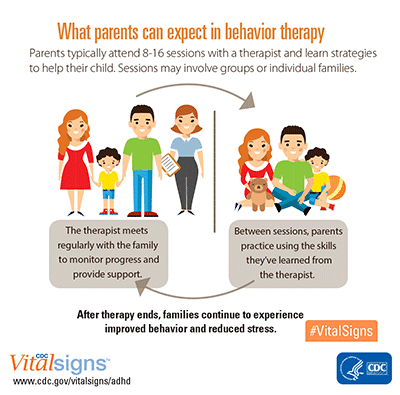
Engaging in Cognitive Behavioral Therapy
Cognitive Behavioral Therapy (CBT) is a therapeutic approach commonly used to support individuals with ADHD. CBT focuses on identifying and challenging unhelpful thoughts and behaviors, while also teaching coping strategies and problem-solving skills. Engaging in CBT can help individuals with ADHD develop self-awareness, manage their emotions, improve organization and time management skills, and minimize negative thinking patterns.
Exploring Medication Options
In some cases, medication may be recommended as part of the treatment plan for ADHD. Stimulant medications, such as methylphenidate or amphetamines, are commonly prescribed to help improve attention, reduce hyperactivity, and manage impulsivity. Non-stimulant medications, such as atomoxetine or guanfacine, may be considered as alternatives or adjuncts to stimulant medications. It is important to consult with a medical professional to determine if medication is appropriate and to discuss potential benefits and risks.
Participating in Parent Support Groups
Joining parent support groups can provide a valuable network of individuals who understand the unique challenges of parenting a child with ADHD. These groups offer a supportive environment where you can share experiences, exchange strategies, and learn from others who have faced similar situations. Parent support groups can also provide a space to discuss concerns or frustrations, seek advice, and offer encouragement to one another.
Promoting Physical Activity and Healthy Lifestyle
Encouraging Regular Exercise
Regular physical exercise has been shown to be beneficial for individuals with ADHD. Engaging in activities such as sports, swimming, dance, or martial arts can help channel excess energy, improve focus, and reduce impulsivity. Encourage your child to participate in regular exercise by finding activities they enjoy. Set aside dedicated time for physical activity, whether it’s playing outside, going for walks, or joining organized sports teams.
Balancing Screen Time
Excessive screen time can exacerbate symptoms of ADHD and negatively impact a child’s overall well-being. Set clear limits on screen time and establish rules around technology use. Encourage alternative activities, such as reading, playing board games, or engaging in creative pursuits. Model healthy screen habits by limiting your own usage and prioritizing quality family time.
Establishing Healthy Eating Habits
Maintaining a balanced and nutritious diet is important for overall health and well-being, including managing symptoms of ADHD. Encourage your child to eat a variety of fruits, vegetables, whole grains, lean proteins, and healthy fats. Limit sugary snacks and beverages, as they can contribute to hyperactivity and mood fluctuations. Involve your child in meal planning and preparation, and educate them about the importance of making healthy food choices.
Ensuring Adequate Sleep
Adequate sleep is crucial for individuals with ADHD, as it can significantly impact their attention, impulse control, and emotional regulation. Establish a consistent bedtime routine that promotes relaxation and winding down. Create a peaceful sleep environment that is free from distractions, such as electronic devices or excessive noise. Encourage your child to get the recommended amount of sleep for their age, as it will support their overall cognitive functioning and daily functioning.

Developing Social Skills
Teaching Empathy and Perspective-Taking
Empathy and perspective-taking skills are important for building positive relationships and understanding others’ experiences. Teach your child to recognize and validate the feelings of others, and encourage them to consider different perspectives. Engage in discussions about emotions and encourage your child to put themselves in someone else’s shoes. Model empathetic behavior in your own interactions and highlight examples of empathy in books, movies, or real-life situations.
Encouraging Peer Interactions
Encourage your child to engage in positive peer interactions and develop friendships. Create opportunities for socialization, such as playdates, organized activities, or joining clubs or teams. Teach your child social skills such as initiating conversations, taking turns, active listening, and resolving conflicts. Provide guidance on appropriate social behavior and help them navigate social situations that may be challenging.
Role-Playing and Social Problem-Solving
Role-playing can be an effective tool for teaching and practicing social skills. Use pretend scenarios to help your child learn how to handle different social situations or conflicts. Take turns playing different roles and guide them through problem-solving strategies. Reinforce positive behaviors and provide constructive feedback during role-playing sessions. This can help your child build confidence and develop effective social skills.
Promoting Positive Relationship Building
Encourage your child to build positive relationships with peers, teachers, and other adults. Foster opportunities for collaboration and teamwork, such as group projects or community service activities. Support your child in identifying shared interests or hobbies that can facilitate natural connections. Encourage them to be kind, inclusive, and respectful toward others, emphasizing the importance of building positive relationships based on trust and empathy.
Monitoring Progress and Seeking Feedback
Tracking Behavior and Academic Performance
Regularly track and monitor your child’s behavior and academic performance to assess their progress and identify areas for improvement. Use behavior charts, checklists, or rating scales to record observations and gather feedback from teachers or caregivers. Monitor changes in your child’s attention, hyperactivity, impulsivity, and behavioral patterns over time. This information can inform strategies, interventions, and discussions with healthcare professionals or educators.
Maintaining Regular Communication with Teachers
Maintaining open lines of communication with your child’s teachers is crucial for monitoring their progress and addressing any concerns. Schedule regular check-ins with teachers to discuss your child’s academic performance, behavior, and any accommodations or modifications being implemented. Share updates about changes at home or any challenges your child may be facing. Collaboration between parents and teachers is essential for creating a consistent and supportive environment for children with ADHD.
Requesting Progress Reports
Request progress reports from your child’s school to gain a comprehensive understanding of their academic and social-emotional development. Progress reports can provide valuable insights into your child’s strengths, areas for improvement, and specific goals they are working towards. Review these reports with your child, celebrating their achievements and discussing strategies to address any challenges or areas requiring additional support.
Seeking Professional Feedback and Assessments
If you have concerns about your child’s progress or if their symptoms are significantly impacting their daily life, it may be beneficial to seek professional feedback and assessments. Reach out to healthcare professionals, psychologists, or learning specialists who specialize in ADHD to discuss your concerns and explore potential interventions or treatment options. Professional assessments can provide valuable insights into your child’s strengths, challenges, and any underlying factors contributing to their difficulties.
In conclusion, understanding ADHD and implementing effective strategies can greatly support children with this condition. By creating a supportive environment, using effective communication strategies, developing coping skills, implementing behavior management techniques, utilizing educational strategies, seeking professional support, promoting physical activity and a healthy lifestyle, developing social skills, and monitoring progress, parents can empower their child with ADHD to thrive and reach their full potential. Remember, each child is unique, so it is important to tailor these strategies to meet the individual needs of your child. With patience, understanding, and support, you can make a significant positive impact on your child’s journey with ADHD.