
Are you struggling with a loss of appetite? It can be frustrating and worrisome when you have no desire to eat, but there are effective strategies to stimulate your appetite and regain your enjoyment of food. Whether you’re experiencing this issue due to medical reasons, stress, or simply a lack of interest, this article will provide you with practical tips and techniques to get your appetite back on track. From trying new flavors to creating a positive eating environment, these strategies will help you rediscover the pleasure of a good meal.
Effective Strategies to Stimulate Appetite
Creating a Calm and Pleasant Eating Environment
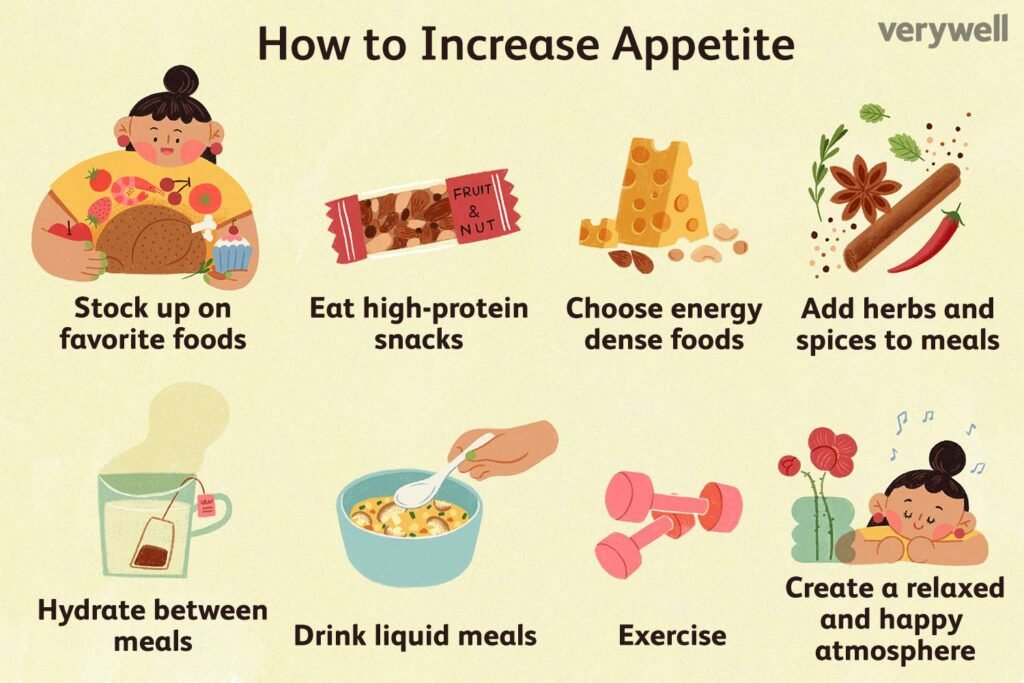
When it comes to stimulating your appetite, the environment plays a vital role. Creating a calm and pleasant eating environment can significantly enhance your desire to eat. Start by ensuring that the area where you eat is clean and clutter-free. Set the table with your favorite tablecloth and use attractive dinnerware that appeals to you. Additionally, consider playing soft and soothing background music to create a relaxed ambiance. By creating a calm and pleasant atmosphere, you can make mealtimes more enjoyable, encouraging you to eat more.
Using Aromatherapy to Enhance Appetite
Aromatherapy has been used for centuries to improve various aspects of our well-being, including appetite. Certain scents can stimulate the brain and trigger hunger signals, helping to enhance your appetite. Some essential oils known for their appetite-stimulating properties include ginger, peppermint, and grapefruit. You can incorporate these essential oils into your daily routine by using a diffuser or simply inhaling them directly. Alternatively, you can apply them topically by diluting them in a carrier oil and massaging them onto your skin. By harnessing the power of aromatherapy, you can create an environment that promotes a healthy appetite.

Incorporating Regular Exercise into Daily Routine
Exercise is not only beneficial for maintaining physical fitness, but it can also help stimulate your appetite. Engaging in regular exercise has been shown to increase hunger and improve digestion. Physical activity increases blood flow to the digestive system, promoting the release of digestive enzymes and stimulating the appetite. Incorporate exercises such as walking, jogging, or cycling into your daily routine to help boost your appetite. Remember to consult with a healthcare professional before starting any exercise program, especially if you have any underlying health conditions.
Implementing Mindful Eating Practices
Mindful eating is a practice that involves paying full attention to the eating experience, including the smell, taste, and texture of food. By practicing mindful eating, you can reconnect with your body’s hunger and fullness cues and enhance your appetite. Start by eating slowly and savoring each bite, paying attention to the flavors and textures of the food. Minimize distractions such as television or electronic devices during mealtimes, and focus solely on the act of eating. By being present and mindful, you can cultivate a deeper appreciation for food and increase your appetite.

Ensuring Adequate Hydration
Maintaining proper hydration is crucial for overall health and can also influence your appetite. Dehydration can lead to a decreased appetite and impact the efficiency of your digestive system. Make it a priority to drink an adequate amount of water throughout the day, aiming for at least eight glasses. You can also incorporate hydrating foods such as fruits and vegetables into your diet. Remember, thirst can sometimes be mistaken for hunger, so staying hydrated can help you differentiate between genuine hunger and thirst.
Adding Variety to the Diet
Monotony in your diet can contribute to a loss of appetite. To stimulate your desire to eat, add variety to your meals. Incorporate a rainbow of fruits, vegetables, whole grains, lean proteins, and healthy fats into your diet. Experiment with different cuisines, flavors, and textures to keep your meals exciting and appetizing. Including a variety of foods not only provides essential nutrients but can also make your meals more visually appealing, stimulating your appetite.

Utilizing Herbs and Spices to Enhance Flavor
Herbs and spices not only add flavor to your meals but can also stimulate your appetite. Many herbs and spices have been traditionally used to improve digestion and increase hunger. Some examples include ginger, cinnamon, cumin, and cardamom. Sprinkle these flavorful additions onto your dishes, incorporate them into sauces and marinades, or brew them into delicious herbal teas to enhance your appetite. Additionally, herbs and spices have the added benefit of providing antioxidant properties and potential health benefits.
Managing Stress and Anxiety Levels
Stress and anxiety can have a significant impact on your appetite. During times of heightened stress, your body releases hormones that can suppress your appetite. Finding effective ways to manage stress and anxiety can help stimulate your appetite. Engage in relaxation techniques such as deep breathing, meditation, or yoga to reduce stress levels. Prioritize self-care activities that bring you joy and relaxation, such as reading, taking a bath, or spending time in nature. By managing stress and anxiety, you can create a more conducive environment for healthy eating habits.

Optimizing Digestive Health
A healthy digestive system is essential for proper digestion and nutrient absorption, which can contribute to a healthy appetite. To optimize your digestive health, incorporate foods rich in fiber, such as fruits, vegetables, and whole grains. Fiber promotes regular bowel movements and helps prevent digestive issues like constipation, which can impact your appetite. Additionally, including probiotic-rich foods like yogurt, sauerkraut, and kefir can support the growth of beneficial bacteria in your gut, aiding digestion. If you experience chronic digestive issues, it may be helpful to consult with a healthcare professional for further evaluation and guidance.
Seeking Medical Advice for Underlying Conditions
If you have tried various strategies to stimulate your appetite without success, it is essential to seek medical advice. Unintentional weight loss or a persistent loss of appetite can be a sign of an underlying medical condition that requires attention. Conditions such as gastrointestinal disorders, hormonal imbalances, and mental health issues can all affect your appetite. Consulting with a healthcare professional can help identify and address any underlying conditions that may be contributing to your loss of appetite. They can provide personalized advice and guidance to help you regain a healthy appetite.
In conclusion, there are several effective strategies you can implement to stimulate your appetite. Creating a calm and pleasant eating environment, using aromatherapy, incorporating regular exercise, practicing mindful eating, ensuring adequate hydration, adding variety to your diet, utilizing herbs and spices, managing stress and anxiety levels, optimizing digestive health, and seeking medical advice when necessary are all essential factors to consider. By implementing these strategies, you can enhance your appetite and promote a healthy relationship with food. Remember to listen to your body’s cues and make choices that nourish both your body and mind.