
Are you struggling with loss of appetite and searching for a natural remedy to stimulate your hunger? Look no further! In this article, we will explore a simple yet effective solution that can help restore your appetite and make mealtimes enjoyable again. Say goodbye to those days of feeling disinterested in food and hello to a healthier, more nourished you. Say goodbye to those days of feeling disinterested in food and hello to a healthier, more nourished you. Let’s delve into the details of this natural remedy for loss of appetite and discover how it can make a difference in your life.

1. Understanding Loss of Appetite
– What is loss of appetite?
Loss of appetite refers to a decreased desire or interest in eating. It can range from simply feeling less hungry than usual to a complete lack of interest in food. When experiencing loss of appetite, one may find it difficult to eat a full meal or even have a few bites. It is important to differentiate loss of appetite from other conditions that may affect eating habits, such as specific food aversions or dietary restrictions.
– Causes of loss of appetite
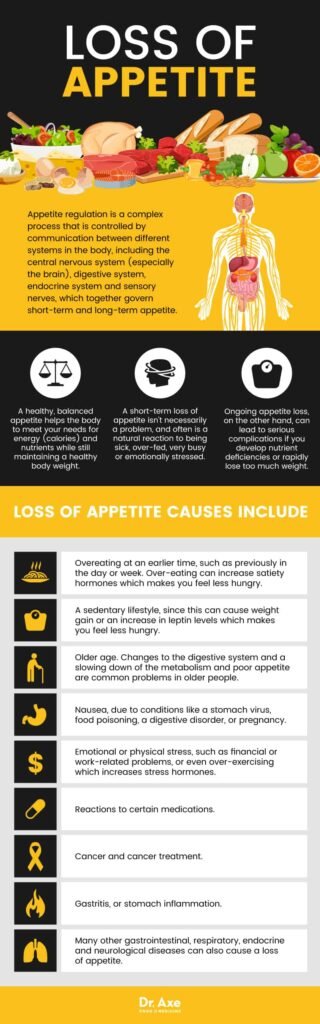
There are numerous factors that can contribute to loss of appetite. These can include physical, psychological, or environmental influences. Common causes of loss of appetite include illness or infection, medications, hormonal imbalances, mental health issues (such as depression or anxiety), stress, aging, and changes in taste and smell. Identifying the underlying cause is crucial in managing and addressing the loss of appetite effectively.
– Effects of loss of appetite
Loss of appetite can have various effects on an individual’s overall well-being. Physically, it can lead to weight loss, nutrient deficiencies, weakened immune systems, and reduced energy levels. Emotionally, it may cause feelings of guilt, frustration, and anxiety. Additionally, loss of appetite can affect social interactions, as sharing meals with others often brings enjoyment and a sense of connection. It is essential to address loss of appetite promptly to prevent any further complications and improve one’s quality of life.
2. Importance of Addressing Loss of Appetite
– Potential consequences of prolonged loss of appetite
Failing to address prolonged loss of appetite can have serious consequences. It increases the risk of malnutrition, which can weaken the immune system and impair the body’s ability to heal from illnesses and injuries. It also leads to weight loss, which can further exacerbate existing health conditions. Prolonged loss of appetite can also impact an individual’s mood, cognitive function, and overall quality of life.
– Impact on nutritional status and overall health
Loss of appetite can make it challenging to maintain proper nutrition. Without an adequate intake of essential nutrients, the body may struggle to function optimally. Nutritional deficiencies can weaken the immune system, making it more susceptible to infections and illnesses. It can also lead to muscle loss, fatigue, and impaired wound healing. Addressing loss of appetite is vital to ensure the body receives the nutrients it needs to stay healthy and function properly.
– Mental and emotional effects of loss of appetite
Loss of appetite not only affects physical health but also has profound mental and emotional effects. A decrease in appetite can lead to feelings of sadness, irritability, and a lack of motivation. It can disrupt the enjoyment and social aspect of eating, leading to further isolation and emotional distress. Addressing loss of appetite can restore a sense of balance and help improve one’s overall mood and well-being.
3. Identifying Underlying Medical Conditions
– Seeking medical advice for persistent loss of appetite
When loss of appetite persists or is accompanied by other concerning symptoms, it is important to seek medical advice. Healthcare professionals can help determine the underlying cause and provide appropriate treatment options. They will conduct a thorough evaluation, including a detailed medical history, and physical examination, and possibly request additional tests or diagnostic procedures.
– Medical conditions that may cause loss of appetite
Various medical conditions can contribute to loss of appetite. Some common examples include gastrointestinal disorders (such as gastritis or gastroenteritis), liver or kidney disease, hormonal imbalances (such as thyroid disorders), infections, cancer, and certain medications. Identifying and addressing these underlying conditions is essential for managing loss of appetite effectively.
– Diagnostic procedures and tests for identifying the cause
To identify the cause of loss of appetite, healthcare professionals may perform various diagnostic procedures and tests. These can include blood tests to assess nutritional status and evaluate organ function, imaging studies (such as ultrasound or X-ray) to examine the gastrointestinal tract, endoscopy to visualize the digestive system, or biopsies to check for any abnormalities. These tests help provide valuable insights into the cause of loss of appetite, enabling targeted treatment interventions.
4. Natural Remedies and Lifestyle Changes
– Importance of a balanced diet
Maintaining a balanced diet is crucial for addressing loss of appetite and ensuring proper nutrition. Focus on consuming a variety of nutrient-dense foods, including fruits, vegetables, whole grains, lean proteins, and healthy fats. Avoid processed foods and excessive sugar as they can contribute to further appetite suppression. Eating smaller, frequent meals throughout the day can be more manageable than trying to consume large portions.
– Foods known to stimulate appetite
Certain foods are known for their ability to stimulate appetite. These include ginger, garlic, citrus fruits, pineapple, papaya, nuts, seeds, yogurt, and lean meats. Incorporating these foods into meals and snacks may help increase appetite and enjoyment of food. Experiment with different flavors and textures to find what appeals to you most.
– Beneficial herbs and spices
Several herbs and spices have been traditionally used to improve appetite and digestion. Examples include basil, fennel, mint, chamomile, and cumin. Incorporate these flavorful additions into meals to enhance taste and promote appetite. They can be used in fresh or dried forms, depending on personal preference.
– Herbal teas and remedies
Herbal teas can be a soothing and enjoyable way to stimulate appetite. Peppermint, ginger, chamomile, and dandelion tea are known for their digestive benefits and can be consumed before or after meals to enhance appetite. Additionally, herbal remedies such as gentian root extract or bitter melon supplements may be beneficial in improving appetite in some individuals. Consult with a healthcare professional before starting any herbal or dietary supplements.
– Essential oils for stimulating appetite
Some essential oils, when used correctly, can help stimulate the appetite. Fragrances like peppermint, ginger, and lemon have shown promising effects in increasing appetite. Diffusing these oils or diluting them for topical use can create a pleasant olfactory experience during mealtime, enhancing the desire to eat.

5. Creating an Appetizing Environment
– Strategies for enhancing the sensory experience of meals
Creating an appetizing environment can help stimulate the senses and enhance the enjoyment of meals. Pay attention to presentation by using colorful plates and bowls. Serve food at the proper temperature, as warm or hot meals can be more enticing. Experiment with different flavors, textures, and aromas to make each meal a sensory experience.
– Importance of pleasant surroundings during mealtime
The surrounding environment plays a significant role in promoting appetite. Ensure the dining area is clean, well-lit, and comfortable. Reduce distractions, such as excessive noise or visual clutter, that may divert attention away from the meal. Consider playing soothing or uplifting music to create a pleasant atmosphere.
– Incorporating aromatherapy and music therapy
Aromatherapy and music therapy can be effective tools in stimulating appetite. Fragrances like lemon, lavender, or cinnamon can help create a more inviting environment. Similarly, playing calming or enjoyable music can positively impact mood and encourage a relaxed and enjoyable mealtime experience. Experiment with different scents and music genres to find what enhances your appetite and enjoyment.
6. Exercise and Physical Activity
– Enhancing appetite through physical activity
Engaging in regular physical activity can help stimulate appetite. Exercise promotes the release of endorphins, which can increase feelings of hunger. It also aids in digestion and may improve overall gut health. Incorporate activities such as walking, cycling, or light strength training into your routine to reap appetite-enhancing benefits.
– Types of exercises to stimulate appetite
Certain types of exercises may have a more pronounced effect on appetite stimulation. High-intensity interval training (HIIT) or resistance training has been shown to increase appetite more than low-intensity aerobic exercises. However, it is important to choose exercises that are appropriate for your fitness level and consult with a healthcare professional before starting any new exercise program.

7. Stress Reduction and Mental Health
– Impact of stress on appetite
Stress can have a significant impact on appetite. High levels of stress can lead to a decrease in appetite, as well as emotional eating patterns. It is important to manage stress effectively to maintain a healthy appetite. Chronic stress can disrupt hormonal balance and affect the digestive system, leading to decreased hunger signals.
– Techniques for managing stress levels
Various techniques can help manage stress levels and improve appetite. These include regular exercise, mindfulness meditation, deep breathing exercises, yoga, and engaging in activities that promote relaxation and enjoyment. Finding healthy outlets for stress can positively impact appetite and overall well-being.
– Promoting mental well-being and relaxation
Addressing mental well-being is crucial for improving appetite. Engage in activities that promote relaxation, such as reading, taking baths, practicing hobbies, or spending time with loved ones. Prioritize sleep, as inadequate rest can contribute to stress and appetite suppression. Consider seeking professional support, such as therapy or counseling, to address any underlying emotional factors affecting appetite.
8. Utilizing Food and Mealtime Strategies
– Appropriate portion sizes and regular eating schedule
Maintaining appropriate portion sizes and a regular eating schedule can be beneficial for individuals experiencing loss of appetite. Smaller, more frequent meals can be less overwhelming and more manageable. Establishing a routine and eating at similar times each day can help create a sense of structure and familiarity, making it easier to maintain a healthy appetite.
– Engaging in social activities during meals
Eating with others can be a powerful way to stimulate appetite. Sharing meals with family or friends can create a pleasant and engaging atmosphere, enhancing the desire to eat. Consider organizing social activities centered around meals, such as potlucks or themed dinners, to make mealtimes more enjoyable and sociable.
– Making mealtime enjoyable and varied
Varying the types of foods and flavors incorporated into meals can help improve appetite. Experiment with different recipes and cuisines to make mealtimes more exciting and enjoyable. Include a mix of different food groups and textures to create a well-rounded and appealing plate. Additionally, try incorporating new ingredients or spices to add variety and novelty to meals.

9. Consulting a Healthcare Professional
– When to seek professional help
If loss of appetite persists, becomes severe, or is accompanied by concerning symptoms, it is essential to seek professional help. A healthcare professional can conduct a thorough evaluation, identify any underlying medical conditions, and provide appropriate treatment recommendations. Prompt intervention can help address the underlying cause and improve appetite and overall well-being.
– The role of doctors and dietitians in addressing loss of appetite
Doctors and dietitians play a crucial role in addressing loss of appetite. Doctors can diagnose and treat underlying medical conditions that may be causing the decreased appetite. They may prescribe medications, suggest dietary modifications, or recommend additional interventions. Dietitians can provide personalized nutritional guidance, create meal plans tailored to individual needs, and monitor nutritional status to ensure adequate nutrient intake. Collaborating with healthcare professionals can help develop an effective and holistic approach to managing loss of appetite.
10. Supporting Individuals with Loss of Appetite
– Tips for family and friends to support loved ones
Support from family and friends is instrumental in helping individuals with loss of appetite. Some supportive tips include offering gentle encouragement, providing a variety of appetizing food options, and respecting individual preferences and dietary restrictions. Creating a relaxed and enjoyable mealtime environment can foster a positive relationship with food. Additionally, engaging in activities together and offering emotional support can help alleviate stress and enhance overall well-being.
– Creating a supportive and understanding environment
Creating a supportive and understanding environment is crucial for individuals experiencing loss of appetite. Be patient and empathetic, avoiding judgment or pressure around food. Encourage open communication and actively listen to their concerns and preferences. Offer assistance with meal preparation or planning, making sure to accommodate any specific dietary needs. Remember, each person’s experience with loss of appetite is unique, and providing a compassionate and understanding space can make a significant difference in their journey toward improved appetite and overall health.
In conclusion, loss of appetite can have various causes and effects on an individual’s physical, mental, and emotional well-being. Addressing loss of appetite promptly and effectively is essential to prevent further complications and improve quality of life. By understanding the underlying causes, implementing natural remedies and lifestyle changes, creating an appetizing environment, incorporating exercise and physical activity, managing stress levels, utilizing food and mealtime strategies, consulting healthcare professionals, and offering support to loved ones, individuals experiencing loss of appetite can find relief and restore a healthy relationship with food.
Related Terms About Natural Remedy For Loss Appetite.
Best Natural Remedies For Loss Of Appetite, Herbal Remedy For Loss Of Appetite, Home Remedies For Loss Of Appetite In Adults, Home Remedies For Loss Of Appetite In Toddlers, Home Remedy For Loss Of Appetite, Home Remedy For Loss Of Appetite During Pregnancy, Home Remedy For Loss Of Appetite In Dogs, How To Lose Appetite Naturally, Loss Of Appetite Treatment Home Remedies, Natural Cure For Loss Of Appetite, Natural Remedies For Loss Of Appetite, Natural Remedy For Loss Of Appetite, Natural Remedy For Loss Of Appetite In Cats, What Can I Do About Loss Of Appetite, What Is The Best Home Remedy For Loss Appetite