
If you or someone you know is experiencing a hyperglycemic emergency, it’s important to act fast. This quick guide will provide you with the essential information you need to tackle hyperglycemia head-on. From understanding the symptoms and causes to learning about immediate treatment options, we’ve got you covered. Don’t let hyperglycemia catch you off guard – arm yourself with knowledge and be prepared to handle any emergency situation with confidence.
Initial Assessment

Checking blood glucose levels
The first step in assessing and treating hyperglycemia is to check your blood glucose levels. This can be done using a glucose meter or a continuous glucose monitoring device. By measuring your blood sugar levels, you can get a better understanding of how high they are and determine the appropriate treatment.
Evaluating symptoms
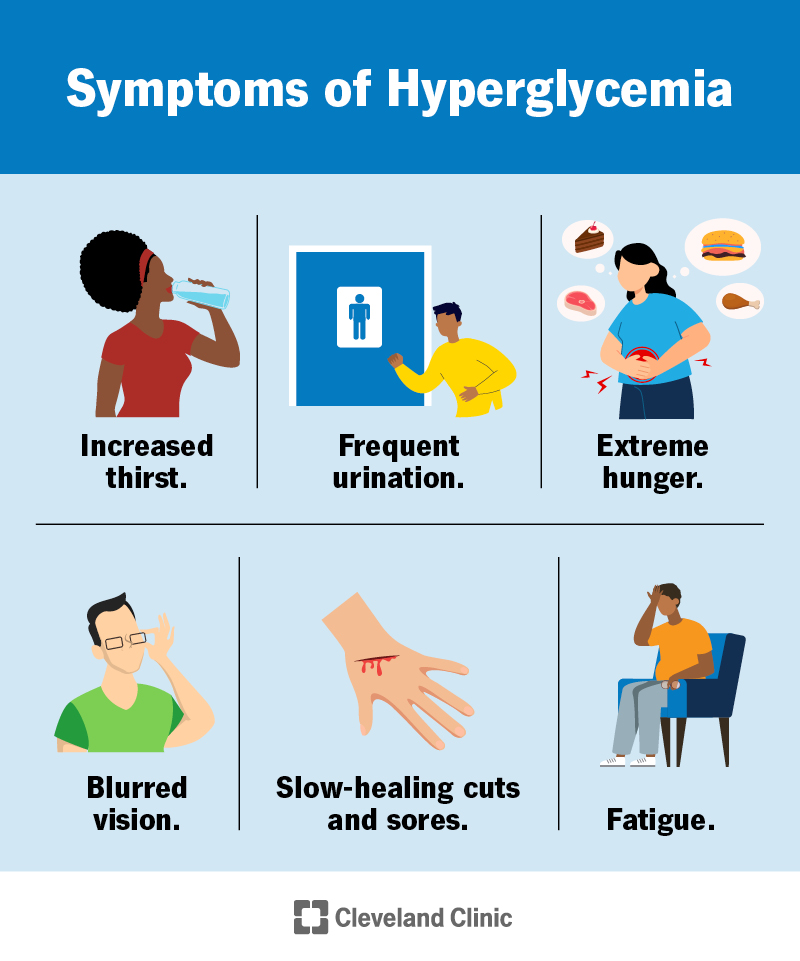
In addition to checking your blood glucose levels, it is important to evaluate any symptoms you may be experiencing. Common symptoms of hyperglycemia include frequent urination, excessive thirst, fatigue, and blurred vision. By assessing these symptoms, healthcare professionals can gain insights into the severity of your condition and tailor the treatment accordingly.
Assessing vital signs
Assessing vital signs, such as your heart rate, blood pressure, and respiratory rate, is crucial in determining the impact of hyperglycemia on your body. Hyperglycemia can lead to dehydration and electrolyte imbalances, which can affect vital signs. By closely monitoring these parameters, healthcare professionals can intervene promptly and ensure appropriate management.
Determining the Cause
Distinguishing between type 1 and type 2 diabetes
To effectively manage hyperglycemia, it is important to understand the underlying cause. Distinguishing between type 1 and type 2 diabetes is crucial as it may impact the treatment approach. Type 1 diabetes is an autoimmune condition where the body’s immune system mistakenly attacks the insulin-producing cells in the pancreas. Type 2 diabetes, on the other hand, is characterized by insulin resistance, where the body does not use insulin effectively. Differentiating between the two helps healthcare professionals tailor the treatment plan accordingly.

Identifying underlying triggers
Identifying the triggers that contribute to hyperglycemia is vital in managing the condition. These triggers may include poor dietary choices, lack of physical activity, stress, certain medications, or hormonal imbalances. By identifying these underlying factors, healthcare professionals can work with you to develop a personalized treatment plan and address the root cause of hyperglycemia effectively.
Considering comorbid conditions
It is important to consider any comorbid conditions or existing health conditions you may have when treating hyperglycemia. Certain medical conditions, such as cardiovascular disease or kidney disease, can impact the management and treatment options for hyperglycemia. By taking a comprehensive approach and considering these conditions, healthcare professionals can ensure holistic care and minimize potential complications.
Administering Rapid-Acting Insulin
Calculating appropriate insulin dose
Once the initial assessment is completed and the cause of hyperglycemia has been determined, healthcare professionals will calculate the appropriate dose of rapid-acting insulin. This calculation takes into account various factors, including your blood glucose levels, body weight, and individual insulin sensitivity. Administering the correct insulin dose is crucial in lowering blood glucose levels effectively.
Monitoring glucose levels during administration
During the administration of rapid-acting insulin, it is essential to closely monitor your glucose levels. This allows healthcare professionals to assess the effectiveness of the insulin and make any necessary adjustments to the treatment plan. Regular monitoring ensures that blood glucose levels are brought under control and kept within the target range.

Addressing potential complications
It is important to be aware of potential complications that may arise during the administration of rapid-acting insulin. Hypoglycemia, or low blood sugar, is a common concern. Healthcare professionals closely monitor your glucose levels to prevent this condition and make any necessary adjustments to the insulin dose. In addition, they are prepared to manage any allergic reactions or adverse effects that may occur during the treatment.
Hydration and Electrolyte Balance
Initiating intravenous fluid therapy
Hyperglycemia can lead to dehydration, so initiating intravenous fluid therapy is often necessary. This therapy helps replenish fluids and electrolytes lost due to high blood glucose levels and increased urine output. Healthcare professionals carefully monitor fluid balance and adjust the fluid therapy accordingly to restore hydration and maintain optimal electrolyte levels.
Monitoring fluid intake and output
Monitoring fluid intake and output is essential in evaluating hydration status and ensuring appropriate fluid management. By closely monitoring your fluid intake, healthcare professionals can ensure that you are consuming enough fluids to maintain hydration. Additionally, monitoring urine output helps assess kidney function and detect any signs of fluid imbalance or renal complications.
Balancing electrolyte levels
Electrolyte imbalances can occur during hyperglycemia, primarily due to dehydration. Healthcare professionals carefully monitor your electrolyte levels, including potassium, sodium, and bicarbonate, to ensure they are within the normal range. Maintaining the balance of these electrolytes is crucial for various bodily functions and overall health.
Correction of Acidosis
Managing diabetic ketoacidosis (DKA)
In severe cases of hyperglycemia, diabetic ketoacidosis (DKA) may occur. DKA is a life-threatening condition characterized by high blood sugar levels, elevated ketone levels, and metabolic acidosis. Managing DKA requires immediate medical intervention, including the administration of intravenous fluids, insulin therapy, and correction of electrolyte imbalances. Healthcare professionals closely monitor blood glucose levels, ketone levels, and acid-base status to effectively treat DKA.
Administering bicarbonate therapy
To correct acidosis during hyperglycemic emergencies, bicarbonate therapy may be administered. Bicarbonate is an alkaline substance that helps in neutralizing acid in the body. However, the administration of bicarbonate therapy is carefully evaluated by healthcare professionals, as it is not always necessary and may have potential risks and side effects. The decision to administer bicarbonate therapy is based on individual patient factors and the severity of acidosis.
Monitoring blood pH levels
Monitoring blood pH levels is crucial when correcting acidosis. Hyperglycemia and DKA can lead to an acidic environment in the body, affecting various physiological processes. Healthcare professionals closely monitor blood pH levels to ensure that acidosis is effectively corrected and maintained within the appropriate range. This monitoring helps guide the treatment plan and ensures patient safety.
Managing Underlying Infections
Identifying and treating infections
Hyperglycemia can weaken the immune system and make individuals more susceptible to infections. It is important to identify and treat any existing infections promptly. This may involve cultures, imaging studies, or other diagnostic tests to determine the type and location of the infection. Once identified, appropriate antibiotic therapy is initiated to target the infection and prevent further complications.

Addressing associated fever and inflammation
Infections can often lead to fever and inflammation. Addressing these associated symptoms is essential in managing hyperglycemia effectively. Healthcare professionals may administer medications, such as antipyretics or anti-inflammatory drugs, to reduce fever and inflammation. By managing these symptoms, the overall impact of the infection on blood glucose levels can be minimized.
Using appropriate antibiotic therapy
The choice of antibiotic therapy depends on the type of infection and the susceptibility of the causative organisms. Healthcare professionals carefully consider the individual patient’s medical history, possible drug allergies, and any comorbid conditions when selecting the appropriate antibiotic therapy. The goal is to effectively target the infection while minimizing the risk of adverse effects or antibiotic resistance.
Continuous Glucose Monitoring
Implementing continuous monitoring devices
Continuous glucose monitoring (CGM) devices are valuable tools for managing hyperglycemia. These devices provide real-time data on blood glucose levels, allowing you and healthcare professionals to make more informed decisions regarding insulin therapy, diet, and physical activity. CGMs use a small sensor inserted under the skin, which measures glucose levels and transmits the data wirelessly to a receiver or smartphone.
Using alerts for glycemic control
CGM devices can be programmed to provide alerts when blood glucose levels are outside the target range. These alerts help you stay proactive in managing your hyperglycemia and taking appropriate actions. Alerts can be customized based on individual needs and preferences, ensuring timely intervention to maintain glycemic control.
Analyzing glucose patterns
Continuous glucose monitoring enables healthcare professionals to analyze glucose patterns over time. This analysis provides valuable insights into the effectiveness of the current treatment plan and helps identify trends or patterns that may require adjustments. By closely examining glucose patterns, healthcare professionals can make informed decisions to optimize glycemic control and prevent potential complications.
Patient Education
Explaining the importance of glycemic control
Patient education plays a vital role in managing hyperglycemia effectively. Healthcare professionals take the time to explain the importance of glycemic control and the potential complications associated with uncontrolled hyperglycemia. By understanding the impact of hyperglycemia on overall health, you are empowered to actively participate in your treatment plan and make informed lifestyle choices.
Promoting self-monitoring and adjustment
Self-monitoring of blood glucose levels is a key aspect of managing hyperglycemia, and healthcare professionals emphasize its importance. They provide clear instructions on how to use glucose meters or CGM devices, interpret the results, and make adjustments to insulin therapy or other treatment modalities as needed. Promoting self-monitoring and adjustment empowers you to take control of your hyperglycemia management.
Teaching recognition of hyperglycemic symptoms
Recognizing the symptoms of hyperglycemia is essential in preventing and managing episodes effectively. Healthcare professionals educate you about the common signs and symptoms of hyperglycemia, such as increased thirst, frequent urination, and fatigue. By being aware of these symptoms, you can promptly seek medical attention and take appropriate actions to prevent complications.
Psychological Support
Addressing emotional impact
Hyperglycemia and the associated management can have a significant emotional impact on individuals. Healthcare professionals recognize the emotional challenges that may arise and provide support to address them. They create a safe and non-judgmental environment where you can express your feelings and concerns, offering reassurance and guidance throughout the treatment process.
Offering resources for coping with stress
Managing hyperglycemia requires adopting lifestyle changes and coping with the stress it may bring. Healthcare professionals provide you with resources and techniques to help cope with stress effectively. These resources may include stress management techniques, support groups, or counseling services. By addressing stress, you can better manage your hyperglycemia and maintain overall well-being.
Providing diabetes management education
Beyond the immediate treatment of hyperglycemia, healthcare professionals provide comprehensive diabetes management education. This education encompasses topics such as healthy eating, regular physical activity, medication adherence, and regular check-ups. By equipping you with the necessary knowledge and skills, healthcare professionals empower you to lead a fulfilling life while effectively managing hyperglycemia.
Collaborative Approach
Involving multidisciplinary healthcare professionals
Managing hyperglycemia requires a multidisciplinary approach, involving various healthcare professionals. Endocrinologists, nurses, dietitians, and pharmacists collaborate to provide comprehensive care. Each professional brings their expertise to the table, ensuring that all aspects of hyperglycemia management are addressed effectively.
Promoting patient-centered care
A patient-centered approach is the foundation of managing hyperglycemia. Healthcare professionals prioritize your individual needs, preferences, and goals when designing the treatment plan. By involving you in the decision-making process, they ensure that the management plan is tailored to your unique circumstances, enhancing treatment outcomes and overall satisfaction.
Coordinating with specialists
In complex cases of hyperglycemia or when comorbid conditions are present, healthcare professionals coordinate with specialists to optimize care. This may involve consultations with cardiologists, nephrologists, or other specialists who can provide additional support and expertise. By working together, the healthcare team ensures comprehensive and coordinated care to address all aspects of hyperglycemia and associated conditions.
In conclusion, managing hyperglycemia in an emergency setting requires a comprehensive and systematic approach. From the initial assessment to collaborative care, healthcare professionals focus on evaluating the cause, administering appropriate treatment, and educating patients for long-term management. By addressing the immediate needs and providing ongoing support, the goal is to effectively manage hyperglycemia, prevent complications, and empower individuals to lead a healthy and fulfilling life.