
Imagine a scenario where a single virus emerges from the avian world and threatens the health of humans worldwide. This virus, known as avian-origin influenza, has the potential to cause widespread illness and even death. In this article, we will explore the impacts of avian-origin influenza on human health, examining its transmission, symptoms, and potential consequences. Join us as we delve into the world of infectious diseases, providing valuable insights into the threats that avian-origin influenza poses and how we can effectively combat it to safeguard the well-being of our global population.

1. Introduction to Avian-Origin Influenza
Avian-Origin Influenza refers to a group of viruses that primarily infect birds, but can also be transmitted to humans. These viruses belong to the influenza A virus family and are commonly found in wild and domestic birds, particularly poultry. Understanding the characteristics and transmission patterns of Avian-Origin Influenza is crucial for effective prevention and control measures.
1.1 Definition of Avian-Origin Influenza
Avian-Origin Influenza, also known as bird flu, is a highly contagious respiratory disease caused by various strains of influenza A viruses that primarily infect birds. These viruses can occasionally cross the species barrier and infect humans, leading to severe illness and, in some cases, death.
1.2 Historical Background
Avian-Origin Influenza has been a concern for several decades, with sporadic outbreaks reported across the globe. One of the most notable historical episodes occurred in 1997 in Hong Kong, where the first documented case of human infection with the H5N1 strain of Avian-Origin Influenza was reported. This event raised alarm bells as it highlighted the potential for these viruses to cause severe disease in humans.
1.3 Types of Avian-Origin Influenza Viruses
Avian-Origin Influenza viruses are classified into different subtypes based on their surface proteins – hemagglutinin (HA) and neuraminidase (NA). Currently, the H5 and H7 subtypes are of particular concern due to their ability to cause disease in both birds and humans. These subtypes have the potential to undergo genetic changes through reassortment, leading to the emergence of novel strains with increased transmissibility among humans.
2. Transmission of Avian-Origin Influenza to Humans
2.1 What Is Zoonotic Transmission?
Zoonotic transmission refers to the transmission of infectious diseases from animals to humans. Avian-Origin Influenza viruses are zoonotic pathogens, meaning they can be transmitted from infected birds to humans. The transmission usually occurs through close contact with infected birds, their droppings, or contaminated surfaces.
2.2 Factors Facilitating Transmission to Humans
Several factors contribute to the transmission of Avian-Origin Influenza viruses to humans. One key factor is the close proximity between humans and infected birds, especially in settings such as live poultry markets and farms. Other important factors include poor hygiene practices, inadequate biosecurity measures, and the persistence of the virus in the environment.
2.3 Avenues of Transmission
Transmission of Avian-Origin Influenza viruses to humans can occur through various avenues. The most common route is direct contact with infected birds or their secretions, including droppings, saliva, and respiratory secretions. Indirect transmission can also occur through exposure to contaminated surfaces, equipment, or even through inhalation of airborne particles containing the virus.
2.4 Role of Poultry in Human Infection
Poultry, especially chickens and ducks, play a crucial role in the transmission of Avian-Origin Influenza to humans. Domesticated birds can act as reservoirs for these viruses, allowing them to persist and spread within the poultry population. People who handle or come into contact with infected birds, both in domestic and occupational settings, are at a higher risk of acquiring these infections.
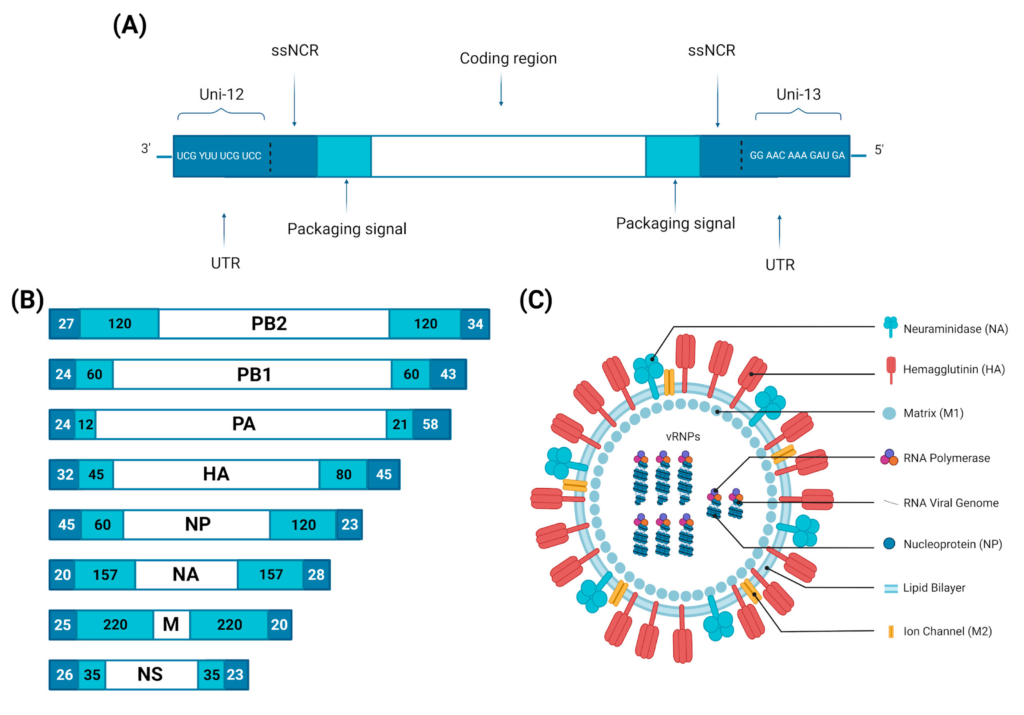
3. Clinical Presentation of Avian-Origin Influenza in Humans
3.1 Symptoms and Severity of Human Infection
Human infection with Avian-Origin Influenza can lead to a wide range of clinical manifestations, varying from mild to severe illness and, in some cases, death. Common symptoms include fever, cough, sore throat, muscle aches, and fatigue. In severe cases, complications such as pneumonia, acute respiratory distress syndrome (ARDS), and multi-organ failure can occur.
3.2 Respiratory Manifestations
Avian-Origin Influenza primarily affects the respiratory system, causing respiratory symptoms such as coughing, shortness of breath, and chest pain. Severe cases may progress rapidly to acute respiratory distress, necessitating intensive care support and ventilation.
3.3 Extra-Respiratory Symptoms
In addition to respiratory symptoms, Avian-Origin Influenza can also present with extra-respiratory symptoms. These may include gastrointestinal symptoms like nausea, vomiting, diarrhea, as well as neurological manifestations such as altered mental status and seizures. The severity and range of symptoms may vary depending on the specific virus subtype and the individual’s immune response.
3.4 Differences Compared to Seasonal Influenza
Avian-Origin Influenza differs from seasonal influenza in terms of its severity and mortality rate. While seasonal influenza affects a large proportion of the population each year, Avian-Origin Influenza has a lower incidence but a higher case fatality rate. This makes early detection and prompt intervention essential to preventing severe outcomes.
4. Outbreaks and Global Spread of Avian-Origin Influenza
4.1 Major Avian Influenza Outbreaks in History
Throughout history, several major outbreaks of Avian-Origin Influenza have caused significant public health concerns. The H5N1 strain, first detected in 1997, has caused multiple outbreaks across Asia, Africa, Europe, and the Middle East, resulting in both bird and human casualties. The H7N9 strain, identified in 2013, has also caused sporadic outbreaks, predominantly in China.
4.2 High-Risk Regions for Human Infection
Certain regions, particularly those with high poultry population densities and inadequate biosecurity measures, are considered high-risk for Avian-Origin Influenza transmission to humans. These regions include parts of Asia, Africa, and the Middle East. However, due to the potential for global spread, surveillance and preparedness efforts need to be a global priority.
4.3 Global Surveillance and Reporting
To mitigate the potential impact of Avian-Origin Influenza, global surveillance and reporting systems are essential. These systems enable early detection and rapid response, which can help prevent outbreaks and minimize the risk to human health. Timely sharing of information and collaboration between countries is critical to effectively monitor and respond to the global spread of Avian-Origin Influenza.
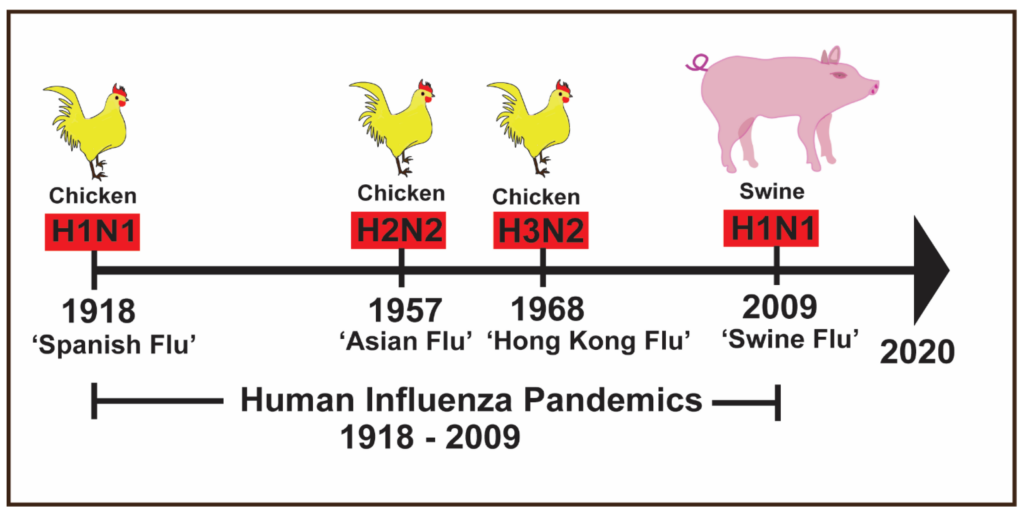
5. Diagnosis and Surveillance of Avian-Origin Influenza in Humans
5.1 Laboratory Tests for Detection
The diagnosis of Avian-Origin Influenza in humans relies on laboratory tests, including molecular assays such as polymerase chain reaction (PCR). These tests detect the presence of specific viral genetic material in respiratory or other clinical samples. Serological tests can also be performed to detect antibodies against Avian-Origin Influenza viruses in blood samples.
5.2 Human Case Reporting and Surveillance
Human case reporting and surveillance systems play a crucial role in tracking the spread of Avian-Origin Influenza infections and assessing their impact on public health. Accurate and timely reporting of suspected and confirmed cases facilitates prompt public health interventions, including contact tracing, monitoring of close contacts, and implementation of control measures.
5.3 Challenges in Surveillance
Surveillance for Avian-Origin Influenza faces several challenges, including underreporting, limited access to diagnostic facilities, and issues with sample collection and transportation. Additionally, the wide range of symptoms and the potential for mild or asymptomatic infections make it difficult to identify every case. Enhanced surveillance systems and capacity building are necessary to overcome these challenges.
6. Treatment and Prevention of Avian-Origin Influenza in Humans
6.1 Antiviral Medications
Antiviral medications, such as oseltamivir and zanamivir, are effective in treating Avian-Origin Influenza infections. Early initiation of treatment is crucial for optimal outcomes. However, the emergence of antiviral resistance poses a challenge, highlighting the need for ongoing monitoring of antiviral susceptibility.
6.2 Supportive Care and Hospitalization
Severe cases of Avian-Origin Influenza require hospitalization and supportive care, including oxygen therapy, fluid management, and treatment of complications such as pneumonia. Intensive care support, including mechanical ventilation, may be necessary in critical cases.
6.3 Vaccines for Avian-Origin Influenza
Vaccination plays a vital role in the prevention and control of Avian-Origin Influenza in humans. Development and deployment of effective vaccines are crucial for protecting high-risk groups, such as poultry workers and healthcare professionals. Close monitoring of circulating strains and continuous vaccine development are critical to ensure preparedness against emerging Avian-Origin Influenza viruses.
6.4 Personal Protective Measures
Implementing personal protective measures can help reduce the risk of Avian-Origin Influenza transmission to humans. These measures include hand hygiene, wearing personal protective equipment (PPE) when in contact with infected birds or their secretions, and practicing respiratory etiquette, such as wearing masks when necessary.

7. Public Health Response to Avian-Origin Influenza Outbreaks
7.1 International and National Guidelines
International organizations, such as the World Health Organization (WHO) and the World Organisation for Animal Health (OIE), provide guidelines and recommendations for the prevention, detection, and control of Avian-Origin Influenza outbreaks. These guidelines are based on the latest scientific evidence and aim to facilitate a coordinated and effective response.
7.2 Surveillance and Monitoring
Surveillance and monitoring systems are vital components of the public health response to Avian-Origin Influenza outbreaks. Early detection of cases, contact tracing, and monitoring the spread of the virus play a crucial role in containing outbreaks and preventing further transmission.
7.3 Quarantine and Isolation Measures
Quarantine and isolation measures are implemented to prevent the spread of Avian-Origin Influenza. Infected individuals, suspected cases, or those in close contact with infected individuals may be isolated to minimize the risk of transmission. Quarantine measures may also be imposed on farms or live poultry markets to limit further spread.
7.4 Risk Communication Strategies
Effective risk communication strategies are necessary to ensure the public is well-informed about Avian-Origin Influenza outbreaks and the associated risks. Timely and transparent communication is essential to gain public trust, promote compliance with control measures, and address misconceptions and fears.
8. Economic Impact of Avian-Origin Influenza on Human Health
8.1 Direct Costs of Healthcare
Avian-Origin Influenza outbreaks can impose a significant economic burden on healthcare systems. The costs associated with diagnosing, treating, and managing infected individuals, as well as the healthcare resources required for outbreak surveillance and control, can be substantial.
8.2 Impact on Agriculture and Food Supply
Avian-Origin Influenza outbreaks can have a devastating impact on the agricultural sector, particularly the poultry industry. Massive culling of infected or potentially exposed birds, trade restrictions, and public concerns about product safety can lead to significant economic losses, disruption of supply chains, and food security challenges.
8.3 Potential for Global Economic Consequences
The global spread of Avian-Origin Influenza and the potential for zoonotic transmission have raised concerns about the potential for global economic consequences. Travel restrictions, trade disruptions, and decreased consumer confidence can have far-reaching economic impacts beyond the affected regions.
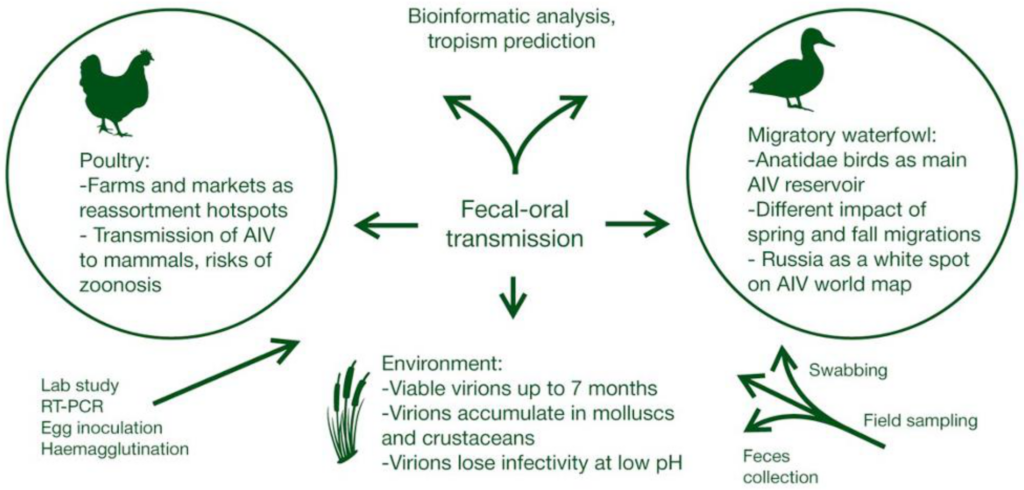
9. Avian Influenza and Pandemic Preparedness
9.1 Lessons from Past Pandemics
Past pandemics, such as the 1918 Spanish flu and more recent outbreaks of influenza, have highlighted the importance of preparedness for Avian-Origin Influenza as a potential pandemic threat. Lessons learned from these events inform strategies for surveillance, early detection, rapid response, and effective public health interventions.
9.2 Global Pandemic Preparedness Plans
Global pandemic preparedness plans, including the WHO’s Global Influenza Strategy, emphasize the need for international cooperation, surveillance networks, and research collaborations to enhance preparedness and response capabilities. These plans aim to improve surveillance, strengthen healthcare systems, and expedite vaccine development and distribution to mitigate the impact of future pandemics.
9.3 Role of Avian-Origin Influenza in Pandemic Potential
Avian-Origin Influenza viruses carry the potential to trigger a global pandemic if they acquire the ability to efficiently transmit among humans. Continuous monitoring of Avian-Origin Influenza strains, research on transmission dynamics, and vaccine development are vital components of pandemic preparedness efforts.
10. Future Directions in Avian-Origin Influenza Research
10.1 Novel Approaches for Prevention and Treatment
Ongoing research is focused on developing novel approaches for the prevention and treatment of Avian-Origin Influenza infections. This includes the development of broad-spectrum antiviral drugs, innovative vaccine platforms, and the exploration of new targets for therapeutic interventions.
10.2 Understanding Avian Influenza Virulence Factors
Advancing our understanding of the virulence factors of Avian-Origin Influenza viruses is crucial for predicting their potential to cause severe disease in humans. Research on viral genetic factors, host immune responses, and viral-host interactions can inform risk assessment and guide the development of targeted interventions.
10.3 One Health Approach for Avian-Origin Influenza
The One Health approach, which recognizes the interconnectedness of human, animal, and environmental health, is essential for addressing the complex challenges posed by Avian-Origin Influenza. Collaboration among human and veterinary health professionals, environmental experts, and other stakeholders is necessary to reduce the risk of transmission and effectively control outbreaks.
In conclusion, Avian-Origin Influenza represents a global public health concern due to its potential to cause severe illness in both birds and humans. Understanding the transmission patterns, clinical presentation, and prevention strategies is vital for effective surveillance, control, and preparedness efforts. Ongoing research and global collaboration are instrumental in mitigating the impact of Avian-Origin Influenza and reducing the risk of a global pandemic.