
Are you or someone you know struggling with ADHD? If so, you may be interested in exploring alternative treatments for this common condition. This article aims to provide a holistic perspective on managing ADHD symptoms, offering insights into various non-pharmaceutical approaches that can complement or even replace traditional medications. From dietary changes to mindfulness practices, we’ll dive into a range of strategies that have shown promising results in alleviating symptoms and enhancing overall well-being. So, let’s embark on this journey together and discover the possibilities that alternative treatments hold for ADHD.

Overview of ADHD
Attention-deficit/hyperactivity disorder (ADHD) is a neurodevelopmental disorder that affects both children and adults. It is characterized by symptoms of inattention, hyperactivity, and impulsivity that can significantly impact daily functioning and quality of life. Understanding the causes, symptoms, and available treatments for ADHD is crucial in finding the right approach for managing the condition effectively.
What is ADHD?
ADHD is a psychiatric disorder that affects the brain’s executive functions, such as attention, organization, and impulse control. Individuals with ADHD often struggle with maintaining focus, staying organized, and controlling impulsive behaviors. This can manifest in various settings, such as school, work, and social situations. It is important to note that ADHD is a diagnosable condition and not simply a result of laziness or lack of discipline.
Symptoms of ADHD
The symptoms of ADHD vary from person to person and can change over time. Inattentive symptoms include difficulty sustaining attention, being easily distracted, forgetfulness, and frequently losing or misplacing items. Hyperactive symptoms may manifest as excessive fidgeting, restlessness, impulsivity, and difficulty staying seated. Combined symptoms involve a combination of both inattentive and hyperactive behaviors.
Causes and risk factors of ADHD
The exact cause of ADHD is still not fully understood, but research suggests that it is most likely due to a combination of genetic, environmental, and neurological factors. Genetic predisposition plays a role, as ADHD tends to run in families. Other factors, such as exposure to certain toxins during pregnancy or early childhood, premature birth, and low birth weight, may also increase the risk of developing ADHD. Additionally, brain structure and function differences have been observed in individuals with ADHD.

Traditional Treatments for ADHD
While there is no cure for ADHD, traditional treatments focus on managing symptoms and improving overall functioning. The most commonly prescribed treatments for ADHD include stimulant medications, non-stimulant medications, and behavioral therapy.
Stimulant medications
Stimulant medications, such as methylphenidate (Ritalin) and amphetamine-based drugs (Adderall), are often prescribed to manage ADHD symptoms. These medications work by increasing the levels of certain chemicals in the brain, improving attention span, and reducing hyperactivity. Stimulant medications have been found to be effective in the majority of individuals with ADHD, but they may have side effects such as decreased appetite, sleep disturbances, and mood changes.
Non-stimulant medications
In cases where stimulant medications are not well-tolerated or ineffective, non-stimulant medications may be considered. These medications include atomoxetine (Strattera) and guanfacine (Intuniv), which work by targeting different neurotransmitters in the brain. Non-stimulant medications are generally milder in terms of side effects, but they can still have potential effects on sleep patterns, appetite, and blood pressure.
Behavioral therapy
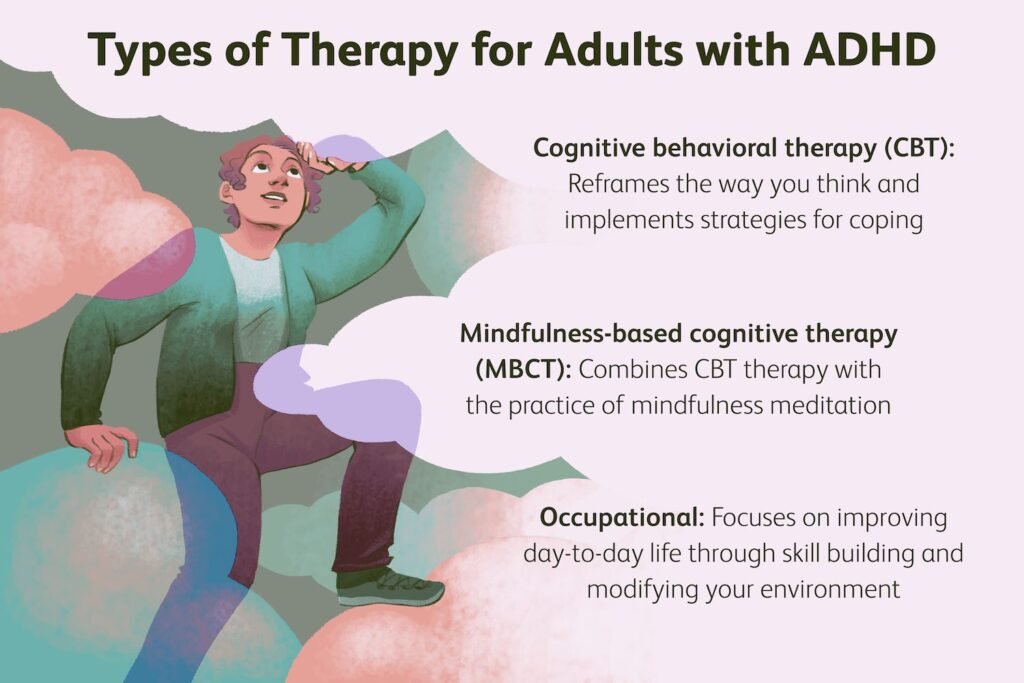
Behavioral therapy is an important component of ADHD treatment, especially for children. It involves teaching individuals and their families coping strategies, behavior management techniques, and organizational skills. Behavioral therapy helps individuals develop better self-control, improve social skills, and enhance overall communication. This therapy can be delivered through individual counseling, group therapy, and even at home or school settings to ensure consistent and effective management of symptoms.
Exploring Alternative Treatments for ADHD
While traditional treatments for ADHD are often the first line of defense, some individuals may seek alternative or complementary approaches to manage their symptoms. It is important to note that these alternative treatments should be approached with caution and discussed with a healthcare professional.
Dietary changes and nutritional supplements
Certain dietary changes and nutritional supplements have been suggested to benefit individuals with ADHD. For example, eliminating or reducing processed foods, artificial additives, and food colorings may lead to improvements in behavior and attention. Additionally, incorporating a well-balanced diet rich in omega-3 fatty acids, vitamins, and minerals may support optimal brain function. It is essential to remember that nutritional interventions may vary in effectiveness from person to person, and consulting with a healthcare provider or nutritionist is advisable.
Behavioral interventions
Behavioral interventions encompass various approaches that focus on modifying behaviors and implementing consistent routines. These interventions can include behavioral therapy techniques, such as reinforcement strategies, reward systems, and time management skills. Implementing structure and visual schedules can help improve organization and reduce distractions. Collaborating with educators, counselors, or therapists can provide additional support in implementing effective behavioral interventions.
Neurofeedback
Neurofeedback is a non-invasive technique that aims to train individuals to regulate their brainwaves through real-time feedback. Electroencephalography (EEG) sensors are used to monitor brain activity, and visual or auditory feedback is provided to help individuals learn to self-regulate their brainwaves. Although research on the effectiveness of neurofeedback for ADHD is still limited, some studies suggest that it may help improve attention and reduce impulsivity. More research is needed to fully understand its long-term benefits.
Mindfulness and meditation
Mindfulness and meditation practices focus on cultivating present-moment awareness and promoting a sense of calm. These practices can help individuals with ADHD develop self-regulation skills, improve attention, and reduce stress levels. Techniques such as deep breathing exercises, guided imagery, and progressive muscle relaxation can be beneficial for both children and adults with ADHD. Incorporating mindfulness and meditation into daily routines can help enhance overall well-being.
Acupuncture
Acupuncture is an ancient Chinese practice that involves the insertion of thin needles into specific points on the body to restore balance and promote healing. Some individuals with ADHD have reported improvements in attention, impulsivity, and hyperactivity after acupuncture sessions. It is important to choose a licensed acupuncturist and discuss the treatment approach with a healthcare provider before considering acupuncture as an alternative treatment option for ADHD.
Homeopathy
Homeopathy is a form of alternative medicine that uses diluted substances to trigger the body’s natural healing response. Some individuals with ADHD have reported positive outcomes with homeopathic remedies. However, it is crucial to approach homeopathy with caution, as there is limited scientific evidence supporting its effectiveness for ADHD. Consulting a qualified homeopathic practitioner is advisable before starting any homeopathic treatments.
Herbal supplements
Certain herbal supplements, such as Ginkgo biloba, St. John’s wort, and ginseng, have been suggested as potential natural remedies for ADHD. However, scientific research on the effectiveness and safety of herbal supplements for ADHD is limited. It is important to consult with a healthcare professional before incorporating any herbal supplements into a treatment plan, as they may interact with other medications or have potential side effects.
Exercise and physical activity
Engaging in regular exercise and physical activity can be beneficial for individuals with ADHD. Physical movement helps release pent-up energy, improves mood, and enhances cognitive function. Activities such as running, swimming, biking, and team sports can provide opportunities for structured physical exertion and social interaction. Encouraging exercise as a part of daily routines can contribute to overall symptom management for individuals with ADHD.
Yoga and Tai Chi
Yoga and Tai Chi are mind-body practices that combine gentle movements, deep breathing, and meditation. These practices can help individuals with ADHD improve balance, flexibility, and concentration. The calming nature of yoga and Tai Chi can contribute to relaxation and stress reduction. Incorporating these practices into a regular routine can provide a holistic approach to managing ADHD symptoms.
Massage therapy
Massage therapy involves manipulating muscles and soft tissues to improve circulation, reduce tension, and promote relaxation. It can help individuals with ADHD by reducing anxiety and improving sleep quality. Massage therapy can be particularly beneficial for children and adults who experience restlessness and sensory sensitivities. However, it is important to consult with a licensed massage therapist or healthcare provider to ensure safe practice.
While traditional treatments for ADHD have proven to be effective for many individuals, alternative treatments may provide additional support in managing symptoms and improving overall well-being. It is important to approach alternative treatments with caution and consult with healthcare professionals to ensure safe and appropriate interventions. Each individual with ADHD is unique, and finding the right combination of treatments requires patience, understanding, and a willingness to explore various options.

Watch This Video Below
Related Terms About Exploring Alternative Treatments for ADHD
Alternative Adhd Treatment Options, Alternative Medicine For Adhd Uk, Alternative Therapies And Adhd, Alternative To Meds For Adhd, Alternative Treatment For Adhd Scholarly Articles, Alternative Treatments For Adhd, Alternative Treatments For Adhd Reddit, Complementary And Alternative Treatments For Childhood Adhd, Other Treatment Options For Adhd, What Is An Alternative Therapy For Adhd