
If you’ve ever wondered why some people seem to have a difficult time staying focused or sitting still, then you may already be familiar with ADHD, or Attention Deficit Hyperactivity Disorder. In this article, we’ll explore the causes, symptoms, and treatment options for ADHD, shedding light on this common but often misunderstood condition. Whether you’re seeking information for yourself or someone you know, this article aims to provide a comprehensive understanding of ADHD and help you navigate the possibilities for managing its challenges. So, let’s dive into the world of ADHD and discover how it impacts daily life.

Causes of ADHD
Genetic factors
ADHD is believed to have a strong genetic component. Research suggests that if a close family member, such as a parent or sibling, has ADHD, you are more likely to develop it yourself. Several genes have been identified as potential contributors to ADHD, but no single gene is solely responsible for the disorder. Rather, it is a complex interaction of multiple genes that may increase the risk.
Brain structure and functioning
Studies have shown that individuals with ADHD may have differences in brain structure and functioning compared to those without the disorder. Specifically, the areas of the brain responsible for attention, impulse control, and executive functions may be underactive or have reduced connectivity. These differences in brain activity may contribute to the symptoms experienced by individuals with ADHD.
Chemical imbalances in the brain
Another possible cause of ADHD is an imbalance of certain neurotransmitters in the brain. Neurotransmitters are chemical messengers that allow communication between brain cells. In individuals with ADHD, there may be lower levels of certain neurotransmitters, such as dopamine and norepinephrine, which play a crucial role in attention and impulse control. These imbalances can affect the ability to regulate thoughts, emotions, and behavior.
Symptoms of ADHD
Inattention
One of the hallmark symptoms of ADHD is inattention. People with this symptom may have difficulty sustaining focus on tasks or activities, struggle to organize or complete tasks, and often make careless mistakes. They may frequently lose things, appear forgetful, and have trouble following instructions. These difficulties with attention can significantly impact academic and occupational performance.
Hyperactivity
Hyperactivity is another primary symptom of ADHD. Individuals with this symptom may constantly feel restless and have an excessive need to be in motion. They may have trouble sitting still, often feel fidgety, or engage in behaviors like tapping or squirming. Hyperactive individuals may seem like they are “on the go” all the time as if driven by a motor.
Impulsivity
Impulsivity is characterized by acting without thinking. Individuals with ADHD may have difficulty controlling their impulses, leading to impulsive behaviors and decision-making. They may interrupt others frequently, have trouble waiting their turn, and make impulsive purchases or choices. These impulsive behaviors can lead to challenges in social relationships, academic settings, and work environments.
Diagnosing ADHD
Medical history and physical examination
To diagnose ADHD, a healthcare professional will typically conduct a thorough medical history evaluation and physical examination. This process helps rule out other possible causes of symptoms and identify any underlying health conditions that may be contributing to ADHD-like symptoms. It is important to provide accurate and detailed information about your symptoms and medical history during this assessment.
Diagnostic criteria
The diagnosis of ADHD follows specific criteria outlined in the Diagnostic and Statistical Manual of Mental Disorders (DSM-5). These criteria include symptoms of inattention, hyperactivity, and impulsivity that have persisted for at least six months and significantly impair functioning in two or more settings, such as home, school, or work. The symptoms must also be present before the age of 12.
Rating scales and questionnaires
In addition to the clinical assessment, rating scales and questionnaires are often used to gather information about an individual’s symptoms and their impact on daily life. These tools, completed by both the individual and their significant others, provide valuable insights into the frequency and severity of ADHD symptoms. They can help form a comprehensive picture of the individual’s struggles and aid in the diagnosis process.
Coexisting Conditions
Oppositional defiant disorder
Oppositional defiant disorder (ODD) commonly coexists with ADHD. Children with ODD display a pattern of hostile and defiant behavior towards authority figures, such as parents or teachers. They may argue, defy rules, and deliberately annoy others. The presence of ODD can complicate the management of ADHD and may require additional interventions and support.
Conduct disorder
Conduct disorder is another coexisting condition often seen in individuals with ADHD. It involves more serious antisocial behaviors, such as aggression towards people or animals, destruction of property, and a disregard for rules and societal norms. Effective management of ADHD combined with conduct disorder may necessitate a comprehensive treatment approach involving therapy, medication, and support services.
Anxiety and depression
People with ADHD may also experience anxiety and depression as coexisting conditions. The challenges and impairments associated with ADHD, such as academic difficulties and relationship problems, can contribute to feelings of frustration, low self-esteem, and sadness. It is essential to address these mental health concerns alongside the management of ADHD symptoms.

Impact of ADHD
Academic difficulties
ADHD can significantly impact academic performance. Difficulties with attention, impulse control, and organization can make it challenging to follow instructions, complete assignments, and maintain focus in the classroom. This can result in poor grades, incomplete work, and increased frustration for both the individual with ADHD and their teachers.
Relationship and social challenges
The symptoms of ADHD can also affect relationships and social interactions. Inattention, impulsivity, and hyperactivity can make it challenging to listen, take turns in conversations, and consider the feelings of others. Individuals with ADHD may struggle with social cues, have trouble making and keeping friends, and experience frequent conflicts with peers or family members.
Emotional and mental health complications
Living with ADHD can take a toll on emotional and mental well-being. The frustration and difficulties associated with managing symptoms can lead to feelings of low self-esteem, shame, and a sense of being different from others. Untreated ADHD can also increase the risk of developing anxiety disorders, depression, and other mental health conditions. It is crucial to address the emotional and psychological impact of ADHD to support overall well-being.
Medication Options
Stimulant medications
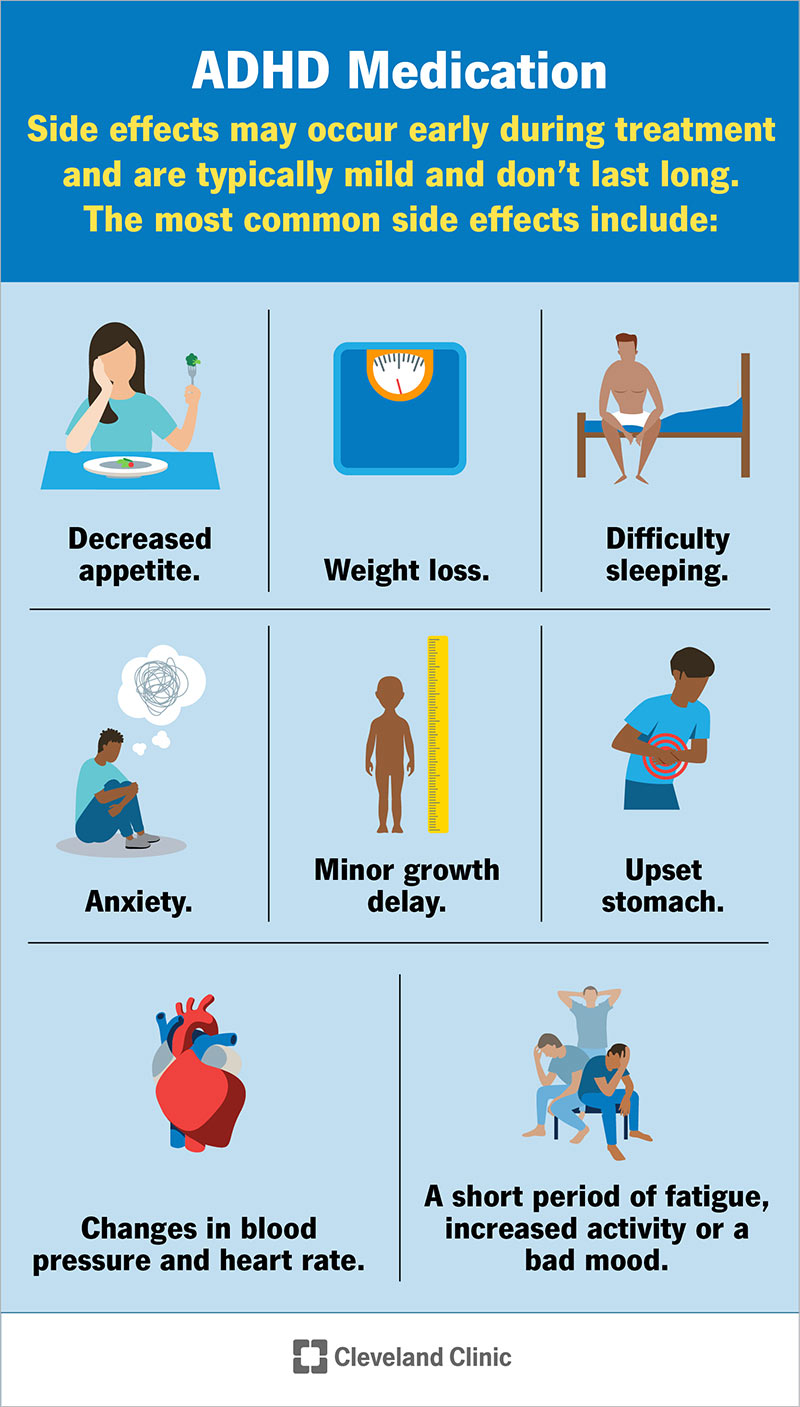
Stimulant medications are commonly prescribed to manage ADHD symptoms. These medications work by increasing levels of dopamine and norepinephrine in the brain, helping to improve attention, impulse control, and hyperactivity. Examples of stimulant medications include methylphenidate (Ritalin) and amphetamine (Adderall). They can be effective in reducing ADHD symptoms, but they may also have side effects such as decreased appetite and difficulty sleeping.
Non-stimulant medications
Non-stimulant medications are an alternative for those who do not tolerate or respond well to stimulant medications. These medications, such as atomoxetine (Strattera) and guanfacine (Intuniv), work on different neurotransmitters in the brain to regulate attention and impulse control. They may be prescribed as standalone options or used in combination with stimulant medications to enhance treatment effectiveness.
Side effects and considerations
It is essential to discuss the potential side effects, benefits, and risks of medication options with a healthcare professional. Stimulant medications can have side effects such as increased heart rate, headache, and mood changes. Non-stimulant medications may cause side effects such as stomach upset, drowsiness, or dizziness. Individual response to medication can vary, and finding the right dosage and medication combination may require ongoing monitoring and adjustment.

Behavioral and Psychological Therapies
Parent training and education
Parent training programs are designed to equip parents with strategies and techniques to manage their child’s ADHD symptoms effectively. These programs provide education on understanding ADHD, promoting positive behaviors, establishing routines, and implementing consistent discipline strategies. By learning how to support their child’s development and manage challenging behaviors, parents can play a crucial role in managing the impact of ADHD.
Behavior therapy
Behavior therapy focuses on modifying and reinforcing desired behaviors while reducing problem behaviors associated with ADHD. This therapy involves setting clear expectations, implementing reward systems, and utilizing techniques such as self-monitoring and organization training. The goal is to teach individuals with ADHD specific skills and strategies to manage their symptoms and improve their overall functioning.
Social skills training
Social skills training helps individuals with ADHD develop appropriate social behaviors, communication skills, and problem-solving abilities. Through role-playing, modeling, and feedback, individuals learn how to navigate social interactions, establish and maintain friendships, and resolve conflicts effectively. Social skills training can enhance self-esteem, promote positive relationships, and reduce feelings of social exclusion.
Educational Approaches
Individualized Education Program (IEP)
For students with ADHD, an Individualized Education Program (IEP) can provide tailored academic accommodations and support. An IEP is a legal document that outlines specific educational goals, instructional strategies, and related services, such as additional time for assignments or preferential seating in the classroom. By addressing the unique needs of the student, an IEP can help optimize learning and academic success.
504 Plan
Similar to an IEP, a 504 Plan is an accommodation plan that outlines specific adjustments and services to support students with ADHD. Unlike an IEP, a 504 Plan does not require a diagnosis of a specific learning disability. It is typically utilized for students who require fewer accommodations but still benefit from adjustments in the classroom environment, such as extended time on tests or modified assignments.
Classroom accommodations
In addition to individualized plans, classroom accommodations can play a significant role in supporting students with ADHD. These accommodations may include preferential seating to minimize distractions, breaking down tasks into smaller, manageable parts, and providing additional organizational tools like planners or checklists. By creating an environment that promotes focus and reduces distractions, students with ADHD can better engage in learning.

Lifestyle Modifications
Exercise and physical activity
Regular exercise and physical activity can benefit individuals with ADHD in several ways. Exercise helps release neurotransmitters in the brain that contribute to attention and mood regulation. Engaging in physical activity also provides an outlet for excess energy, reduces restlessness, and promotes better sleep. Incorporating exercise as part of a daily routine can help manage ADHD symptoms and improve overall well-being.
Healthy diet
While there is no specific ADHD diet, adopting a healthy and balanced eating plan can support overall brain health and potentially reduce symptoms. A diet rich in fruits, vegetables, lean proteins, and whole grains provides essential nutrients for optimal brain function. Avoiding excessive consumption of processed foods, sugar, and caffeine can help minimize fluctuations in energy levels and potential exacerbation of ADHD symptoms.
Establishing routines
Establishing consistent routines and structure can be beneficial for individuals with ADHD. Having predictable daily schedules and well-defined routines for various activities, such as homework or bedtime, can help minimize distractions and increase organization. Visual aids, timers, and reminders can assist in keeping individuals on track and reducing forgetfulness or disorganization.
Support and Resources
Support groups
Connecting with others who understand the challenges of ADHD can provide valuable support and a sense of community. Support groups, whether in-person or online, offer a safe space for individuals with ADHD, parents, and caregivers to share experiences, gain insights, and learn coping strategies. Support groups can empower individuals and their families by fostering a sense of belonging and providing emotional support.
Educational resources
Numerous educational resources are available to help individuals and their families better understand ADHD and its management. Websites, books, and educational materials provide information on ADHD symptoms, treatment options, and strategies for coping with challenges. These resources help individuals and their families stay informed, enhance their knowledge, and make informed decisions about managing ADHD.
Parent and teacher training programs
Parent and teacher training programs can equip parents and educators with tools and strategies to support individuals with ADHD in various settings. These training programs teach techniques for managing behavior, implementing accommodations, and promoting academic success. By enhancing the knowledge and skills of parents and teachers, these programs contribute to a positive and supportive environment for individuals with ADHD.
Understanding ADHD: Causes, Symptoms, and Treatment Options
ADHD, or Attention Deficit Hyperactivity Disorder, is a neurodevelopmental disorder that affects both children and adults. It is characterized by symptoms of inattention, hyperactivity, and impulsivity that can significantly impact daily functioning. While the exact cause of ADHD is unknown, several factors are believed to contribute to its development.
Genetic factors play a significant role in the development of ADHD. Research suggests that if a close family member has ADHD, you are more likely to develop it as well. While specific genes have been implicated, ADHD is a complex disorder influenced by multiple genes. Brain structure and functioning also contribute to the development of ADHD. Individuals with ADHD may exhibit differences in brain areas responsible for attention and impulse control. Additionally, chemical imbalances in the brain, particularly involving neurotransmitters like dopamine and norepinephrine, may contribute to the symptoms experienced by individuals with ADHD.
Symptoms of ADHD can manifest in various ways, and understanding these symptoms is crucial for diagnosis and treatment. Inattention is a primary symptom, characterized by difficulty sustaining focus, organizing tasks, and following instructions. Hyperactivity is another common symptom, with individuals feeling restless and constantly on the move. Impulsivity, acting without thinking, is another core symptom of ADHD.
Diagnosing ADHD involves a comprehensive assessment that includes a medical history evaluation and physical examination. Healthcare professionals will consider diagnostic criteria outlined in the DSM-5, which include persistence of symptoms for at least six months and impairment in multiple settings. Rating scales and questionnaires are useful tools to gather information about the frequency and severity of symptoms.
ADHD often coexists with other conditions, such as oppositional defiant disorder (ODD), conduct disorder, anxiety, and depression. These coexisting conditions can complicate the management of ADHD symptoms and require additional interventions and support.
The impact of ADHD extends beyond the individual and affects various aspects of life. In an academic setting, individuals with ADHD may struggle with attention, organization, and following instructions, leading to academic difficulties. Relationships and social interactions can also be challenging due to difficulties such as poor impulse control and inattention to social cues. The emotional and mental health of individuals with ADHD may be compromised, leading to low self-esteem, frustration, and an increased risk of anxiety and depression.
Treatment options for ADHD include medication, behavioral and psychological therapies, educational approaches, and lifestyle modifications. Stimulant medications, such as methylphenidate and amphetamine, increase neurotransmitter levels and can effectively manage ADHD symptoms. Non-stimulant medications, like atomoxetine and guanfacine, target different neurotransmitters and may be used as alternatives or in combination with stimulant medications.
Behavioral and psychological therapies are vital components of ADHD treatment. Parent training programs and behavior therapy provide strategies for managing symptoms and promoting positive behaviors. Social skills training helps individuals develop appropriate social behaviors and improve interpersonal relationships.
In an educational setting, individualized plans like IEPs and 504 Plans offer accommodations and support to optimize learning for students with ADHD. Classroom accommodations, such as preferential seating and modified assignments, also contribute to a more inclusive and conducive learning environment.
Lifestyle modifications, like regular exercise, a healthy diet, and establishing routines, can play a significant role in managing ADHD symptoms. Exercise releases neurotransmitters that promote attention and mood regulation, while a balanced diet supports optimal brain function. Consistent routines help minimize distractions and increase organization.
Support groups, educational resources, and parent and teacher training programs are valuable sources of support and information for individuals with ADHD and their families. Connecting with others who understand the challenges of ADHD can provide emotional support and a sense of belonging. Educational resources help individuals stay informed and make informed decisions about managing ADHD, while training programs empower parents and teachers with effective strategies.
Understanding the causes, symptoms, and treatment options for ADHD is crucial for individuals with the disorder and their families. ADHD is a complex neurodevelopmental disorder influenced by genetic factors, brain structure and functioning, and chemical imbalances in the brain. Symptoms of inattention, hyperactivity, and impulsivity impact various aspects of life, including academics, relationships, and emotional well-being. Treatment options include medication, behavioral and psychological therapies, educational approaches, and lifestyle modifications. By utilizing a comprehensive and tailored approach to treatment, individuals with ADHD can effectively manage their symptoms and thrive in their everyday lives.
Watch This Video Below
Related Terms About Understanding ADHD
Adhd Masking, Adhd Understanding Consequences, Adhd Understanding It, Understanding Adhd, Understanding Adhd Adults, Understanding Adhd Book, Understanding Adhd Brain, Understanding Adhd Child, Understanding Adhd Course, Understanding Adhd Courses