
Are you aware of the alarming rise in dengue fever cases worldwide? With its debilitating symptoms and potential to become life-threatening, the urgent need for effective treatments has never been greater. In this article, we will delve into the various approaches being explored by scientists and medical experts to combat this relentless disease. From antiviral drugs that target the dengue virus to promising vaccines currently in development, join us on this journey as we uncover the latest advancements in the fight against dengue fever. Prepare to be enlightened and empowered to protect yourself and your loved ones from this pervasive illness.
Overview of Dengue Fever
Dengue Fever is a viral illness that is primarily transmitted through the bite of infected Aedes mosquitoes. It is a widespread disease, particularly in tropical and subtropical regions of the world. Understanding the various aspects of Dengue Fever, including its symptoms, transmission, preventive measures, and treatment options, is crucial in tackling this debilitating illness.
What is Dengue Fever?
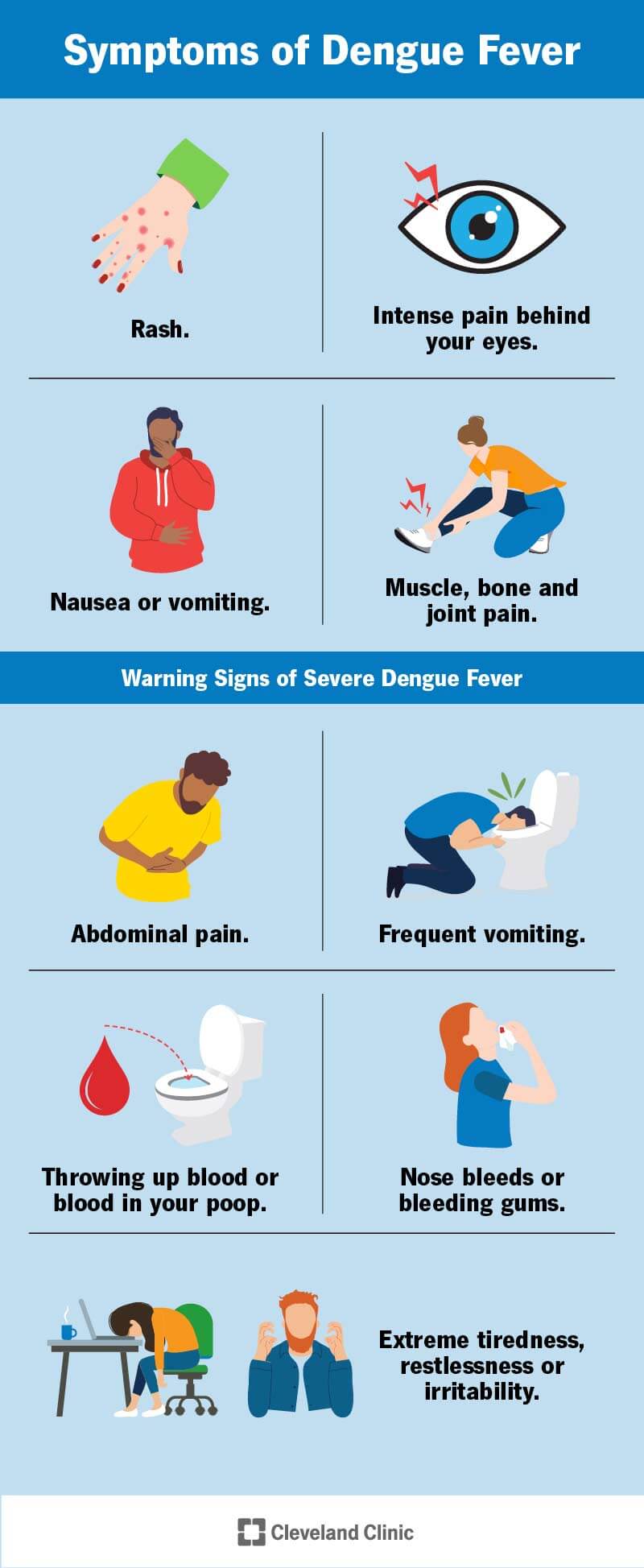
Dengue Fever, also known as breakbone fever, is caused by the Dengue virus that belongs to the Flaviviridae family. There are four serotypes of the virus, namely DENV-1, DENV-2, DENV-3, and DENV-4, each capable of causing the disease. Dengue Fever is characterized by sudden onset of symptoms, such as high fever, severe headache, joint and muscle pain, rash, and mild bleeding.
Symptoms of Dengue Fever
The symptoms of Dengue Fever can vary from mild to severe. In mild cases, individuals may experience fever, headache, and body aches, similar to flu-like symptoms. However, severe cases can lead to Dengue Hemorrhagic Fever (DHF) or Dengue Shock Syndrome (DSS). These severe forms of the disease can result in organ damage, internal bleeding, and even death.
Transmission of Dengue Fever
Dengue Fever is primarily transmitted through the bite of infected Aedes mosquitoes, primarily Aedes aegypti and Aedes albopictus. These mosquitoes are most active during the day, especially in the early morning and late afternoon. They breed in stagnant water and can survive in both urban and rural areas. Besides mosquitoes, Dengue Fever can also be transmitted through blood transfusion and organ transplantation.
Preventive Measures for Dengue Fever
Preventing the transmission of Dengue Fever is crucial in controlling the spread of the disease. Effective preventive measures focus on vector control, personal protective measures, and community engagement.
Vector Control Measures
Vector control plays a vital role in preventing the transmission of Dengue Fever. Measures such as removing stagnant water sources, using larvicides and insecticides, and implementing effective waste management systems can help eliminate mosquito breeding sites. Furthermore, community awareness and participation in identifying and eliminating potential breeding grounds can significantly contribute to vector control efforts.
Personal Protective Measures
Taking personal protective measures is essential in reducing the risk of getting infected with Dengue Fever. These measures include wearing protective clothing, using mosquito repellents, and sleeping under mosquito nets. Additionally, individuals should avoid outdoor activities during peak mosquito activity hours and ensure proper screening of windows and doors to prevent mosquito entry into living spaces.
Community Engagement
Community engagement plays a vital role in preventing Dengue Fever. Raising awareness about the disease and its preventive measures in communities, schools, and workplaces can empower individuals to take necessary precautions. Community-led initiatives, such as cleaning campaigns and organizing programs to eliminate mosquito breeding sites, can have a significant impact on reducing the spread of Dengue Fever.

Supportive Care for Dengue Fever
While there is no specific antiviral treatment for Dengue Fever, supportive care plays a crucial role in managing the illness and alleviating symptoms.
Fluid Replacement Therapy
Fluid replacement therapy is a cornerstone in the management of Dengue Fever. Adequate hydration is essential to counteract the potential dehydration caused by high fever and sweating. Oral rehydration solutions or, in severe cases, intravenous fluids are administered to maintain electrolyte balance and prevent complications.
Pain and Fever Management
To relieve pain and reduce fever, over-the-counter pain relievers such as acetaminophen (paracetamol) are commonly used. Anti-inflammatory drugs like ibuprofen should be avoided as they may increase the risk of bleeding. It is important to consult a healthcare professional for appropriate pain and fever management during Dengue Fever.
Rest and Hydration
Resting and maintaining proper hydration are essential aspects of supportive care for Dengue Fever. Adequate rest helps the body recover and recuperate from the illness, while hydration ensures the body’s overall well-being. Consuming a balanced diet and increasing fluid intake, including water and electrolyte-rich beverages, promotes recovery.
Antiviral Medications
Although there are currently no specific antiviral drugs to treat Dengue Fever, research is ongoing to explore the effectiveness of potential antiviral treatments.
Effectiveness of Antiviral Drugs
Antiviral drugs specifically targeting the Dengue virus are currently under investigation. These drugs aim to inhibit viral replication and reduce the severity of the disease. Early experimental studies have shown promise, but further research is needed to establish their effectiveness and safety in human trials.
Commonly Used Antiviral Drugs
Several antiviral drugs, already approved for other viral infections, are being repurposed for potential use in treating Dengue Fever. These drugs include ribavirin, interferon-alpha, and ivermectin. While results from various studies are promising, further research is required to determine their efficacy against Dengue Fever.

Immunotherapy for Dengue Fever
Immunotherapy, including monoclonal antibodies and vaccines, offers potential avenues for the prevention and treatment of Dengue Fever.
Monoclonal Antibodies
Monoclonal antibodies, developed through biotechnology, are engineered to neutralize the Dengue virus and prevent its replication. These antibodies can enhance the immune system’s ability to combat the infection. While monoclonal antibodies show promise, their development and deployment on a larger scale require further research and regulatory approval.
Vaccines
Development of safe and effective vaccines is considered the most effective long-term solution to prevent Dengue Fever. Several vaccines have been developed and are currently in various stages of clinical trials. These vaccines aim to provide immunity against all four serotypes of the Dengue virus and reduce the risk of severe disease outcomes.
Alternative and Complementary Treatments
In addition to conventional treatments, certain alternative and complementary treatments have been explored for their potential in managing Dengue Fever.
Herbal Remedies
Traditional herbal remedies have long been used in many cultures to relieve symptoms and boost immunity. Some herbs, such as papaya leaf extract and neem, have shown potential in reducing the severity of Dengue Fever symptoms. However, further scientific research is needed to validate their efficacy and safety.
Traditional Medicine
Traditional medicines, derived from various medicinal systems such as Ayurveda, Traditional Chinese Medicine, and Indigenous healing practices, have been explored for their potential in Dengue Fever management. These practices often involve a combination of herbal preparations, dietary modifications, and lifestyle changes. While traditional medicine can provide supportive care, it is essential to consult qualified practitioners and consider their approach alongside conventional treatments.

Experimental Treatments
In the pursuit of effective treatments for Dengue Fever, various experimental approaches are being explored.
Convalescent Plasma Therapy
Convalescent plasma therapy involves the transfusion of blood plasma from recovered Dengue Fever patients to individuals currently infected with the virus. The plasma contains antibodies that can potentially neutralize the virus and boost the immune response. Preliminary studies have shown promising results, but further research is needed to establish its efficacy and safety.
Gene Therapy
Gene therapy, a cutting-edge medical approach, involves modifying an individual’s genetic material to enhance their immune response against the Dengue virus. This includes strategies to increase the production of antibodies or introduce genetic modifications to prevent viral replication. While gene therapy holds potential, it is still in the early stages of development and requires extensive research and clinical trials.
Diagnostic Tools for Dengue Fever
Accurate and timely diagnosis of Dengue Fever is crucial for effective management and treatment. Several diagnostic tools are available to detect the presence of the Dengue virus in the body.
Rapid Diagnostic Tests
Rapid diagnostic tests are commonly used to identify the presence of specific viral antigens or antibodies in a patient’s blood sample. These tests are relatively easy to use and provide quick results, enabling healthcare providers to initiate appropriate treatment promptly.
Polymerase Chain Reaction (PCR)
Polymerase chain reaction (PCR) is a sensitive laboratory technique that can detect and amplify the genetic material (RNA) of the Dengue virus. PCR can accurately determine the serotype of the virus and is particularly useful in confirming cases during the early stages of infection.
ELISA
Enzyme-linked immunosorbent assay (ELISA) is a commonly employed laboratory test to detect the presence of Dengue-specific antibodies in blood samples. This test helps determine if an individual has been previously exposed to the virus and has developed antibodies against it.

Challenges in Dengue Fever Treatment
While progress has been made in understanding and treating Dengue Fever, several challenges persist, hindering effective management of the disease.
Delayed Diagnosis
Delayed diagnosis is a significant challenge in Dengue Fever treatment. The symptoms of Dengue Fever can be similar to other viral infections, leading to misdiagnosis and delayed treatment initiation. Improving access to accurate diagnostic tests and raising awareness among healthcare professionals can help address this challenge.
Resistance to Antiviral Drugs
As with other infectious diseases, the development of drug resistance is a concern in Dengue Fever treatment. Viral mutations can render antiviral drugs less effective, limiting treatment options. Continued research and vigilant monitoring of viral strains are critical to overcome potential drug resistance.
Limited Access to Healthcare
Limited access to healthcare, particularly in resource-constrained settings, is a significant obstacle in Dengue Fever treatment. Prompt access to healthcare facilities, skilled medical professionals, and appropriate diagnostic tools and treatments is essential in managing the disease effectively. Strengthening healthcare infrastructure and increasing awareness about Dengue Fever can help address this challenge.
Conclusion
Effectively managing Dengue Fever requires a comprehensive approach that encompasses preventive measures, supportive care, potential antiviral medications, immunotherapy, diagnostic tools, and addressing the challenges associated with treatment. By focusing on vector control, personal protective measures, community engagement, and advancing research and development in treatment options, we can strive towards reducing the burden of Dengue Fever and improving the health and well-being of individuals affected by this disease.