
Dengue, a viral infection transmitted by mosquitoes, is a cause of concern in many parts of the world. With its prevalence in tropical and subtropical regions, it’s crucial to understand the symptoms, causes, and prevention methods associated with this disease. By recognizing the early signs, identifying the root causes, and implementing effective preventive measures, you can play an essential role in protecting yourself and your community from the potentially severe effects of dengue. So, let’s explore the world of dengue and equip ourselves with the knowledge to stay safe and healthy.
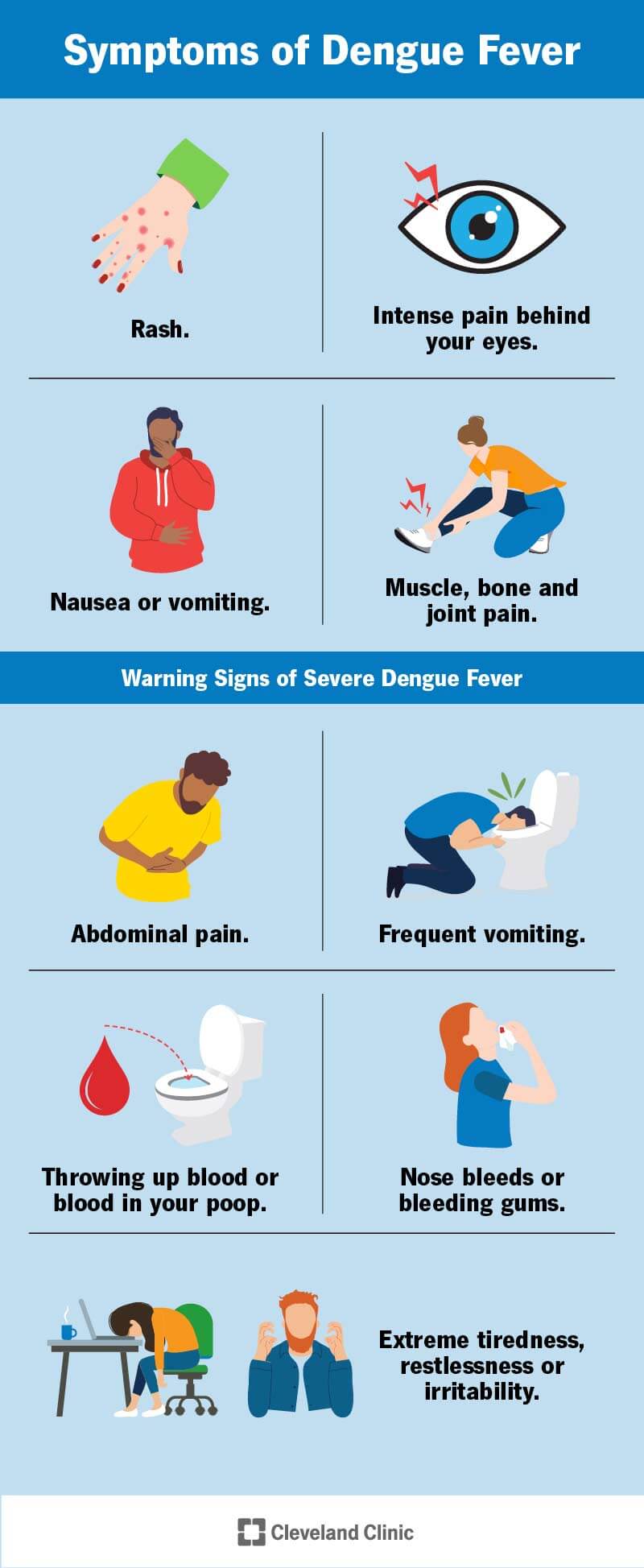
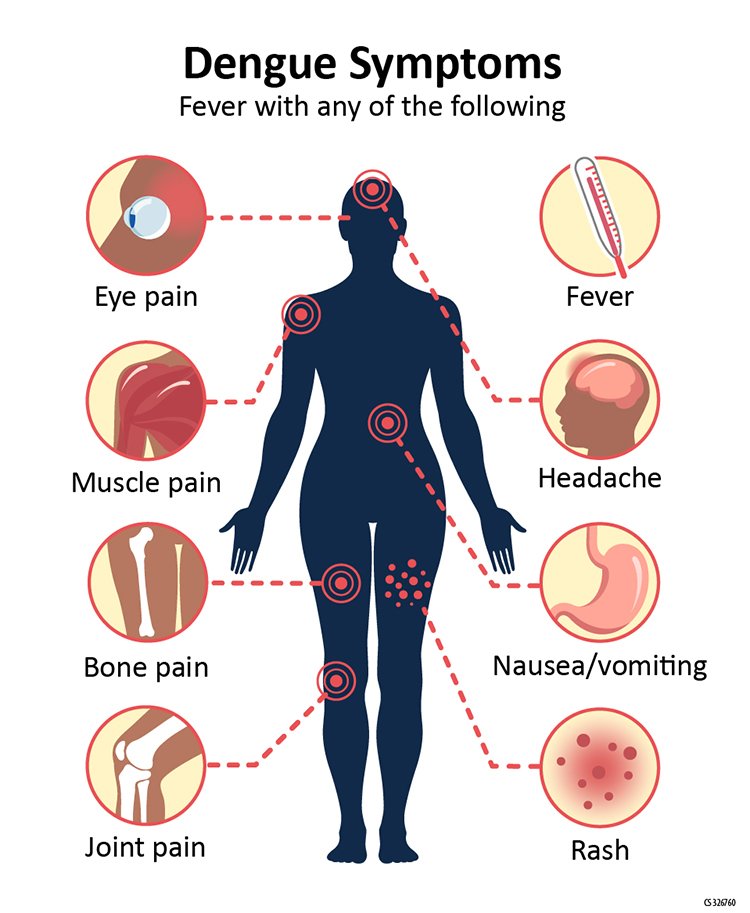
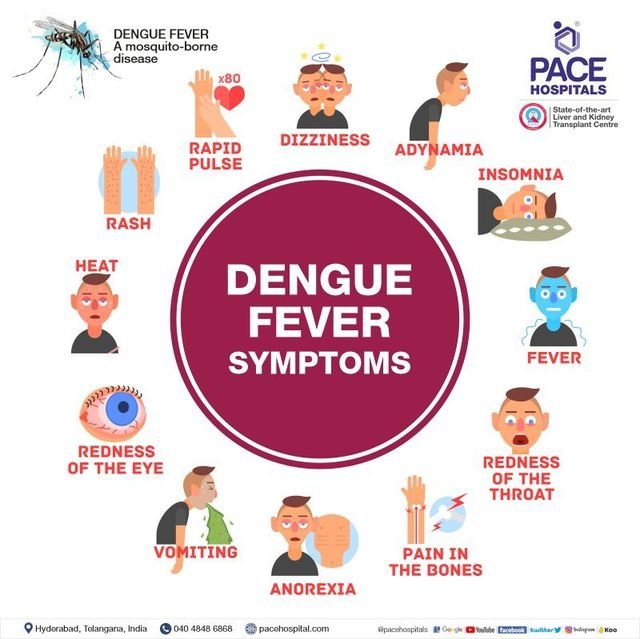
Symptoms of Dengue
Dengue is a viral illness that can cause a range of symptoms. The most common symptom is fever, which is often accompanied by severe headache. You may also experience joint and muscle pain, making it difficult to move or carry out everyday activities. A rash may develop on your body, particularly on your arms, legs, and face. Additionally, you may notice bleeding and bruising, which can occur spontaneously or as a result of minor injuries. If you experience any of these symptoms, it is important to seek medical attention as soon as possible.
Causes of Dengue
Dengue is caused by the Dengue virus, which is primarily transmitted through the bites of infected Aedes mosquitoes. These mosquitoes are known to be active during the day and are commonly found in tropical and subtropical regions. When a mosquito bites a person infected with the Dengue virus, it becomes infected itself. The mosquito can then transmit the virus to another person through its bite. It is important to be aware of the causes of Dengue in order to take appropriate preventive measures.
Transmission of Dengue
The transmission of Dengue occurs through the interaction between the mosquito vector and humans. A mosquito becomes infected with the Dengue virus after biting an infected person. Once infected, the mosquito can transmit the virus to another person it bites. This cycle of transmission from human to mosquito to human is how Dengue spreads within a community. It is important to note that Dengue is not directly transmitted from person to person. Understanding the transmission of Dengue can help in implementing effective control measures.
Diagnosis of Dengue
Diagnosing Dengue involves a combination of physical examination and laboratory tests. During a physical examination, a healthcare professional will assess your symptoms and check for any signs of Dengue. They may also inquire about your medical history and recent travels to determine if you may have been exposed to the virus. Laboratory tests, such as blood tests, can confirm the presence of the Dengue virus in your body. These tests may also help determine the severity of the infection. Seeking prompt diagnosis is crucial for appropriate management and treatment.
Complications of Dengue
While most cases of Dengue are mild and resolve on their own, some individuals may develop severe complications. Dengue Hemorrhagic Fever is a rare but severe form of Dengue that can lead to bleeding, organ damage, and even death if not treated promptly. Another complication is Dengue Shock Syndrome, which involves a sudden drop in blood pressure that can be life-threatening. These complications require immediate medical attention and may involve hospitalization. It is important to be aware of the potential complications of Dengue and seek medical care if necessary.
Treatment for Dengue
There is no specific antiviral treatment available for Dengue, and most cases can be managed with supportive care. Resting, staying hydrated, and taking over-the-counter pain relief medications can help alleviate symptoms and promote recovery. In severe cases, hospitalization may be required for closer monitoring and fluid replacement therapy. This involves replenishing fluids and electrolytes to maintain proper hydration. Pain relief medications and other supportive measures are also provided to ensure the patient’s comfort and recovery.

Prevention of Dengue
Preventing Dengue primarily involves taking measures to control mosquito populations and reduce the risk of mosquito bites. The elimination of mosquito breeding sites is crucial, as Aedes mosquitoes lay their eggs in stagnant water. It is important to regularly empty and clean containers that can collect water, such as flower pots, buckets, and vases. Using mosquito repellents, particularly those containing DEET, can provide additional protection against mosquito bites. Wearing protective clothing, such as long sleeves and pants, can also help reduce the risk of mosquito bites.
Vaccines for Dengue
As of now, the only available vaccine for Dengue is Dengvaxia. This vaccine has been approved for use in certain countries and is recommended for individuals aged 9 to 45 years who live in areas with a high incidence of Dengue. Dengvaxia provides partial protection against all four serotypes of the Dengue virus and is administered in multiple doses. It is important to consult with a healthcare professional to determine if the Dengue vaccine is appropriate for you based on your age, location, and other factors.

Public Health Measures
Surveillance and control programs play a crucial role in managing and preventing the spread of Dengue. Public health authorities monitor levels of Dengue activity, identify high-risk areas, and implement targeted control measures, such as mosquito control programs and insecticide spraying. Health education and awareness campaigns are also essential in promoting preventive measures and informing the public about the symptoms and risks of Dengue. Through collaborative efforts between healthcare providers, government agencies, and communities, the impact of Dengue can be minimized.
Global Impact of Dengue
Dengue has a significant global impact, both in terms of the disease burden it imposes on communities and the economic implications it carries. The World Health Organization estimates that there are approximately 390 million Dengue infections worldwide each year, with about 96 million cases showing clinical manifestations. Dengue can place a strain on healthcare systems, leading to increased hospitalizations and healthcare costs. The economic burden is further amplified by the loss of productivity due to illness and the burden on individuals and families affected by Dengue. Addressing Dengue on a global scale requires continued research, collaboration, and investment in prevention and control measures.
In conclusion, understanding the symptoms, causes, and prevention of Dengue is crucial in combating this viral illness. Being aware of the symptoms allows for early detection and prompt medical attention, reducing the risk of complications. By eliminating mosquito breeding sites, using repellents, and wearing protective clothing, individuals can significantly reduce their risk of contracting Dengue. Vaccination, when available and recommended, can provide an additional layer of protection. Public health measures, such as surveillance programs and health education campaigns, play a vital role in controlling the spread of Dengue and minimizing its impact on communities worldwide. By working together, we can strive towards a Dengue-free future.