
Have you or someone you know been diagnosed with acoustic neuroma? If so, you may be curious about the available non-surgical treatments for this condition. Acoustic neuroma, also known as vestibular schwannoma, is a benign tumor that grows on the nerve responsible for balance and hearing. While surgery is a common treatment option, there are also non-surgical alternatives that can effectively manage the symptoms and slow down the tumor’s growth. In this article, we will explore some of these non-surgical treatments, providing you with valuable information to make informed decisions about your healthcare journey.
I. Overview of Acoustic Neuroma
Welcome to this comprehensive article on acoustic neuroma, a condition that affects the nerves responsible for hearing and balance. In this article, we will explore the causes, symptoms, diagnosis, and various treatment options available for acoustic neuroma.
A. Definition and Causes
Acoustic neuroma, also known as vestibular schwannoma, is a non-cancerous tumor that develops on the eighth cranial nerve, which connects the inner ear to the brain. These tumors usually grow slowly and are often benign, but they can still cause complications due to their size and location.
The exact cause of acoustic neuroma is typically unknown. However, research suggests that it may result from a combination of genetic factors, exposure to loud noises, and radiation therapy to the head and neck. Some rare genetic conditions, such as neurofibromatosis type 2 (NF2), can also increase the risk of developing acoustic neuroma.
B. Symptoms and Diagnosis
The symptoms of acoustic neuroma can vary depending on the size and location of the tumor. Common symptoms include gradual hearing loss, tinnitus (ringing in the ears), dizziness, imbalance, and difficulty with coordination. In some cases, the tumor may also compress nearby nerves, leading to facial numbness or weakness.
To diagnose acoustic neuroma, your healthcare provider will typically conduct a thorough medical history review and physical examination. They may also recommend hearing tests, such as audiometry and auditory brainstem response (ABR), to assess the extent of hearing loss and detect any abnormalities. Additionally, imaging tests like magnetic resonance imaging (MRI) can provide detailed images of the tumor and help with accurate diagnosis.
C. Treatment Options
Treatment options for acoustic neuroma can be divided into surgical and non-surgical approaches, depending on the individual’s specific circumstances. The choice of treatment depends on several factors, including tumor size, location, and the patient’s overall health.
II. Surgical Treatments
Surgical treatments involve the removal of the acoustic neuroma through various approaches. The type of surgery recommended will often depend on the tumor’s size, location, and the patient’s overall hearing status.
A. Translabyrinthine Surgery
Translabyrinthine surgery involves removing the tumor through an incision made behind the ear. This approach is commonly used for larger tumors and patients with little to no hearing in the affected ear. Since the surgery involves removing the entire inner ear structure, patients may experience complete hearing loss in the operated ear.
B. Middle Fossa Surgery
Middle fossa surgery targets tumors located in the internal auditory canal. This approach aims to preserve hearing by accessing the tumor through a small incision above the ear. Middle fossa surgery is typically suitable for small tumors and patients with preserved hearing in the affected ear.
C. Retrosigmoid Surgery
Retrosigmoid surgery involves removing the tumor through an incision made behind the ear. This approach provides access to tumors located near the brainstem. If the tumor hasn’t affected hearing significantly, preservation of hearing may be possible with this surgery.

III. Non-Surgical Treatments
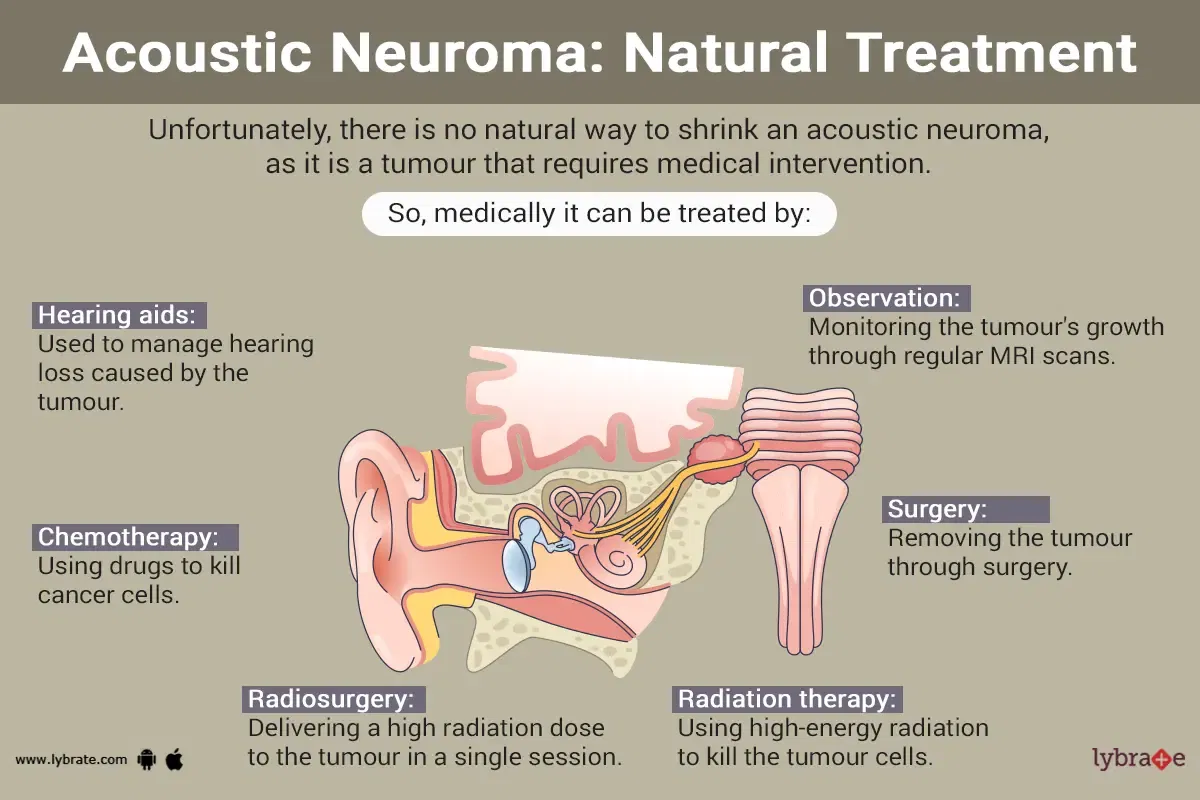
Non-surgical treatments are appropriate for patients with small tumors, those who are unable to undergo surgery due to health reasons, or those who wish to avoid the potential risks associated with surgery. These treatment options aim to control tumor growth and manage symptoms without physical removal.
A. Watchful Waiting
Watchful waiting, also known as observation or surveillance, involves monitoring the tumor’s growth over time without initiating active treatment. Regular imaging tests are performed to track the tumor’s size and make informed decisions about potential treatment if necessary. This approach is best suited for small tumors with minimal or no symptoms.
B. Stereotactic Radiosurgery
Stereotactic radiosurgery (SRS) is a non-invasive treatment that uses focused radiation beams to target and destroy the tumor cells. This procedure is performed in a single session and doesn’t involve surgical incisions. SRS aims to halt tumor growth by damaging the DNA of tumor cells, preventing them from reproducing. It is particularly effective for small- to medium-sized tumors.
C. Radiotherapy
Radiotherapy, also known as external beam radiation therapy, involves delivering precise radiation doses to the tumor over multiple sessions. Unlike SRS, which delivers radiation in a single session, radiotherapy requires several weeks of treatment. Radiotherapy can help slow down tumor growth and alleviate symptoms.
IV. Vestibular Rehabilitation
Vestibular rehabilitation is a specialized form of physical therapy designed to improve balance and reduce dizziness and vertigo associated with acoustic neuroma. These exercises focus on promoting the brain’s capacity to adapt to the changes caused by the tumor. A trained physical therapist tailors the rehabilitation program to the individual needs of each patient.

V. Medications for Symptom Management
In addition to surgical and non-surgical treatments, medications can play a role in managing symptoms associated with acoustic neuroma.
A. Vestibular Suppressants
Vestibular suppressants, such as meclizine or diazepam, can help reduce dizziness and vertigo by suppressing the overactive vestibular system. These medications are often prescribed on a short-term basis to manage acute symptoms.
B. Anti-nausea Medications
Acoustic neuroma can cause nausea and vomiting, particularly during episodes of dizziness. Anti-nausea medications, like ondansetron or promethazine, can provide relief by inhibiting the nauseous response.
C. Pain Medications
If a patient experiences headache or facial pain associated with acoustic neuroma, pain medications such as nonsteroidal anti-inflammatory drugs (NSAIDs) or acetaminophen may provide relief.
VI. Physical Therapy and Exercise
Physical therapy and exercise can play an essential role in improving balance, coordination, and overall quality of life for individuals with acoustic neuroma.
A. Balance Training Exercises
Balance training exercises aim to improve stability and reduce the risk of falls. These exercises can include standing on one leg, walking on uneven surfaces, or utilizing balance boards or stability balls. Physical therapists guide patients through these exercises based on their individual needs and abilities.
B. Head and Neck Exercises
Exercises targeting the head and neck muscles can help reduce tension and improve flexibility. These exercises may involve neck stretches, gentle range-of-motion movements, or resistance exercises using light weights or exercise bands.
C. Eye Movement Exercises
Eye movement exercises are designed to improve tracking and control of eye movements, particularly when the head is in motion. These exercises may involve following a moving object with the eyes or focusing on objects at different distances.

VII. Acupuncture and Alternative Therapies
Acupuncture and other alternative therapies may provide additional support in managing symptoms and promoting overall well-being for individuals with acoustic neuroma.
A. Acupuncture
Acupuncture involves the insertion of thin needles into specific points on the body to stimulate healing and balance energy flow. Some individuals with acoustic neuroma have reported improvements in symptoms such as dizziness and headache following acupuncture sessions.
B. Chiropractic Care
Chiropractic care focuses on aligning the spine and relieving nerve pressure to promote overall health. While chiropractic care may not directly treat acoustic neuroma, it can help manage associated symptoms such as neck pain and headaches.
C. Herbal Supplements
Certain herbal supplements, such as ginkgo biloba or ginger, are believed to have potential benefits in reducing dizziness and improving overall blood flow. However, it is crucial to consult with a healthcare provider before starting any herbal supplements to ensure their safety and effectiveness.
VIII. Supportive Therapies and Coping Strategies
Acoustic neuroma can have a significant impact on an individual’s mental and emotional well-being. Supportive therapies and coping strategies can provide invaluable support during the diagnosis and treatment process.
A. Support Groups
Joining support groups for individuals living with acoustic neuroma can provide an opportunity to connect with others who are experiencing similar challenges. These groups offer a safe space to share experiences, gather information, and find emotional support.
B. Cognitive Behavioral Therapy
Cognitive-behavioral therapy (CBT) is a form of psychotherapy that can help individuals with acoustic neuroma develop coping strategies to manage anxiety, fear, or depression related to their condition. CBT focuses on identifying and challenging negative thought patterns and developing healthier coping mechanisms.
C. Stress Management Techniques
Engaging in stress management techniques, such as deep breathing exercises, meditation, or yoga, can help reduce anxiety and promote relaxation. These techniques can be valuable tools for individuals navigating the challenges of acoustic neuroma.

IX. Experimental Treatments and Future Directions
Ongoing research and advancements in medical science offer hope for future treatments and interventions for acoustic neuroma. Some experimental treatments show promise in improving outcomes for individuals with this condition.
A. Gene Therapy
Gene therapy is a promising area of research that aims to correct genetic abnormalities associated with acoustic neuroma. By modifying or replacing faulty genes, researchers hope to develop targeted treatments that can potentially halt tumor growth or even eliminate the tumor altogether.
B. Immunotherapy
Immunotherapy, which harnesses the body’s immune system to fight against cancer cells, is being explored as a potential treatment for acoustic neuroma. Early research suggests that immunotherapy may help to boost the immune response against the tumor, leading to tumor regression or improved control.
C. Nanotechnology
Nanotechnology involves the use of tiny particles or devices at the nanoscale level to target and treat specific areas in the body. Researchers are investigating the potential of nanotechnology in delivering targeted therapies to acoustic neuroma tumors, reducing side effects, and enhancing treatment effectiveness.
X. Finding the Right Treatment Approach
When facing a diagnosis of acoustic neuroma, finding the right treatment approach can be a complex and personal decision. It is essential to consult with a team of specialists, including neurosurgeons, otolaryngologists, and radiation oncologists, to discuss the available options and weigh the benefits and risks of each.
A. Consulting with Specialists
Seeking expert advice from specialists who have experience in treating acoustic neuroma is crucial. These specialists can guide you through the various treatment options, explain the potential outcomes, and address any concerns or questions you may have.
B. Considering Individual Factors
Each individual’s circumstances and preferences are unique, and it’s important to consider these factors when making treatment decisions. Factors such as age, overall health, lifestyle, and personal goals should be taken into account to ensure that the chosen treatment approach aligns with your individual needs.
C. Weighing Benefits and Risks
Evaluating the potential benefits and risks associated with each treatment option is essential. Consider factors such as the likelihood of tumor control, impact on hearing, potential side effects, recovery time, and long-term prognosis. Working closely with your healthcare team can help you make an informed decision that best aligns with your goals and values.
Acoustic neuroma is a condition that requires careful consideration of various treatment options. Whether you opt for surgical treatments, non-surgical approaches, supportive therapies, or experimental treatments, it is essential to work closely with your healthcare team to find the most suitable approach for your specific needs. Stay informed, ask questions, and take an active role in your treatment journey to achieve the best possible outcome.
Watch This Video Below
Related Terms About Exploring Non-Surgical Treatments for Acoustic Neuroma
Acoustic Neuroma New Treatments, Can Acoustic Neuroma Be Treated, Can An Acoustic Neuroma Go Away On Its Own, Treatments For Acoustic Neuroma, What Is The Best Treatment For Acoustic Neuroma