
Genetics plays a crucial role in the development of Acoustic Neuroma, also known as vestibular schwannoma. This article explores the impact of genetic factors on the formation of this non-cancerous tumor that affects the acoustic nerve. By understanding the genetic components involved, researchers are paving the way for improved diagnosis, treatment, and prevention strategies. So, fasten your seatbelt and get ready to uncover the fascinating link between genetics and the development of Acoustic Neuroma. Get ready to delve into the world of genetics and its impact on our health!
Overview of Acoustic Neuroma
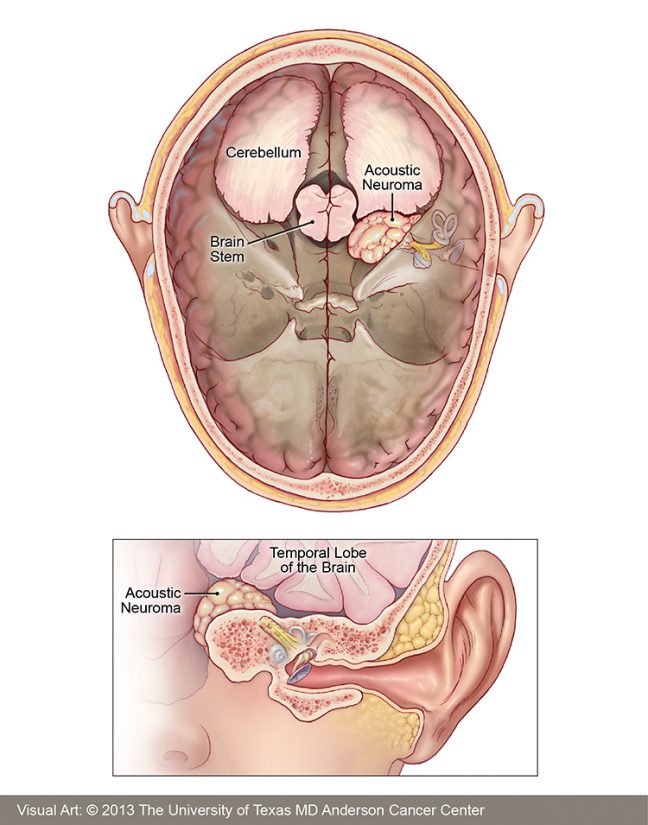
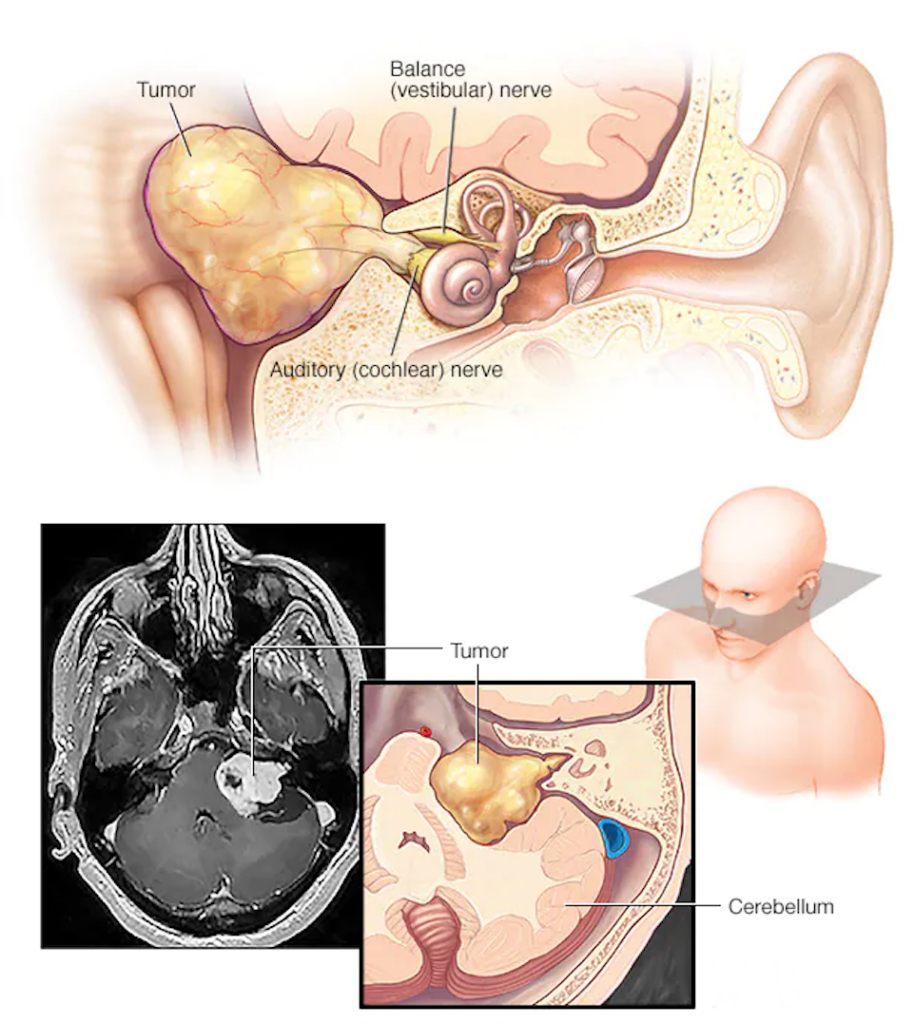
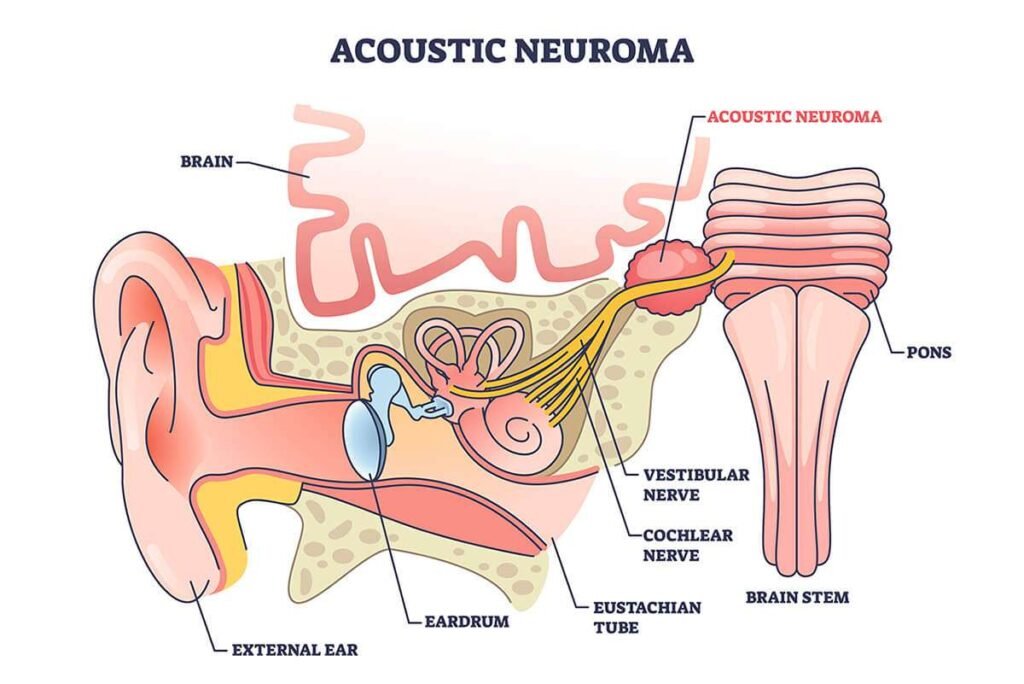
Acoustic neuroma, also known as vestibular schwannoma, is a benign tumor that develops on the nerve responsible for transmitting sound and balance information from the inner ear to the brain. This tumor typically grows slowly and arises from the Schwann cells, which produce the protective covering for nerve fibers. Although the exact cause of acoustic neuroma is unclear, genetics is believed to play a significant role in its development.
Definition
Acoustic neuroma is defined as a noncancerous growth that originates from the balance and hearing nerves in the inner ear. It is typically a slow-growing tumor and arises from the Schwann cells that surround the vestibular nerve. As the tumor enlarges, it can compress nearby structures and lead to a variety of symptoms.
Symptoms
The symptoms of acoustic neuroma can vary depending on the size and location of the tumor. Some common signs and symptoms include:
- Gradual hearing loss in one ear
- Tinnitus or ringing in the affected ear
- Dizziness or problems with balance
- Difficulty understanding speech, especially in noisy environments
- Facial numbness or weakness on one side
- Headaches
It is important to note that these symptoms can also be caused by other conditions, so a comprehensive evaluation by a medical professional is essential for an accurate diagnosis.
Diagnosis
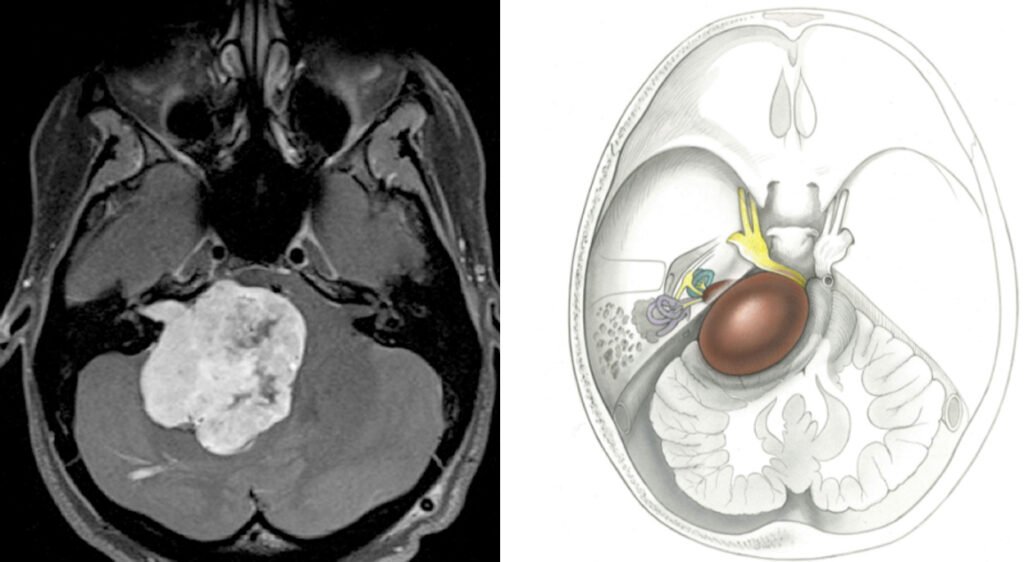
To diagnose acoustic neuroma, a healthcare provider will typically start by conducting a detailed medical history and physical examination. This may include a hearing test, balance evaluation, and neurological examination. Imaging studies such as magnetic resonance imaging (MRI) are crucial for visualizing the tumor and determining its size and location. In some cases, additional tests such as auditory brainstem response (ABR) and vestibular evoked myogenic potentials (VEMP) may be performed to assess auditory and vestibular function.
Treatment
The approach to treating acoustic neuroma depends on various factors such as the tumor size, location, and the patient’s overall health. Treatment options may include:
- Observation: Some small and slow-growing tumors may not require immediate treatment but will be closely monitored with regular imaging scans.
- Surgery: Surgical removal of the tumor may be recommended for larger tumors or those causing significant symptoms.
- Radiation therapy: This treatment modality involves using high-energy beams to target and destroy the tumor cells. It can be delivered as stereotactic radiosurgery or fractionated radiation therapy.
The choice of treatment is individualized, and a multidisciplinary team consisting of neurosurgeons, otolaryngologists, radiation oncologists, and other healthcare professionals will collaborate to determine the most appropriate approach for each patient.
Genetics and Acoustic Neuroma
Genetic Influences
Growing evidence suggests that genetic factors contribute to the development of acoustic neuroma. While most cases appear to be sporadic (occurring without a family history), there is a subset of individuals who inherit a genetic predisposition for developing acoustic neuroma.
Familial Cases
Approximately 5% to 10% of acoustic neuromas are associated with familial cases. In these instances, a person may have a family history of multiple individuals with acoustic neuroma or related conditions, such as neurofibromatosis type 2 (NF2). The presence of familial cases indicates the potential involvement of genetic mutations in the development of these tumors.
Tumor Suppressor Genes
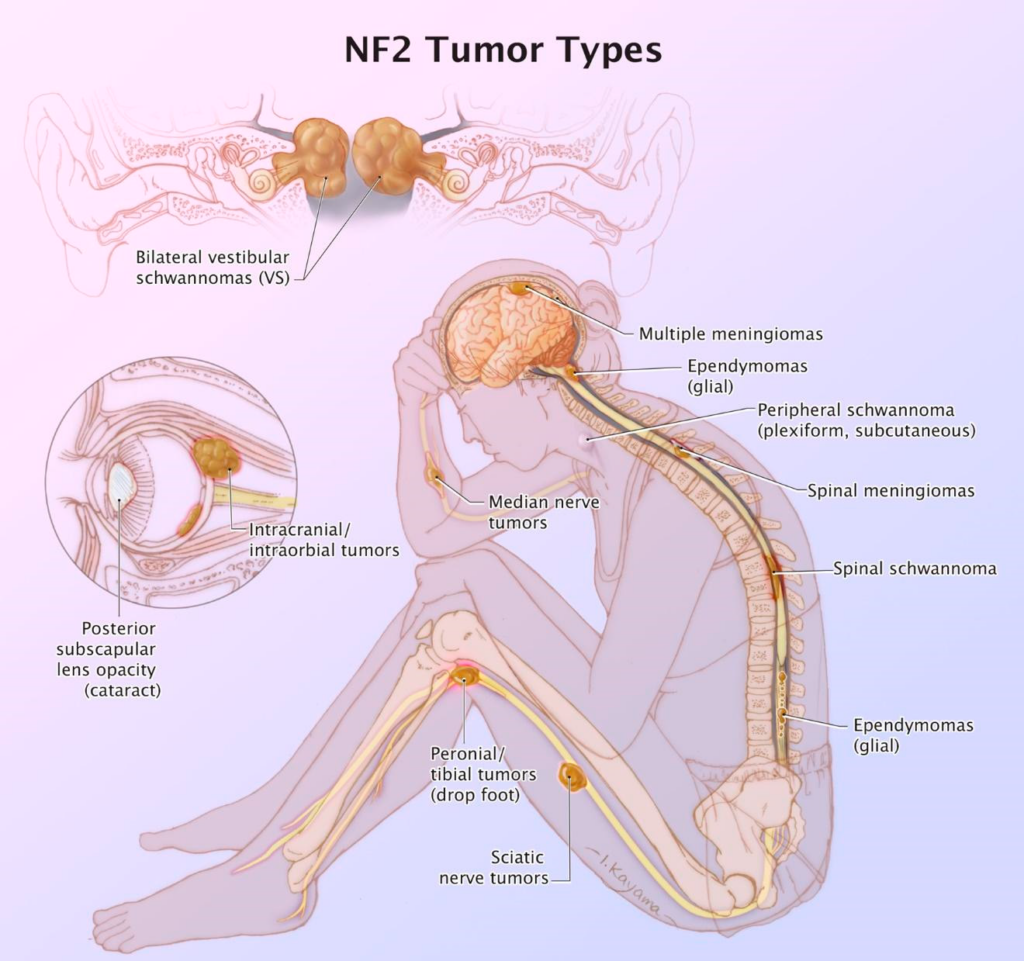
Research has identified several tumor suppressor genes that may be involved in the development of acoustic neuroma. One of the most well-studied genes is the NF2 gene, which is associated with neurofibromatosis type 2. Mutations in the NF2 gene are responsible for the majority of familial cases and a subset of sporadic cases. This gene provides instructions for producing a protein called Merlin that helps regulate cell growth and division. Mutations in the NF2 gene lead to the development of acoustic neuroma and other tumors in the nervous system.
The Role of Genes in Acoustic Neuroma Development
Genetic Mutations and Variants
Acoustic neuroma is characterized by genetic mutations and variants that disrupt normal cellular processes and contribute to tumor formation. Mutations can occur spontaneously or be inherited from a parent. A mutation in a specific gene can disrupt the regulation of cell division and lead to uncontrolled growth, resulting in the formation of an acoustic neuroma.
NF2 Gene Mutations
The NF2 gene, located on chromosome 22, is frequently mutated in individuals with acoustic neuroma. These mutations can be germline mutations, which are inherited from a parent, or somatic mutations, which occur later in life and are not passed on to offspring. NF2 gene mutations prevent the production of functional merlin protein, leading to uncontrolled cell growth in the vestibular nerve, ultimately resulting in the formation of acoustic neuroma.
Other Genetic Factors
In addition to NF2 gene mutations, several other genetic factors have been implicated in the development of acoustic neuroma. These include mutations in genes involved in cellular signaling pathways, chromosomal rearrangements, and other alterations that disrupt normal gene function. Further research is needed to fully understand the complex interplay between these genetic factors and their contribution to the development of acoustic neuroma.
Genetic Testing for Acoustic Neuroma
Indications for Genetic Testing
Genetic testing for acoustic neuroma may be recommended in certain situations. These include:
- When there is a family history of multiple individuals with acoustic neuroma or related conditions.
- When acoustic neuroma is diagnosed at a young age.
- When acoustic neuroma is bilateral (affecting both ears).
Genetic Counseling
Before undergoing genetic testing, individuals should receive genetic counseling. Genetic counselors can provide information about the benefits and limitations of testing, help individuals understand the potential implications of test results, and offer support throughout the testing process. They can also assess a person’s risk of developing acoustic neuroma based on their family history and provide recommendations for appropriate surveillance and management.
Types of Genetic Tests
There are different types of genetic tests that can be used to identify genetic mutations associated with acoustic neuroma. These include:
- Sequence analysis: This test examines the DNA sequence of specific genes to identify mutations or variants.
- Deletion/duplication analysis: This test detects large-scale deletions or duplications of genetic material.
- Next-generation sequencing: This advanced technique allows for the simultaneous analysis of multiple genes associated with acoustic neuroma.
The choice of genetic test depends on factors such as the suspected genetic cause, family history, and availability of testing facilities.
Genetic Predisposition and Acoustic Neuroma
Hereditary Forms of Acoustic Neuroma
A small percentage of individuals with acoustic neuroma have hereditary forms of the disease. The most well-known hereditary condition associated with acoustic neuroma is neurofibromatosis type 2 (NF2). NF2 is an autosomal dominant condition caused by mutations in the NF2 gene. Individuals with NF2 are at an increased risk of developing multiple acoustic neuromas, as well as other tumors in the central nervous system, eyes, and skin.
Risk Factors
In addition to genetic predisposition, certain risk factors have been associated with an increased likelihood of developing acoustic neuroma. These include:
- Exposure to high levels of ionizing radiation, such as radiation therapy for a previous cancer.
- Age, with the risk of acoustic neuroma increasing with advancing age.
- Gender, as women have been found to be at a slightly higher risk compared to men.
It is important to note that having one or more risk factors does not necessarily mean a person will develop acoustic neuroma but rather increases the likelihood.
Incomplete Penetrance
Acoustic neuroma exhibits incomplete penetrance, which means that not all individuals with a genetic predisposition will develop the tumor. This suggests the involvement of other genetic or environmental factors that modify the expression of the disease. Further research is needed to better understand the factors contributing to incomplete penetrance and the interplay between genetics and the environment in the development of acoustic neuroma.
Gene Expression and Acoustic Neuroma
Gene Regulation
Gene expression refers to the process by which information in a gene’s DNA sequence is used to create functional proteins. Gene regulation plays a crucial role in determining when and where genes are expressed, which is essential for normal cellular function. Dysregulation of gene expression can lead to pathological conditions such as tumor development.
Expression Patterns
Studies have identified specific gene expression patterns associated with acoustic neuroma. These patterns reflect changes in gene activity that contribute to the growth and survival of tumor cells. Understanding these expression patterns can provide insights into the underlying biology of acoustic neuroma and help identify potential therapeutic targets.
Impact on Tumor Growth
Abnormal gene expression in acoustic neuroma can fuel tumor growth by promoting uncontrolled cell division, inhibiting cell death, and enhancing angiogenesis (the formation of new blood vessels). Additionally, altered gene expression can disrupt cellular signaling pathways involved in cell proliferation and survival. Targeting these dysregulated genes and pathways may offer promising avenues for the development of new treatment strategies for acoustic neuroma.
Polygenic Risk Score in Acoustic Neuroma
Definition
A polygenic risk score (PRS) is a numerical score that quantifies an individual’s genetic susceptibility to a particular condition based on the cumulative effect of multiple genetic variants. In the context of acoustic neuroma, a PRS can be calculated using information from genome-wide association studies (GWAS) that have identified genetic variants associated with the disease.
Calculation and Interpretation
The calculation of a PRS involves weighing the contribution of each genetic variant based on its effect size and the individual’s specific genotype. The resulting score provides an estimate of an individual’s overall genetic predisposition to acoustic neuroma. Higher PRS values indicate a higher risk of developing the condition, while lower values suggest a lower risk.
Clinical Implications
The use of PRS in acoustic neuroma research and clinical practice is still in its early stages. Nonetheless, PRS may have potential applications in risk assessment, disease prediction, and personalized screening approaches. By stratifying individuals based on their genetic susceptibility, PRS could help identify those at the highest risk who may benefit from enhanced surveillance or targeted interventions.
Epigenetic Mechanisms in Acoustic Neuroma
DNA Methylation
Epigenetic modifications, such as DNA methylation, can influence gene expression patterns without altering the underlying DNA sequence. DNA methylation involves the addition of a methyl group to specific regions of the DNA molecule, affecting the accessibility of genes to cellular machinery. Abnormal DNA methylation patterns have been observed in acoustic neuroma, pointing to potential epigenetic dysregulation in the development of the disease.
Histone Modifications
Histones are proteins around which DNA is tightly wound to form a structure called chromatin. Chemical modifications to histones, known as histone modifications, can impact gene expression by regulating how tightly the DNA is packaged. Alterations in histone modifications, such as acetylation or methylation, have been implicated in acoustic neuroma and may contribute to the dysregulation of gene expression observed in these tumors.
MicroRNAs
MicroRNAs (miRNAs) are small RNA molecules that play a crucial role in post-transcriptional regulation of gene expression. They can bind to messenger RNA (mRNA) molecules, preventing their translation into proteins. Dysregulated miRNA expression has been associated with various cancers, including acoustic neuroma. Abnormal miRNA expression can disrupt the balance of gene regulation, contributing to the development and progression of acoustic neuroma.
Genetic Associations with Acoustic Neuroma
Other Genetic Syndromes
In addition to NF2, several other genetic syndromes have been associated with an increased risk of developing acoustic neuroma. These include schwannomatosis, which is characterized by multiple schwannomas throughout the body, and Carney complex, a rare condition involving multiple benign tumors in various organs. Identifying these genetic syndromes is essential as they may have implications for patient management, including surveillance for additional tumors and genetic counseling for family members.
Association with Other Tumor Types
Acoustic neuroma has been found to coexist with other tumor types in certain genetic syndromes, such as NF2. Individuals with NF2 have an increased risk of developing a range of nervous system tumors, including meningiomas and ependymomas. These associated tumor types further highlight the role of genes involved in tumor suppression and regulation of cell growth.
Genotyping Studies
Genotyping studies, such as GWAS, have been instrumental in identifying genetic variants associated with acoustic neuroma. These studies involve analyzing the DNA of individuals with and without the disease to detect genetic differences. By identifying susceptibility loci and genetic factors, genotyping studies provide insights into the biological mechanisms underlying acoustic neuroma and can guide future research and treatment strategies.
Future Directions in Genetic Research on Acoustic Neuroma
Novel Genomic Technologies
Advancements in genomic technologies, such as whole-genome sequencing and single-cell sequencing, hold promise for advancing our understanding of acoustic neuroma. These approaches enable a comprehensive analysis of the entire genome or individual cells, allowing for the identification of novel genetic variants, gene expression patterns, and epigenetic modifications associated with the disease.
Therapeutic Target Discovery
Genetic research on acoustic neuroma has the potential to uncover therapeutic targets for the development of new treatment strategies. By identifying specific genes or proteins involved in the growth and survival of tumor cells, researchers can explore targeted therapies that selectively inhibit or disrupt these pathways, minimizing side effects and improving treatment outcomes.
Precision Medicine Approaches
The integration of genetic information into clinical practice has the potential to enhance personalized medicine approaches for individuals with acoustic neuroma. By considering an individual’s genetic profile and other relevant clinical factors, healthcare providers can tailor treatment plans, surveillance strategies, and counseling recommendations to optimize patient care and outcomes.
Genetics plays a vital role in the development of acoustic neuroma. Familial cases, genetic mutations, and alterations in gene expression and epigenetic mechanisms contribute to the pathogenesis of this tumor. Genetic testing and counseling are essential for individuals at risk, and future research directions aim to further elucidate the genetic underpinnings of acoustic neuroma and translate these findings into improved diagnostic tools and treatment options.
Related Terms About The Role of Genetics in Acoustic Neuroma Development
Acoustic Neuroma Genetics, Does Acoustic Neuroma Run In Families, How Common Is Acoustic Neuroma, Is Acoustic Neuroma Genetic Or Hereditary, Is Acoustic Neuroma Hereditary