
In this article, we will delve into the fascinating world of acute myeloid leukemia and explore potential risk factors that may contribute to its development. Acute myeloid leukemia (AML) is a type of cancer that affects the blood and bone marrow, characterized by the rapid growth of abnormal white blood cells. By understanding the possible risk factors associated with AML, we can take steps to minimize our exposure and potentially reduce the risk of developing this condition. So, let’s dive right in and discover what factors may play a role in the development of acute myeloid leukemia.
Overview of Acute Myeloid Leukemia
Acute Myeloid Leukemia (AML) is a type of cancer that affects the blood and bone marrow. It is characterized by the rapid growth and accumulation of abnormal myeloid cells, which are responsible for producing white blood cells, red blood cells, and platelets. AML is a serious condition that requires immediate medical attention, as it can quickly become life-threatening if left untreated.
Definition and Types of Acute Myeloid Leukemia
AML is classified as a hematologic malignancy, meaning it originates in the blood-forming tissues of the body. There are several subtypes of AML, based on the specific genetic and cellular characteristics of the leukemic cells. These subtypes include AML with recurrent genetic abnormalities, AML with myelodysplasia-related changes, therapy-related AML, and AML not otherwise specified.
Incidence and Prevalence
AML is relatively rare compared to other types of cancer, accounting for approximately 1% of all cancers diagnosed in the United States. However, it is the most common type of acute leukemia in adults. The incidence of AML increases with age, with the majority of cases occurring in individuals over the age of 65. It also affects males slightly more often than females.
Risk Factors
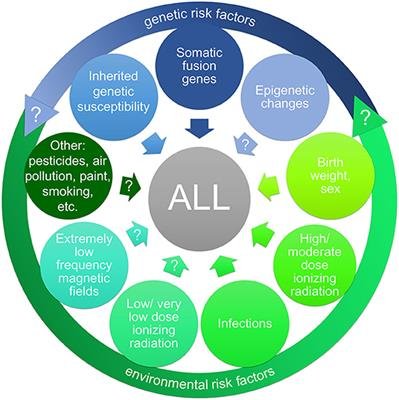
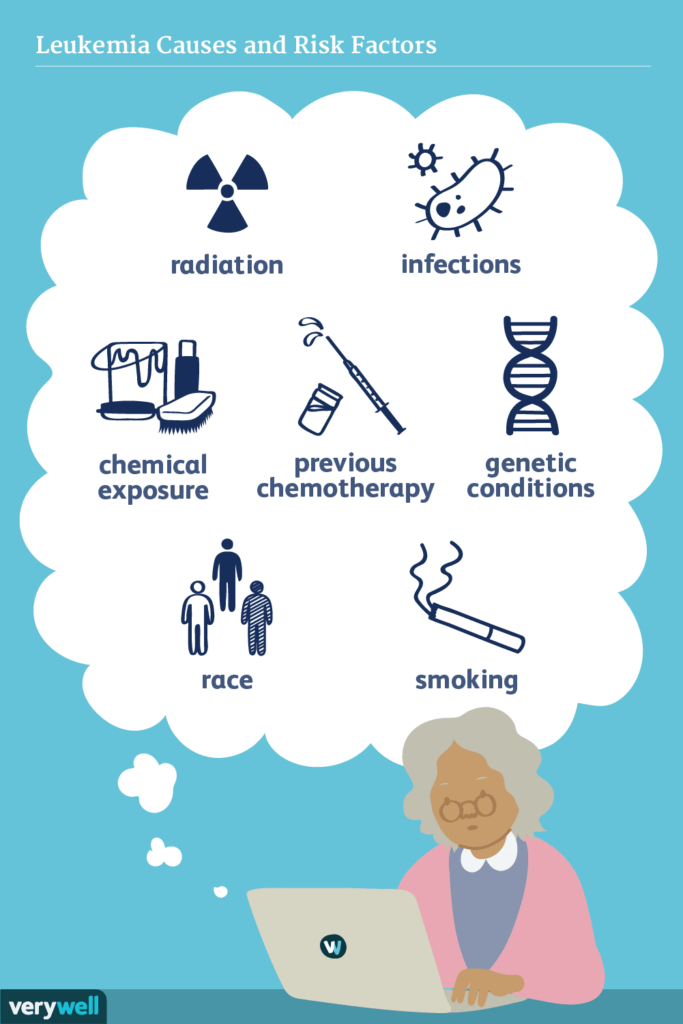
Several risk factors have been identified that may increase the likelihood of developing AML. These risk factors can be categorized into genetic risk factors, environmental risk factors, occupational risk factors, age and gender, previous blood disorders, exposure to certain medications, family history of leukemia, exposure to ionizing radiation, and smoking and alcohol consumption. Each of these factors will be explored in more detail.
Genetic Risk Factors
Role of Somatic Mutations
Somatic mutations in certain genes have been found to play a significant role in the development of AML. Mutations in genes such as FLT3, NPM1, and DNMT3A have been identified as common genetic abnormalities in AML patients. These mutations disrupt the normal functioning of the affected genes, leading to uncontrolled cell growth and the development of leukemia.
Chromosomal Abnormalities
Chromosomal abnormalities are another type of genetic risk factor for AML. These abnormalities involve changes in the structure or number of chromosomes in the leukemic cells. Examples of chromosomal abnormalities that are associated with AML include translocations, deletions, and inversions. These genetic changes can disrupt important genes involved in cell growth and differentiation, contributing to the development of AML.
Inherited Genetic Syndromes
In a small percentage of AML cases, the disease can be linked to inherited genetic syndromes. These syndromes, such as Down syndrome and Li-Fraumeni syndrome, are caused by specific genetic mutations that increase the risk of developing AML. Individuals with these syndromes have a higher likelihood of developing leukemia and may require closer monitoring and tailored treatment approaches.
Environmental Risk Factors
Exposure to Benzene
Exposure to benzene, a toxic chemical found in certain industrial solvents, paints, and fuels, has been linked to an increased risk of AML. Benzene is known to cause damage to the DNA of blood-forming cells, leading to the development of leukemia. Individuals working in industries where benzene is used, such as the chemical industry or petroleum refining, may be at a higher risk of developing AML.
Chemotherapy and Radiation Therapy
While chemotherapy and radiation therapy are essential treatments for various types of cancer, they can also increase the risk of developing secondary AML. Some chemotherapeutic agents, such as certain types of topoisomerase II inhibitors and alkylating agents, have been associated with an increased risk of AML. Similarly, therapeutic radiation, especially when administered at high doses or targeting the bone marrow, can damage healthy cells and increase the risk of developing AML.
Cigarette Smoking
Cigarette smoking has long been recognized as a significant risk factor for various types of cancer, including AML. The toxins and carcinogens present in tobacco smoke can damage DNA and disrupt normal cell functioning, increasing the risk of developing leukemia. Quitting smoking or avoiding secondhand smoke can significantly reduce the risk of AML and other tobacco-related diseases.
Exposure to Certain Chemicals and Substances
Exposure to certain chemicals and substances in the environment, such as formaldehyde and certain pesticides, has been associated with an increased risk of AML. These substances can enter the body through inhalation, ingestion, or skin contact, and their toxic effects can disrupt normal cellular processes and lead to the development of leukemia. Minimizing exposure to these chemicals and following proper safety protocols can help reduce the risk.
Occupational Risk Factors
Chemical Exposures
Certain occupations involve a higher risk of exposure to chemicals that have been linked to an increased risk of AML. These chemicals include benzene, formaldehyde, certain solvents, and pesticides. Industries such as chemical manufacturing, petroleum refining, and agriculture may have higher rates of AML due to these occupational exposures. Strict adherence to safety guidelines and the use of appropriate protective measures can help reduce the risk.
Radiation Exposures
Occupational exposure to ionizing radiation, such as in nuclear power plants or radiology departments, has been associated with an increased risk of AML. Additionally, individuals who have been involved in accidents or incidents involving uncontrolled radiation exposure may have a higher risk of developing AML. It is crucial to follow proper safety procedures and guidelines when working in occupations with potential radiation exposure.
Industrial and Manufacturing Industries
Certain industrial and manufacturing industries, such as rubber manufacturing and metalworking, have been associated with an increased risk of AML. Occupational exposure to chemicals, solvents, and metals in these industries can contribute to the development of leukemia. Implementing effective safety measures, including proper ventilation and protective gear, can help reduce the risk of AML in these settings.
Agricultural Work
Agricultural workers, including farmers and pesticide applicators, may be at an increased risk of developing AML due to exposure to chemicals and pesticides. The handling and application of these substances can lead to direct contact or inhalation, increasing the risk of leukemia. Proper training, the use of protective equipment, and adherence to safety guidelines can help mitigate these risks.

Age and Gender
Impact of Age on AML Risk
The risk of developing AML increases with age, with the majority of cases occurring in individuals over the age of 65. As individuals age, the cumulative effects of genetic mutations, environmental exposures, and other risk factors can increase the likelihood of developing AML. However, AML can affect individuals of any age, and even children can develop this type of leukemia.
Gender Differences in AML Risk
AML affects males slightly more often than females. The reasons for this gender difference are not fully understood but may be attributed to hormonal or genetic factors. However, it is important to note that AML can occur in both males and females, and the overall risk and prognosis depend on various factors beyond gender.
Previous Blood Disorders
Myelodysplastic Syndrome (MDS)
Myelodysplastic syndrome (MDS) is a group of blood disorders characterized by abnormal production of blood cells. Individuals with MDS have an increased risk of developing AML. This progression from MDS to AML is referred to as transformation or evolution. Regular monitoring and appropriate treatment of MDS can help identify and manage the risk of developing AML.
Myeloproliferative Neoplasms (MPNs)
Myeloproliferative neoplasms (MPNs) are a group of blood disorders characterized by the overproduction of blood cells in the bone marrow. Some individuals with MPNs, particularly those with polycythemia vera or essential thrombocythemia, have an increased risk of developing AML. Regular monitoring and appropriate management of MPNs are essential to identify any progression to AML.
Previous Chemotherapy or Radiation Therapy
Individuals who have undergone previous treatment with chemotherapy or radiation therapy for other cancers are at an increased risk of developing therapy-related AML. Exposure to these treatments can damage healthy blood-forming cells, leading to the development of leukemia. Careful monitoring and management of the long-term effects of cancer treatments are necessary to identify and address the risk of therapy-related AML.

Exposure to Certain Medications
Topoisomerase II Inhibitors
Certain chemotherapeutic agents used to treat other types of cancer, such as topoisomerase II inhibitors, have been associated with an increased risk of developing AML. These medications can unintentionally cause DNA damage, leading to the development of secondary AML. Close monitoring and follow-up are important for individuals receiving these medications to detect any potential complications.
Alkylating Agents
Alkylating agents, another class of chemotherapeutic agents, have also been linked to an increased risk of developing therapy-related AML. These agents work by directly damaging DNA, and their use in the treatment of other cancers may inadvertently increase the risk of developing AML. Careful consideration of the potential risks and benefits of these medications is necessary when planning cancer treatment.
Epipodophyllotoxins
Epipodophyllotoxins are a type of chemotherapeutic agent that has been associated with an increased risk of developing AML, particularly in children. These medications work by inhibiting cell division, but they may also cause DNA damage, leading to the development of leukemia. Close monitoring and long-term follow-up are essential for individuals who have been treated with epipodophyllotoxins to detect any potential complications.
Family History of Leukemia
Effects of Familial Predisposition
Having a family history of leukemia, particularly AML, can increase the risk of developing the disease. Certain genetic mutations associated with an increased risk of AML can be inherited from parents or other family members. However, it is important to note that most cases of AML occur sporadically, without a clear familial component.
Identified Genetic Mutations
In some cases, specific genetic mutations associated with an increased risk of AML can be passed down through families. For example, mutations in genes such as RUNX1, FLT3, and CEBPA have been identified in individuals with familial AML. Genetic counseling and testing may be recommended for individuals with a family history of AML to identify potential genetic mutations and inform personalized risk management strategies.

Exposure to Ionizing Radiation
Therapeutic Radiation
Therapeutic radiation, especially when targeted at or near the bone marrow, can damage healthy blood-forming cells and increase the risk of developing AML. Individuals who have undergone radiation therapy for other types of cancer, such as Hodgkin lymphoma, are at an increased risk of therapy-related AML. Close monitoring and long-term follow-up are necessary to detect any potential complications.
Modalities
Exposure to ionizing radiation through imaging procedures, such as X-rays and CT scans, has not been clearly established as a significant risk factor for AML. However, individuals who have had multiple or high-dose radiation imaging studies may have a slightly increased risk. It is important to utilize radiation imaging judiciously and consider alternative imaging modalities when appropriate, especially in individuals with other risk factors for AML.
Accidental Radiation Exposure
Accidental or occupational exposure to high-dose ionizing radiation, such as in nuclear accidents or incidents, can significantly increase the risk of developing AML. These exposures can cause severe damage to the bone marrow and disrupt normal blood cell production. Strict adherence to safety protocols and disaster preparedness measures are essential to prevent and minimize accidental radiation exposure.
Smoking and Alcohol Consumption
Cigarette Smoking and AML
Cigarette smoking has been consistently identified as a significant risk factor for AML. The toxins and carcinogens present in tobacco smoke can damage DNA and disrupt normal cell functioning, increasing the risk of developing leukemia. Quitting smoking or avoiding secondhand smoke is crucial in reducing the risk of AML and other tobacco-related diseases.
Alcohol Consumption and AML
The relationship between alcohol consumption and AML is less clear compared to smoking. While heavy alcohol consumption has been associated with an increased risk of certain types of cancer, including leukemia, the specific impact on AML risk is not well-established. Nonetheless, moderate alcohol consumption is generally recommended for overall health, while heavy drinking should be avoided due to the well-known risks to multiple organ systems.
AML is a complex disease with various risk factors that can influence its development. Genetic factors, such as somatic mutations, chromosomal abnormalities, inherited genetic syndromes, as well as environmental factors, including exposure to benzene and certain chemicals, can increase the risk of AML. Occupational exposures, age and gender, previous blood disorders, exposure to certain medications, family history, ionizing radiation, and smoking and alcohol consumption are additional factors that can contribute to the development of AML. It is essential to understand and identify these risk factors to improve prevention strategies, facilitate early detection, and develop targeted interventions for individuals at higher risk of developing AML.
Watch This Video Below
Related Terms About Exploring Potential Risk Factors for Acute Myeloid Leukemia
Acute Leukemia Risk Factors, Acute Myeloid Leukemia Causes Risk Factors, Acute Myeloid Leukemia Risk Categories, Risk Factors For Aml, Risk Factors Of Acute Myeloid Leukemia