
In the world of medical research, constant advancements and breakthroughs are paving the way for hope in treating devastating diseases. One such disease is Acute Myeloid Leukemia (AML), a type of blood cancer that affects thousands worldwide. However, amidst the challenges posed by this aggressive illness, the medical community has been hard at work developing promising new therapies to combat AML. These innovative treatments hold the potential to revolutionize how we approach this disease, offering a glimmer of optimism for those affected and their loved ones.
Promising New Therapies for Acute Myeloid Leukemia

1. Targeted Therapies
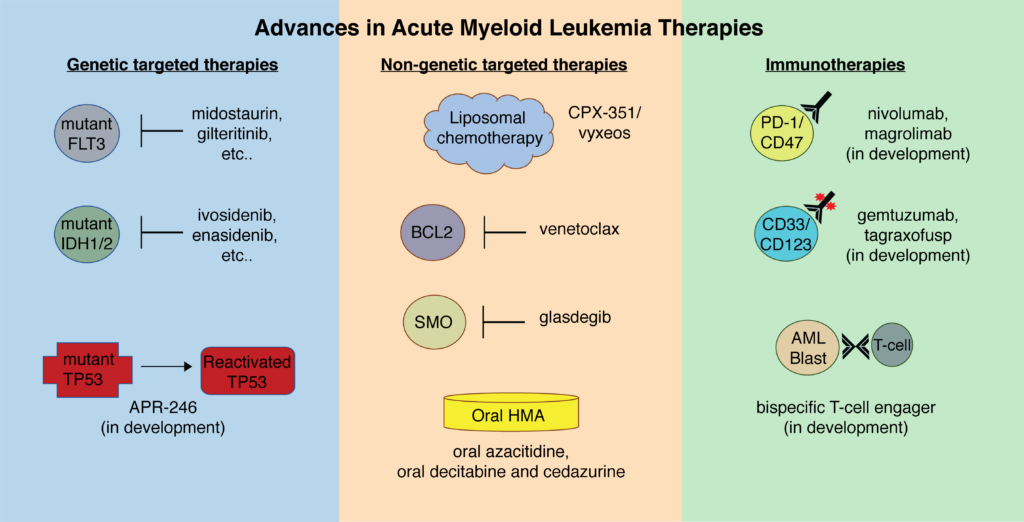
Acute Myeloid Leukemia (AML) is a challenging disease to treat, but recent advancements in targeted therapies have shown great promise in improving patient outcomes. These therapies are designed to specifically attack cancer cells, minimizing the damage to healthy cells. Several targeted therapies have emerged as effective treatment options for AML.
1.1. FLT3 Inhibitors
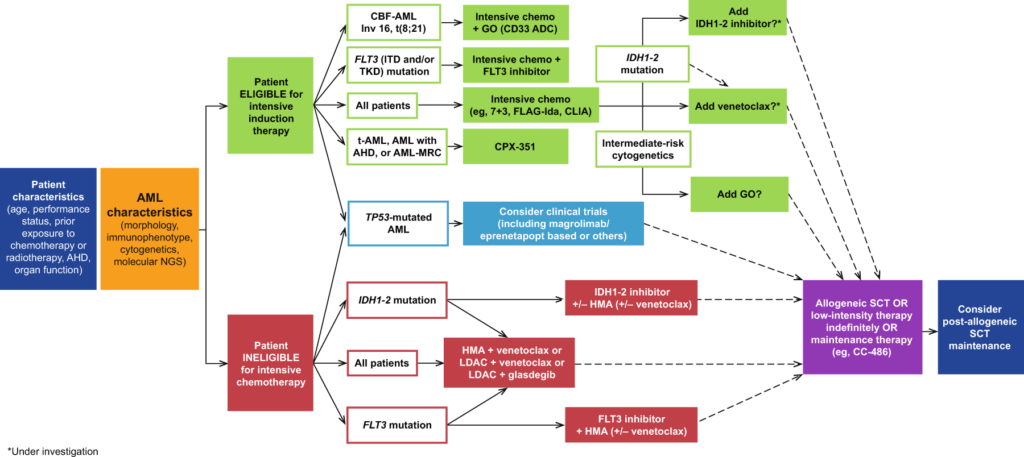
FLT3 inhibitors are a class of drugs that block the activity of the FLT3 protein, which is commonly mutated in AML patients. These mutations can lead to uncontrolled cell growth and proliferation. By targeting and inhibiting FLT3, these inhibitors help slow down the growth of cancer cells and improve patient outcomes. Clinical trials have shown encouraging results, making FLT3 inhibitors a promising therapy for AML.
1.2. IDH Inhibitors
IDH inhibitors are another class of targeted therapies that have shown effectiveness in treating AML. Mutations in the IDH1 and IDH2 genes are frequently found in AML patients. These mutations alter the function of the IDH enzymes, leading to an accumulation of a metabolite called 2-hydroxyglutarate (2-HG), which promotes cancer cell growth. IDH inhibitors work by blocking the production of 2-HG, thereby inhibiting the growth of AML cells. This targeted approach has shown promise in clinical trials and offers new hope for AML patients.
1.3. BCL-2 Inhibitors
BCL-2 inhibitors are drugs that target a protein called B-cell lymphoma 2 (BCL-2), which plays a role in preventing cell death in cancer cells. In AML, the overexpression of BCL-2 contributes to the survival and resistance of cancer cells to conventional treatments. By inhibiting BCL-2, these targeted therapies promote apoptosis (cell death) in AML cells, leading to their elimination. Clinical trials evaluating the efficacy of BCL-2 inhibitors have shown promising results, indicating their potential as a treatment option for AML.
1.4. Hedgehog Pathway Inhibitors
The Hedgehog pathway is a signaling pathway involved in cell growth and differentiation. Dysregulation of this pathway has been implicated in the development and progression of AML. Hedgehog pathway inhibitors have been designed to disrupt the abnormal signaling in AML cells, leading to impaired cell growth and survival. Initial trials have demonstrated the potential of these inhibitors in controlling AML, offering a new avenue for targeted therapy.
1.5. RAS Inhibitors
RAS genes are frequently mutated in various cancers, including AML. The mutated form of RAS promotes uncontrolled cell growth and survival, making it an attractive target for therapy. RAS inhibitors have been developed to block the activity of the mutated RAS protein, leading to reduced proliferation of AML cells. Although still in the early stages of development, RAS inhibitors hold promise as potential targeted therapies for AML.
2. Immunotherapy
Immunotherapy has emerged as a revolutionary approach to cancer treatment, harnessing the power of the immune system to fight cancer cells. In AML, immunotherapies have shown exciting potential in improving patient outcomes.
2.1. Chimeric Antigen Receptor (CAR) T-cell Therapy
CAR T-cell therapy involves genetically modifying a patient’s own T cells to express a chimeric antigen receptor that recognizes and targets specific cancer cells. In AML, CAR T-cell therapy has shown promising results in patients who have relapsed or are refractory to standard treatment. By redirecting the patient’s immune cells to specifically attack AML cells, this therapy offers new hope for those with limited treatment options.
2.2. Checkpoint Inhibitors
Checkpoint inhibitors are a type of immunotherapy that blocks proteins called checkpoints, which prevent immune cells from attacking cancer cells. In AML, checkpoint inhibitors have shown encouraging results in early clinical trials, enhancing the immune response against cancer cells and improving patient outcomes. Ongoing research is focused on identifying the most effective combination strategies for checkpoint inhibitors in AML treatment.
2.3. Antibody-Drug Conjugates
Antibody-drug conjugates (ADCs) combine the specificity of monoclonal antibodies with the toxicity of chemotherapy drugs. These targeted therapies deliver the toxic drug directly to cancer cells, minimizing damage to healthy tissues. Several ADCs targeting AML-specific antigens, such as CD33 and CD123, have shown promise in clinical trials. By precisely targeting AML cells, ADCs offer a potential therapeutic option for patients.
3. Differentiation Agents
Differentiation agents aim to induce the maturation of cancer cells, stopping their uncontrolled growth and promoting their elimination by the body’s natural defense mechanisms.
3.1. All-trans Retinoic Acid (ATRA)
ATRA is a derivative of vitamin A that is commonly used in the treatment of acute promyelocytic leukemia (APL), a subtype of AML. ATRA works by promoting the maturation of APL cells, effectively converting them into normal, mature blood cells. This differentiation therapy has revolutionized the treatment of APL, leading to high remission rates and improved long-term outcomes.
3.2. Arsenic Trioxide
Arsenic trioxide is another differentiation agent that has shown efficacy in the treatment of APL. It promotes the degradation of a fusion protein called PML-RARα, which is responsible for the development of APL. By targeting this specific fusion protein, arsenic trioxide induces the differentiation and apoptosis of APL cells. This targeted approach has significantly improved the outcome of APL patients, making arsenic trioxide an essential component of APL treatment protocols.
4. Epigenetic Modifiers
Epigenetic modifications play a crucial role in the development and progression of AML. Epigenetic modifiers are drugs that target enzymes involved in these modifications, altering gene expression and potentially reversing the abnormal changes observed in cancer cells.
4.1. DNA Methyltransferase Inhibitors
DNA methyltransferase inhibitors (DNMT inhibitors) are a class of epigenetic modifiers that work by inhibiting the activity of enzymes called DNA methyltransferases. These enzymes add methyl groups to DNA, causing gene silencing. In AML, aberrant DNA methylation patterns contribute to the development and maintenance of cancer cells. DNMT inhibitors, such as azacitidine and decitabine, have been approved for the treatment of AML and have shown efficacy in inducing remission and improving survival in older patients.
4.2. Histone Deacetylase (HDAC) Inhibitors
Histone deacetylase inhibitors (HDAC inhibitors) target enzymes involved in the modification of histone proteins, which help regulate gene expression. In AML, dysregulation of histone acetylation patterns leads to altered gene expression and cancer cell growth. HDAC inhibitors work by blocking the activity of these enzymes, restoring normal gene expression, and promoting the death of AML cells. Research on HDAC inhibitors is ongoing, and their potential as a targeted therapy for AML is being explored.
5. Mitochondrial Pathway-targeted Therapies
The mitochondria, often referred to as the powerhouse of the cell, play a crucial role in the survival and function of cancer cells. Targeting the mitochondrial pathways that support cancer cell growth has emerged as a promising approach in AML treatment.
5.1. Bcl-2 Family Inhibitors
The Bcl-2 family of proteins regulates mitochondrial apoptosis (cell death) pathways. In AML, the overexpression of certain Bcl-2 family members enables cancer cells to evade cell death and promotes their survival and resistance to therapy. Bcl-2 inhibitors, such as venetoclax, have been developed to specifically target these proteins, leading to apoptosis and the elimination of AML cells. Clinical trials have shown promising results, demonstrating the potential of Bcl-2 inhibitors in AML treatment.
5.2. Glycolysis Inhibitors
Cancer cells have a tendency to rely on an abnormal metabolic process called glycolysis to generate energy. Targeting this altered metabolism has become an attractive therapeutic strategy in AML. Glycolysis inhibitors aim to disrupt the glycolytic pathway, depriving cancer cells of their energy source and inhibiting their growth. Although still in the early stages of development, glycolysis inhibitors show promise in preclinical studies, offering a new avenue for targeted therapy in AML.
5.3. Oxidative Phosphorylation Inhibitors
Oxidative phosphorylation is the primary energy-generating process in normal cells. In AML, cancer cells display alterations in this pathway, contributing to their survival and proliferation. Targeting oxidative phosphorylation in AML has gained attention as a potential therapeutic strategy. Inhibitors that specifically target this altered pathway hold promise in slowing down the growth of AML cells and improving patient outcomes. Investigations into the efficacy of oxidative phosphorylation inhibitors in AML are still ongoing.
6. Stem Cell Transplantation
Stem cell transplantation, also known as bone marrow transplantation, involves replacing a patient’s diseased bone marrow with healthy stem cells. This procedure aims to eliminate the cancerous cells and restore normal blood cell production. It can be performed using stem cells from a compatible donor (allogeneic transplantation) or the patient’s own stem cells (autologous transplantation).
6.1. Allogeneic Stem Cell Transplantation
Allogeneic stem cell transplantation is a potentially curative treatment for AML. It involves transferring stem cells from a donor, typically a family member or unrelated donor, to the patient. This procedure is often used in cases where standard therapy has failed or when a high risk of relapse is predicted. Allogeneic stem cell transplantation carries risks and requires careful matching of donors, but it offers the potential of a long-term cure for AML patients.
6.2. Autologous Stem Cell Transplantation
Autologous stem cell transplantation involves collecting and storing a patient’s own healthy stem cells before undergoing high-dose chemotherapy. After the chemotherapy, the stored stem cells are infused back into the patient’s body to restore blood cell production. Autologous transplantation is used in cases where a patient’s own stem cells are considered healthy and can be collected successfully. This procedure offers a potential benefit of lower treatment-related complications compared to allogeneic transplantation.
7. Combination Therapies
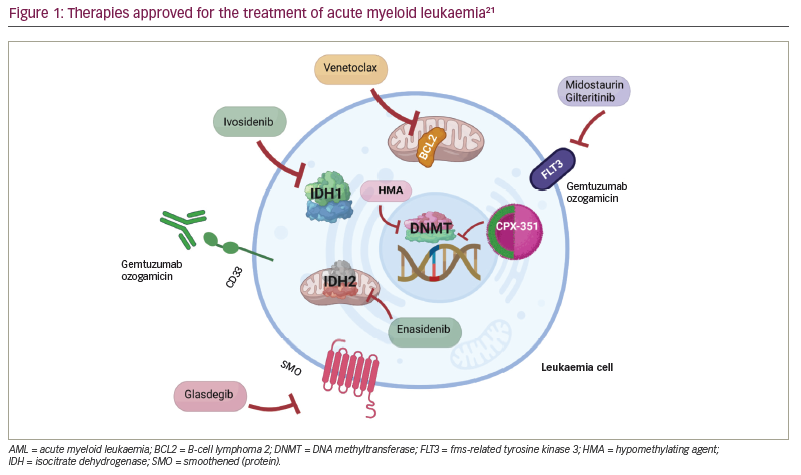
Combination therapies involve the use of multiple treatment approaches simultaneously to maximize effectiveness and overcome resistance mechanisms. In AML, combination therapies have shown promise in improving patient outcomes.
7.1. Targeted Therapy Combinations
Combining different targeted therapies has emerged as a strategy to enhance their effectiveness. By targeting multiple pathways simultaneously, these combinations aim to disrupt cancer cell growth and survival more comprehensively. Targeted therapy combinations, such as the use of FLT3 and BCL-2 inhibitors, have shown synergistic effects in preclinical and clinical studies. Ongoing research is focused on identifying and optimizing the most effective combinations for AML treatment.
7.2. Immunotherapy Combinations
Immunotherapy combinations aim to boost the immune response against cancer cells by utilizing different approaches simultaneously. For example, the combination of CAR T-cell therapy with checkpoint inhibitors has shown promising results in clinical trials for relapsed/refractory AML. These combinations aim to enhance the activity of immune cells and overcome mechanisms of immune evasion employed by cancer cells.
7.3. Differentiation Agents Combined with Other Therapies
Differentiation agents, such as ATRA and arsenic trioxide, have shown effectiveness in inducing maturation and cell death in specific AML subtypes. Combining differentiation agents with other treatment modalities, such as chemotherapy or targeted therapies, can enhance their efficacy. This approach aims to exploit the vulnerabilities of cancer cells induced by differentiation agents and maximize treatment response.
8. Clinical Trials
Clinical trials play a crucial role in evaluating the safety and efficacy of new therapies for AML, facilitating the development of novel treatment approaches. Several promising therapies are currently being investigated in clinical trials for AML.
8.1. Novel Therapies in Clinical Trials
Researchers are continually exploring new therapeutic strategies for AML in clinical trials. These trials assess the effectiveness and safety of innovative therapies, including novel targeted agents, immunotherapies, and combination approaches. Early results from ongoing trials have shown promise, generating optimism for future treatments in AML.
8.2. Challenges in Clinical Trials for AML
Clinical trials for AML face unique challenges due to the heterogeneity of the disease and the complex nature of its biology. AML patients often have different molecular and genetic profiles, making it challenging to identify patient subsets that will respond to specific therapies. Another challenge is the high relapse rate in AML, which necessitates the development of novel strategies to prevent relapse and improve long-term outcomes. Overcoming these challenges requires collaborative efforts between researchers, healthcare providers, and patients.

9. Future Directions
As research and understanding of AML continue to advance, several future directions hold promise for further improving the treatment landscape.
9.1. Precision Medicine Approaches
Precision medicine takes into account an individual’s unique genetic profile, environmental factors, and lifestyle to tailor treatment strategies specific to the patient. This approach is gaining momentum in AML treatment, enabling personalized therapies based on molecular and genetic characteristics. Precision medicine approaches hold the potential to optimize treatment outcomes by selecting the most effective therapies for each patient.
9.2. Gene Editing Technologies
Gene editing technologies, such as CRISPR-Cas9, offer a promising avenue for targeted therapy in AML. These technologies allow for precise modifications of specific genes, providing opportunities to correct genetic mutations associated with AML or even engineer immune cells for enhanced cancer cell targeting. Ongoing research is focused on harnessing gene editing technologies to develop novel therapeutic strategies for AML.
The treatment landscape for AML has significantly evolved with the development of promising new therapies, targeting specific molecular and genetic alterations in cancer cells. Targeted therapies, immunotherapies, differentiation agents, epigenetic modifiers, mitochondrial pathway-targeted therapies, stem cell transplantation, combination therapies, and innovative approaches evaluated in clinical trials all offer new hope for AML patients. As research continues to advance, precision medicine approaches and emerging gene editing technologies further fuel optimism for future advancements in AML treatment. With ongoing collaborative efforts between researchers, healthcare providers, and patients, the outlook for AML treatment is becoming increasingly optimistic.
Watch This Video Below
Related Terms About Promising New Therapies for Acute Myeloid Leukemia
Is There Any Cure For Acute Myeloid Leukemia, New Treatment In Acute Myeloid Leukemia, Treatment For Acute Myeloid Leukemia Cytarabine, Treatment For Acute Myeloid Leukemia Uk, What Is The Latest Treatment For Acute Myeloid Leukemia