
In this article, you will delve into a fascinating exploration of the psychology behind food addiction. Discover the intricate relationship between our minds and the irresistible allure of certain foods. Uncover the factors that contribute to food addiction and gain insights into how our emotions, genetics, and environment play a role in our cravings. Prepare to be captivated as we unravel the complex web of thoughts and behaviors that underlie this prevalent issue in today’s society.

What is food addiction?
Food addiction refers to a condition where individuals have a compulsive and uncontrollable drive to consume certain foods, despite the negative consequences on their physical and mental health. Just like other forms of addiction, such as substance abuse, gambling, or gaming addiction, food addiction involves a loss of control over one’s eating habits. It is characterized by the ongoing consumption of food, even when not hungry, and a persistent craving for specific types of food.
Definitions of food addiction
There is ongoing debate and research surrounding the precise definition of food addiction. Different experts and organizations have proposed various definitions based on their perspectives. However, most definitions agree that food addiction involves patterns of behavior and thoughts related to food that are similar to substance addiction. It is often described as an intense desire or compulsion to consume certain foods, difficulty controlling the amount of food consumed, and strong cravings for specific types of food.
Criteria for diagnosing food addiction
Unlike substance addictions that have clear diagnostic criteria, food addiction is not officially recognized as a distinct disorder in the Diagnostic and Statistical Manual of Mental Disorders (DSM-5). However, researchers have developed criteria and assessment tools to help identify individuals who may be suffering from food addiction. These criteria typically include symptoms such as recurrent cravings for specific foods, inability to cut down or control consumption, and continued use despite negative physical or psychological consequences.
Prevalence of food addiction
Estimating the prevalence of food addiction is challenging due to the lack of a standardized diagnostic criteria. However, research suggests that a significant proportion of the population may struggle with problematic eating behaviors and exhibit signs of food addiction. Studies have found that food addiction can affect both men and women, although women may be more susceptible. Prevalence rates vary depending on the population studied and the diagnostic criteria used, with estimates ranging from 1% to 25% of the general population.
Causes and Risk Factors
Psychological factors
Psychological factors play a crucial role in the development and maintenance of food addiction. Individuals who struggle with emotions, such as anxiety, depression, stress, or low self-esteem, may be more prone to using food as a coping mechanism. Food can provide temporary relief or distraction from negative emotions, leading to a cycle of emotional eating and reinforcing addictive behaviors. Additionally, individuals with a history of trauma or abuse may be more susceptible to developing food addiction as a form of self-soothing or self-medication.
Genetic predisposition
There is evidence to suggest that genetics may contribute to the development of food addiction. Certain genetic variations have been found to be more prevalent in individuals with addictive eating behavior, particularly those associated with reward processing, impulse control, and the regulation of appetite and satiety. However, it is important to emphasize that genetics alone do not determine the development of food addiction, and environmental factors also play a significant role.
Environmental influences
Environmental factors, such as food availability, cultural norms, and social pressures, can significantly influence the development of food addiction. The widespread availability of highly palatable and addictive foods, often high in sugar, fat, and salt, contributes to the overconsumption of these foods. Additionally, societal and cultural factors, such as the glorification of unhealthy eating habits and the normalization of emotional eating, can further reinforce addictive behaviors. Social pressures, such as peer influence and social gatherings centered around food, can also contribute to the development of food addiction.
Emotional triggers
Emotions play a crucial role in food addiction, as individuals often turn to food as a way to cope with and regulate their emotions. Emotional triggers, such as stress, boredom, loneliness, or sadness, can lead to an increased desire for certain foods as a means of seeking comfort or distraction. These emotional triggers can create a powerful association between food and mood, reinforcing the addictive cycle. The temporary relief provided by food can create a reward pathway in the brain, leading to increased cravings and continued reliance on food as a coping mechanism.

Brain Chemistry
Reward system and food addiction
The reward system in the brain is an essential component of food addiction. When we consume pleasurable foods, the brain releases dopamine, a neurotransmitter associated with pleasure and reward. In individuals with food addiction, this reward system becomes dysregulated, leading to an increased desire for specific foods. Over time, repeated exposure to highly palatable and addictive foods leads to a desensitization of the reward system, requiring larger amounts of food to achieve the same level of satisfaction. This can contribute to a cycle of escalating consumption and addictive behaviors.
Neurotransmitters associated with food addiction
Various neurotransmitters in the brain are implicated in the development and maintenance of food addiction. In addition to dopamine, other neurotransmitters such as serotonin, opioids, and endocannabinoids play a role in regulating reward, pleasure, and satiety. Dysregulation of these neurotransmitter systems can contribute to the overconsumption and cravings associated with food addiction. Understanding the intricate interplay between these neurotransmitters is crucial for developing effective interventions and treatment strategies for individuals with food addiction.
Impacts of dopamine on food addiction
Dopamine, a key neurotransmitter involved in the brain’s reward system, plays a significant role in food addiction. Dopamine is released when we consume pleasurable foods, creating a sense of reward and reinforcing the behavior. In individuals with food addiction, the release of dopamine in response to food is exaggerated, leading to an increased desire and cravings for specific foods. The continual activation of the dopamine reward pathway can create a cycle of reward-seeking behavior that contributes to the addictive nature of food addiction.
Emotional Eating
Definition of emotional eating
Emotional eating refers to the consumption of food in response to emotional triggers or as a way to cope with negative feelings. Unlike physiological hunger, emotional eating is not driven by physical hunger cues but rather by a desire to soothe or distract oneself from emotional distress. Emotional eating can provide temporary relief or comfort, but it often leads to feelings of guilt, shame, and increased reliance on food as an emotional crutch.
Link between emotional eating and food addiction
Emotional eating and food addiction are closely intertwined, as both involve the use of food to cope with emotional distress. Emotional eating can be one of the behavioral manifestations of food addiction, as individuals with food addiction may turn to food as a primary means of managing their emotions. The pleasurable feelings and temporary relief provided by addictive foods reinforce the association between food and emotional well-being, leading to a cycle of emotional eating and addictive behavior.
Emotions commonly associated with emotional eating
Emotional eating can be triggered by a wide range of emotions, both positive and negative. Negative emotions such as stress, anxiety, sadness, or loneliness are commonly associated with emotional eating. Individuals may turn to food as a way to self-soothe, ease emotional discomfort, or distract themselves from difficult emotions. However, positive emotions such as celebration, boredom, or excitement can also trigger emotional eating, as individuals may seek to enhance their mood or reward themselves with food.

Psychological Mechanisms
Role of reinforcement in food addiction
Reinforcement plays a significant role in the development and maintenance of food addiction. The pleasurable feelings and temporary relief provided by addictive foods reinforce the behavior, creating an association between food and reward. This reinforcement can result in cravings, increased consumption, and difficulty in controlling one’s eating habits. Over time, the cycle of reinforcement strengthens the neural pathways associated with food addiction, making it increasingly challenging to break free from addictive eating behaviors.
Influence of stress on food addiction
Stress can significantly impact food addiction, as it activates the brain’s reward system and increases the desire for pleasurable foods. When faced with stress, the body releases stress hormones such as cortisol, which can prompt cravings for high-calorie, sugary, or fatty foods. These foods temporarily reduce stress by triggering the release of dopamine in the brain, providing a sense of reward and relief. However, the temporary relief provided by food can create a vicious cycle, as stress-induced eating becomes a habitual response to managing stress.
Coping mechanisms and food addiction
Food addiction often arises from a lack of healthy coping mechanisms to manage stress, emotions, or other challenges in life. Instead of engaging in adaptive coping strategies, individuals may turn to food as a quick and accessible way to cope with discomfort or distress. Over time, relying on food as a primary coping mechanism can lead to the development of addictive behaviors and a reliance on food for emotional regulation. Recognizing and developing alternative, healthier coping mechanisms is crucial for overcoming food addiction.
Self-esteem and body image issues
Self-esteem and body image issues can contribute to the development and perpetuation of food addiction. Individuals with low self-esteem or negative body image may seek comfort or escape in food, leading to emotional eating and overconsumption of addictive foods. The temporary feelings of satisfaction or distraction provided by food can momentarily improve self-esteem or provide a sense of control. However, the cycle of overeating and guilt associated with food addiction can further exacerbate negative feelings about one’s body and self-worth.
Effects on Mental Health
Relationship between food addiction and mental health disorders
There is a strong association between food addiction and various mental health disorders. Individuals with food addiction are more likely to experience comorbid conditions such as depression, anxiety disorders, and substance abuse disorders. Food addiction and these mental health disorders often co-occur, reinforcing each other’s symptoms and making recovery more challenging. The complex relationship between food addiction and mental health underscores the need for comprehensive and integrated treatment approaches.
Impact on self-esteem and body image
Food addiction can have a profound impact on self-esteem and body image. The cycle of overeating, guilt, and emotional distress associated with food addiction can lead to feelings of shame, low self-worth, and negative body image. The inability to control one’s eating habits and the negative consequences on physical health can further erode self-esteem. Addressing self-esteem and body image issues is crucial in the treatment and recovery process for individuals struggling with food addiction.
Depression and anxiety in relation to food addiction
Depression and anxiety are commonly associated with food addiction, and the relationship between these conditions can be complex and bidirectional. Food addiction can contribute to the development or worsening of symptoms of depression and anxiety, as addictive eating behaviors can lead to feelings of guilt, shame, and a diminished sense of control. Conversely, individuals with depression or anxiety may be more susceptible to turning to food as a means of coping with their emotional distress. It is essential to address both the addictive behaviors and the underlying mental health conditions to promote effective recovery.
Eating disorders and food addiction
Food addiction can often coexist with eating disorders such as binge eating disorder (BED) or bulimia nervosa. These disorders share similarities in terms of overeating, loss of control, and an intense preoccupation with food. However, food addiction differs from eating disorders in that it focuses more on the addictive nature of certain foods rather than the distorted body image or desire for thinness. Recognizing and addressing the presence of both food addiction and eating disorders is crucial for appropriate treatment planning and a comprehensive recovery.
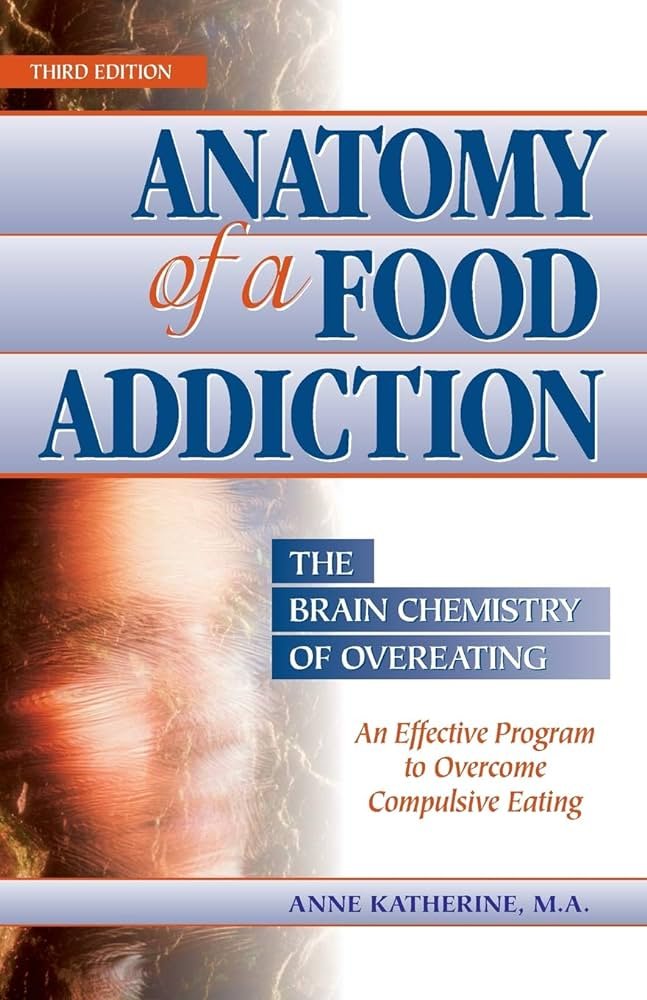
The Role of Marketing and Advertising
Influence of food advertising on food addiction
Marketing and advertising play a significant role in the development and perpetuation of food addiction. The food industry invests billions of dollars in advertising campaigns that promote highly palatable and addictive foods. These advertisements often target vulnerable populations, such as children and individuals with pre-existing addictive tendencies. The constant exposure to enticing commercials, slogans, and images can create strong associations between certain foods and reward, making individuals more susceptible to addictive eating behaviors.
Manipulation of consumers’ desires
Food advertising manipulates consumers’ desires by portraying highly palatable and addictive foods as not only enjoyable but also essential for happiness and social acceptance. Advertisements often emphasize the pleasurable experiences associated with consuming these foods, creating a strong emotional appeal. These marketing strategies exploit our innate desires for pleasure, reward, and social belonging, making it difficult for individuals to resist the allure of addictive foods. Recognizing these manipulative tactics is crucial for resisting the influence of food advertising and making more informed food choices.
Role of branding and packaging in food addiction
Branding and packaging play a significant role in the development and maintenance of food addiction. The visual appeal, packaging design, and branding of addictive foods contribute to their desirability and attractiveness. Clever packaging, vibrant colors, and bold logos create a perception of high quality and tastiness, further reinforcing the addictive nature of these foods. Additionally, food branding often targets specific emotions or lifestyles, creating a sense of identity and belonging associated with the consumption of certain products.
Treatment Options
Cognitive-behavioral therapy
Cognitive-behavioral therapy (CBT) is a widely recognized and effective treatment approach for food addiction. CBT aims to identify and modify unhealthy thoughts, beliefs, and behaviors related to food and eating. Therapists work with individuals to develop alternative, healthier coping strategies and to challenge distorted beliefs and attitudes about food. CBT also helps individuals develop skills for managing cravings, improving self-esteem, and enhancing problem-solving abilities. It is often combined with other treatment modalities for a comprehensive and individualized approach.
Dialectical behavior therapy
Dialectical behavior therapy (DBT) is an evidence-based treatment approach originally developed for individuals with borderline personality disorder. However, it has proven effective for a range of mental health and addiction issues, including food addiction. DBT focuses on developing skills for emotional regulation, distress tolerance, and interpersonal effectiveness. These skills can be valuable in managing the emotional triggers and urges associated with food addiction. DBT incorporates individual therapy, group skills training, and phone coaching outside sessions for ongoing support.
Motivational interviewing
Motivational interviewing is a counseling approach that aims to strengthen an individual’s motivation and commitment to change. It involves a collaborative and client-centered approach, allowing individuals to explore their ambivalence towards making changes in their eating habits. A trained therapist uses empathy, active listening, and reflective questioning to help individuals identify their goals and motivations for change. Motivational interviewing can be particularly useful for individuals who may feel resistant or hesitant about treatment for their food addiction.
Support groups and 12-step programs
Support groups and 12-step programs, such as Overeaters Anonymous (OA) or Food Addicts in Recovery Anonymous (FA), offer a supportive and structured environment for individuals struggling with food addiction. These programs follow a similar framework to Alcoholics Anonymous (AA) and provide a space for individuals to share their experiences, challenges, and successes in overcoming addictive eating behaviors. Support groups and 12-step programs can be instrumental in providing a sense of community, accountability, and ongoing support in the recovery process.
Medications for food addiction
Although there is no specific medication approved for the treatment of food addiction, certain medications may be prescribed to manage underlying comorbid conditions or to alleviate symptoms associated with addictive behaviors. Medications such as selective serotonin reuptake inhibitors (SSRIs) or naltrexone, which is an opioid receptor antagonist, may be considered in certain cases. However, individualized assessment and consultation with a healthcare professional are necessary to determine the appropriateness and potential benefits of medication in managing food addiction.

Prevention and Management
Identifying and managing triggers
Identifying and managing triggers is essential for preventing and managing food addiction. Understanding the emotions, situations, or environmental cues that prompt addictive eating behaviors can help individuals develop strategies for avoiding or minimizing these triggers. This may involve creating a supportive home environment, avoiding situations associated with excessive food consumption, or developing alternative coping mechanisms for managing emotional distress.
Developing healthy coping mechanisms
Developing healthy coping mechanisms is crucial for managing addictive eating behaviors and reducing reliance on food as a primary coping mechanism. Learning and practicing alternative strategies for managing stress, emotions, and cravings can help break the cycle of emotional eating. This may involve engaging in regular physical activity, practicing mindfulness or relaxation techniques, journaling, seeking emotional support from loved ones, or engaging in hobbies or activities that provide a sense of fulfillment and enjoyment.
Building a supportive network
Building a supportive network is crucial for individuals working towards recovery from food addiction. Surrounding oneself with understanding and supportive individuals can provide encouragement, accountability, and a sense of belonging. This support network can include friends, family members, support groups, therapists, or healthcare professionals who specialize in addiction or eating disorders. Having a strong support system can help individuals navigate challenges, share experiences, and access the resources necessary for their recovery journey.
Maintaining a balanced diet and exercise routine
Maintaining a balanced diet and exercise routine is an essential component of preventing and managing food addiction. A nutritious diet that is rich in fruits, vegetables, lean proteins, and whole grains can provide the necessary nutrients for physical and mental well-being. Regular physical activity helps manage stress, improve mood, and promote overall health. Developing a sustainable and enjoyable exercise routine can also enhance self-esteem, body image, and body awareness, which are crucial in overcoming food addiction.
Addressing Obesity Epidemic
Link between food addiction and obesity
Food addiction has significant implications for the obesity epidemic, as addictive eating behaviors can contribute to excessive caloric intake and weight gain. Individuals with food addiction often struggle to control their consumption of highly palatable and calorie-dense foods, leading to an energy imbalance and increased risk of obesity. The combination of addictive eating patterns, environmental factors, and the availability of addictive foods creates an environment conducive to the development of obesity and related health complications.
Implications for public health policies
The prevalence of food addiction and its impact on obesity underscores the need for comprehensive public health policies aimed at preventing and managing addictive eating behaviors. Policies should focus on improving food labeling, regulating food marketing practices, and promoting the availability of nutritious and affordable food options. Education and awareness programs can help individuals recognize the signs and risks of food addiction and provide them with the resources and support necessary to make informed choices for their health.
Education and awareness programs
Education and awareness programs are crucial in combating food addiction and its associated health consequences. These programs should target various stakeholders, including healthcare professionals, educators, policymakers, and the general public. By raising awareness about the addictive nature of certain foods, the adverse effects of food addiction, and the available treatment options, these programs can empower individuals to make healthier food choices and seek assistance when needed. A comprehensive and multidisciplinary approach is necessary to address food addiction effectively and reduce its impact on public health.