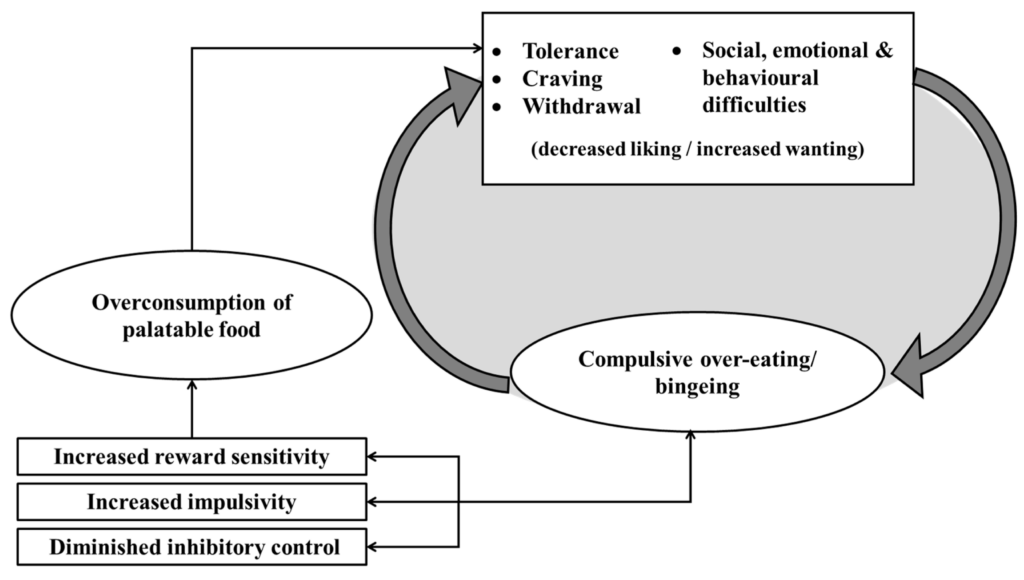
Imagine a world where people crave and consume food not because they are hungry, but because their minds have become addicted to it. In this thought-provoking article, we explore the profound impact that food addiction has on both mental and physical health. Delving into the complexities of this rising issue, we uncover the detrimental effects it can have on individuals’ overall wellbeing. From the vicious cycle of cravings and guilt to the long-term consequences on one’s body, understanding the implications of food addiction is crucial in striving for a healthier society.
The Impact of Food Addiction on Mental and Physical Health
Food addiction is a significant issue that can have profound impacts on both mental and physical health. When you develop an addiction to food, it not only affects your body but also your mind. Understanding the effects of food addiction on mental health can help you recognize the importance of seeking assistance and support for this condition. Additionally, exploring how food addiction can impact your physical well-being is crucial for maintaining overall health and preventing the development of chronic diseases.
Effects of Food Addiction on Mental Health
When it comes to mental health, food addiction can be particularly detrimental. It can lead to increased risks of depression and anxiety, negatively impact self-esteem and body image, contribute to emotional distress and mood disorders, and impair cognitive functioning.
Increased Risk of Depression and Anxiety
Food addiction is often associated with mental health disorders such as depression and anxiety. Research has shown that there is a link between food addiction and depression, with individuals who struggle with food addiction being more likely to experience depressive symptoms. Similarly, food addiction can play a role in the development and exacerbation of anxiety disorders.
Negative Impact on Self-Esteem and Body Image
Food addiction can take a toll on your self-esteem and body image. Constantly engaging in binge-eating behaviors and feeling a lack of control can lead to body dissatisfaction and a negative perception of oneself. This negative self-image can contribute to feelings of shame, guilt, and low self-worth, further perpetuating the cycle of food addiction.
Emotional Distress and Mood Disorders
Emotional distress and mood disorders are often intertwined with food addiction. Many individuals turn to food as a coping mechanism to deal with difficult emotions, leading to a reliance on food for emotional comfort. This reliance can exacerbate mood disorders and create a turbulent emotional state.
Impaired Cognitive Functioning
Food addiction can also impair cognitive functioning. The reward system in the brain becomes dysregulated as a result of chronic overeating, leading to changes in brain chemistry. This dysfunction affects cognitive processes such as decision-making, impulse control, and even memory and learning abilities.
Effects of Food Addiction on Physical Health
While the mental health implications of food addiction are significant, it is important not to overlook the physical health effects. Food addiction can contribute to weight gain and obesity, increase the risk of chronic diseases, and lead to nutritional imbalances and deficiencies.
Weight Gain and Obesity
One of the most visible effects of food addiction is weight gain and obesity. Food addiction often involves consuming large quantities of highly processed, energy-dense foods that are high in fats and sugars. These foods can contribute to excess calorie intake, leading to weight gain and an increased risk of obesity.
Increase in Chronic Diseases
Food addiction is closely associated with an increased risk of chronic diseases. Chronic diseases such as cardiovascular diseases, type 2 diabetes, and certain cancers have been linked to long-term overeating and the consumption of unhealthy foods. The excessive intake of sugars, unhealthy fats, and processed foods can have detrimental effects on the body, leading to the development of these diseases.
Nutritional Imbalances and Deficiencies
Food addiction can also result in nutritional imbalances and deficiencies. When individuals are primarily focused on consuming foods that they are addicted to, their overall diet becomes unbalanced. They may neglect consuming essential nutrients, vitamins, and minerals, leading to deficiencies and potential long-term health consequences.
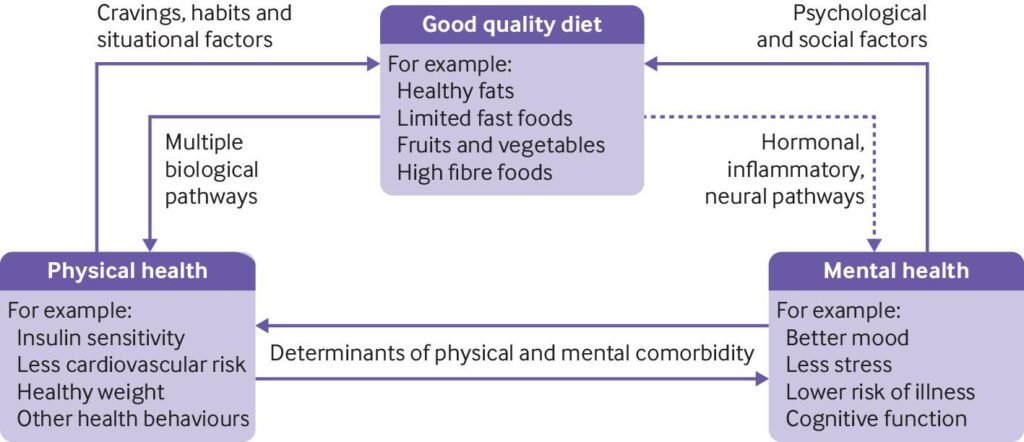
Interventions and Treatment for Food Addiction
Recognizing the impact of food addiction on both mental and physical health is crucial for seeking appropriate interventions and treatment. There are various approaches that can help individuals overcome food addiction, including counseling and therapy, support groups, lifestyle changes, nutrition education, and pharmacological approaches.
Counseling and Therapy
Seeking counseling and therapy can be highly beneficial for individuals struggling with food addiction. Therapeutic interventions, such as cognitive-behavioral therapy (CBT), can help individuals identify and change their unhealthy thought patterns and behaviors associated with food addiction. It can also address underlying emotional and psychological issues that contribute to addictive eating patterns.
Support Groups and Peer Support
Engaging in support groups and finding peer support can provide an invaluable source of encouragement and understanding during the recovery journey. Connecting with others who have had similar experiences can help alleviate feelings of isolation and provide a space for sharing coping strategies and success stories.
Lifestyle Changes and Nutrition Education
Making lifestyle changes and learning about nutrition play a vital role in overcoming food addiction. Adopting a balanced and nutritious diet, engaging in regular physical activity, and establishing healthy eating habits can help break the cycle of addiction. Learning about the nutritional value of foods and understanding how they affect the body can empower individuals to make informed choices and prioritize their health.
Medication and Pharmacological Approaches
In some cases, medication and pharmacological interventions may be considered as part of the treatment plan for food addiction. Certain medications can help regulate appetite, reduce cravings, and address the chemical imbalances in the brain that contribute to addictive behaviors. However, medication should always be used under the guidance of a healthcare professional and should be combined with other therapeutic approaches for optimal results.
In conclusion, food addiction can have profound effects on both mental and physical health. It can increase the risk of depression and anxiety, negatively impact self-esteem and body image, contribute to emotional distress and mood disorders, impair cognitive functioning, lead to weight gain and obesity, increase the risk of chronic diseases, and cause nutritional imbalances and deficiencies. Recognizing these effects is crucial for seeking appropriate interventions and treatment, such as counseling, support groups, lifestyle changes, nutrition education, and potentially medication. By addressing food addiction and prioritizing both mental and physical well-being, individuals can regain control of their health and lead fulfilling lives.