You may have heard about febrile seizures in children, a terrifying experience for parents to witness. Febrile seizures are convulsions that can occur in young children when they have a high fever. Although they may appear intense and alarming, febrile seizures are usually harmless, and most children will outgrow them by the age of five. In this article, we will explore the causes, symptoms, and treatment options for febrile seizures, as well as provide tips for parents on how to manage and prevent them. So, sit back, relax, and let’s dive into the world of febrile seizures in children!
Febrile Seizures in Children

Definition and Overview
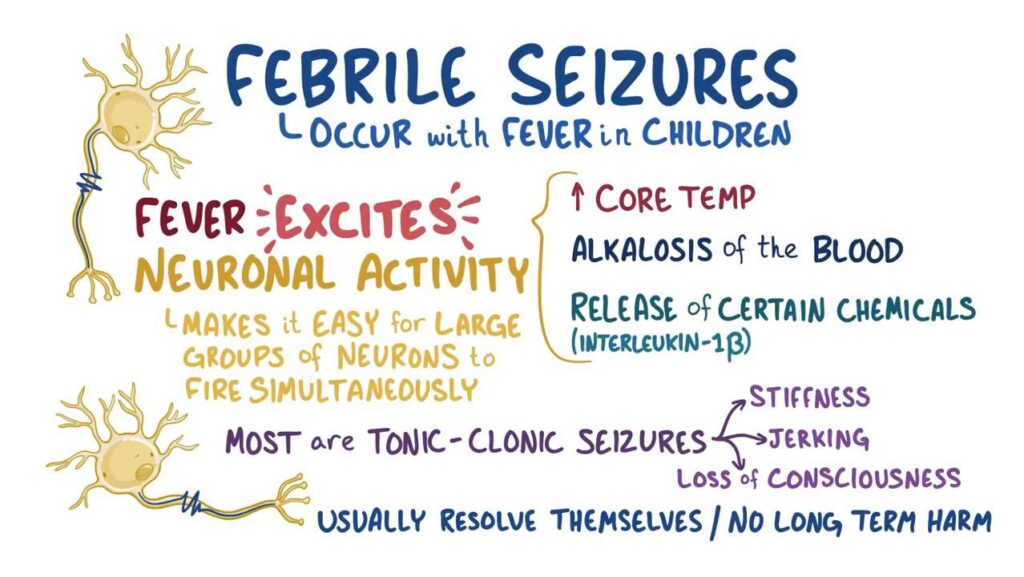
Febrile seizures are convulsions that occur in young children, typically between the ages of 6 months and 5 years, as a result of a sudden spike in body temperature. They are the most common type of seizures in children and usually occur during a fever. Febrile seizures can be a frightening experience for both the child and their parents, but they are generally harmless and do not cause any long-term damage. Understanding the causes, symptoms, treatment options, and prevention strategies can help parents manage febrile seizures and ensure the well-being of their child.
Types of Febrile Seizures
Febrile seizures are classified into two types: simple and complex. Simple febrile seizures are the most common and generally last less than 15 minutes. They usually involve twitching or jerking movements of the child’s arms and legs and a loss of consciousness. Complex febrile seizures, on the other hand, are less common and can last longer than 15 minutes. They may involve more pronounced convulsions and affect only one side of the body. While complex febrile seizures are generally benign, they can be a cause for concern and may require medical attention.

Causes of Febrile Seizures
The exact cause of febrile seizures is still not fully understood. However, research suggests that these seizures are triggered by the rapid rise in body temperature rather than the underlying illness causing the fever itself. Febrile seizures are often associated with common childhood infections, such as respiratory and gastrointestinal viral or bacterial infections. It is important to note that febrile seizures are not caused by vaccines or immunizations, despite occasional misconceptions.
Risk Factors
Certain factors may increase the risk of a child experiencing febrile seizures. These risk factors include a family history of febrile seizures, having a younger age at the first febrile seizure, and frequent high fevers. Children who experience their first febrile seizure before 12 months of age are more likely to have recurrent febrile seizures. It is essential for parents to be aware of these risk factors and take appropriate measures to prevent and manage febrile seizures.

Signs and Symptoms
Febrile seizures can be distressing to witness, but they are typically brief and self-resolving. The common signs and symptoms of febrile seizures include:
- Loss of consciousness or altered consciousness
- Muscle twitching or jerking movements in the arms and legs
- Rolling or fluttering eyes
- Rigidity or stiffness of the body
- Difficulty breathing or temporary cessation of breathing
It is important to remember that the child may not exhibit all of these symptoms during a febrile seizure. If your child experiences a seizure, it is crucial to stay calm, ensure their safety, and seek medical advice if needed.
Diagnostic Process
Febrile seizures are primarily diagnosed based on the child’s medical history and the description of the seizure provided by the parents or caregivers. Typically, no specific diagnostic tests are required for febrile seizures. However, healthcare professionals may perform additional tests, such as blood tests or imaging studies, if they suspect an underlying cause for the fever or seizures.

Treatment Options
Most febrile seizures stop on their own without medical intervention. During a seizure, it is important to keep your child safe by gently placing them on their side to prevent choking or aspiration. Focus on comforting your child and protecting them from any potential harm. After the seizure, it is vital to contact your healthcare provider to discuss the episode and seek further guidance, particularly if it is the child’s first febrile seizure or if there are any concerning symptoms.
As febrile seizures are typically harmless, treatment mainly focuses on managing and treating the underlying fever or infection. Over-the-counter fever-reducing medications such as acetaminophen (Tylenol) or ibuprofen (Advil) can be used to help lower the child’s temperature. It is important to follow the appropriate dosage instructions provided by your healthcare provider.
Prevention and Management Strategies
While it may not be possible to completely prevent febrile seizures, there are several strategies that parents can implement to reduce the risk or minimize the frequency of episodes:
-
Focus on fever management: Promptly treat and manage your child’s fever with appropriate fever-reducing medications, such as acetaminophen or ibuprofen, as directed by your healthcare provider. Ensure your child stays hydrated by encouraging fluids.
-
Prevent overheating: Dress your child in lightweight clothing and avoid excessive bundling or the use of heavy blankets. Maintain a comfortable room temperature to prevent overheating.
-
Monitor for early signs of illness: Pay close attention to your child’s overall well-being and look for early signs of illness, such as a runny nose, cough, or gastrointestinal symptoms. Promptly seek medical attention if necessary.
-
Educate caregivers and teachers: Inform anyone who regularly cares for your child, such as relatives, babysitters, or teachers, about the possibility of febrile seizures. Explain what to do during a seizure and ensure they are comfortable managing the situation.
-
Communicate with healthcare providers: Regularly consult your child’s healthcare provider to discuss any concerns or changes in symptoms. They can provide personalized advice and guidance based on your child’s specific needs.
Potential Complications
Febrile seizures, in most cases, pose no immediate danger to the child and do not cause lasting damage to the brain or nervous system. However, there are certain complications that may arise during a febrile seizure or afterward. These include injuries from falls during the seizure, biting the tongue or inside of the mouth, and breathing difficulties.
On rare occasions, prolonged or complex febrile seizures may lead to the development of epilepsy. However, it is important to note that the vast majority of children who experience febrile seizures do not go on to develop epilepsy. The risk of developing epilepsy is higher in children with a family history of epilepsy or other risk factors.
Prognosis and Long-Term Outlook
Febrile seizures are generally considered benign and have an excellent prognosis. Most children outgrow febrile seizures by the age of 6, and recurrent febrile seizures become less frequent as the child grows older. The risk of developing epilepsy or other neurological conditions later in life due to febrile seizures is relatively low.
It is important for parents to remain proactive in managing febrile seizures and prioritize their child’s overall health and well-being. By understanding the causes, recognizing the symptoms, implementing preventive strategies, and seeking appropriate medical care, parents can effectively navigate febrile seizures and ensure the long-term health of their child. Remember, you are not alone in this journey, and healthcare professionals can provide valuable support and guidance to help you navigate through the challenges associated with febrile seizures.