
Feeling the summer heat is great when you’re lounging by the pool or enjoying a day at the beach, but it’s important to know how to recognize and address heat exhaustion. Whether you’re planning an outdoor adventure or simply going about your daily routine, understanding the symptoms and knowing what to do can make all the difference in keeping yourself and your loved ones safe. In this article, we’ll cover everything you need to know about heat exhaustion, from its causes and symptoms to the essential first aid steps you can take to help someone in need. So, grab a cool drink and let’s dive into the world of heat exhaustion!
Understanding Heat Exhaustion
Heat exhaustion is a condition that occurs when your body is unable to properly regulate its temperature in hot weather or during intense physical activity. This happens because your body’s cooling mechanisms, such as sweating, are overwhelmed, leading to an increase in body temperature. Heat exhaustion is not to be taken lightly, as it can progress to a more serious condition known as heat stroke if left untreated.
Definition of Heat Exhaustion
Heat exhaustion is a heat-related illness that typically occurs when you are exposed to high temperatures and engage in vigorous physical activity. It is characterized by a variety of symptoms and can affect individuals of any age, although certain groups are more at risk. It is crucial to recognize the signs of heat exhaustion and take immediate steps to cool down and seek medical help if necessary.

Causes of Heat Exhaustion
Heat exhaustion can occur due to a combination of factors, including environmental conditions, physical exertion, and personal risk factors. Exposure to high temperatures and humidity for a prolonged period, especially in the absence of adequate hydration, increases the likelihood of developing heat exhaustion. Additionally, engaging in intense physical activity without proper rest and hydration can also contribute to the condition.
Symptoms of Heat Exhaustion
Recognizing the symptoms of heat exhaustion is crucial in order to take appropriate action promptly. Some common symptoms include excessive sweating, weakness, dizziness or lightheadedness, headache, nausea or vomiting, confusion, and muscle cramps. If you or someone you know is experiencing these symptoms, it is important to move to a cooler environment and begin cooling measures immediately.

Immediate Steps to Take
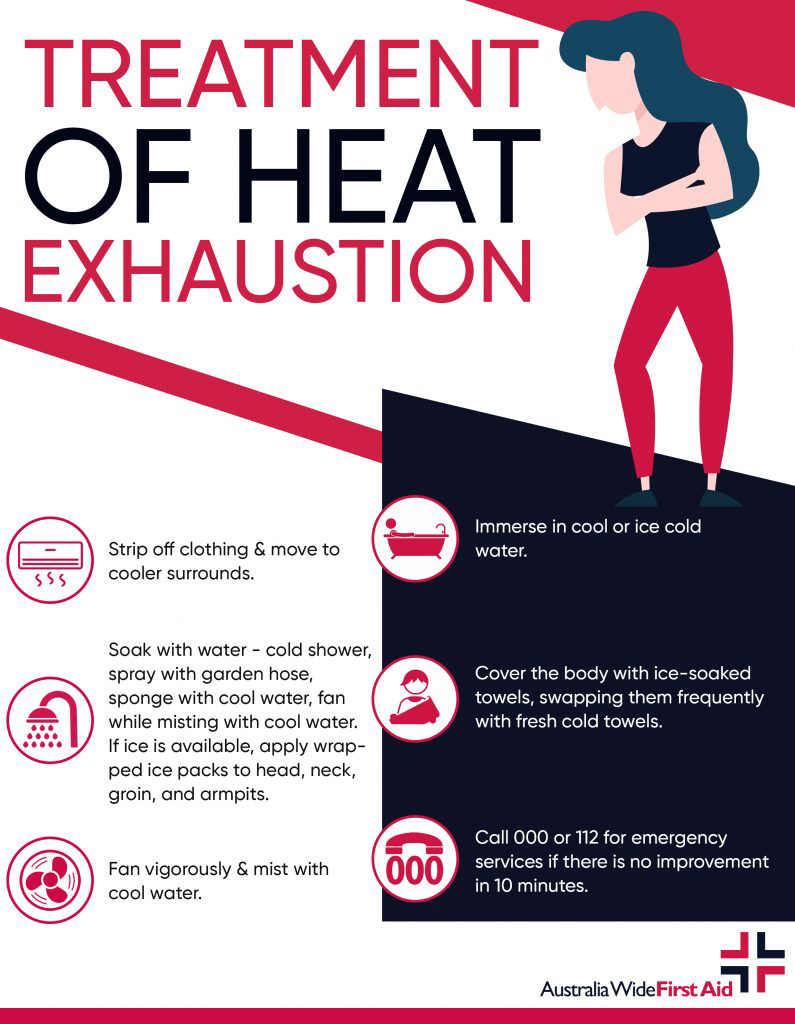
When faced with a situation of heat exhaustion, there are several immediate steps you can take to help cool down the affected person and prevent the condition from worsening.
Recognizing heat exhaustion
The first step is to recognize the signs of heat exhaustion, which include excessive sweating, weakness, dizziness, headache, and muscle cramps. If you or someone around you is exhibiting these symptoms, it is essential to take action promptly.
Moving to a cooler environment
The next step is to move the affected person to a cooler environment as quickly as possible. Seek out shade or an air-conditioned space to help lower the body’s temperature and provide relief from the heat.
Loosening clothing and removing accessories
To promote heat dissipation, it is important to loosen clothing or remove any unnecessary accessories, such as hats or scarves. This allows for better airflow and helps the body cool down more effectively.
Providing shade or a fan
If immediate access to an air-conditioned space is not available, creating shade or using a fan can provide temporary relief. Positioning the person in a spot with shade or using a handheld fan to create airflow can aid in cooling down the body.
Offering sips of water
It is important to offer small sips of water to the affected person, provided they are conscious and able to swallow. Hydration is crucial in replenishing fluids lost through sweating and preventing further dehydration.
Applying cool water to the body
In order to initiate the cooling process, applying cool water to the body can be effective. This can be done by wetting a cloth or sponge with cool water and gently applying it to the person’s skin, particularly the neck, face, and wrists.
Using cold compresses
Another method to cool down the body is by using cold compresses on the forehead or the back of the neck. This can be achieved by soaking a cloth in ice water or using a cold gel pack, then applying it to the desired area.
Professional Help
In some cases, heat exhaustion may require immediate medical attention. It is important to know when to call emergency services and what information to provide.
When to call emergency services
Emergency services should be called if the affected person’s condition worsens or does not improve within 30 minutes, or if they exhibit symptoms of heat stroke. These symptoms include a body temperature above 104°F (40°C), altered mental state, seizures, or loss of consciousness.
What to tell the dispatcher
When calling emergency services, provide the dispatcher with relevant information, such as the person’s symptoms, current location, and any other pertinent details about the situation. This allows the medical responders to be prepared and provide appropriate assistance.
Assisting the person until help arrives
While waiting for professional help to arrive, continue to provide aid to the affected person. Follow the immediate steps mentioned earlier, ensuring they remain in a cool environment, using cooling measures, and monitoring their condition closely.

Preventing Heat Exhaustion
Preventing heat exhaustion is paramount, especially during hot weather or when engaging in physical activity. By following a few simple steps, you can greatly reduce the likelihood of developing this condition.
Staying hydrated
The most crucial preventive measure is to stay hydrated. Drink plenty of fluids, particularly water, throughout the day, even if you do not feel thirsty. Avoid excessive alcohol or caffeine consumption, as these can contribute to dehydration.
Wearing appropriate clothing
Choosing the right clothing can help regulate body temperature and promote airflow. Opt for lightweight, loose-fitting, light-colored garments that allow air to circulate, keeping you cooler.
Taking breaks in cool areas
When outdoors for prolonged periods, take regular breaks in cool or shaded areas. This allows your body to rest and cool down before resuming activity.
Avoiding excessive physical exertion
Limit intense physical activity, particularly during the hottest parts of the day. If you must engage in strenuous activities, try to schedule them during cooler hours, such as early morning or evening.
Monitoring weather conditions
Stay informed about weather conditions, particularly if planning outdoor activities. Pay attention to heat advisories or warnings, and adjust your plans accordingly to avoid exposure to extreme temperatures.
Risk Factors
Several factors can increase an individual’s risk of developing heat exhaustion. It is important to be aware of these risk factors and take extra precautions if they apply to you or someone you know.
Age
Both the very young and the elderly are more susceptible to heat exhaustion. Children have limited capacity to regulate their body temperature, while older adults may have underlying health conditions that affect their ability to cope with heat.
Health conditions
Certain medical conditions, such as heart disease, high blood pressure, and diabetes, can make individuals more vulnerable to heat exhaustion. Medications, including diuretics or medications that affect perspiration, can also increase the risk.
Medications
Certain medications can interfere with your body’s ability to regulate temperature and increase the risk of heat exhaustion. It is important to consult with a healthcare professional about potential side effects and take precautions when engaging in activities that may lead to excessive heat exposure.
Environmental factors
Environmental factors, such as high humidity, can hinder your body’s ability to cool down through sweating. Working in hot environments, without adequate ventilation or access to cool areas, can increase the risk of heat exhaustion.

Treating Heat Exhaustion in Children
Heat exhaustion in children requires specific considerations and prompt action to ensure their well-being.
Specific considerations for children
Children may have difficulty communicating their symptoms or recognizing the signs of heat exhaustion. It is crucial for parents and caregivers to be vigilant and actively monitor children for any signs of distress during hot weather or physical activity.
Signs of heat exhaustion in children
Signs of heat exhaustion in children may include excessive thirst, irritability, fatigue, headache, pale skin, or cool, clammy skin. If any of these symptoms are observed, it is important to take immediate action to cool down the child.
First aid for children
Follow the immediate steps previously discussed, ensuring the child is quickly moved to a cooler environment, offered sips of water, and provided with cooling measures such as wet cloths or cold compresses. If the child’s condition worsens or does not improve, seek medical help immediately.
Treating Heat Exhaustion in Older Adults
Heat exhaustion in older adults requires special attention due to their increased vulnerability.
Specific considerations for older adults
Older adults often have decreased sensitivity to heat, making it harder for them to recognize the signs of heat exhaustion. Additionally, they may have underlying health conditions that further compromise their ability to cool down effectively.
Signs of heat exhaustion in older adults
Signs of heat exhaustion in older adults may be similar to those seen in other age groups, but it is important to be attentive to any changes in their behavior or health. Watch out for symptoms such as confusion, rapid heartbeat, or rapid breathing, as these may indicate a more critical condition.
First aid for older adults
Follow the same immediate steps outlined earlier, ensuring the older adult is moved to a cooler environment and offered sips of water. Continue to monitor their condition closely, and if there is no improvement or the situation deteriorates, seek professional medical assistance promptly.
Heat Exhaustion vs Heat Stroke
It is important to distinguish between heat exhaustion and heat stroke, as the latter is a medical emergency requiring immediate attention.
Distinguishing between heat exhaustion and heat stroke
Heat exhaustion is a milder form of heat-related illness, while heat stroke is more severe and potentially life-threatening. While heat exhaustion can progress to heat stroke, there are distinct differences in symptoms. Heat stroke is characterized by a body temperature above 104°F (40°C), along with an altered mental state, seizures, and loss of consciousness.
First aid for heat stroke
If there is any suspicion of heat stroke, immediate medical help should be sought. In the meantime, move the person to a cooler environment, remove excess clothing, and use cooling measures such as cool water or cold compresses while waiting for professional assistance.
Complications of Heat Exhaustion
If left untreated, heat exhaustion can lead to several complications, which highlight the importance of early recognition and appropriate care.
Heat cramps
Heat cramps are painful muscle contractions that may occur during or after intense physical activity in hot weather. They are typically caused by dehydration and electrolyte imbalances and can be a precursor to heat exhaustion.
Heat syncope
Heat syncope, or heat-related fainting, is characterized by a sudden loss of consciousness or lightheadedness due to a drop in blood pressure. It is often a result of dehydration and inadequate blood flow to the brain, and can be a warning sign of heat exhaustion.
Heat rash
Heat rash, also known as prickly heat, is a skin irritation caused by excessive sweating and blocked sweat ducts. It is characterized by small red bumps or blisters and can be uncomfortable, but usually resolves on its own.
Long-term effects
While heat exhaustion is typically a temporary condition, prolonged and repeated episodes can have long-term effects on the body. These may include impaired thermoregulatory function, increased susceptibility to heat-related illnesses, and potential damage to organs such as the kidneys.
Summary
Understanding heat exhaustion is vital for staying safe during hot weather or intense physical activity. By recognizing the signs and taking immediate steps to cool down and provide care, you can prevent the condition from worsening and potentially progressing to heat stroke. It is crucial to stay hydrated, wear appropriate clothing, and take breaks in cool areas to prevent heat exhaustion. Specific considerations for children and older adults should be taken into account, and any signs of heat exhaustion in these groups should be addressed promptly. Recognizing the distinction between heat exhaustion and heat stroke is essential, as heat stroke requires immediate medical attention. Remember, early intervention and proper first aid can make a significant difference in ensuring a positive outcome.
Key Takeaways
- Heat exhaustion occurs when your body is unable to properly regulate its temperature in hot weather or during intense physical activity.
- Immediate steps for treating heat exhaustion include moving to a cooler environment, loosening clothing, providing shade or a fan, offering sips of water, applying cool water to the body, and using cold compresses.
- Knowing when to call emergency services and what information to provide is important in case of severe heat exhaustion or progression to heat stroke.
- Preventing heat exhaustion involves staying hydrated, wearing appropriate clothing, taking breaks in cool areas, avoiding excessive physical exertion, and monitoring weather conditions.
- Certain factors, such as age, health conditions, medications, and environmental factors, can increase the risk of heat exhaustion.
- Treating heat exhaustion in children and older adults requires specific considerations and prompt action.
- Distinguishing between heat exhaustion and heat stroke is crucial, as heat stroke is a medical emergency.
- Complications of heat exhaustion include heat cramps, heat syncope, heat rash, and potential long-term effects on the body.