
Foods That Trigger Acid Reflux
Have you ever experienced that uncomfortable burning sensation in your chest after a meal? You’re not alone.
Many people deal with acid reflux, and one key culprit behind this discomfort can be the foods they eat. Understanding which foods can trigger acid reflux is crucial in managing and preventing it effectively.
What is Acid Reflux?
Acid reflux occurs when stomach acid flows back into the esophagus, the tube that connects your mouth to your stomach. This backflow can cause a sensation known as heartburn and other symptoms like regurgitation, throat irritation, and difficulty swallowing.
The condition can vary in intensity from mild discomfort to severe pain, and over time, frequent acid reflux can lead to more serious health issues, such as gastroesophageal reflux disease (GERD).
How Food Choices Affect Acid Reflux
Your diet plays a significant role in how often you experience acid reflux. Certain foods can relax the lower esophageal sphincter (LES), the muscle that keeps stomach acid in place, allowing acid to escape into the esophagus. Identifying these foods is essential for managing your symptoms.
Common Foods That Trigger Acid Reflux
Some foods are known to be significant triggers for acid reflux. Below is a breakdown of these foods, categorized for better understanding.
1. Fatty Foods
Fatty foods can slow down the digestive process, allowing for increased acid production and reflux. This includes:
| Food Type | Examples |
|---|---|
| Fats and Oils | Fried foods, butter, lard |
| Full-Fat Dairy | Cream, whole milk, cheese |
| Fatty Meats | Bacon, sausage, specific cuts of beef |
Choose lean meats and low-fat dairy products instead. This can help mitigate acid reflux symptoms significantly.
2. Spicy Foods
Spicy foods can irritate the esophagus and provoke acid production. Common spicy ingredients include:
| Spice Type | Examples |
|---|---|
| Hot Peppers | Chili peppers |
| Spices | Black pepper, curry |
| Seasonings | Hot sauce, wasabi |
If you’re a fan of spicy food, it may be beneficial to reduce the heat level or alternate your spices to find a balance that works for you.
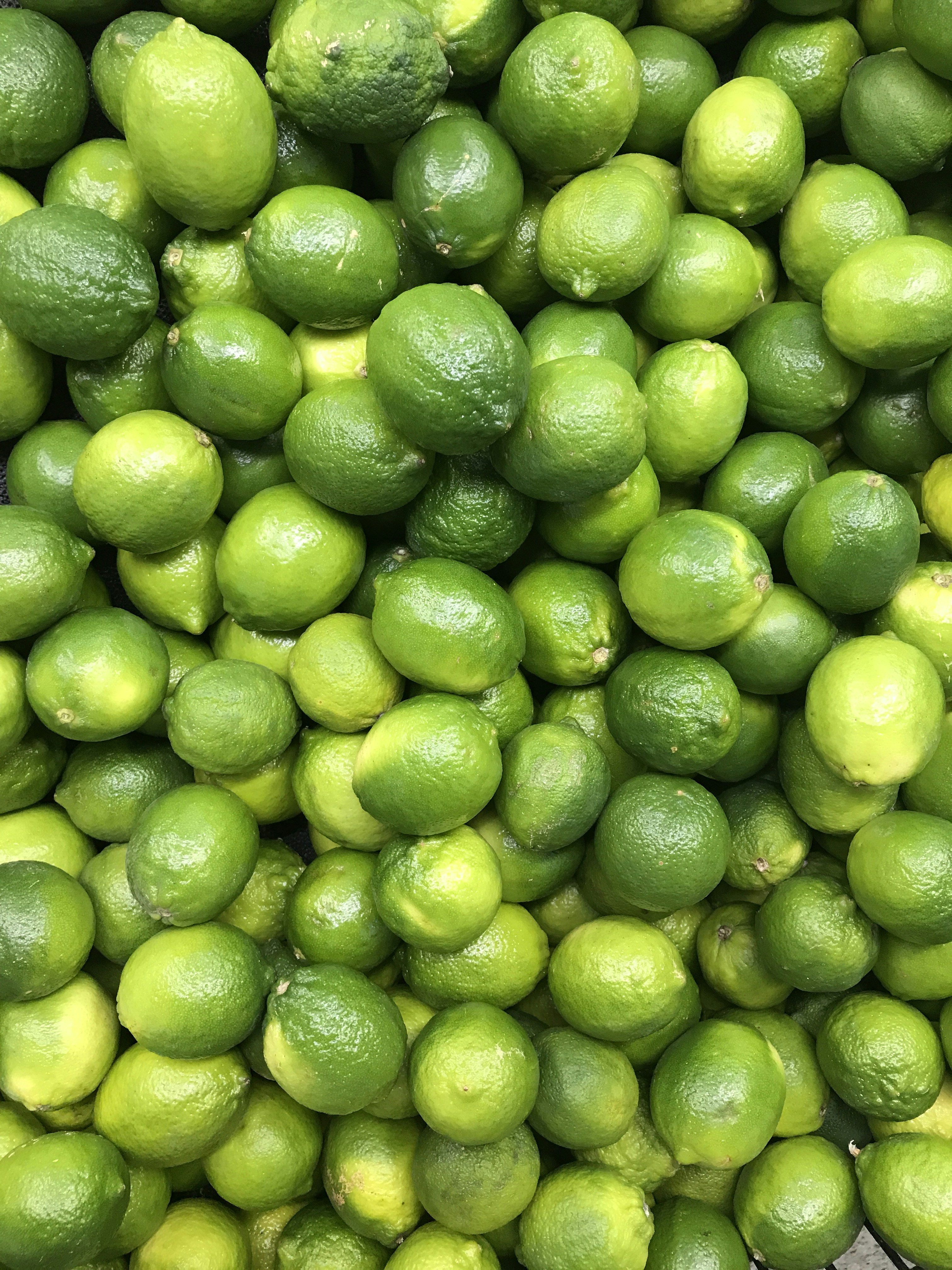
3. Citrus Fruits
While citrus fruits like oranges and grapefruits are heralded for their health benefits, they can also increase acidity in the stomach. High-acid fruits include:
| Fruit Type | Examples |
|---|---|
| Citrus | Oranges, lemons, limes |
| Others | Pineapple |
If you’re having heartburn, consider replacing these fruits with non-citrus options like bananas or melons.
4. Tomatoes
Tomatoes are naturally acidic and can be a major contributor to acid reflux symptoms, especially regarding:
| Food Type | Examples |
|---|---|
| Tomato Products | Tomato sauce, salsa |
| Raw Tomatoes | Salad, juice |
Trying alternatives like carrots or sweet bell peppers can be a tasty way to avoid these triggers.
5. Chocolate
You may not want to hear this one, but chocolate is another common trigger due to its fat content and caffeine. Typically, chocolate products that pose a risk include:
| Chocolate Type | Examples |
|---|---|
| Milk Chocolate | Bars, candies |
| Dark Chocolate | Baked goods, desserts |
If you crave something sweet, consider alternatives like fruit or low-fat yogurt.
6. Caffeinated Beverages
Caffeine can stimulate acid production and relax the LES. Typical culprits in this category include:
| Beverage Type | Examples |
|---|---|
| Coffee | Brewed, espresso |
| Tea | Black tea, green tea |
| Energy Drinks | Various brands |
Opting for caffeine-free versions can be a practical approach to reducing acid reflux symptoms.
7. Alcohol
Alcohol can worsen acid reflux in several ways, including relaxing the LES. Beverages to watch out for include:
| Beverage Type | Examples |
|---|---|
| Beer | Various types |
| Wine | Red or white |
| Liquor | Spirits, mixed drinks |
If you enjoy a drink, consider limiting intake and choosing lower-acid wines.
8. Carbonated Drinks
The bubbles in carbonated drinks can increase stomach pressure, ultimately triggering reflux. Zones include:
| Beverage Type | Examples |
|---|---|
| Sodas | Cola, lemon-lime |
| Sparkling Water | Flavored or plain |
Switching to still water or herbal teas can help stay hydrated without increasing reflux risk.
9. Onions and Garlic
Onions and garlic are staples in many cuisines but can promote acid reflux. The acidity in these ingredients can be problematic, particularly in:
| Preparation Type | Examples |
|---|---|
| Raw Onions | Salads, sandwiches |
| Garlic | Sauces, dressings |
If you love flavor, use garlic-infused oils or chives as a milder alternative.
10. Mint
Mint is often associated with soothing digestive issues but can exacerbate acid reflux in some individuals. This includes:
| Mint Types | Examples |
|---|---|
| Peppermint | Tea, candies |
| Spearmint | Chewing gum, dishes |
For a refreshing alternative, consider ginger or chamomile, which can provide a calm stomach.
Understanding Your Triggers
While this list covers common food triggers for acid reflux, it’s important to remember that each person is unique. Some foods may affect you differently depending on your body’s reactions and sensitivities.
Keeping a food diary can be incredibly helpful in identifying specific triggers. Please document what you eat and drink and any symptoms you experience afterward. Over time, you can discern which foods to avoid most strictly.
Making Adjustments to Your Diet
You should make some dietary adjustments to manage acid reflux effectively. Simple changes can lead to significant improvements in your comfort and overall well-being. Here are some tips to consider:
- Eat Smaller Meals: Large meals can pressure your LES. Instead of three big meals, try dividing your food into smaller, more frequent meals.
- Chew Thoroughly: Take your time when eating. Chewing thoroughly can aid digestion and help your body process food more efficiently.
- Stay Upright After Meals: Eating seated and upright for at least an hour after eating can help reduce reflux.
- Avoid Eating Before Bed: Allow at least 2-3 hours between your last meal and bedtime to reduce the chance of night-time reflux.
- Drink Water Between Meals: Sip water throughout the day instead of drinking large quantities during meals to avoid stomach pressure.
Cooking Methods to Reduce Acid Reflux
Besides choosing the right ingredients, preparing food can also impact acid reflux. Consider the following cooking methods, which are usually easier on the stomach:
Steaming
Steaming keeps food tender and nutrient-rich without adding fats. Steamed vegetables and fish can be a delicious way to avoid heartburn.
Grilling
Grilling can allow excess fat to drip away, making it a healthier choice. Chicken and vegetables grilled with minimal seasoning can be great options.
Baking
Baked foods can be less oily than fried alternatives. Try baked chicken or roasted vegetables for delightful meals that won’t aggravate reflux.
Boiling
Boiling can be a simple way to prepare grains and vegetables. Whole grains, like oatmeal or quinoa, can promote better digestion without triggering symptoms.

Alternative Remedies for Acid Reflux
If you’re seeking relief from acid reflux, you may consider integrating some alternative approaches alongside dietary changes:
Herbal Remedies
Certain herbs can assist with digestion and reduce acidity, including:
- Ginger: Often used in teas, ginger can soothe the stomach lining.
- Chamomile: This herb can help calm after meals and reduce inflammation.
- Licorice Root: Known for its potential to soothe stomach irritation.
Lifestyle Changes
Sometimes, lifestyle adjustments can be just as beneficial as dietary choices. Here are some to think about:
- Maintain a Healthy Weight: Excess weight can pressure your LES, increasing the risk of reflux. Aim for a healthy weight through balanced eating and exercise.
- Manage Stress: Stress can exacerbate symptoms. Consider yoga, meditation, or deep-breathing exercises to help manage stress levels.
- Quit Smoking: If you smoke, quitting can benefit your overall health and potentially reduce acid reflux symptoms.
- Wear Loose Clothing: Tight clothing can exacerbate pressure on your abdomen. Choosing comfortable clothing can promote better digestion.
When to Consult a Doctor
While dietary and lifestyle adjustments can help manage acid reflux, there are times when it’s essential to consult with a healthcare professional. If you notice any of the following, seek medical advice:
- Symptoms persist or worsen despite dietary changes.
- You experience difficulty swallowing or unintentional weight loss.
- There’s persistent nausea or vomiting.
- You have a chronic cough, especially at night.
These symptoms may indicate a more severe condition that necessitates professional medical attention.

Identifying and limiting foods that trigger acid reflux can lead to a more comfortable lifestyle and better health. While navigating specific triggers and making dietary adjustments may seem challenging initially, the benefits can be substantial.
By understanding your body and making informed choices, you can effectively manage acid reflux and enjoy a wider variety of foods once you discover what works best. Remember, you’re not alone in this journey; it can become manageable with patience and effort.
Related Topics About Foods That Trigger Acid Reflux
Can Certain Foods Trigger Acid Reflux,
Food To Help Acid Reflux Symptoms,
Foods That Can Trigger Acid Reflux,
Foods That Cause Stomach Acid Reflux,
Foods That Help Acid Reflux Uk,
Foods That Help In Acid Reflux,
Foods That Help Reduce Acid Reflux,
Foods That Help With Acid Reflux During Pregnancy,
Foods That Trigger Acid Reflux,
Foods That Won’t Trigger Acid Reflux,
List Of Foods That Trigger Acid Reflux,
Some Foods That Cause Acid Reflux,
Top Foods That Cause Acid Reflux,
What Are Foods That Trigger Acid Reflux,
What Are The Foods That Trigger Acid Reflux,
What Foods Cause Acid Reflux The Most,
What Foods Cause Acid Reflux Uk,
What Things Trigger Acid Reflux
===========
Content 10/10/G