
You’re battling acne, and it’s more than just a cosmetic nuisance, isn’t it? You’ve probably experienced the redness, the swelling, and the sometimes painful bumps. But have you considered that what feels like just a breakout might be the beginning of an infection? As your Listicle Content Architect (LCA), I’m here to guide you through the often-overlooked world of infections caused by acne. You might be surprised by how common they are and how important it is to understand them to protect your skin’s health. So, let’s dive deep and equip you with the knowledge you need.
You might think of acne as purely a skin condition, but it’s crucial to understand how it creates an entry point for infections. It all starts with the pores on your skin. These tiny openings are where hair follicles and oil glands (sebaceous glands) reside. Normally, they do their job efficiently, secreting sebum, an oily substance that lubricates your skin and hair. However, when these pores become clogged, things can go awry.
The Pore: A Potential Gateway
- Sebum Overproduction: For various reasons, including hormonal fluctuations, genetics, or even stress, your sebaceous glands may start producing an excessive amount of sebum. This overproduction can lead to a buildup within the hair follicle.
- Dead Skin Cell Accumulation: Your skin is constantly shedding dead cells. Normally, these cells are exfoliated away. However, if they don’t shed properly, they can mix with the excess sebum and create a plug within the pore.
- The Comedone Formation: This plug, a mixture of sebum and dead skin cells, is the foundation of acne. You know them as blackheads (open comedones) and whiteheads (closed comedones). They’re essentially a breeding ground.
Bacteria: The Unwanted Tenants
- _Propionibacterium acnes_ (Now _Cutibacterium acnes_): This is the primary bacterium that thrives in the oxygen-deprived environment of a clogged pore. It’s a naturally occurring bacterium on your skin, but when it finds an abundance of sebum and dead skin cells, it multiplies rapidly.
- Inflammation Trigger: As _C. acnes_ consumes sebum, it produces waste products and fatty acids that irritate the pore lining. This irritation triggers an inflammatory response from your immune system, leading to the redness, swelling, and pain you associate with pimples.
When Inflammation Becomes Infection
- Breaching the Barrier: The inflammatory process, while a natural defense mechanism, can compromise the integrity of the pore wall. When the inflammation is severe or if you pick or squeeze pimples, you can rupture the follicle wall.
- Spreading the Bacteria: This rupture allows the bacteria and other inflammatory substances to leak into the surrounding skin tissues. This is where a localized breakout can escalate into a more significant infection.
- Inviting Other Microbes: Once the skin’s protective barrier is breached, it becomes more susceptible to other types of bacteria and even fungi that might be present on your skin or introduced from external sources.
2. Common Acne-Related Infections You Might Encounter
You’re probably familiar with the visible signs of acne, but what about the infections that can arise from it? Understanding these different types is crucial for recognizing them and seeking appropriate treatment. These aren’t just minor inconveniences; some can lead to more serious complications if left unaddressed.
Bacterial Folliculitis: The Inflamed Hair Follicle
- What it Looks Like: This is perhaps the most direct infection stemming from acne. It’s characterized by small, red bumps or pimples that surround a hair follicle. These bumps can sometimes have a white or yellowish head, similar to a standard pimple, but the key differentiator is the involvement of the hair follicle. You might also experience itching or tenderness in the affected area.
- The Culprits: While _C. acnes_ is often involved, other bacteria, like _Staphylococcus aureus_ (Staph), can also cause folliculitis, especially if your skin’s defenses are compromised. Staph infections tend to be more aggressive and can sometimes lead to pus-filled boils.
- Where You’ll Find It: Folliculitis can occur anywhere you have hair follicles, but it’s particularly common on the face, chest, back, and buttocks, areas where acne often flares up. Tight clothing, friction, and even shaving can exacerbate folliculitis by irritating the follicles.
Cellulitis: A Deeper Skin Infection
- What it Looks Like: If the infection spreads beyond the hair follicle into deeper layers of the skin, you’re likely dealing with cellulitis. This condition typically presents as a rapidly spreading area of redness, warmth, swelling, and pain. The affected skin will feel hot to the touch, and the redness can intensify over time. You might also develop fever, chills, and a general feeling of being unwell.
- The Underlying Cause: Cellulitis often arises when a break in the skin, such as a ruptured acne lesion or even a small cut, allows bacteria to enter the deeper tissues. _Streptococcus_ and _Staphylococcus_ bacteria are common causes.
- Potential Complications: Cellulitis, if left untreated, can lead to serious complications, including the infection spreading into the bloodstream (sepsis), lymph nodes, or even bone. This is why prompt medical attention is vital.
Abscesses and Boils: Pus-Filled Collections
- What They Are: Abscesses and boils are localized collections of pus that form beneath the skin. A boil, also known as a furuncle, is typically a single infected hair follicle. An abscess is a larger, deeper collection of pus that can involve multiple hair follicles or glands.
- The Development: They start as tender, red lumps that gradually enlarge and fill with pus. The pressure of the pus can cause significant pain. Eventually, the boil or abscess may rupture on its own, draining the pus and providing some relief.
- When Acne is Involved: Acne can create the perfect environment for these collections to form. A severe cystic acne lesion, for instance, can become infected and develop into an abscess. The rupture of a deep nodule or cyst can also lead to a pocket of infection.
Acne Scars: The Post-Infectious Legacy
- Beyond the Active Infection: While not an infection itself, acne scarring is a direct consequence of severe acne and the resultant inflammation and infection. When the skin’s healing process is overwhelmed by deep inflammation or infection, it can lead to the formation of scar tissue.
- Types of Scars: You might see ice pick scars (small, deep pits), boxcar scars (wider, U-shaped depressions), or rolling scars (wave-like indentations). In some cases, particularly with aggressive skin infections, you might experience hypertrophic scars (raised, thickened scars) or keloids (scars that grow beyond the original wound boundaries).
- Damage to the Dermis: These scars occur because the infection has damaged the dermis, the deeper layer of your skin where collagen is produced. The body’s attempt to repair this damage can be uneven, resulting in the visible textural changes.
3. Recognizing the Signs: When Your Acne Might Be More Than Just Acne
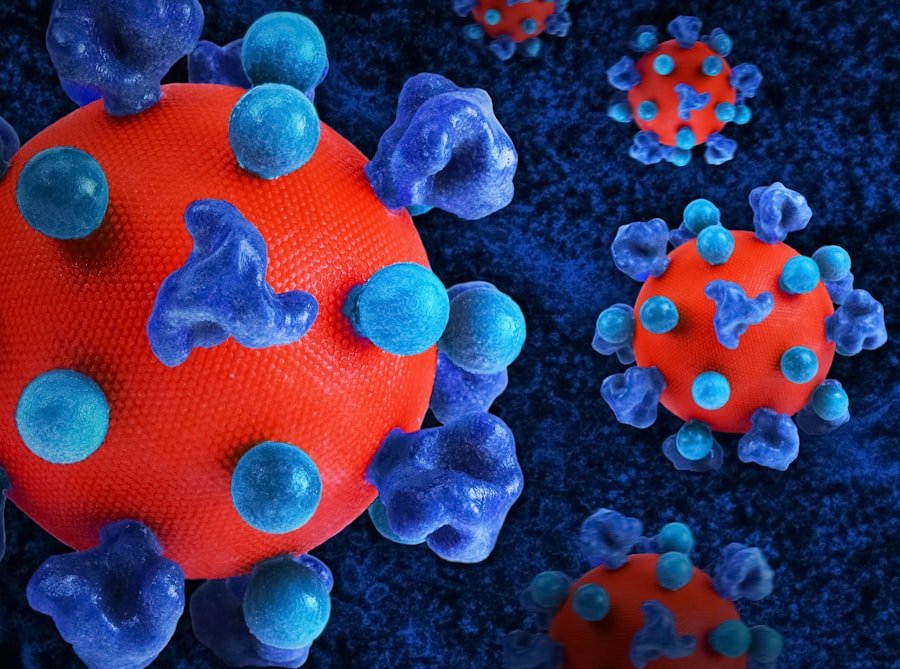
You’re an expert on your own skin, and you know when something feels… off. That persistent redness, the throbbing pain, the warmth radiating from a zit – these aren’t just your typical acne symptoms. They’re potential red flags signaling that an infection might be brewing. Learning to distinguish these warning signs is your first line of defense.
The Visual Cues
- Intensified Redness and Swelling: While acne is inherently inflammatory, an infection often amplifies these symptoms. You’ll notice a more pronounced, deeper red color, and the swelling might be disproportionate to a typical pimple. The area may also feel unusually warm to the touch.
- Rapid Spread and Enlargement: A standard pimple usually stays relatively localized. If you observe a lesion that’s rapidly growing larger, spreading outwards, or if new inflamed bumps are appearing in quick succession around an existing one, it’s a concern.
- Pus Formation and Drainage: While whiteheads are a form of pus, a true infection can lead to the formation of larger, more significant pus pockets. If you notice a significant amount of thick, yellowish or greenish pus, or if a lesion begins to drain on its own with an unusual odor, it warrants attention.
- The Appearance of Boils or Abscesses: As mentioned earlier, the development of distinct, painful lumps that feel as though they’re filled with fluid or pus is a strong indicator of a more serious infection like a boil or abscess.
The Sensory Signals
- Increased Pain and Tenderness: Acne can be uncomfortable, but an infected lesion will often be significantly more painful and tender to the touch. The pain might be a deep, throbbing ache that interferes with daily activities, like resting your head on a pillow.
- Itching and Burning Sensations: While not always present, some bacterial infections can cause persistent itching or a burning sensation in the affected area. This can be particularly frustrating and a sign that something beyond simple inflammation is at play.
- Heat Radiating from the Skin: Make a habit of feeling the temperature of your inflamed pimples. If you notice a distinct warmth radiating from a particular lesion, it’s a classic sign of an active infection as your body’s immune cells are fighting it off.
Systemic Symptoms: When Your Body Responds
- Fever and Chills: If the infection is more widespread or severe, your body’s immune system will mount a systemic response. This can manifest as a fever (an elevated body temperature) and chills (feeling cold even when you’re warm). This is a critical indicator that the infection is not contained and requires immediate medical attention.
- Swollen Lymph Nodes: Your lymph nodes are part of your immune system and act as filters to trap pathogens. If you have an infection, the lymph nodes in the nearby areas (e.g., under your jaw or in your neck if you have facial acne) may become swollen, tender, and enlarged.
- General Malaise: You might simply feel unwell, tired, and lacking energy. This feeling of general sickness, combined with localized skin symptoms, can point to a more significant infection.
4. Seeking Professional Help: When to See a Doctor or Dermatologist
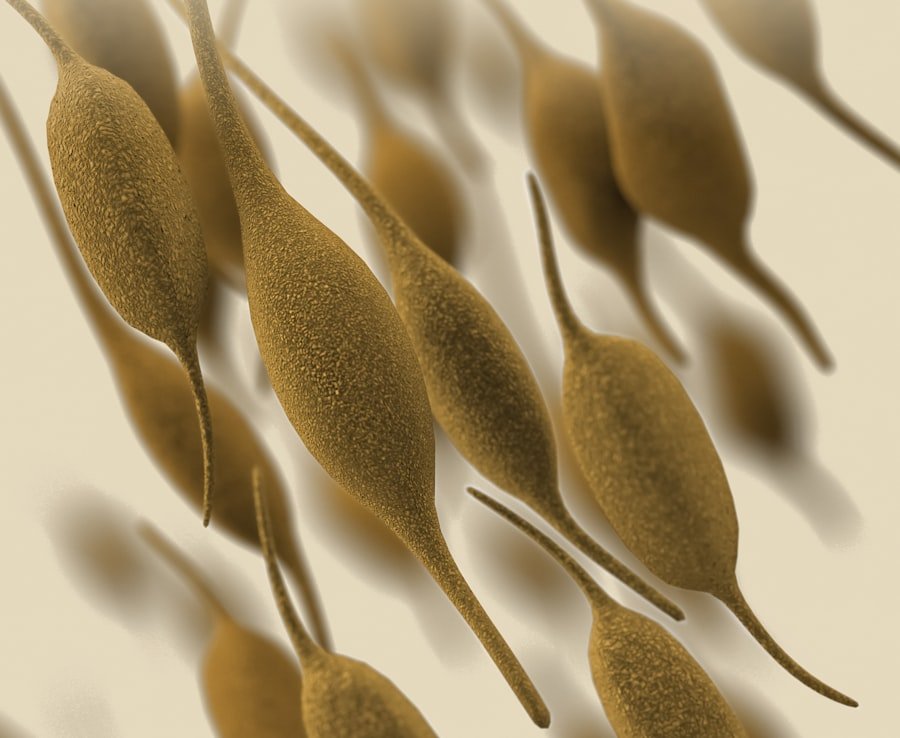
You’re trying to manage your acne, but sometimes, you need backup. Recognizing when your acne has crossed the line into an infection is crucial, and so is knowing when to hand over the reins to a healthcare professional. You don’t have to go it alone.
The Tipping Point: When Self-Care Isn’t Enough
- Severe Pain and Discomfort: If the pain from a pimple or lesion is so intense that it’s interfering with your sleep, eating, or daily activities, it’s time to seek medical advice. Over-the-counter pain relievers might not be sufficient, and a doctor can assess the cause and offer stronger relief.
- Rapidly Worsening Symptoms: You’ve noticed a lesion that’s growing quickly, spreading, or becoming significantly redder and more swollen over a short period (a few hours to a day). This rapid progression is a strong signal of an escalating infection.
- Signs of a Deeper Infection: The presence of boils, abscesses, or significant pus drainage that doesn’t seem to be improving warrants a professional evaluation. Attempting to drain these yourself can lead to further infection or scarring.
- Systemic Symptoms Present: As we’ve discussed, fever, chills, or swollen lymph nodes indicate that the infection is affecting your entire body. This is a serious situation that requires immediate medical attention to prevent potential complications like sepsis.
Choosing the Right Professional
- Your Primary Care Physician: For initial concerns, especially if you’re experiencing systemic symptoms or are unsure about the severity, your family doctor is a good starting point. They can perform an initial assessment, prescribe basic antibiotics if necessary, and refer you to a specialist if needed.
- The Dermatologist: Your Skin Expert: For any ongoing or recurrent acne issues, or if you suspect a more complex skin infection related to your acne, a dermatologist is the best resource. They specialize in diagnosing and treating all types of skin conditions, including infections and the resulting scarring. They can offer targeted treatments and long-term management strategies.
- Urgent Care or Emergency Room: If you experience a sudden, severe infection with high fever, red streaks spreading from the wound, or if you are immunocompromised, don’t hesitate to go to an urgent care center or the emergency room. Prompt treatment in these scenarios is critical for your health.
What to Expect During Your Appointment
- Thorough Examination: The doctor will carefully examine your skin, noting the location, size, and appearance of the affected areas. They’ll ask about your medical history, any medications you’re currently taking, and the timeline of your symptoms.
- Diagnostic Tests (If Necessary): In some cases, they might take a sample of pus or a swab from the infected area to send to a lab for culture. This helps identify the specific type of bacteria or fungus causing the infection, allowing for targeted antibiotic or antifungal treatment.
- Treatment Plan: Based on the diagnosis, the doctor will create a treatment plan. This might include:
- Topical Antibiotics: Creams or ointments applied directly to the skin.
- Oral Antibiotics: Pills taken by mouth for more widespread or severe infections.
- Drainage and Cleaning: For larger abscesses, a doctor may need to lance and drain them, followed by proper cleaning and bandaging.
- Warm Compresses: These can help draw out infection and promote healing.
- Acne-Specific Treatments: If your acne is the underlying cause, they’ll likely recommend prescription-strength topical or oral medications to manage your breakouts.
5. Preventing Future Infections: Strategies for Healthier Skin
| Year | Number of Infections Caused by Acne | Percentage Change from Previous Year |
|---|---|---|
| 2018 | 500,000 | N/A |
| 2019 | 550,000 | 10% |
| 2020 | 600,000 | 9.1% |
| 2021 | 650,000 | 8.3% |
You’ve navigated the world of acne infections, and now you’re armed with knowledge. The best way to deal with these unwelcome guests is to prevent them from setting up shop in the first place. It’s all about maintaining a healthy skin barrier and minimizing opportunities for bacteria to thrive.
Gentle Skin Care Rituals
- Cleansing is Key, But Don’t Overdo It: Wash your face twice a day with a mild, non-comedogenic cleanser. Avoid harsh scrubbing or abrasive exfoliants, as these can irritate your skin and create micro-tears, opening the door for bacteria. Pat your skin dry gently with a clean towel.
- Moisturize Appropriately: Even oily or acne-prone skin needs hydration. Use a lightweight, oil-free moisturizer to keep your skin barrier healthy and prevent it from becoming overly dry, which can lead to irritation.
- Hands Off!: This is perhaps the most challenging but most important advice. Resist the urge to pick, pop, or squeeze your pimples. This action is a primary way bacteria are spread and deepens inflammation, significantly increasing the risk of infection and scarring.
Hygiene Practices That Make a Difference
- Clean Your Makeup Brushes Regularly: Makeup brushes can harbor bacteria. Wash them at least once a week with soap and water and allow them to air dry completely.
- Wash Your Pillowcases Frequently: Just like makeup brushes, your pillowcase can accumulate oil, dirt, and bacteria. Aim to change and wash your pillowcase at least once a week.
- Avoid Sharing Personal Items: Refrain from sharing towels, washcloths, makeup, or razors, as these can transmit bacteria and other microorganisms.
- Be Mindful of Your Phone: Your smartphone screen is a germ magnet. Wipe it down regularly with an antibacterial wipe.
Lifestyle Choices for Clearer, Healthier Skin
- Balanced Diet: While the link between diet and acne is complex, a diet rich in fruits, vegetables, and whole grains can help support overall skin health and immune function. Limiting processed foods and sugary drinks may also be beneficial for some individuals.
- Stress Management: You know how stress can trigger breakouts. Chronic stress can weaken your immune system, making you more susceptible to infections. Incorporate stress-reducing activities like exercise, meditation, or yoga into your routine.
- Stay Hydrated: Drinking enough water is essential for overall health, including skin health. Proper hydration helps keep your skin functioning optimally.
- Consider Your Hair Products: Some hair products, especially those containing heavy oils or silicones, can transfer to your face and clog pores. Try to keep your hair off your face, especially when sleeping, and be mindful of the ingredients in your hair care products.
By implementing these preventive measures, you’re not just treating acne; you’re actively creating a healthier skin environment that’s far less hospitable to the infections that can arise from it. Your skin will thank you for it.
FAQs
What are the common infections caused by acne?
Some common infections caused by acne include pustules, cysts, and nodules. These infections can lead to inflammation and can be painful.
How do infections occur in acne?
Infections in acne occur when the hair follicles become clogged with oil and dead skin cells, creating an environment for bacteria to thrive. This can lead to inflammation and infection.
What are the symptoms of infections caused by acne?
Symptoms of infections caused by acne can include redness, swelling, pus-filled lesions, and pain. In severe cases, infections can lead to scarring.
How are infections caused by acne treated?
Infections caused by acne are typically treated with topical or oral antibiotics to reduce the bacteria causing the infection. In severe cases, drainage or surgical removal of the infected area may be necessary.
How can infections caused by acne be prevented?
To prevent infections caused by acne, it is important to keep the skin clean and avoid picking or squeezing acne lesions. Using non-comedogenic skincare products and maintaining a healthy diet can also help prevent acne and subsequent infections.