
Gastroesophageal reflux disease (GERD) can be a challenging condition to manage, especially when it comes to meal planning. If you are one of the millions affected by GERD, you may find that certain foods trigger uncomfortable symptoms like heartburn, regurgitation, and chest pain. However, adopting a GERD-friendly diet doesn’t mean you have to sacrifice flavor or variety in your meals.
In fact, with a little creativity and knowledge about which ingredients to embrace and which to avoid, you can enjoy a wide array of delicious dishes that are gentle on your digestive system. In this article, you will discover a collection of recipes and meal ideas specifically designed for those who suffer from GERD. From breakfast to dessert, each section will provide you with options that prioritize your comfort while still being satisfying and enjoyable.
By focusing on ingredients that are less likely to trigger your symptoms, you can create a balanced diet that supports your health and well-being. Let’s dive into the world of GERD-friendly cooking and explore how you can make mealtime a pleasure rather than a pain.
Key Takeaways
- GERD-friendly recipes focus on minimizing triggers such as acidic, fatty, or spicy foods to alleviate symptoms.
- Breakfast options for GERD sufferers include oatmeal, yogurt, and egg white omelets to avoid triggering acid reflux.
- Lunch and dinner ideas for GERD-friendly meals include grilled chicken, fish, and vegetable stir-fries with non-acidic seasonings.
- Snack and appetizer recipes for GERD relief include carrot sticks with hummus, rice cakes with almond butter, and baked sweet potato fries.
- Dessert options for those with GERD include fruit sorbets, angel food cake, and oatmeal cookies as lighter, less acidic alternatives.
- Beverages and drinks for GERD sufferers should focus on water, herbal teas, and non-citrus juices to avoid triggering acid reflux.
- Tips for cooking and eating GERD-friendly meals include smaller portion sizes, avoiding late-night eating, and staying upright after meals to prevent reflux.
- Conclusion and additional resources for GERD-friendly recipes can be found in cookbooks, online forums, and support groups for individuals managing GERD.
Breakfast Options for GERD Sufferers
Starting your day with a GERD-friendly breakfast is essential for setting a positive tone for the rest of your meals. One excellent option is oatmeal, which is not only soothing for the stomach but also packed with fiber. You can prepare it with water or low-fat milk and top it with sliced bananas or blueberries.
These fruits are generally well-tolerated by those with GERD and add natural sweetness without the acidity of other fruits. Consider adding a sprinkle of cinnamon for flavor; it’s a great way to enhance your meal without introducing any irritating spices. Another breakfast idea is a smoothie made with spinach, banana, and almond milk.
This combination is not only refreshing but also nutrient-dense. Spinach is low in acidity and provides essential vitamins, while bananas are known for their ability to coat the stomach lining. Blend these ingredients together for a creamy, satisfying drink that will keep you full until lunchtime.
You can also experiment with adding a scoop of protein powder or some nut butter for an extra boost of energy.
Lunch and Dinner Ideas for GERD-Friendly Meals
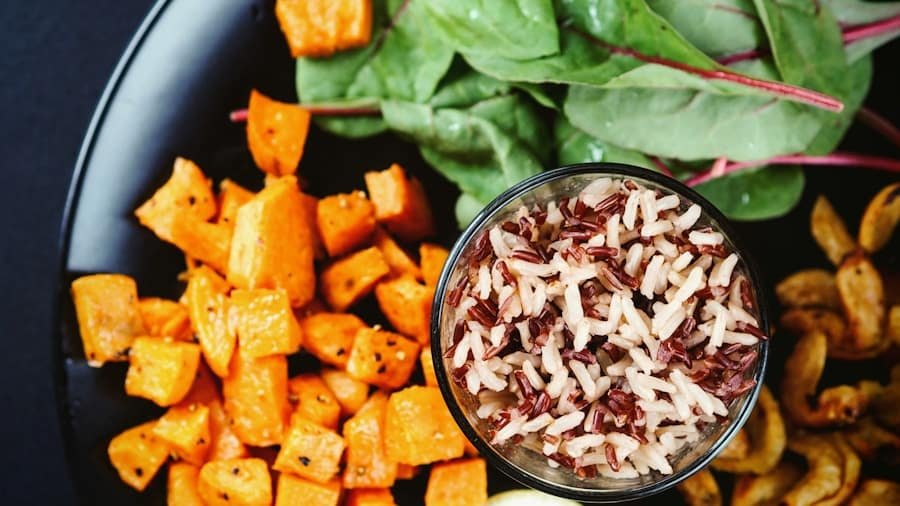
When it comes to lunch and dinner, there are plenty of options that cater to your dietary needs while still being delicious. A simple yet satisfying choice is grilled chicken served with steamed vegetables like broccoli or carrots. Chicken is a lean protein that is less likely to trigger reflux symptoms, especially when prepared without heavy sauces or spices.
Steaming your vegetables preserves their nutrients and makes them easier to digest, providing you with a wholesome meal that won’t leave you feeling uncomfortable. Another fantastic option is quinoa salad. Quinoa is a gluten-free grain that is high in protein and fiber, making it an excellent base for a filling meal.
You can mix cooked quinoa with diced cucumbers, bell peppers, and a drizzle of olive oil and lemon juice for flavor. This dish is not only refreshing but also versatile; you can add in other ingredients like chickpeas or avocado for added texture and taste. The key is to keep the seasoning mild and avoid any acidic dressings that could exacerbate your symptoms.
Snack and Appetizer Recipes for GERD Relief
Snacking can be tricky when you have GERD, but there are plenty of options that can satisfy your cravings without causing discomfort. One great snack idea is hummus served with carrot sticks or cucumber slices. Hummus is made from chickpeas, which are gentle on the stomach, and the fresh vegetables provide a satisfying crunch without the acidity found in many other snacks.
You can also experiment with different flavors of hummus, such as roasted red pepper or garlic-infused varieties, as long as they don’t contain any irritating ingredients. Another tasty option is rice cakes topped with almond butter or low-fat cream cheese. Rice cakes are light and easy to digest, making them an ideal base for various toppings.
Almond butter adds healthy fats and protein, while cream cheese provides a creamy texture that can be quite satisfying. You might even consider adding sliced bananas or strawberries on top for an extra layer of flavor without triggering your GERD symptoms.
Dessert Options for Those with GERD
Desserts don’t have to be off-limits if you have GERD; there are plenty of sweet treats that can satisfy your sweet tooth without causing discomfort. One delightful option is baked apples sprinkled with cinnamon. Simply core an apple, fill it with a mixture of oats and a touch of honey, then bake until tender.
This dessert is not only delicious but also provides fiber and nutrients that are beneficial for your digestive health. Another dessert idea is yogurt parfaits made with low-fat yogurt, granola, and fresh berries. Yogurt contains probiotics that can aid digestion, while granola adds crunch and flavor.
Be sure to choose granola that is low in sugar and free from nuts if they tend to trigger your symptoms. Layering these ingredients in a glass creates an appealing presentation that makes dessert feel special while still being GERD-friendly.
Beverages and Drinks for GERD Sufferers
Soothing Herbal Teas
Herbal teas are an excellent choice, particularly chamomile or ginger tea, which can be very soothing after meals. These teas not only aid digestion but also provide a calming effect that can ease any discomfort you may be experiencing.
Refreshing Infused Water
If you prefer something cold, consider making infused water by adding slices of cucumber or mint leaves to plain water. This refreshing drink not only hydrates but also adds a hint of flavor without any acidity.
Avoid Triggering Drinks
Avoid carbonated drinks and citrus juices, as they can trigger reflux symptoms in many individuals. By being mindful of your beverage choices, you can enjoy drinks that complement your meals without causing distress.
Tips for Cooking and Eating GERD-Friendly Meals
Cooking GERD-friendly meals requires some adjustments in both ingredient selection and preparation methods. One key tip is to focus on cooking methods that are gentle on the stomach, such as baking, steaming, or grilling rather than frying or sautéing in heavy oils. These methods help retain the natural flavors of the ingredients while minimizing added fats that could trigger symptoms.
Additionally, portion control plays an important role in managing GERD symptoms. Eating smaller meals more frequently throughout the day can help prevent excessive pressure on the stomach, reducing the likelihood of reflux episodes. It’s also beneficial to avoid lying down immediately after eating; instead, try to remain upright for at least two to three hours post-meal to allow for proper digestion.
Conclusion and Additional Resources for GERD-Friendly Recipes
Navigating life with GERD doesn’t have to mean sacrificing enjoyment at mealtime. By incorporating these GERD-friendly recipes into your diet, you can create meals that are both satisfying and gentle on your digestive system. From hearty breakfasts to delightful desserts, there are countless options available that cater to your needs while still allowing you to savor delicious flavors.
For further inspiration and guidance on managing GERD through diet, consider exploring cookbooks dedicated to this topic or reputable online resources that offer additional recipes and tips tailored specifically for those with GERD. Remember, every individual’s triggers may vary; therefore, it’s essential to listen to your body and adjust your diet accordingly. With the right approach, you can enjoy a fulfilling culinary experience while keeping your symptoms at bay.
FAQs
What is GERD?
GERD stands for Gastroesophageal Reflux Disease, which is a chronic condition where stomach acid flows back into the esophagus, causing symptoms such as heartburn and discomfort.
What are GERD-friendly recipes?
GERD-friendly recipes are meals that are designed to minimize symptoms of acid reflux and heartburn. These recipes typically avoid ingredients that can trigger acid reflux, such as spicy foods, citrus fruits, and high-fat dishes.
What are some common ingredients to avoid in GERD-friendly recipes?
Common ingredients to avoid in GERD-friendly recipes include spicy foods, citrus fruits, tomatoes, onions, garlic, chocolate, caffeine, and high-fat foods.
What are some examples of GERD-friendly recipes?
Examples of GERD-friendly recipes include grilled chicken with steamed vegetables, oatmeal with bananas, yogurt parfaits with granola, and baked fish with quinoa.
Are there specific cooking techniques that are recommended for GERD-friendly recipes?
Yes, cooking techniques such as grilling, baking, steaming, and sautéing with minimal oil are recommended for GERD-friendly recipes. Avoiding deep-frying and using excessive amounts of oil can help reduce the risk of triggering acid reflux.
Can GERD-friendly recipes still be delicious and satisfying?
Yes, GERD-friendly recipes can still be delicious and satisfying. By using flavorful herbs and spices that are not known to trigger acid reflux, and by incorporating a variety of fresh ingredients, it is possible to create tasty meals without the burn.