
Welcome to your guide to creating an acid reflux diet plan! If you suffer from acid reflux, making simple changes to your diet can help alleviate symptoms and improve your quality of life. By following a few key principles such as avoiding trigger foods, eating smaller meals, and staying hydrated, you can achieve better control over your acid reflux symptoms and feel more comfortable and at ease. Embrace this guide and start creating a personalized diet plan that works for you and your body. Your journey to a happier, healthier you begins now! Have you been struggling with acid reflux and looking for ways to manage it through diet? If so, you’ve come to the right place! Let’s walk through everything you need to know about creating an acid reflux diet plan to help alleviate your symptoms and improve your overall quality of life.
Understanding Acid Reflux
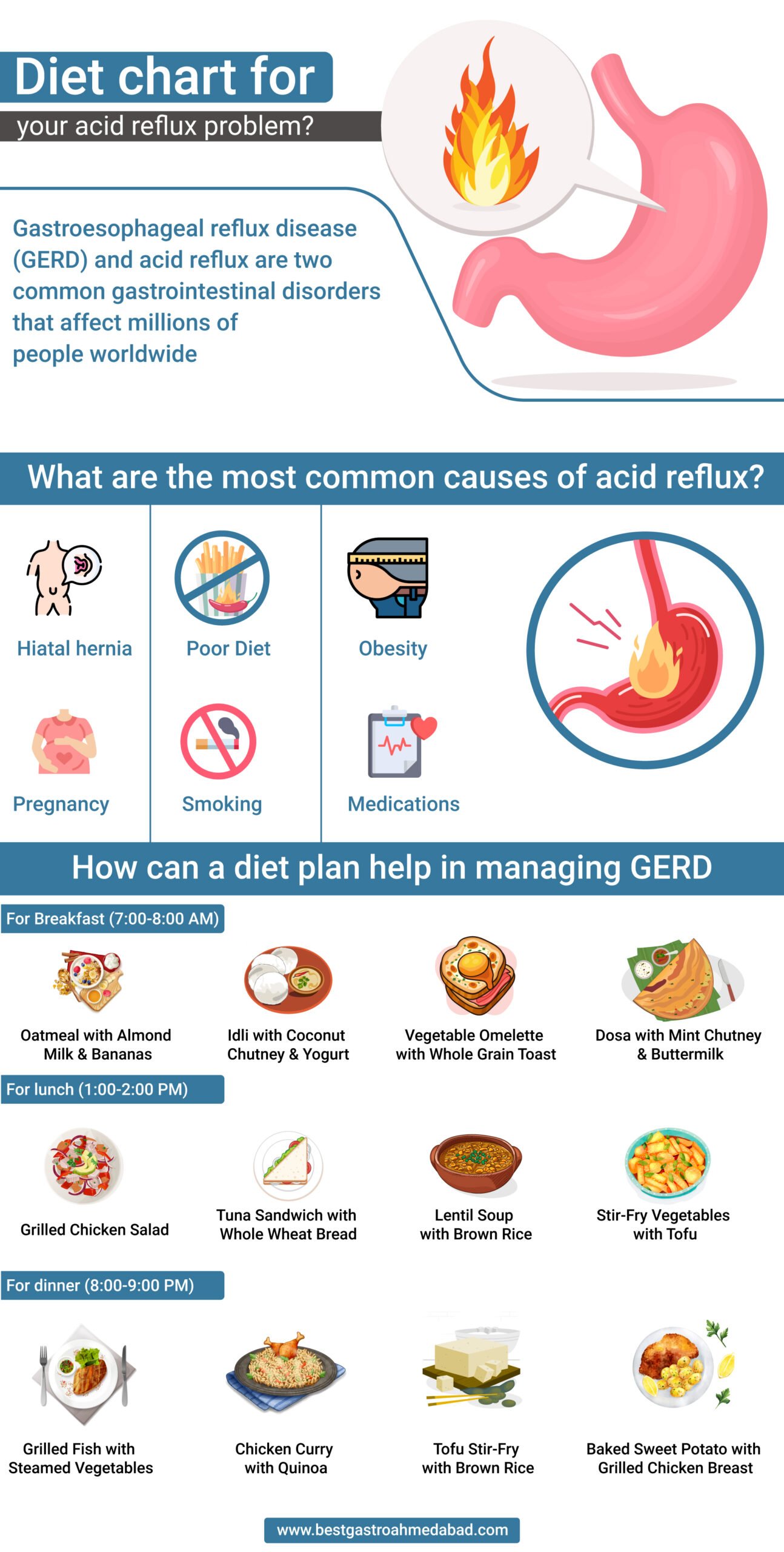
Before diving into creating an acid reflux diet plan, it’s important to understand what acid reflux is and how it affects your body. Acid reflux, also known as gastroesophageal reflux disease (GERD), occurs when the acid in your stomach flows back up into your esophagus. This can cause symptoms such as heartburn, chest pain, regurgitation, and difficulty swallowing.
Understanding the root cause of acid reflux will help you make informed decisions about your diet and lifestyle choices to manage your symptoms effectively.
Foods to Avoid
Certain foods can trigger or worsen acid reflux symptoms. Avoiding these trigger foods is a crucial step in creating an acid reflux diet plan. Some common culprits include:
| Trigger Foods | Alternate Options |
|---|---|
| Citrus fruits and juices | Apples, bananas |
| Spicy foods | Oatmeal, whole grains |
| Tomato-based foods | Zucchini, cucumbers |
| Fried and fatty foods | Lean proteins, fish |
| Carbonated beverages | Water, herbal tea |
Making small swaps like choosing apples over oranges or opting for lean proteins instead of fried foods can make a big difference in managing your acid reflux symptoms.
Drinks to Avoid
In addition to trigger foods, certain beverages can also exacerbate acid reflux symptoms. Avoiding the following drinks can help reduce acid reflux flare-ups:
- Coffee
- Alcohol
- Carbonated beverages
- Citrus juices
Instead, opt for water, herbal tea, or non-citrus fruit juices to stay hydrated without triggering acid reflux symptoms.

Foods to Include
While some foods may exacerbate acid reflux symptoms, others can help alleviate them. Including these reflux-friendly foods in your diet can promote better digestion and reduce discomfort:
| Reflux-Friendly Foods | Benefits |
|---|---|
| Oatmeal | High in fiber, helps absorb stomach acid |
| Vegetables (except tomatoes, onions, and peppers) | Rich in antioxidants and low in fat |
| Lean proteins (chicken, turkey, fish) | Easier to digest, lower in fat |
Incorporating these reflux-friendly foods into your meals can help soothe your digestive system and reduce the frequency and severity of acid reflux symptoms.
Snacks to Keep on Hand
Having reflux-friendly snacks readily available can help you stick to your acid reflux diet plan and avoid reaching for trigger foods. Consider stocking up on the following snacks:
- Plain rice cakes
- Almond butter on whole-grain crackers
- Greek yogurt with honey
- Melon or other non-citrus fruits
Having these snacks on hand will make it easier to make healthy choices throughout the day and prevent acid reflux flare-ups.
Meal Prep Tips
Meal prepping can make it easier to stick to your acid reflux diet plan and avoid trigger foods when you’re pressed for time. Follow these meal prep tips to set yourself up for success:
- Plan your meals for the week ahead, taking note of reflux-friendly recipes.
- Batch cook staples like lean proteins, whole grains, and vegetables to have on hand for easy meal assembly.
- Pack reflux-friendly snacks in portioned containers to grab on-the-go.
By dedicating some time to meal prep each week, you can ensure that you have reflux-friendly options readily available whenever hunger strikes.
Meal Prep Tools
Investing in a few meal prep tools can streamline the process and make meal prepping more enjoyable. Consider stocking your kitchen with the following tools:
- Glass storage containers
- Food scale for portioning
- Slow cooker or Instant Pot for batch cooking
- Blender for making smoothies or soups
Having these tools on hand will make meal prepping a breeze and enable you to stick to your acid reflux diet plan with ease.

Eating Habits
In addition to choosing the right foods, your eating habits can also impact your acid reflux symptoms. Practicing mindful eating and adopting healthy habits can help alleviate discomfort and promote better digestion:
- Eat smaller, frequent meals throughout the day to avoid overeating and pressure on your stomach.
- Avoid lying down immediately after eating to prevent acid reflux symptoms.
- Chew your food slowly and thoroughly to aid digestion and reduce the risk of reflux.
Adopting mindful eating habits and making small adjustments to your daily routine can make a significant difference in managing your acid reflux symptoms.
Hydration Tips
Staying hydrated is essential for overall health and digestion, but certain beverages can worsen acid reflux symptoms. Follow these hydration tips to stay hydrated without triggering reflux:
- Drink water throughout the day to stay hydrated and support digestion.
- Opt for herbal teas or non-citrus fruit juices instead of coffee and alcohol.
- Avoid drinking large amounts of liquid with meals to prevent bloating and pressure on your stomach.
By making smart beverage choices and staying hydrated throughout the day, you can support your digestive system and reduce the frequency of acid reflux symptoms.
Lifestyle Changes
In addition to making dietary adjustments, certain lifestyle changes can help manage acid reflux symptoms and improve your overall well-being. Consider incorporating the following practices into your routine for optimal results:
- Maintain a healthy weight to reduce pressure on your stomach and lower your risk of acid reflux.
- Avoid smoking, as it can worsen acid reflux symptoms and damage your esophagus.
- Practice stress-reducing techniques such as yoga, meditation, or deep breathing to alleviate heartburn and promote relaxation.
Making positive lifestyle changes in conjunction with your acid reflux diet plan can enhance the effectiveness of your treatment and improve your quality of life.
Sleep Hygiene Tips
Proper sleep hygiene is crucial for managing acid reflux symptoms, as lying down can exacerbate heartburn and discomfort. Follow these tips to promote better sleep and reduce nighttime reflux:
- Avoid eating large meals right before bedtime to prevent acid reflux during the night.
- Elevate the head of your bed to reduce nighttime reflux symptoms.
- Practice good sleep hygiene by establishing a relaxing bedtime routine and creating a comfortable sleep environment.
By prioritizing quality sleep and adopting healthy sleep habits, you can minimize nighttime acid reflux symptoms and wake up feeling refreshed and well-rested.
Seeking Professional Help
If you’re struggling to manage your acid reflux symptoms with diet and lifestyle changes alone, it may be time to seek professional help. Consulting with a gastroenterologist or a registered dietitian can provide personalized guidance and recommendations to help you better manage your acid reflux.
A healthcare provider can help identify any underlying issues contributing to your acid reflux symptoms and recommend a comprehensive treatment plan tailored to your individual needs. Don’t hesitate to reach out for professional help if you’re experiencing severe or persistent acid reflux symptoms that are impacting your quality of life.
Conclusion
Creating an acid reflux diet plan involves making informed choices about the foods you eat, the beverages you drink, and the lifestyle habits you practice. By avoiding trigger foods, incorporating reflux-friendly options, and adopting healthy eating and lifestyle habits, you can effectively manage your acid reflux symptoms and improve your overall well-being.
Remember, managing acid reflux is a journey, and it may take some trial and error to find what works best for you. Be patient with yourself as you navigate your acid reflux diet plan and don’t hesitate to seek professional help if needed. With the right guidance and support, you can take control of your acid reflux and reclaim your quality of life.